


Category: Featured

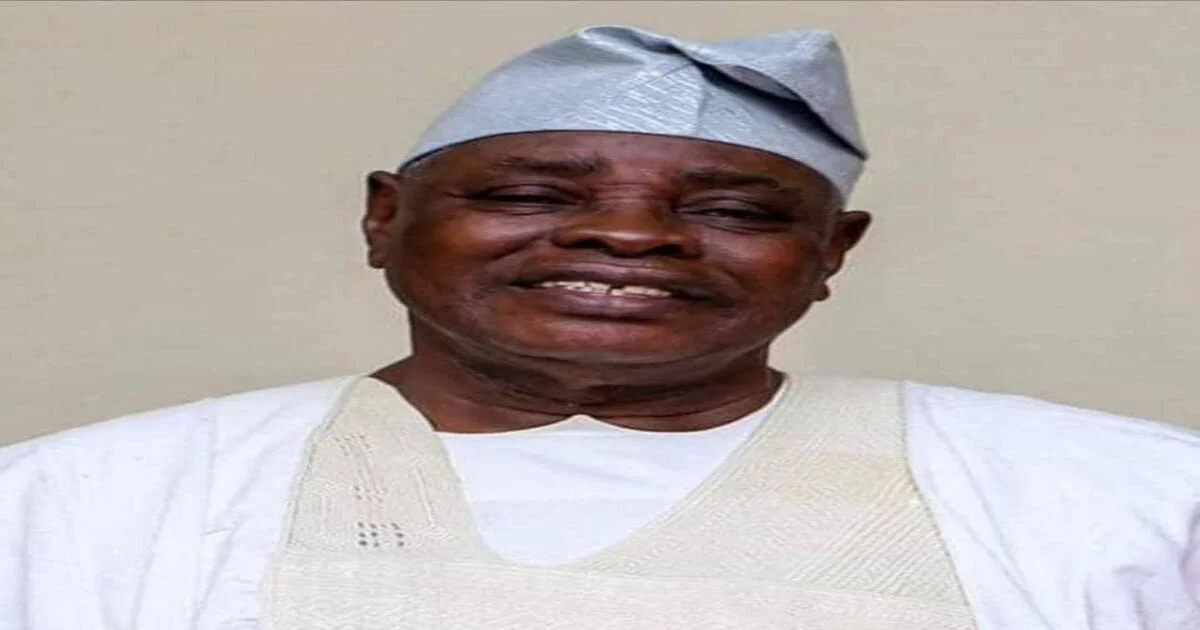
  • A Tribute to a Visionary Educator and Leader: Chief Sale Andrew Idakwo (1945–2025)

    A Tribute to a Visionary Educator and Leader: Chief Sale Andrew Idakwo (1945–2025)


    Honouring the life and legacy of a pioneer principal, mentor, and community builder

    By Dahiru Ali

    The passing of Chief Sale Andrew Idakwo, the pioneer Principal of Government Secondary School, Ulayi, has left a deep void in the hearts of all who knew him. His death marks the end of a golden chapter in the story of education, discipline, and community leadership in Benue State and beyond.

    When Government Secondary School, Ulayi, opened its gates in 1976, Chief Idakwo stood as its first principal — a young, visionary educator determined to shape not only a school but a generation. Through his firm leadership and boundless energy, he transformed GSS Ulayi into a beacon of academic excellence and moral discipline. To him, education was not merely about books and classrooms; it was about nurturing character and preparing young people to lead with integrity and courage.

    Chief Idakwo was a seasoned administrator, a respected community leader, and an exemplary patriot. He was also an alumnus of the prestigious National Institute for Policy and Strategic Studies (NIPSS), Kuru, Jos, Plateau State, where he deepened his understanding of governance, national integration, and strategic leadership. The lessons he drew from that experience reflected in everything he did — from managing institutions to guiding young minds and fostering unity in his community.

    My personal encounter with him remains one of the defining experiences of my life. In 1976, I approached him as a young, hopeful boy seeking admission into Government Secondary School, Ulayi. I did not possess a First School Leaving Certificate, having advanced to college ahead of my time. (My late Headmaster, Mr. J. A. Anteyi, haven decided at the time, that some of the very outstanding students should be encouraged to proceed to secondary school, if they could pass the Common Entrance Examination.) When he reviewed my papers, he looked up at me sternly and said, “Young man, you don’t meet the requirement.” My heart sank.

    But after a moment of thoughtful silence, he looked at me again and said, “You seem determined — let us see what you can make of this opportunity.” That act of fairness and insight changed the course of my life. He almost denied me admission, yet his ability to see potential where others might not prevailed. It was under his mentorship that I learned the virtues of hard work, humility, and perseverance — lessons that have guided me ever since.

    Yet, behind his strictness was a man of warmth, humour, and humanity. Chief Idakwo was an athlete — a passionate footballer who often joined us, his students, on the field, running, cheering, and sharing in the camaraderie of youthful energy. Those moments revealed another side of him — approachable, lively, and genuinely interested in our growth beyond academics. He also never failed to socialise with us during weekend parties at the school dining hall, where he would sit among students, share laughter, and remind us that life’s discipline must be balanced with joy. His presence at those gatherings made us feel valued and seen — a rare quality in a man of his position.

    After his pioneering years at Ulayi, Chief Idakwo joined the Federal Civil Service, where he continued to distinguish himself through diligence, integrity, and professionalism. His service to the nation spanned various capacities, culminating in his retirement as a Director in the early 2000s. Even in public service, he carried the same principles that defined his teaching career — commitment to excellence, fairness, and public good.

    Our paths crossed again in Abuja, where Chief Idakwo was a life-time member, Patron, and Chairman of the Board of Trustees of the Ofu K’Idoma for Unity and Development Association, a community service organisation devoted to promoting unity, education, and social advancement among the Idoma people. When I joined the association, I had the honour of serving as General Secretary for over five years, working closely with him once more. Even there, his leadership shone brightly — calm, wise, and grounded in service. He inspired us to give back to our community and reminded us often that “true leadership is not about power, but about purpose.”

    Beyond education and public service, Chief Sale Andrew Idakwo was a traditional leader and man of peace — a figure whose words carried weight and whose example inspired trust. He was a bridge-builder between generations, a listener to all, and a steady moral compass in turbulent times.

    Last Friday, the quiet town of Ogwule, in Agatu Local Government Area of Benue State, witnessed a deluge of personalities — government officials, educationists, traditional rulers, former students, and community leaders — who converged to pay their last respects. It was a fitting farewell to a man whose influence had touched so many. After the funeral service, he was laid to rest at his family compound at Ogwule-Kaduna, where the earth embraced one of its finest sons — a teacher, mentor, and nation builder.

    To his students, Chief Idakwo was more than a principal; he was a father, coach, and friend. To his colleagues, he was a mentor and a model of professional integrity. To his community, he was a pillar of unity and peace.

    As we mourn his passing, we also celebrate a life beautifully lived — one defined by service, discipline, and love for humanity. His legacy will continue to shine in the lives of those he taught, mentored, and inspired.

    May Almighty God grant his noble soul eternal rest and comfort his family, friends, and all who mourn him.

    Rest well, Chief.
    You built more than a school — you built a people, and your light will never fade.


    About the Author:
    Dahiru Ali is an alumnus of Government Secondary School, Ulayi, and one of the pioneer students who studied under Chief Sale Andrew Idakwo. He later served as General Secretary of the Ofu K’Idoma for Unity and Development Association, Abuja. He writes from Abuja.


  • Etsu Nupe @ 73:  Celebrating 22 years of service, touching lives

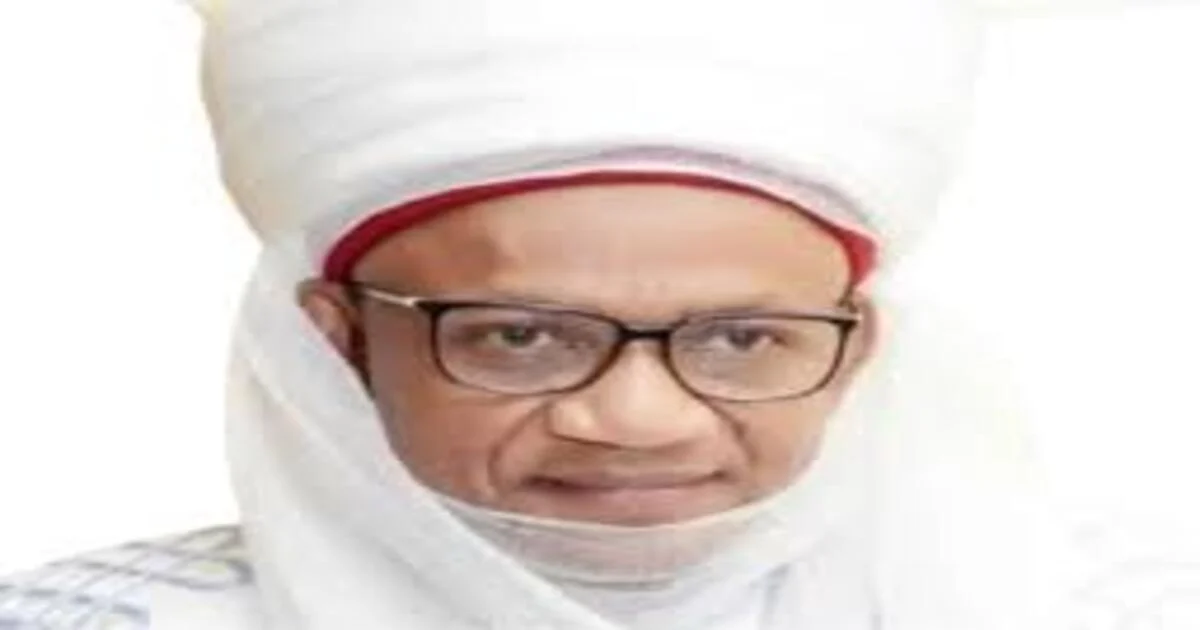
    Etsu Nupe @ 73:  Celebrating 22 years of service, touching lives

    By

    Mohammed Baba Busu

    In Nigeria, the role of the traditional institution in preserving the culture, maintaining peace and fostering national cohesion cannot be underplayed.

    In Niger, the Etsu Nupe, Alhaji Yahaya Abubakar, a foremost traditional ruler, who recently turned 73, has creditably acquitted himself in his 22 years on the throne.

    A key stakeholder in Etsu Nupe’s palace said Abubakar’s 22-year reign had been that of impactful service and transforming the destinies of not only people of his domain, but Nigerians at large.

    “We recently celebrated the 73rd birthday and 22 years on the throne of the Etsu Nupe and Chairman, Niger State Council of Traditional Rulers.

    “The 73rd birthday and 22nd coronation anniversary of the revered Etsu Nupe was not just another ceremonial festivity, it was a powerful testament to a reign anchored on humility, service to humanity and unshaken commitment to socio-cultural and spiritual advancement of Kin Nupe.

    “This year’s celebration was not only unique, but was organised in a grand style. This time, the focus was the down trodden and the forsaken in the society.

    “The unusual five-day event, which stretched from Sept. 12 to Sept. 16, 2025, was full of activities; two out of the five days were dedicated to visiting the down trodden and the sick in the society.’’

    On Sept. 15, the traditional ruler visited the Correctional Centre, Bida, Remand Home and Federal Medical Centre (FMC), Bida, while on Sept. 16, he visited Umaru Sanda General Hospital and Blind Centre.

    He also visited a private hospital he personally facilitated its building.

    For the whole of the five days, the ancient city of Bida and adjoining communities witnessed activities that spoke volumes about the character of the 13th Etsu Nupe, a compassionate father, reformer and bridge-builder.

    Day one began with solemn prayers led by the Chief Imam of Nupe kingdom, Sheikh Adamu Liman Yakatun.

    The prayers, attended by traditional title holders and clerics underscored the essence of longevity, health and divine guidance for the highly respected humble Royal Father.

    Testimonies on how his reign lifted Nupe kingdom to enviable heights resonated strongly, setting the tone for the celebration.

    The second day was devoted to homage-paying, as citizens and well-wishers trooped to the palace, reaffirming the deep bond between the first class traditional ruler and his people.

    This was followed by a historic traditional pilgrimage on day three to Rabba, in Mokwa Local Government Area of the state, which hosts the tomb of Mallam Muhammad Manko, founder of Bida, was honoured with special prayers.

    “The Etsu Nupe, in his wisdom used the occasion to stress the preservation of historic sites as drivers of cultural pride, tourism and socioeconomic growth.

    “Perhaps the most touching episode came on the fourth day when the 13th Etsu Nupe visited Bida Correctional Centre, in a rare display of compassion, he facilitated the release of seven inmates, by paying their fines and debts in full.

    “All these visits were made to identify with the down trodden and the sick in order to comfort them and give them a sense of belonging.

    “Many lives were touched positively when the royal father also visited the Correctional Centre as the inmates were full of smiles when they sighted him.

    “The gifts they received also added to their joy which ignited a sense of belonging, hope and relevance in them. This gesture, according to many, will linger for many years in the minds of the inmates and also strengthen their belief and hope in the country.

    “Also, the hospital visits were another aspect of the occasion that kept tears rolling in the eyes of many, because, those who were without hope were reminded that someone cares for them; the gifts also created an atmosphere of joy amongst the patients,’’ a palace stakeholder said.

    Observers say the celebration of the 73rd birthday and 22 years on the throne of Etsu Nupe should be a case study for scholars, students and an example for many royal fathers and other elites in the country.

    In his congratulatory message, Gov. Mohammed Bago of Niger commended the fatherly role of the traditional ruler not only to the people of Nupe extraction but to the entire state.

    The governor described Abubakar as a selfless, peaceful, kind, and passionate leader who always stood by his people.

    Bago said that the Etsu Nupe had been a beam of hope, unity, and peace, especially to his people.

    The governor applauded the royal father, emphasising that the reign of the Etsu Nupe had been marked by wisdom, exemplary leadership, and steadfast dedication to cultural preservation and the socio-economic advancement of Nupe Kingdom, Niger, and Nigeria in general.

    “Etsu Nupe has continued to strengthen the existing relationship between the state government and traditional institutions as well as support the policies of his administration, which has helped to foster harmony and development across the state,’’ he said.

    The governor organised a special prayer session for  Abubakar, held at the Wadata Palace in Bida.

    Bago described the Etsu Nupe as an exceptional and kindhearted leader.

    He also acknowledged his good counsel, which, according to him, has been helpful in his decision-making.

    The governor commended the stewardship of the humble traditional ruler, noting that his 73 years of existence and 22 years on the throne have been fruitful and successful.

    Also, Mohammed Mohammed Ndarani, Hukunchi Nupe, felicitated Abubakar on the special occasion.

    According to Ndarani, the Etsu Nupe’s reign has been a blessing to the Nupe Kingdom, Niger State, and Nigeria at large, as it is marked by peace, unity, progress and the preservation of our rich cultural heritage.

    He prayed Almighty Allah (SWT) to grant Abubakar many more years of good health, wisdom, and strength to continue leading your people with dignity and fear of God.

    “May your reign continue to bring peace, harmony, and development to Kin Nupe and beyond”, Ndarani prayed.

    In his remarks at the prayer session, Abubakar appreciated Allah for his mercies and grace in guiding him through his reign as the 13th Etsu Nupe.

    He equally thanked the governor for organising the special prayer session for him, saying it demonstrated his care and concern.

    The Etsu Nupe also appreciated all those who have continued to identify with him and accord him respect, and prayed Allah to continue to guide the governor as he continued to steer the leadership of the state.

    He also assured him of the unalloyed support of the state’s traditional institution to ensure successful implementation of the policies and programmes of his administration.

    On his part, the Chief Imam of Bida, Liman  Yakatun, who led other Islamic clerics in Bida Emirate in praying for the Etsu Nupe, also prayed for the success of the fight against all forms of insecurity and other challenges confronting the nation.

    Abubakar succeeded the late Etsu Nupe, Alhaji Umaru Sanda Ndayako, on Sept. 11, 2003.

    He was born on Sept. 12, 1952, in Bida, and hails from one of the ruling houses of Bida Emirate (Usman Zaki).

    He attended Government College, Sokoto, and later, Commercial College Kano (1967–1971).

    He enrolled into the Nigerian Defence Academy, Kaduna (1973–1975) for training and enlistment into the Nigerian Army.

    As a military officer, his last posting was the Defence Headquarters, Abuja, where he served as Director, Foreign Operations, before retiring as a Brigadier- General in September 2003.

    Before his appointment as the Etsu Nupe, he was the Kusodu Nupe.

    In all, stakeholders say what traditional ruler needs from all residents of Niger is continued support and prayers.

    They say the traditional ruler wants his subjects to promote peace and remain loyal to constituted authorities in the quest for the prosperity and stability of the state and the country at large.

    Mohammed Baba Busu writes for the News Agency of Nigeria (NAN)

  • A Tribute to Professor Tunde Adeniran at 80: A Life of Scholarship, Integrity, Service, and Stewardship

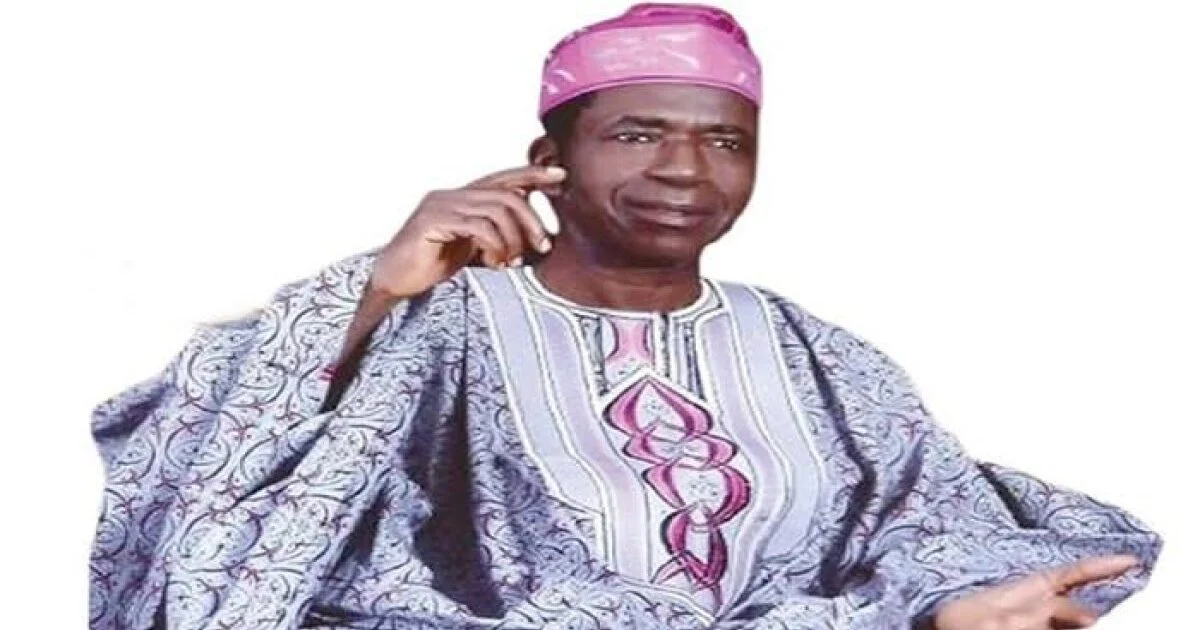
    A Tribute to Professor Tunde Adeniran at 80: A Life of Scholarship, Integrity, Service, and Stewardship


    By Wale Alonge

    It is indeed the honor and privilege of my life to write this tribute in celebration of a great man: a public servant in the best tradition of the word, an elder statesman, an academic of unparalleled brilliance, a servant in the Lord’s vineyard, a patriot, and above all, the true epitome of what we Yoruba call Omoluabi.

    To know Professor Adeniran is to encounter a rare gem—a humble, decent, dignified embodiment of humanity and grace. I only recently had the privilege of meeting and knowing him by divine grace and providence. Our relationship began, of all places, through our posts on a Pan-Yoruba social media platform, inspired by our mutual respect for and convergence of perspectives on the Nigerian question and the advancement of Yoruba interests in it. Social media is not always a bad thing; in fact, some life-altering positive relationships can come from it, as it has for me.

    Since then, I have had the privilege of interacting with him via phone calls and text messages, and finally meeting him in person in his simple but elegant home in Bodija. His home was devoid of the obscene opulence often found in the houses of other Nigerians who have occupied even less prestigious political offices. My visit turned out to be a double blessing, as I also had the great privilege of meeting another remarkable leader of our time, Ambassador Yemi Farounbi, with his iconic well-manicured beard and characteristic grace.

    From that occasion and since, I have been deeply enamored by Professor Adeniran’s uncommon humility, simplicity, intellectual depth, approachability, and devotion to God. His humility and simplicity stand out as rare qualities among the Nigerian elite class, especially for someone so stupendously accomplished and globally respected across multiple fields of human endeavor—in academia, politics, diplomacy, and the ministry.

    Today, September 29th, Professor Tunde Adeniran joins the octogenarian class. This is the true definition and testament to God’s amazing grace. Four-score years on earth is no small feat, but to live those years with purpose, principle, and impact is the true measure of greatness. As you celebrate your 80th birthday, Professor Adeniran, I join the multitude of your admirers around the world in saluting not only the length of your days but the extraordinary depth of your contributions to Nigeria, Africa, and the global community.

    From humble beginnings, endowed by your Creator with an inquisitive mind, an insatiable quest for knowledge, and a disciplined pursuit of excellence, you charted a course that blended brilliance in academia with distinction in public service. As a scholar, your erudition in political science elevated discourse and sharpened understanding of democracy, governance, and development. I have personally been inspired by your books, which you generously gifted me during my visit. I regard it as a special privilege that two of my own children are alumni of Columbia University, the same iconic institution from which you also graduated. They feel a sense of pride to share that alma mater with you.

    As a professor, you have shaped countless minds and continue to do so as Professor Emeritus. To the wider intellectual community, you are an icon who has influenced policy and thought. To generations of students, colleagues, and mentees, you were not just a teacher but a model of integrity and intellectual courage.

    In public life, you exemplified that rare breed of scholar-statesman. You demonstrated uncommon patriotism when you left your dream job at the United Nations to serve your country. You are, indeed, a true and inspirational patriot.

    In every office you held, you left a legacy of transformational and innovative leadership, improving each position and leaving without a stain on your reputation. As Nigeria’s Ambassador to Germany, you represented our nation with dignity, grace, and class, earning the respect of the international community.

    Your tenure as Minister of Education marked a season of reforms anchored on your deep belief that education is the most powerful tool for national transformation. I was delighted that part of your 80th birthday celebration included a colloquium on education—a fitting honor for a man who has contributed so much to Nigeria’s educational advancement. Whether in diplomacy or governance, you have carried yourself with humility, candor, and a firm commitment to the common good.

    Your foray into politics was never about the pursuit of power, fame, or wealth, but about service to humanity and the betterment of our people. You are one of the few who transitioned from the quiet halls of academia into the murky waters of Nigerian politics and returned with your white robe unstained. You remind us that politics, when practiced with conviction, can be an avenue for noble service.

    Beyond your public achievements, your private virtues are even more inspiring. A man of deep faith, you have consistently anchored your life on the unshakable foundation of God’s grace. Your elevation to knighthood by the Methodist Church stands as testament to your lifelong service to God. You are a devoted husband, father, grandfather, and mentor who has touched lives not by position alone but through genuine compassion, empathy, and accessibility. Despite your many accomplishments, your humility remains disarming and your warmth, ever reassuring.

    At 80, your legacy cannot be confined to a single discipline or arena. You are a bridge between academia and governance, diplomacy and grassroots service, scholarship and faith. You have taught us that leadership is not about titles but about impact—not about self-glorification but about service.

    As we celebrate you today, we also celebrate the countless lives you have touched—the students you inspired, the diplomats you influenced, the citizens you empowered, the family you nurtured, and the friends you uplifted. Your shoulders, though slim in appearance, are mighty in strength and dependability. They have carried many, and your life has opened doors for countless others.

    May this 80th milestone be a season of joy, reflection, and fulfillment for you. May your remaining years be filled with peace, health, and the comforting knowledge that you have lived your life with honor and left indelible footprints in the sands of time. May you know no sorrow, nor shed tears over your loved ones. May your years be long and may you live them filled with joy, peace, good health, and the abundance of God’s blessings and grace.

    Happy 80th Birthday, Professor Tunde Adeniran—a teacher of teachers, a diplomat of diplomats, a patriot of patriots, and a statesman of statesmen. To me personally, you are a great mentor, an inspiration, an uncle, and a role model for how to live a life of impact. Your life remains an enduring testimony to the power of knowledge, the beauty of service, and the grace of God.

    With my highest respect, deep love, and affection.

    Adewale Alonge, PhD, Founder & President, Africa Diaspora Partnership for Empowerment and Development. www.adped.org

  • Existential Challenges: NEF Canvasses Solutions

    Existential Challenges: NEF Canvasses Solutions

    Concerned about crippling challenges confronting the mass of Nigerians, the Northern Elders Forum (NEF) yesterday in Abuja resolved to not merely complain but team up with like minds in search of sustainable solutions.

    Convener of NEF, the Emeritus Professor Ango Abdullahi called on concerned individuals or groups to team up with the Forum in pursuit of the development and unity of the country and the north in particular.

    Prof. Abdullahi disclosed that the Secretariat of NEF had been enhanced with more human resource in order to enable it to handle existential challenges and to collaborate with others in that regard.

    Other notable members of the NEF like Dr. Usman Bugaje, Prof Usman Yusuf, Bashir Ibrahim, former Chief of Army Staff, Gen Awwali Kazir, Madam Sara Jubril, amongst others, who also spoke at the event, drew attention to specific challenges confronting the north while also proffering solutions.

    Dr. Bugaje and Prof. Yusuf expressed concerns about the nagging issue of out of school children and the challenge posed by current economic difficulties on tertiary educational pursuit and healthcare delivery. Dr. Bugaje observed that close to 60 percent of indigent students in tertiary institutions have dropped off because of high cost of living.

    Most importantly, the eminent elders resolved that rather than lamenting and whining it was high time northern elite rolled up their sleeves to take the bull by the horn.

    A prominent politician and former Chairman of the Peoples Democratic Movement, Alhaji Bashir Ibrahim advocated for solutions rather than lamentations.

    He challenged the electorate to be more aware of their rights as citizens who put the politician in power through their votes.

    “Enough of the complaints and lamentations,” he cautioned, advising: “NEF as an NGO, should collaborate with others to mobilise our people to ensure that the people they put into power through their votes are those they can hold accountable.”

    “We have to convert our demographic disaster into demographic gain by teaching our people skills and giving them access to capital. The north should de-emphasize politics in favour of economy. We have been in power forever, yet poverty in Nigeria remains a northern phenomenon. Fifteen poorest states in Nigeria are in the north,” Alhaji Bashir reminded his colleagues.

    Members of the Northern Elders Forum converged on the Yar’adua Centre in Abuja to inaugurate an enlarged Board of Trustees and Management Directorate for the organisation.

    The Forum is an amalgamation of accomplished professionals, elder statesmen and eminent persons of northern origin who constitute themselves into a think tank that canvasses for government attention on existential challenges.

    Members of the forum were united in their call for accountability for public officials, a review of the nation’s electoral system to address the current anomaly were a president can emerge as winner of an election with less than 30 percent of the total votes cast.

    The forum also resolved to pursue the economic empowerment of the masses rather than producing powerful politicians.

  • The Fintech Revolution: Transforming MSMEs and Financial Inclusion in Nigeria

    Fintech has emerged as a transformative force in Nigeria, reshaping the financial landscape and ushering in an era of unprecedented financial inclusion.

    Among its many impacts, perhaps the most noteworthy is its role in fostering the growth of Micro, Small, and Medium-sized Enterprises (MSMEs), which are the backbone of the Nigerian economy.

    Fintech has undeniably improved financial access and penetration across Nigeria.

    By introducing innovative solutions like mobile banking, digital wallets, and agent banking, it has reached underserved populations that traditional banking services could not.

    Not only has this expanded access, but it has also brought down transaction costs, making financial services more affordable for all.

    One of the remarkable achievements of fintech in Nigeria is the transformation of payment systems. The proliferation of mobile money platforms and digital payment solutions has revolutionized the way transactions are conducted.

    Nigerians can now seamlessly make payments, transfer funds, and settle bills through their mobile devices. This has significantly contributed to the adoption of cashless transactions, reducing the risks associated with physical cash.

    However, the real success story of fintech in Nigeria lies in its impact on MSMEs. These enterprises, often struggling to access traditional financial services, have reaped unparalleled benefits from the fintech revolution.

    Fintech platforms have bridged the financing gap that has historically plagued MSMEs. Through peer-to-peer lending and crowdfunding, they can secure much-needed capital for their businesses. This has not only injected much-needed funds into these enterprises but has also fueled entrepreneurship and innovation.

    Beyond financing, fintech has streamlined MSME operations. Tools such as accounting software, digital marketing platforms, and supply chain management systems empower these enterprises to operate more efficiently and compete effectively with larger players. Moreover, e-commerce platforms, enabled by fintech, have expanded their reach, allowing MSMEs to tap into a broader customer base.

    Risk management is another critical aspect where fintech has made substantial contributions. Fintech solutions offer valuable risk assessment tools, enabling MSMEs to make informed credit decisions. This is essential for ensuring the long-term sustainability of these enterprises.

    However, while the impact of fintech in Nigeria is undeniable, it is essential to address the challenges that come with this rapid transformation.

    Fintech regulation in Nigeria is still evolving, requiring a delicate balance between promoting innovation and providing effective oversight. The rapid growth of fintech adoption has also given rise to escalating concerns about cybersecurity. Robust measures are required to protect financial data and services from cyber threats.

    Furthermore, addressing financial literacy gaps remains a critical challenge. Not all segments of the population possess the necessary skills to fully utilize fintech services, emphasizing the need for comprehensive educational initiatives.

    Overall, the impact of fintech in Nigeria extends beyond improved financial penetration; it is reshaping the fortunes of MSMEs, introducing a new era of financial accessibility, efficiency, and innovation. As the fintech ecosystem in Nigeria continues to mature, its contribution to economic growth and development is poised to become even more profound.

    Nevertheless, addressing regulatory, cybersecurity, and educational challenges will be instrumental in sustaining and maximizing these benefits.

    The revolution has the potential to propel Nigeria into a new era of economic prosperity, and it’s imperative that stakeholders work together to overcome the associated challenges and ensure the continued success of this dynamic industry.

  • What Nigerians expect from Tinubu’s new cabinet

    What Nigerians expect from Tinubu’s new cabinet
    President Bola Tinubu and his new ministers pose for a group photograph on Monday after their inauguration.

    In a momentous ceremony that marked a significant transition for Nigeria, President Bola Tinubu on Monday inaugurated a new cohort of ministers to consolidate his presidency.

    With the swearing-in of these individuals into their respective offices, Nigerians are now looking ahead with a mixture of hope and anticipation, more so that, this time, like his predecessor, he did not wait for almost a year to form his cabinet.

    No doubt, the responsibilities bestowed upon these new ministers are immense, and the citizens’ expectations on them are equally high.

    Even though Tinubu had inherited a myriad of challenges, ranging from a lame economy to security concerns, Nigerians are fervently hoping that this new cabinet will rise to the occasion and lead the country towards a brighter future.

    One of the most pressing issues on the minds of Nigerians is the economy. The COVID-19 pandemic dealt a severe blow to the global economy with Nigeria getting its fair share and this has exacerbated existing challenges such as high unemployment rates and inflation.

    As the new ministers assume their roles, citizens are yearning for innovative economic policies that will stimulate growth and provide much-needed jobs. They expect these ministers to engage in strategic partnerships, attract foreign investments, and diversify the economy beyond oil dependency.

    A clear roadmap for infrastructural development, with a focus on power generation, transportation, and technological advancement, is eagerly awaited.

    Nigerians are hopeful that the new cabinet will foster an environment that supports small and medium-sized businesses, driving entrepreneurship and creating a sustainable economic ecosystem.

    Another paramount concern is security. In recent years, Nigeria has faced an upsurge in security challenges, from insurgency and banditry to kidnapping and communal conflicts.

    The citizens’ security and safety are non-negotiable, and they look to the new ministers to demonstrate unwavering commitment to restoring stability. Nigerians anticipate comprehensive reforms within the security sector, including equipping and adequately training law enforcement agencies, intelligence sharing, and collaboration with international partners to tackle transnational crimes.

    A holistic approach that addresses the root causes of these security issues, such as poverty and lack of education, is eagerly awaited.

    The state of healthcare in Nigeria has also been a cause for concern. The COVID-19 pandemic exposed the vulnerabilities of the healthcare system, shedding light on the inadequate infrastructure, limited access to quality medical care, and the brain drain of healthcare professionals.

    The citizens expect the newly inaugurated Minister of Health, Prof. Muhammad Ali Pate, to prioritize healthcare reform, ensuring that adequate funding is allocated to build and upgrade healthcare facilities, procure essential medical equipment, and provide training and incentives to healthcare workers.

    A robust healthcare system not only safeguards the population’s health but also bolsters the nation’s overall productivity and development.

    Education is another arena where Nigerians are looking for transformative changes. Despite being blessed with a young and vibrant population, the education sector has suffered from inadequate funding, outdated curriculum, and a lack of access to quality education in many regions.

    The new ministers are being entrusted with the responsibility of revamping the education system, from primary to tertiary levels. Citizens hope for the implementation of policies that prioritize teacher training, curriculum modernization, and the integration of technology in education.

    Additionally, special attention needs to be given to regions where educational disparities are most pronounced, ensuring that every Nigerian child has equal access to quality education.

    Corruption remains a significant impediment to Nigeria’s progress. Nigerians are looking to the new cabinet to not only maintain the anti-corruption drive but to intensify efforts in ensuring transparency and accountability in public office.

    Effective utilization of resources, strict adherence to due process, and the swift prosecution of corrupt individuals are the expectations of the citizens. Furthermore, they anticipate the implementation of policies that promote ethical governance and discourage corrupt practices at all levels of government.

    Infrastructural development, particularly in the areas of power generation, transportation, and information technology, is crucial for Nigeria’s growth.

    Citizens eagerly await the unveiling of comprehensive plans that will address the longstanding issues of inadequate power supply, inadequate road networks, and poor internet connectivity. These are fundamental elements that underpin economic development and enhance the quality of life for the population.

    In the realm of foreign policy, Nigerians hope for a government that will foster strong diplomatic relationships with other nations while advancing the country’s interests on the global stage. Economic partnerships, trade agreements, and international collaborations are seen as critical for Nigeria’s growth and development. The citizens look to the new ministers to represent the nation effectively in international forums and negotiations, projecting a positive image of Nigeria to the world.

    In conclusion, as President Bola Tinubu’s new ministers assume their respective offices, they should understand that they’re stepping into roles of immense responsibility and great expectation. Nigerians envision a future marked by economic prosperity, enhanced security, improved healthcare and education systems, eradication of corruption, and infrastructural development.

    The challenges ahead are daunting, but the citizens’ hope and optimism are unwavering. It is incumbent upon Tinubu and his cabinet to translate these hopes into concrete actions, demonstrating their commitment to serving the best interests of Nigeria and its people.

    As the nation watches, their decisions and actions will determine the course of Nigeria’s journey towards a brighter and more prosperous future.

  • Presidential Tribunal: Petitioners await verdict with mounting anxiety

    As the Presidential Election Petition Tribunal enters its final stages, the nation is gripped with unease and anxiety, pondering the outcome that will be determined by the pendulum of justice.

    With each passing day, the legal fireworks draw closer to a conclusion, intensifying the anticipation and nervousness surrounding the proceedings.

    The tribunal operates under the provisions of section 285(6), which stipulates that a written judgment must be delivered within 180 days from the date of filing the petition.

    On July 5th, the Presidential Election Petition Tribunal adjourned to reconvene for the adoption of final addresses in the petitions at a later date.

    During this phase, the Justice Haruna Tsamani-led panel directed the Respondents to file their final brief of argument within 10 days, while the Petitioners were given seven days to file their own. Additionally, upon receiving the Petitioners’ process, the Respondents were required to file their reply within five days.

    The current proceedings are a result of a joint petition filed by the People’s Democratic Party (PDP) and its candidate, Alhaji Atiku Abubakar, alongside Mr. Peter Obi and the Labour Party (LP). The respondents in this case include the Independent National Electoral Commission (INEC), Ahmed Bola Tinubu, and the All Progressive Congress (APC).

    During the defense phase of the petition, INEC, as the first respondent, concluded its case with only one witness, in contrast to the three witnesses initially registered with the court during the pre-hearing section.

    Dr. Lawrence Bayode, testifying on behalf of INEC, admitted that the commission encountered glitches during the presidential election but maintained that these issues did not impact the overall conduct of the election, the collation of results, or the declaration of the final outcome.

    Regarding the allegations of blurred result sheets on INEC’s portal, Dr. Bayode, the Deputy Director of Information and Communication, stated that clear result sheets could still be obtained upon request by those in need of them.

    President Tinubu, along with Vice President Kashim Shettima, the second and third respondents respectively, submitted 18 exhibits to establish Tinubu’s qualifications for the 2023 Presidential Election. These exhibits included a letter from February 3, 2003, signed by former Inspector General of Police (IGP) Tafa Balogun, requesting Tinubu’s criminal records from the Embassy of the United States of America (USA) in Nigeria.

    Furthermore, educational documents were tendered to demonstrate Tinubu’s attendance and graduation from the American University, including his admission letter from the esteemed institution. His US visa documents were also presented, indicating multiple unhindered visits to the United States of America between 2011 and 2021.

    In his defense, Senator Michael Opeyemi Bamidele, a star witness for Tinubu, argued that the votes Tinubu received in Kano State were not properly recorded, asserting a shortfall of approximately 10,929 votes. Senator Bamidele, who is also a lawyer, acknowledged the reports filed by various international bodies, including the Economic Community of West African States (ECOWAS), which observed the election.

    Regarding the allegations of Tinubu’s involvement in drug-related crimes, the witness maintained that the US court’s decision pertained to a civil proceeding rather than a criminal forfeiture. He emphasized that Tinubu’s election cannot be reversed based on his forfeiture of $460,000 through a court order.

    Senator Bamidele contended that, as an attorney who has practiced in the USA since 1999, there could not be a criminal conviction against Tinubu when no charges were filed against him. He emphasized that Tinubu was neither arraigned, indicted, nor sentenced for any criminal charges by any American court, and civil forfeiture cannot replace a criminal trial and conviction.

    Regarding Peter Obi’s LP membership status, Senator Bamidele, who previously served as the Chairman of the Senate Committee on Judiciary and is currently the Majority Leader of the Senate, informed the court that the list of LP members forwarded to INEC prior to the presidential election did not include Obi’s name.

    In response, counsel to the Petitioners, Dr. Uzoukwu, SAN, presented the final report of the European Union Election Observation Mission to Nigeria as evidence. This report impugned the conduct and outcome of the 2023 general elections.

    Senator Bamidele, in his testimonies for both Obi and Atiku’s petitions, admitted that the ECOWAS report on the presidential election, dated February 27, was signed by the former President of the Republic of Sierra Leone, Mr. Ernest Koroma.

    Regarding the allegations of Tinubu’s involvement in drug-related crimes, the witness maintained that contrary to the position of the Petitioners, the US court’s decision was a civil proceeding and not a criminal forfeiture. He clarified that the Chicago court order relied on Section 981, not Section 982 as claimed by the Petitioners. Section 981 pertains to civil matters, while Section 982 deals with criminal proceedings.

    When it was time for the APC to present its defense, the party’s counsel, Prince Lateef Fagbemi SAN, declared that they would not participate in the “whipping of dead horses.” Fagbemi stated that there was nothing to defend in the separate petitions.

    It is worth noting that the petition, which commenced on May 8th, initially involved five petitions from different political parties. However, during the pre-hearing sessions, two of the aggrieved parties, Action Alliance (AA) and the Action Peoples Party (APP), withdrew their petitions.

    On July 3rd, Mr. Obi and the LP concluded their case after calling 13 witnesses, despite initially registering 50 witnesses in their pre-hearing schedule. During their testimonies, party agents and INEC officials stated that voter accreditation was seamless but highlighted difficulties in the transmission of presidential election results.

    They also claimed that they were made to sign the EC8As forms under duress. The LP agents, totaling 133,000, in contrast to the 176,974 polling units nationwide, strongly insisted that Peter Obi should be declared the winner, emphasizing that many results were not uploaded as promised by INEC.

    On the other hand, on March 21st, Atiku Abubakar and the PDP filed their petitions challenging the emergence of President Bola Tinubu in the February 25 elections.

    Closing their case on June 23rd, the Petitioners called a total of 27 witnesses, fewer than the 100 witnesses initially submitted in their pre-hearing schedule. They also tendered various documents to substantiate their claims.

    As the Presidential Election Petition Tribunal enters its final phase, the nation eagerly awaits the verdict.

    The proceedings have witnessed intense arguments, presentation of evidence, and testimonies from both sides.

    With 49 days remaining until the conclusion of the tribunal, the anxiety among the parties involved and the public continues to grow.

  • Tribunal: Fireworks resume July 3 as Atiku and Obi seek to dethrone Tinubu

    Tribunal: Fireworks as Atiku and Obi seek to dethrone Tinubu
    When President Bola Tinubu was returned as President of Nigeria by INEC Chairman, Mahmoud Yakubu

    The 2023 Presidential Elections may have come and gone, but the legal fireworks fanned by Atiku Abubakar and Peter Obi continue to fiercely burn.

    Suffice it to say that it has been a topsy-turvy three weeks at the Presidential Election Petition Court (PEPC) as the aggrieved parties battled to drive home their case challenging the declaration of Ahmed Bola Tinubu as the winner of the said election.

    On May 8th, the presidential election petition kicked off with five petitions from different political parties which were later consolidated.

    In the buildup of the full-blown hearing of the petitions, there was mild drama as two aggrieved parties Action Alliance (AA) and the Action Peoples Party (APP) withdrew their petitions, during the pre-hearing sessions of the petitions.

    However, Peter Obi of the Labour Party (LP), Alhaji Atiku Abubakar and the Peoples Democratic Party (PDP) and Alliance Peoples Movement (APM) continued with the quest to upturn the outcome of the presidential election.  

    The petitioners were given three weeks to prove their case, after the pre-election reports were delivered on 23rd May 2023, as time allocated for hearing, calling of witnesses and cross-examinations were stated for easy conduct of proceedings.

    On July 23rd, Mr Obi and LP closed their case after calling 13 witnesses as against the 50 witnesses registered in their pre-hearing schedule, amongst which they tendered documents, and the total number of registered voters and Permanent Voter Cards (PVCs) collected in 32 states in the lead up to the presidential polls to aid their case.

    All their witnesses who were party agents and INEC officials, submitted that accreditation of voters was seamless, but transmission of Presidential election results was difficult, adding that they were made to sign the forms EC8As under duress.

    According to the witnesses, all the Labour Party agents totalled 133,000 as against the 176,974 polling units across the country, and they insisted that Peter Obi should be declared winner because he had the most results which were not uploaded as promised by INEC.

    Peter Obi and the Labour Party also tendered a report through a subpoenaed witness, Claretta Ogar, who is a cloud engineer and architect and an employee of Amazon Web Services Incorporated, USA.

    According to the Star witness, the Amazon Web server that provided cloud services for INEC’s digital backbone for the presidential election did not experience any glitch that could have affected the e-transmission of results on February 25, 2023.

    The report specifically provides details on the health status of the Amazon Web server that provided cloud services for INEC’s digital backbone for the presidential election.

    The document, totaling six copies were admitted by the court amid objections by the Independent National Electoral Commission (INEC), Bola Ahmed Tinubu, Kashim Shettima and the All Progressive Congress (APC).

    Tribunal: Fireworks as Atiku and Obi seek to dethrone Tinubu
    Peter Obi and Julius Abure during one of the Presidential Tribunal proceedings in Abuja

    Also, two subpoenaed witnesses of the Labour Party and Peter Obi, contradicted each other on the powers and responsibilities of the National Information Technology Development Agency, NITDA, as related to the February 25, 2023 general elections.

    Chebuike Ngwoke, a digital cyber-security expert, commissioned to do a cyber-security and risk analysis of the election by the Labour Party, told the court that the International System for Standardization, ISO Certification, is expected to be issued by the National Information Technology Development Agency, NITDA and to the Independent National Electoral Commission in line with the 2007 Act that established it. 

    However, another subpoenaed witness of Obi, Emmanuel Edet, a legal officer from NITDA contradicted the position that there was no provision in the NITDA Act that gave the agency that role when he was crossed examined by Wole Olanipekun, SAN, Counsel to Tinubu.

    On the part of Atiku Abubakar and the Peoples Democratic Party (PDP), they had on the 21st of March filed their petitions challenging the emergence of President Bola Tinubu in the February 25 elections.

    Closing their case on Friday 23rd June, called a total of 27 witnesses as against 100 submitted in the pre-hearing schedule to prove their case, amongst other documents tendered.

    However, speaking to reporters, lead counsel to the Petitioners, Chief Chris Uche SAN, said that the documents tendered took the place of the remaining 73 witnesses.

    Some of the notable witnesses called were three Presiding Officers of the Independent National Electoral Commission (INEC) who told the Presidential Election Petition Court (PEPC) that the refusal of the Bimodal Voter Accreditation System (BVAS) to transmit the presidential election results on Election Day frustrated their jobs.

    The Officers, who were testifying on subpoena, admitted that the results of the Senate and the House of Representatives were transmitted unhindered and that the problems of technical glitches arose at the point of transmitting only the presidential poll results.

    The three witnesses are Janet Nuhu Turaki, Christopher Bulus Ardo and Victoria Sani who served as INEC’S Presiding Officers at Yobe, Bauchi and Katsina States, respectfully.

    Also among the testifiers was Hitler Uwala, who is a forensic Analyst and he tendered 7 volumes of reports based on the 110 BVAS machines inspected. 

    Under the evidence in chief, Uwala told the court that the results contained in the 110 BVAS machines he inspected were deleted.

    Tribunal: Fireworks as Atiku and Obi seek to dethrone Tinubu
    Atiku Abubakar (middle) during his first appearance at the Presidential Tribunal in Abuja

    However, while under cross-examination by the INEC counsel, he admitted that he was not in Abuja when the elections were conducted and that nothing was wrong with the BVAS machine when he inspected them.

    He added that he didn’t interview any of the election presiding officers and does not know if anything was wrong with the BVAs machine on Election Day.

    INEC further told the court that the 110 BVAS machines inspected in the Federal Capital Territory constitute only 3.5% out of the 3163 devices allocated to Abuja and less than 0.06% of the total number of BVAS deployed across Nigeria.

    To verify the witness’ claims on deleting of results, INEC’s lawyer brought four BVAS devices for the witness to inspect but he refused saying it was professionally wrong to do that as the figures might have been tampered with.

    Uwala added that he can’t identify the BVAs machine given to him as one of those he inspected. 

    Closing their case, the Prosecution witness 27, Mike Enahoro- Ebah who is a Private Legal Practitioner informed the Presidential Election Petitions Court about a USA judgement for criminal forfeiture of assets by President Bola Tinubu and the cover note authorizing it.

    The witness also tendered academic records from Chicago University, a copy of the subpoena served on the Chicago University, the original academic records and degree certificate, an original admission letter, an original transcript from Southwest College to the school Tinubu attended, given to Chicago University with the gender referred to as Female and the extract of a Guinea passport and the certificate of compliance for Tinubu.

    Counsel for the petitioner, Chris Uche, SAN, admitted certified copies of Academic and work records of President Bola Tinubu tendered by the Peoples Democratic Party (PDP) and its candidate, Atiku Abubakar.

    The documents include a BSc certificate from the Chicago State University, NYSC Discharge Certificate, and Mobil Nigeria Oil Plc certificate of service. 

    He noted that the documents were purportedly obtained by Tinubu but bore the name ‘Bola Adekunle Tinubu’.

    The witness also tendered forms EC13 and EC9 nomination forms and the letters written to the Independent National Electoral Commission (INEC) as attachments.

    Counsel to INEC, Abubakar Mahmoud, Tinubu, Emmanuel Ukala and the APC, Lateef Fagbemi, all objected to the admissibility of the documents.

    Meanwhile, the Allied Peoples Movement, APM, which is seeking to nullify the election of President Bola Tinubu, closed its case after calling its sole witness.

    The witness, Aisha Abubakar, who identified herself as the Assistant Welfare Director of the party, tendered seven batches of documentary evidence before the court to establish their case.

    APC’s lead counsel, Lateef Fagbemi, tendered a copy of the Supreme Court judgement which the Respondents said had earlier settled the issue the APM raised in the petition.

    The court admitted it as evidence despite Objections from the APM.

    The court subsequently adjourned the matter till July 14 for all the parties to adopt their final briefs of argument and APM closed its case.

    The Justice Haruna Tsammani-led five-man panel adjourned till Monday 3rd July for the INEC to open their defence. Expect more fireworks then!

  • What Nigerians expect from Bola Tinubu

    *Insecurity, High Inflation, Fuel Subsidy Palliatives, others top expectations

    What Nigerians expect from Bola Tinubu

    According to Albert Einstein, the definition of insanity is doing the same thing over and over again and expecting different results. Unfortunately, the leadership of Nigeria believes in doing the same thing over and over again and expecting different results.

    Unlike the Buhari administration that came with unprecedented goodwill and enjoyed long period of honeymoon, leading the nation without verifiable economic direction, failed woefully to secure lives of Nigerians and enshrined nepotism as a signpost of his administration, Bola Ahmed Tinubu, the 16th President of Nigeria has no such opportunity and as such must hit the ground running with what has not been done before by previous leaders in order for him to reap unprecedented goodwill.

    The reasons are obvious, Tinubu faces a litany of problems from the onset, some of which are the double-digit inflation, industrial-scale oil theft, widespread violence, (either from Boko Haram, banditry, ISWAB or the deadly Fulani herdsmen) that have made farming a luxury in Nigeria.

    As if these are not enough, the 2023 electoral polls, unarguably exposed our deep-seated divisions. The APC’s same-faith ticket did not only elicited open and secret mobilization of religious personalities and organizations, it brought to the fore the regional, ethnic and other atavistic tendencies that culminated into some inflammable identities. The president, in cohort with his supporters’ actions and words, contributed to all these and he must have prepared for a very strong and sustained opposition against him from the onset. For the records, Tinubu scored only 36.61% of the valid votes cast in 2023. The implication is that, he is a minority President, as a larger majority of the voters (66.23%) did not choose him.

    He should expect strong and sustained hostility in the polity, given the temper and the outcome of the 2023 polls, the result of which is being hotly contested in in courts. Given the hue and cry over the fuel subsidy removal, Nigerians expect their President to remove this highly fraudulent contraption, but the careless manner in which he removed it without adequate palliatives in place, periscope a president without a roadmap.

    Informed observers believed that he could have either reviewed or delayed its implementations or bring about some rigour to its management or better still, set up a high powered technical panel to sit and raise quality discourse on the subsidy removal and proffer solutions in the shortest time, instead of the bumbling, fumbling and groping after three weeks without clear markers as to his mission and vision. And when Labour gave notice of protest, his Presidency quickly obtained an illegal no-protest injunction from the court. As it is, the survival or otherwise of his government is predicated most likely on the fallout of this singularly thoughtless and obnoxious action.  

    Boosting the Economy and Tackling High Level of Insecurity

    High scale insecurity is one of the signature legacies of the Buhari administration. This ranges from kidnappings for ransom in the northwest to a 13-year old Islamic insurgency in the northeast, decades-old ethnic tensions between herders and farmers in the north-central region and separatist violence in the southeast.

    These scenario is further compounded by economic sabotage, inefficiency in critical areas of governance, exclusiveness, persecution, low trust in government, and a growing general despair among her citizens.

    The agitation in the south east was peaceful until Buhari’s personal hatred of the Igbo and the military’s ineptitude radicalized them. (He once described the South-East as a dot in a circle and bitterly referred to Igbos of the South-East as those who gave him just “five percent” of the votes that made him president in 2015).

    In the South-East today, people get killed and property destroyed daily and the murderers and arsonist are not known, and sadly, and annoyingly perplexing is the fact that the government is unconcerned with this gory scene. Quenching these fire through a deliberate agenda should be the focus of the new President. Without security, whatever progress is recorded in other sectors will be undermined seriously.

    A court of competent jurisdiction ordered the unconditional release of Nnamdi Kalu, leader of the Indigenous People of Biafra, IPOD, but the Federal Government is yet to obey the judgement by releasing Kanu. Kanu’s release by Mr. President can douse the palpable tension in the south east and buy him a tremendous amount of goodwill.         

    Also, Nigerians expect their president to establish a special anti-kidnapping division of the Nigeria Police with a clear mandate to eliminate the current banditry plague in the country. In like manner, a special anti-terrorist division of the Nigerian Army should be established in Damaturu, Kaduna and Minna.

    Also, the outcome of the 2023 general election which has gone down in our history as the most divisive poll in the last 23 years, negatively impacting interpersonal relationships, leading to ethnic division, heightened deep seated phobia of one ethnic group against another is one issue the President should assiduously work on.

    After all, Tinubu orchestrated part of this bad blood that came as a fall out of the elections and Nigerians expect him to treat all sections of the country fairly and equally, especially those that didn’t vote for him, initiating a programme for national healing, national rebirth and true reconciliation, so that the fire that have been kindled can be snuffed by a deliberate efforts of government to foster unity among Nigeria’s diverse ethnic and religious communities.

    The task before Bola Tinubu is herculean and hydra-headed but the general expectations are high. Even with slow growth, an oil sector in recession, rising debt, and the instability created by the botched introduction of new naira notes, Nigerians expect their President to hit the ground running in boosting the economy.

    Tinubu says he will reduce corporate tax to attract investment and plug tax loopholes to boost revenue. Now that he has removed fuel subsidy, the money, he said will be channeled to infrastructure, agricultural and social welfare programmes.

    Good as these are, Nigerians expect their President to look at the high cost of governance and free up more resources for development.

    According to the World Bank’s 2022 Public Expenditure Review report, Nigeria’s revenue-to-GDP ratio is the lowest among its peers, meaning that Nigeria is ranked among countries with the lowest human development index, a rank of 167 among 174 countries globally, spending very little on development and spending on humongous debt servicing. This is despite the fact that every year, Inland Revenue, Customs, JAMB, Ports Authority, Digital Economy etc. make trillions to the national coffers with little or no effect.

    According to the Debt Management Office, Nigeria currently spends 96% of its revenue, servicing debt, with the debt-to-revenue ratio rising from 83.2% in 2021 to 96.3% by 2022. No nation pays their debt using GDP. No serious nation pays debts using revenue, but unfortunately, Nigeria earns revenue currently to service debt—not to grow, this is abnormal and Mr. President must change the narrative.

     While campaigning, Tinubu said he will increase tax handles, widen tax nets, scrap waivers, end multiple exchange rates, block leakages and wastes. But financial experts are of the view that raising taxes is not enough, because Nigerians pay one of the highest tax rates in the world, given the fact that they are forced to provide their own electricity, sink boreholes to get access to water, and repair roads in their towns and environs and providing other sundry amenities, thereby questioning the value of paying taxes, leading to the incidences of high level of tax evasion. What Nigerians expect of their President is reliance on the private sector for infrastructure development and reduction of fiscal burdens on government.

    It is erroneously assumed that one of the major challenges of Nigeria is the need to diversify the economy but stakeholders observed that the economy of Nigeria is one of the most diversified in Africa, with the oil sector accounting for only 15% of the GDP, while 85% is in the other sectors.

    “Nigeria’s challenge is not diversification but revenue concentration. This is because the oil sector accounts for 75.4% of export revenue and 50% of all government revenue.”

    Dr. Akinwumi Adesina, President, Africa Development Bank (AfDB), stated this recently during the Inauguration Lecture for the New President on 27 May 2023. The solution, according to him, is to “unlock the bottlenecks that are hampering 85% of the economy. These include low productivity, very poor infrastructure and logistics, epileptic power supply, and inadequate access to finance for small and medium-size enterprises.”

    Creation of Youth-based Wealth and Agricultural Business

     Bola Tinubu, Nigeria, President, Leadership, Expectations, Policies, Impact,

    For so many years, Nigeria has been regaled with the cliché “youth empowerment programs”. Youths, as rightly observed by informed technocrats, do not need occasional windfalls, rather, they need investments luckily, Nigerian youth are daring and already pushing the boundaries, reinventing itself and challenging the status quo.

    What Nigerians expect of the Presidency is to release the entrepreneurship of the Nigerian youth that is conversant with financial ecosystems that understand and foster business ventures. Currently, over 75% of the population in Nigeria, according to the United Nations report, is under the age of 35. The nation’s youth are angry, for they desired a Nigeria that is safe and prosperous, the reason why they worked hard for candidates they thought would work for the birth of the nation of their dream.

    Unfortunately, they came out disappointed in both the umpire and the outcome. If human capital is a nation’s greatest asset than its natural resources, Nigerians expect their President and his team to shun ethnic, religious, regional, and other atavistic tendencies that have prevented the nation from investing heavily in youth to build up the skills needed to be globally competitive, in a fast digitized universal economy; they expect the ‘city boy’ to be an exception that would cub the ‘japa syndrome’.

    Only then can we build world class educational institutions that is devoid of limiting factors such as (cashment area, educationally disadvantaged states, quota, federal character, religion, nepotism etc) and focus on what would accelerate skills development in science, technology, engineering, and mathematics, as well as in ICT and computer coding, the prerequisite that will shape the jobs of the future.

    All the six geo-political zones are battling with one form of insecurity or the other and this is further exacerbated by the archaic and obnoxious open grazing of cattle that is, a direct antithesis to agricultural business.

    Nigerians expect from their President an anti-open grazing laws that will compel cattle to be moved to secured ranches within three months or be seized. Until this is done, agriculture can never be a business and a wealth creating sector.

    Only then can the revival of the rural areas that are not only forgotten but a zone of misery and sorrow (as a result of the menace caused by Fulani herdsmen) be transformed to a special agro-industrial processing zones that will not only help turn rural areas into new zones of economic prosperity but create millions of jobs.

    Furthermore, instead of spending trillions of naira annually on road contract constructions, Nigerians expect their president to compel the States and Local Government Areas through a bill of the National Assembly to translate these humongous trillions into purchasing heavy moving equipment for the construction of both the inter and intra road networks in the country and destroy the gaping gap between the urban and rural areas. This, aside from the employment opportunities inherent here, stakeholder believe, is the starting point that will lead to macroeconomic and fiscal stability.

    For starters, he should begin by sending a bill to the National Assembly linking the salaries of President and Vice President, Senators, House of Representative members and Governors to grades in the civil service and free the local Governments from the State Governments, thereby granting autonomy to the Judiciary, Legislature and the Local Government Councils, thereby writing his name in gold.

    Provision of Electric power supply

    What Nigerians expect from Bola Tinubu

    Nigerians expect Tinubu to move far away from import substitution to export-focused industrialization. Nations do not make drastic progress through import substitution; they make progress through export-bound industrialization. And this is depended largely on excess electricity power supply. The reason given for Nigeria not having enough electricity power is not satisfactory and Nigerians expect Tinubu to conclusively fix the issue of electricity power, once and for all as it is no rocket science.

    Egypt, Kenya and Ghana did it and Nigeria cannot accept the abnormal as normal as it can be done in record time. Also, Nigerians expect massive investments in renewable energy, particularly solar. The private sector today is susceptible by the high cost of power. Nigerians and foreign investors are moving in droves to Ghana today because of the steady supply of electricity power. Providing electricity power therefore will make Nigerian industries more competitive and investors friendly.

    The Northern Nightmare

    What Nigerians expect from Bola Tinubu

    To fix Nigeria is to first fix Northern Nigeria. This is because northern Nigeria is the nation’s problem incubator, hatching them in torrents and spreading them with reckless abandon. As a result of the North, Nigeria’s population according to the UN is projected to hit 400 million in the year 2050.

    About half of this figure, are multi-dimensionally poor people. The North, informed observers say, must be saved from itself and from its ways, for fast and accelerated development, and the new President must address this northern nightmare.

    The United Nations Children’s Fund, UNICEF’s current statistics, states that “one in every five of the world’s out-of-school children is in Nigeria.” This irritatingly vexatious reputation is as a result of the North who unleashed Boko Haram and Fulani herdsmen, leading to unprecedented internally displaced people across the region.

    This is further compounded by the brand of Islamic religion that is being practiced, which is in a class of its own; a practice where people are seen more as subjects rather than citizens. The brand of Islamic religion practiced also promotes Almajiri, a concept that is not found anywhere in the world – not even in Afghanistan.

    Six years ago in Kaduna (May 2017), the Sultan of Sokoto at a gathering of northern Muslims, told them to abandon Almajiri and embrace education. “Almajiri does not represent Islam but hunger and poverty.

    Islam encourages scholarship and entrepreneurship and frowns on laziness and idleness as exemplified by itinerant Almajiri.” Between then and now, nothing has changed except that yesterday’s Almajiri has grown to be today’s carrier of assault rifles causing untold hardship on hapless Nigerians.

    When a region celebrates sexual prowess with a resultant loads of children, (most of whom are not catered for) Almajiricin, an unislamic concept ensued, producing a vast torrent of uneducated poor, banditry and drugs related malaise, spreading anguish from the desert to the rain forest as is currently playing out. Speaking at a meeting of Nigeria’s Inter-Religious Council (NIREC) in Abuja in 2020, the Sultan Abubakar further stated that, “the north is the worst place to be in this country.

    Bandits go round in the villages, households and markets with their AK-47 and nobody is challenging them.” And the results are in legion, as the Muslim north is the most impoverished, diseased, socially backward, ignorant and economically underdeveloped zone in the country whose woes was heightened by the destruction of the multibillion naira Abuja-Kaduna rail service by the children of the desert.

    Aside the Kanuris, other ethnic nationalities in the core north are collectively referred to as Hausa-Fulani but the political –economy of the Fulani banditry has tilted the scenario dangerously to a scary dimension as the indigenous native Hausa people came up recently with an organization, Tura Ta Kai Bango; (Native Indigenous Hausa Peoples’ Movement for Self Actualization).

    Hajiya Kalthoum Alumbe, leader and mobilizer-in-Chief of the organization, said they are made up of all native indigenous nationalities, Hausa Christians, non-Muslim Hausas (Maguzawa) and Muslim Hausas in the northern region and “our aim is to fight the Fulani who we consider is involved 100 percent in the current Fulanisation agenda.

    This movement of mainly Hausa people comprises of non-Hausa natives (exclusive of Fulani people) who are trust worthy people (unlike the Fulani) and friends of the Hausas that share in our pains, worries and aspirations”.

    Earlier this year, this motley group began to organize themselves into vigilante groups to protect themselves against the deadly Fulani bandits and like the Boko Haram, if the President does not do the needful immediately, Nigeria might soon be turned into an IDP camps. Though not at war, Nigerians in their hundreds are being killed daily, inflicting in its wake misery, injustice, wickedness, hatred, injustice and callousness.

    Ordinarily, the election of a new President should elicit hope and despite his deluge of baggage, Tinubu’s Presidency does elicit faith and hope. Given that Leaders are as good as their team, Nigerians expect their president to appoint the best hands with capacity, competence and credibility, not just within his party but also across and beyond party lines.

    Interestingly, Tinubu hinged his campaign on “renewed hope”. But hope is in the future, Nigerians therefore expect this hope to be brought to the present, as hope deferred makes the heart grow weary. Nigeria is a country of hope, possibilities and surprises. It’s only when there is hope in the present, can one believe in hope that will lead them to a new wave of prosperity, security, peace, and stability. And this president, complete with his own cabal, must assure Nigerians with his actions, that he will rise above party lines, ensure fairness, equity, and justice and lead Nigerians to the promised land. And will he? Only time will tell.

  • Poor power supply stunting growth of Nigeria’s vibrant manufacturing sector

    The power sector that is the livewire of any economy has refused to work efficiently in Nigeria. This has rubbed off on the manufacturing sector as many have had to close shop due to the high cost of alternative energy. Experts are in consensus that except the power sector works efficiently, getting the manufacturing sector back to its feet would be a herculean task, BENJAMIN ORISEMEKE writes.   

    Once a manufacturing hub in the West African sub-region, that has not been the case for over two decades as a sector that once stood strong is now lying prostrate due to several factors that still hold the Nigerian economy down.

    From the days of the Electricity Company of Nigeria (ECN) through the numerous attempts to commercialise the sector to when it was changed to the Power Holding Company of Nigeria (PHCN) and finally unbundled and privatized, one thing still remains constant, which is that the same structural issues continue to dug the sector.

    There was, however, a glimmer of hope when in November 2013, the Goodluck Jonathan administration sold the generation and distribution part of the sector. Many thought the sector would be able to achieve its potentials but alas, despite all the promises by investors of turning the sector around, it has been the same old stories.

    Dire Straits

    Current operating figures reveal that Nigeria’s power sector is in dire straits. The sector experiences many broad challenges related to electricity policy enforcement, regulatory uncertainty, instability in gas supply, transmission system constraints, and major power sector planning shortfalls that have kept it from reaching commercial viability.

    In 2022, the Nigerian Electricity Regulatory Commission (NERC) numbers showed that independent power plants (IPPs) accounted for 31.2% of total Generating Companys’ (GenCos) capacity. This indicates a 300 basis points decline from 2021 due largely to gas constraints and faulty machinery. In addition, on average, only five IPPs: Azura-Edo (26%), Odukpani (19%), Okpai (16%), Afam VI (15%), and Rivers IPP (8%) jointly accounted for circa 84% of the power generated from the 12 independent power producers in the last four years, due partly to gas constrain.

    The World Bank’s 2020 Ease of Doing Business report showed that 47 percent of Nigerians lack access to electricity supply. This drastically reduced the contribution of the private sector to the economy

    As of 2021, the African Development Bank (AfDB) in a report put Uganda’s electricity sector as the continent’s best-regulated sector.

    According to AfDB’s 2021 Electricity Regulatory Index, other strong performers included Kenya and Tanzania, Namibia, and Egypt.

    Nigeria placed 23rd on the ranking, South Africa (10th), and Ghana (17).

    Grid performance data from the Federal Ministry of Power in March showed that electricity generation on the national grid was 4,456.8MW.

    An analysis of randomly picked figures from the grid performance data indicated that power generation had stayed above the 4,000MW mark for months, while the country had yet to record any total grid collapse this year, unlike in 2022.

    Also, according to the data, on March 2 and 3, 2023, power generation on the grid was 4,859.8MW and 4,962.7MW respectively, while it was 4,753.9MW on February 23, 2023.

    A recent report by the electricity Think tank Group, comprising the Society for Planet and Prosperity, GCA Capital Partners Climate Advisors, indicates that about 75 percent of electricity consumed in Nigeria, comes from diesel and petrol-powered generators.

    The Manufacturing sector bears the brunt

    The lack of adequate power supply in Nigeria is crippling the economy. That significantly explains why many manufacturing companies have relocated to other countries in West Africa, where the power supply is stable.

    Recent data from the Manufacturers Association of Nigeria (MAN) revealed that between 2015 and 2019, 320 manufacturing companies shut down operations and others left the country due to unstable power supply.  Diesel and petrol-powered generators are reported to account for about 25,000MW, while the national grid provides about 4,000MW, far less than what is needed for economic growth and development.

    Available records indicate that business owners spend about N6.05 trillion on generators.

    Experts say economic loss due to grid collapse is 2 per cent of Nigeria’s Gross Domestic Product (GDP).

    Also, most of the MSMEs have identified unreliable electricity as a major challenge to their businesses. Even MSMEs are willing to switch to renewable energy.

    Figures from the Nigeria Electricity Regulatory Commission (NERC) show that in one year, electricity consumers paid N750 Billion as tariffs, while the national grid reportedly suffered system collapse up to 50 times.

    According to a World Bank report, as a result of poor power supply in Nigeria, businesses lost an excess of N96.4 trillion in the last nine years. This amounts to an average yearly estimate of $29billion.

    Small and big businesses that depend on diesel for their operations are struggling to survive due to the high cost of the product.

    Changing the narrative

    Already, the epileptic power situation has caused quite a number of small businesses to close shops resulting in job losses. Creditors such as banks and other private equity also share in the losses when they can’t get their money back.

    The high cost of running manufacturing plants on generators is one of the reasons most local companies have failed to be competitive or carry out new employment.  

    In spite of the scary scenarios, it is not all gloom and doom for the country’s manufacturing sector. Experts are confident that with the massive work in the sector in the last 8 years, it is bound to experience a new lease of life.

    This is coupled with the legislation that now empowers States to establish their own power plants.

    During his inaugural speech Monday in Abuja, President Bola Ahmed Tinubu, said “his administration shall continue the efforts of the Buhari administration on infrastructure. Progress towards national networks of roads, rail and ports shall get priority attention”, he said.

    Experts have opined that to get the country’s manufacturing sector working again, the present administration must fix the power sector.  

    Experts Speak

    Regional Director for Infrastructure West & East at the World Bank, Ashish Khanna said Nigeria needs about $100 billion for the next 10 years to fix its power challenge.

    “In our estimation, it would be difficult for the government or the World Bank to plug that hole.

    “And the private sector will do a lot of funding and will look out for whether the sector is financially viable. But they will ask if I set up a plant will they pay for it? Is the pricing and regulatory environment for the sector certain,” he queried.  

    Identifying some of the challenges of the manufacturing sector including energy, forex, and insecurity, Gabriel Idakolo, MD/CEO of SD&D Management Limited, said the government needs to utilize the opportunity provided by the coming on stream of Dangote refinery to address some of the manufacturing sectors’ challenges.

    Idakolo told our correspondent that the “new government has an opportunity with the new Dangote refinery to be able to generate enough forex for imports. And the refinery, I gather, also has capacity to generate over 1,200 megawatts of electricity to the national grid. 

    “These capabilities should be explored by the government to intervene in the manufacturing sector by providing the tools they need to improve production and in turn boost the economy,” he added.

    In a chat with Nigeria Anchor, an Abuja-based Chartered Management Consultant, Prosper Ahworegba, noted that over the years, poor power supply has led to a progressive deindustrialization in the past three decades leading to closure of many industries and/or emigration to other African countries. 

    He said that this has resulted in unacceptably high levels of unemployment. 

    According to him, the country needs not generate all the 50,000 to 65,000MW of power which it needs before it can power relevant sectors or industrial clusters.

    He said: “The industrial clusters should be established in areas where Nigeria has economic and strategic advantage.  Lagos State under Asiwaju Bola Ahmed Tinubu set worthy examples in this regard with Industry or Social Service-specific IPPs. This model needs to be replicated at the Federal level to drive industrialization in clusters.

    “In addition, the government should explore and invest in renewable energy sources like the wind, sun and bio-energy sources. International companies that specialize in these areas should be encouraged with incentives to set up factories in Nigeria.  For too long we have relied on non-renewable sources of energy like coal and gas.”