




Category: Politics

  • Wike Promises C of O for Indigenous Communities in Abuja

    Wike Promises C of O for Indigenous Communities in Abuja

    Minister of the Federal Capital Territory (FCT), Nyesom Wike, has pledged to issue Certificates of Occupancy (C of O) to indigenous people of the FCT who are living on their ancestral lands.

    Wike made the promise on Wednesday during a thank-you visit to residents of the Abuja Municipal Area Council (AMAC), where he emphasised the importance of giving indigenous communities a sense of belonging in the nation’s capital.

    According to the minister, the initiative is aimed at addressing long-standing concerns about land rights among the original inhabitants of Abuja. He acknowledged the emotional and cultural significance of ancestral land to the people and assured them that his administration would work towards making the issuance of the C of O a reality.

    “We must change the pattern of politics in Abuja; we must recognise that anywhere you go to, there are people there, and we must recognise them,” Wike said.

    The minister said he understood the pain of being displaced from ancestral land and stressed that protecting indigenous settlements was a priority for his administration.

    Wike explained that his visit to AMAC was also to express appreciation to the people for supporting candidates aligned with President Bola Tinubu during the Feb. 21 FCT area council elections.

    “I am here to thank you for the support you gave to all the candidates in the area council elections. They are all supporters of Tinubu,” he stated.

    He emphasised that political relationships should be mutually beneficial, describing them as symbiotic engagements between leaders and citizens.

    “Meaning you do for me, I do for you; you fall for me, I fall for you; you push me, I push you; you love me, I love you,” the minister said.

    Wike further promised to maintain close engagement with communities in the FCT, noting that President Tinubu had directed FCT ministers to regularly visit communities to better understand their needs.

    He also urged residents to support leaders who genuinely understand their concerns rather than politicians who only appear during election periods.

    Addressing the re-elected chairman of AMAC, Christopher Maikalangu, Wike called on him to prioritise the welfare of the people and ensure that their trust was not taken for granted.

    “Anything your people want, our doors are open for you. Come to us,” he said.

    “Please do not take their support for granted. Make sure we don’t disappoint our people and make sure all their efforts do not go in vain.”

    Earlier, traditional rulers in AMAC led by the Sapeyi of Garki, Usman Nga Kupi, commended the minister for ongoing development projects in the FCT and appealed for further action on land allocations and protection of indigenous communities.

    In his remarks, Maikalangu thanked Wike for supporting his re-election bid and expressed appreciation to residents of AMAC for renewing his mandate.

    He assured them that his administration would work diligently to meet their expectations and deliver on campaign promises.

  • Idoma at 100+: Trustees Begin Planning for Historic Cultural, Developmental Milestone

    Idoma at 100+: Trustees Begin Planning for Historic Cultural, Developmental Milestone

    Abuja — February 2026

    Preparations for the Idoma Centenary Plus Celebration gained momentum in Abuja as the Board of Trustees held its inaugural meeting, laying the groundwork for a year-long programme marking a century of shared history and identity.

    The meeting, chaired by Prof. Yakubu Ochefu with Chief Emmanuel Ogbile as co-chair, followed the formal inauguration of the board by the Ochi’Idoma on January 24, 2026.

    The celebration commemorates the 1923 establishment of the Idoma Division, a defining administrative milestone for the Idoma, Igede, Ufia, and Akweya peoples of present-day Benue South.

    Organisers described the event, themed “Honouring Our Century, Forging Our Future,” as a strategic platform for cultural renewal, policy engagement, youth empowerment, and diaspora mobilisation.

    Scheduled to run from March to December 2026, the programme will feature an academic and policy summit, innovation and youth showcases, women-focused initiatives, cultural festivals, and inter-local government sports competitions.

    A grand finale will crown the celebration, featuring interfaith prayers, cultural durbar, awards, and the launch of legacy institutions including a digital museum, leadership academy, hall of fame, and scholarship and innovation fund.

    The board constituted 10 sub-committees to drive implementation across key sectors and affirmed the participation of traditional institutions, development associations, diaspora groups, professional bodies, and civil society organisations.

    In his closing remarks, Prof. Ochefu emphasised the need for timely planning, noting that the centenary-plus celebration must reflect both the historical depth and future aspirations of the Idoma people.

    Media Contact:
    Media and Publicity Committee
    Idoma Centenary Plus Celebration
    Email: media@idomacentenary.org

  • All Eyes on Abuja as Area Council Polls Test New Electoral Law

    All Eyes on Abuja as Area Council Polls Test New Electoral Law

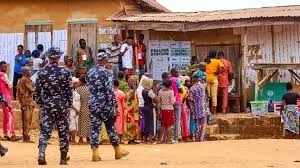
    Residents of Abuja are expected to file out to polling units as the nation’s capital prepares for Area Council elections that will mark the first major test of Nigeria’s newly enacted Electoral Act.

    The elections, scheduled to take place across the six Area Councils of the Federal Capital Territory, will see voters elect chairmen and councillors in a process closely watched by political stakeholders and civil society groups nationwide.

    The polls come days after President Bola Tinubu signed the revised Electoral Act into law, a development that has sparked widespread debate.

    While supporters of the legislation argue that it is designed to strengthen transparency and credibility in elections, critics contend that some provisions remain controversial and could pose implementation challenges.

    Electoral officials say the Abuja polls are expected to provide an early opportunity to assess how the new law performs in practice, particularly in areas such as voter accreditation, result management, and legal compliance.

    Security agencies are expected to be deployed across the capital to ensure a peaceful voting environment, while election observers are anticipated to monitor the exercise for compliance with the new legal framework.

    Political analysts note that the conduct of the Area Council elections could shape public confidence in electoral reforms ahead of future nationwide polls.

    A smooth process may reinforce trust in the new Act, while any operational or legal disputes could intensify calls for further amendments.

    The elections are expected to take place amid heightened public interest, with attention focused not only on local governance outcomes but also on the broader implications for Nigeria’s evolving democratic process.

  • Fear, Anger as Gory Details of Massacre Emerge from Kwokoso Village in Niger State

    Fear, Anger as Gory Details of Massacre Emerge from Kwokoso Village in Niger State

    Gory details are emerging from Kwokoso village in Borgu LGA of Niger State, where a deadly weekend attack left several residents dead and communities accusing leaders of abandoning rural areas to violent criminals.

    The latest violence adds to mounting insecurity concerns across Niger State, as survivors demand urgent security action and accountability from authorities.

    Local accounts describe how armed assailants invaded the village, unleashing terror on unsuspecting residents. Victims were said to have been attacked in their homes and on nearby farmlands, leaving families devastated and forcing many villagers to flee the area for safety.

    Survivors told reporters that the attackers operated for an extended period without any immediate security intervention, heightening fears over the vulnerability of rural communities in the state.

    The scale and brutality of the assault have left Kwokoso largely deserted, with women, children, and the elderly seeking refuge in neighbouring towns.

    The incident has triggered anger and frustration among residents, who accuse political leaders of abandoning remote communities to their fate.

    According to locals, repeated appeals for improved security in the area had yielded little response before the attack occurred.

    “Our people are being killed, yet those in authority appear unbothered,” a resident said, lamenting what he described as official indifference to the plight of rural dwellers.

    As at press time, there was no comprehensive official confirmation of the number of casualties, nor information on arrests linked to the incident.

    Community leaders, however, have called on the Niger State Government and security agencies to launch a thorough investigation, deploy security personnel to the area, and provide relief for displaced residents.

    The killings in Kwokoso add to growing concerns over insecurity in parts of Niger State, where armed attacks on villages have become increasingly frequent.

    Analysts warn that unless urgent and sustained measures are taken, rural populations will continue to bear the brunt of the security crisis.

  • Benue at 50: Ochetoha K’Idoma Salutes Progress, Raises Alarm Over Political Exclusion

    Benue at 50: Ochetoha K’Idoma Salutes Progress, Raises Alarm Over Political Exclusion

    As Benue State marks 50 years since its creation, the apex socio-cultural organisation of the Idoma people worldwide, Ochetoha K’Idoma, joins the Golden Jubilee celebrations with warm congratulations—but also with a firm call for reflection on what it describes as a deep and persistent imbalance in the state’s political life.

    Speaking for the organisation, its President-General, Yakubu Aboki Ochefu, says the anniversary is both symbolic and instructive. While acknowledging the progress recorded over five decades, he argues that the state’s political history reveals a pattern of exclusion that continues to sideline Benue South Senatorial District from the highest levels of power.

    Ochefu recalls that Benue State comes into existence on February 3, 1976, under the military administration of the late Murtala Muhammed, following earlier political arrangements that place Idoma land within the former Northern Region and later Benue-Plateau State. Long before these administrative constructs, he says, the Idoma people occupy the fertile Benue Valley for centuries, sustaining a distinct identity while maintaining a reputation for resilience, hospitality, and peaceful coexistence.

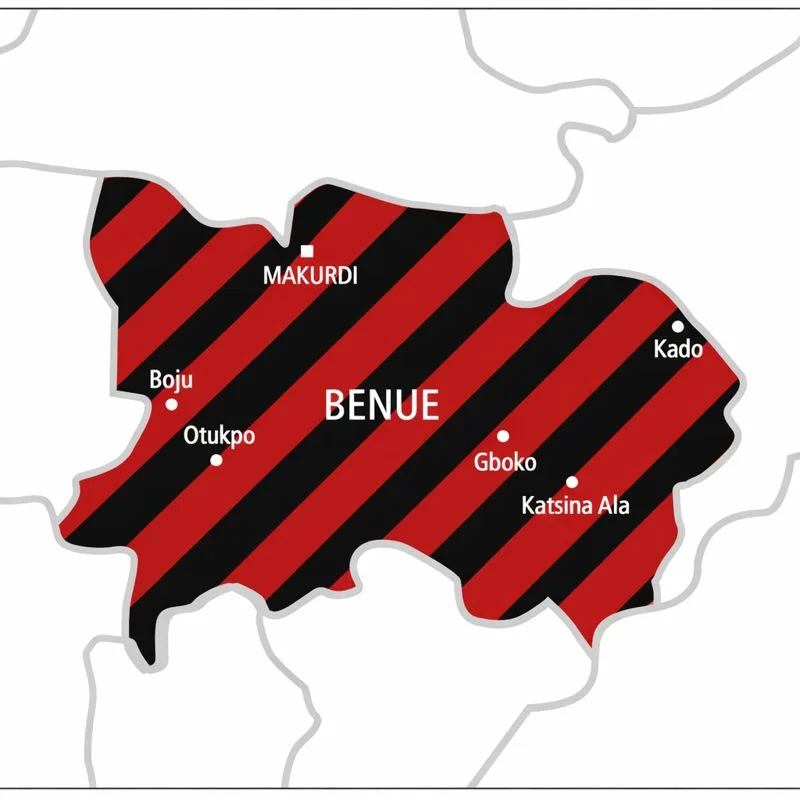
    Map of Benue State @50

    He says the Idoma experience within Nigeria is defined by consistent national service. Despite being a numerical minority, Idoma sons and daughters, according to him, have left enduring footprints across governance, the civil service, the military, academia, culture, sports, and faith. From the early post-independence years to the present, their influence cuts across generations. Ochefu cites Dr. Edwin Ogbu, who becomes the first indigene of Benue State to serve as a Federal Permanent Secretary in 1966, and Abu Obe, who later rises to Head of the Civil Service of the Federation, as early markers of that contribution.

    In legislative politics, he notes that Idoma land produces two Presidents of the Senate—Ameh Ebute and David Mark. Mark’s eight-year tenure, spanning four consecutive terms, remains the longest in Nigeria’s democratic history and, Ochefu says, firmly places the Idoma nation at the centre of national leadership. He also points to the national roles played by Audu Ogbeh, former Minister of Agriculture and ex-national chairman of the Peoples Democratic Party, as well as Senator Abba Moro and the late Professor Jerry Agada, all of whom serve at ministerial level.

    Beyond politics, Ochefu says the Idoma presence remains deeply woven into Nigeria’s security architecture. From participation in the Second World War and the Nigerian Civil War to leadership at the highest levels of the armed forces, Idoma officers continue to play defining roles. He references the late Ebije Ikwe, who serves as Chief of Air Staff between 1967 and 1975, as well as several Idoma military governors who administer states across the federation.

    In education and culture, Ochefu says the Idoma people produce Benue State’s first university graduate as far back as 1954 and go on to contribute professors, vice-chancellors, and national policy thinkers whose work shapes Nigeria’s intellectual and professional landscape. He also highlights the global reach of Idoma creativity, pointing to the late Bongos Ikwue, whose genre-blending sound defines an era, and Afrobeats icon 2Baba, whose music projects Nigerian identity to international audiences.

    Yet, Ochefu says, this long record of contribution stands in stark contrast to the political reality within Benue State itself. In 50 years, he notes, Benue South has never produced a governor or a speaker of the State House of Assembly, has produced only one Chief Judge, and has never produced a Vice-Chancellor of Benue State University. He describes the pattern as structural rather than accidental, warning that prolonged exclusion erodes trust, weakens cohesion, and contradicts the ideals of unity on which the state is built.

    On development, Ochefu acknowledges the presence of key federal institutions in Idoma land, including the Federal University of Health Sciences in Otukpo, but says sustained industrial investment remains largely absent since the administration of former Governor Aper Aku. He argues that without deliberate investment in infrastructure, agriculture, solid minerals, and youth-driven enterprise, the economic potential of Benue South will remain unrealised.

    He also commends Elaigwu Odogbo Obagaji John, the Och’Idoma V and Paramount Ruler of the Idoma Nation, for providing steady leadership and promoting peace and unity across Idoma land amid growing social and security challenges.

    Looking ahead, Ochefu says the next phase of Benue State’s history must be defined by inclusion, balance, and fairness. The aspiration for an Idoma governor, he stresses, should not be framed as a request for concession but recognised as a legitimate democratic expectation in a state that claims unity as a foundational value.

    Only through equity, mutual respect, and intentional inclusion, he concludes, can Benue State fully harness its diversity and build a future that delivers shared prosperity for all its people.

  • Ezhiba Community Laments Neglect, Urges Gov. Sule to Fix Ezhiba/Akpata Road

    Ezhiba Community Laments Neglect, Urges Gov. Sule to Fix Ezhiba/Akpata Road

    Residents of Ezhiba community in Nasarawa State have raised concern over what they describe as years of neglect, appealing to Governor Abdullahi Sule to urgently intervene in the deplorable condition of the over five-kilometre Ezhiba/Akpata road, which they say continues to undermine agriculture, economic activities, and the overall quality of life in the area.

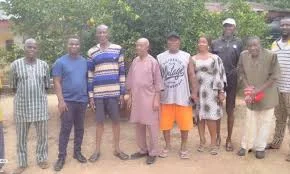
    Their concern was conveyed by the Village Head of Ezhiba, Chief Danlami Umbugadu, when he led members of the community on a courtesy visit to Akun Area Administrative Council, where they met with the council’s Administrator, Garba Adigizi, in Akpata.

    Umbugadu said the deplorable condition of the road has continued to hinder economic growth and agricultural activities in the area, stressing that residents and other road users endure serious hardship daily.

    “This road is in a very bad shape. Our people and other users are suffering while plying it. We are appealing to His Excellency, Governor Abdullahi Sule, to construct this road so as to improve our standard of living,” he said.

    According to the traditional ruler, rehabilitating the Ezhiba/Akpata road would significantly boost agricultural productivity, ease transportation of farm produce, and enhance socio-economic activities within the community and its environs.

    Beyond road infrastructure, Umbugadu also appealed to the state government to consider employing and appointing qualified sons and daughters of Ezhiba into various government positions, noting that greater inclusion would further strengthen development and a sense of belonging among the people.

    He assured the governor and the Akun Area Administrative Council of the community’s continued loyalty and unwavering support for the current administration.

    Other prominent sons of the community who spoke during the visit included Mr. Lami Martina Bako, a former Speaker of Akun Development Area; Mr. Charles Jatau Shari, a retired Director in the State Ministry of Education; and Mr. Umbugadu Angbashim, Chairman of the Ezhiba community. They all reiterated their support for the governor and the council administrator, while calling for sustained government attention to grassroots development.

    Responding, Adigizi thanked the Ezhiba community for the visit and assured them of his commitment to partnering with the people to drive development in the area.

    He further pledged to uphold inclusive leadership that would promote unity, peace, and sustainable growth across communities under the Akun Area Administrative Council.

    The administrator also expressed readiness to initiate people-oriented policies and programmes that would have a direct and positive impact on the lives of residents.

  • Human Capital Development: Ebonyi Sends 47 Scholars to UK on Scholarship

    Human Capital Development: Ebonyi Sends 47 Scholars to UK on Scholarship

    No fewer than 47 beneficiaries on Monday departed Ebonyi State for the United Kingdom under the state government’s overseas scholarship scheme, as Governor Francis Nwifuru reaffirmed his administration’s commitment to human capital development.

    The beneficiaries departed from the Chuba Okadigbo Airport, where the governor described the programme as a strategic investment in the future prosperity of Ebonyi State.

    Speaking during the send-off ceremony, Nwifuru urged the scholars to remain disciplined and serve as worthy ambassadors of the state, noting that their journey symbolised more than international travel.

    “This event is not just about boarding a flight but destiny taking flight.
    This is about hope leaving the shores of Ebonyi to soar into the future,” the governor said.

    He explained that the scholarship scheme ranked among the most financially demanding interventions of his administration, second only to major infrastructure projects. According to him, the programme initially faced stiff opposition due to economic pressures and competing development needs.

    “Several people called for its suspension, arguing that the resources should be channelled towards roads, hospitals and other pressing needs,” Nwifuru said. “However, we would be mortgaging the future of Ebonyi if we fail to invest in the youths.”

    The governor added that the initiative aligned with his administration’s People’s Charter of Needs, which places human capital development at the core of governance.

    “This initiative is deeply personal, as the beneficiaries are being offered opportunities I and many others never had,” he said. “Every fund spent on it is a collective sacrifice of traders, civil servants, artisans and taxpayers, aimed at making the path easier for the next generation.”

    Also speaking, the Chairman of the Ebonyi Scholarship Board, Chief Chaka Nweze, said the selection of beneficiaries was conducted strictly on merit.

    “We concentrated on first-class graduates, but due to prevailing developments, we also considered those with Second Class Upper division (2:1) with a CGPA of 3.0 and above,” Nweze said.

    He disclosed that an additional 43 beneficiaries would depart at a later date, as they were still awaiting visa clearance. He further revealed that all beneficiaries signed a bond committing them to return to Nigeria and serve Ebonyi State for a minimum of five years after their studies.

    According to him, the scholars would be deployed to educational institutions currently being inaugurated across the state, after which they would be free to pursue personal endeavours upon completing their service period.

    The scholarship scheme is part of the Ebonyi State Government’s broader strategy to build a skilled workforce capable of driving sustainable development and long-term growth.

  • Abia Government Rolls Out Civil Service Estate, Boosts City Beautification

    Abia Government Rolls Out Civil Service Estate, Boosts City Beautification

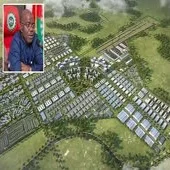
    Umuahia, Abia State – January 20, 2026 – The Abia State Government has announced plans to construct a Civil Service Commission/Pocket Layout Estate in Umuahia, aimed at delivering affordable and quality housing for residents. The announcement was made by Commissioner for Information, Mr. Okey Kanu, following the State Executive Council meeting.

    “The Ministry of Housing will soon commence work on the project, in line with Governor Alex Otti’s vision to improve the welfare of Abia citizens through sustainable housing,” Kanu said.

    The government is also in advanced discussions with private developers under a Public-Private Partnership (PPP) to develop housing estates at Mbaisii and Mgbarakuma, Umuahia. Agreements are near completion to allow construction to begin promptly.

    As part of its Urban Renewal Programme, the state has intensified efforts to beautify the capital, including tree planting, road repairs, installation of signs, and removal of shanties and illegal building projections. Residents and landlords have been given deadlines to comply, with enforcement by the Umuahia Capital Development Authority (UCDA). Landlords are required to carry out routine maintenance or facelifts within four weeks.

    In the health sector, the state has recruited 649 medical personnel, including 432 nurses deployed to primary healthcare centers and a neurosurgeon with a rare specialty. Recruitment will continue until the approved 771 positions are filled.

    On transportation, temporary charging stations have been installed to support the government’s free electric bus services, while two distribution substations at the Umuahia Bus Terminal are 80% completed.

    In the power sector, the Abia State Electricity Regulatory Authority (ASERA) will soon regulate electricity activities, enhancing consumer protection and service delivery following the transfer of regulatory authority from NERC.

    The government also banned illegal commercial vehicle parking and warned defaulters of impoundment.

    The Forum of Academic Doctors recently recognized Governor Alex Otti as the best performing governor in the South-East, citing reforms across housing, health, power, and urban development.

  • FCTA Sweeps 607 Beggars, Mentally Challenged Persons Off Abuja Streets

    FCTA Sweeps 607 Beggars, Mentally Challenged Persons Off Abuja Streets

    The Federal Capital Territory Administration (FCTA) has removed no fewer than 607 beggars and mentally challenged individuals from the streets of Abuja between July 2025 and date, as part of efforts to enhance security and maintain order in the nation’s capital.

    Mrs Ukachi Adebayo, Head of Enforcement at the FCT Social Development Secretariat (SDS), disclosed this in an interview with the News Agency of Nigeria (NAN) on Monday in Abuja.

    Adebayo said the exercise was carried out by the Operation Sweep Abuja team, established to rid the city of criminal elements. She explained that out of the 607 persons evacuated, 583 were beggars, while 23 were mentally challenged individuals.

    According to her, those apprehended were counselled and profiled before being taken to their respective state liaison offices for return to their states of origin, where they are expected to undergo rehabilitation.

    “What we do when we apprehend them is to counsel them in order to properly profile them. After that, we take them to their liaison offices to be returned to their states,” Adebayo said.

    She noted that despite repeated evacuations, many of the individuals often return to the streets of Abuja, attributing the trend to insecurity in some states of origin. She added that the operation would remain ongoing.

    Similarly, the Acting Director of Social Welfare at the SDS, Mrs Gloria Onwuka, said investigations revealed that some children seen begging on the streets were brought in from other states by unidentified individuals who collect the proceeds from them.

    Onwuka disclosed that in many cases, women arrested with children begging were not their biological mothers, describing street begging as a growing business.

    “Begging is now run like a business. People hire children from other states and bring them to Abuja to beg, while the families of the children are often unaware,” she said.

    Also speaking, Dr Peter Olumuji, Secretary of the FCTA Command and Control Centre, said Operation Sweep Abuja is a joint security operation involving relevant security agencies as well as FCT secretariats, departments and agencies.

    He explained that the initiative was instituted by the FCT Minister, Mr Nyesom Wike, to rid Abuja of miscreants, beggars, scavengers and other criminal elements, noting that beggars pose security threats and contribute to the defacing of the city.

    Olumuji added that some beggars serve as informants to criminals, while others become victims of kidnapping and ritual-related crimes.

    He recalled that Wike, in October 2024, declared a war on street begging in Abuja, citing concerns that the city was fast turning into a “beggars’ city.”

    The minister had stressed that the move was aimed at strengthening security and ensuring that residents and visitors could live and move around the capital without fear.

  • Benue Under Siege: Idoma Leaders Demand Military Sweep After Deadly Attack

    Benue Under Siege: Idoma Leaders Demand Military Sweep After Deadly Attack

    Otukpo, Benue State — The apex socio-cultural organisation of the Idoma Nation, Ochetoha K’Idoma, has called for immediate and decisive military action following a deadly attack on Akpa-Otobi community and neighbouring settlements in Otukpo Local Government Area of Benue State.

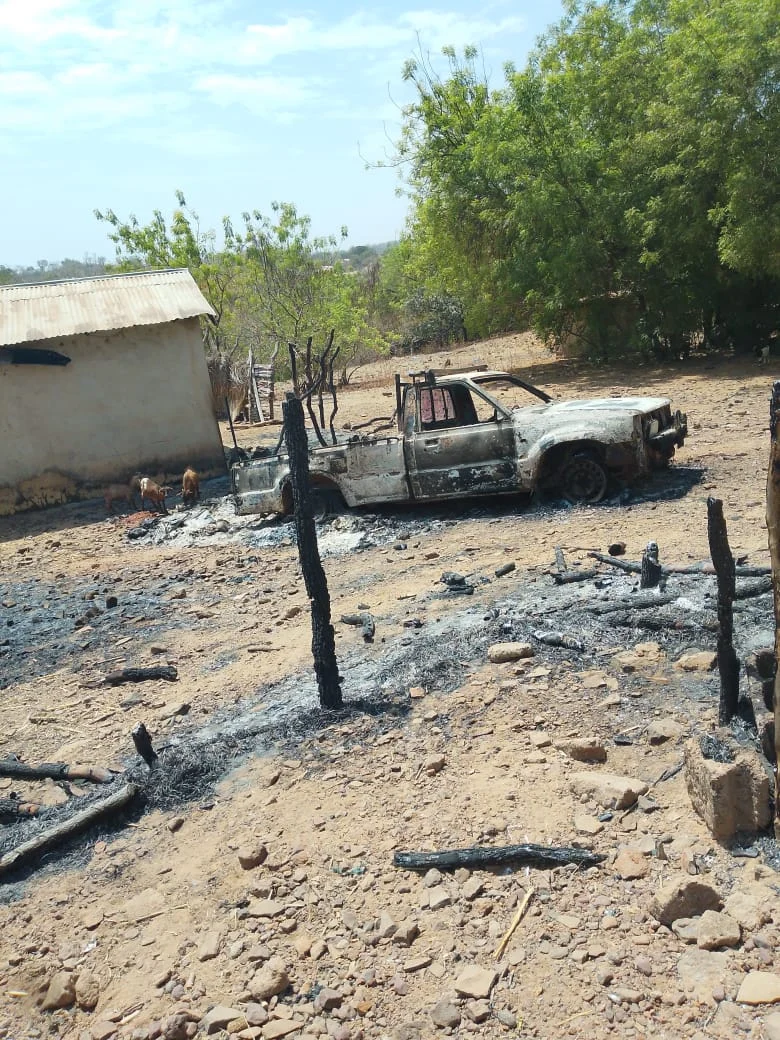
    The attack, which occurred in the early hours of Tuesday, 14 January 2026, left four people dead, including a former Local Government Councillor and a serving member of the Nigerian Armed Forces who was home on leave.

    According to an Emergency Situation Report issued by the Benue State Civil Protection Guards (BSCPG), Benue South Headquarters, suspected armed herdsmen and kidnappers stormed the community and opened fire indiscriminately at a local provision shop.

    Security sources said the attackers were reportedly searching for food and supplies to sustain victims held captive in nearby forests.

    The killings have sparked renewed outrage across Idoma communities, with Ochetoha K’Idoma describing the incident as part of a sustained and coordinated campaign of violence against the people of Benue South.

    In a statement signed by its President-General, Professor Yakubu A. Ochefu, the organisation said the murder of a serving soldier on home soil underscored what it described as a deepening collapse of security and state authority in the area.

    “This is no longer an isolated incident,” the group said, pointing to a similar attack in the same axis last year. According to the statement, repeated assaults have effectively hampered farming and trading activities, leaving rural communities unable to harvest crops or transport goods to markets.

    Ochetoha K’Idoma warned that the violence now amounts to more than random criminality, describing it as an attempt to economically strangulate and forcibly displace Idoma communities from their ancestral lands through fear, hunger, and insecurity.

    While reaffirming its commitment to Nigeria’s unity and constitutional order, the group expressed concern that the state’s inability to protect lives and property was eroding public trust and pushing communities toward desperation.

    The organisation acknowledged the response of security agencies following the latest attack but insisted that reactive deployments were no longer sufficient.

    It called for a comprehensive and proactive security strategy, including immediate aerial and ground operations to flush out criminal elements from surrounding forests.

    Ochetoha K’Idoma specifically identified a security corridor stretching from the abandoned Otobi Irrigation Project through Efu’Ogwanokwu in Ohimini Local Government Area, Otukpo-Nobi, and extending to Raav in Gwer Local Government Area, describing it as a known sanctuary for kidnappers and armed groups.

    The group also demanded the establishment of permanent security outposts at strategic entry and exit points to prevent armed groups from using forested areas as operational bases.

    Despite the rising insecurity, Ochetoha K’Idoma said the Idoma people would not be intimidated or displaced, insisting on justice for the victims and the restoration of peace in the area.

    The organisation said it remained open to constructive engagement with the federal and state governments, as well as security agencies, to achieve lasting security and stability in Benue South.