


Category: National

  • Youth Without Opportunity Is a Threat, Shettima Warns Nigeria

    Youth Without Opportunity Is a Threat, Shettima Warns Nigeria

    Nigeria’s Vice President, Kashim Shettima, has warned that the country’s status as one of the youngest nations in the world could become meaningless without deliberate institutional investment to harness its demographic potential.

    Speaking on Monday in Abuja at the Abuja Dialogue 2026, Shettima stressed that Nigeria’s youthful population should no longer be treated as a mere talking point but as a strategic national reality requiring urgent policy attention. The event was organised by the Office of the Vice President in collaboration with the Lateef Jakande Leadership Academy.

    According to him, the country’s growing youth population risks turning into a liability if investments in education, skills acquisition, and economic opportunities are not prioritised.

    “We are one of the youngest nations on earth. That fact should not be treated as a line for conferences or a statistic for brochures. It is a national condition with profound consequences,” Shettima said.

    Call for Structured Youth Leadership Development

    The Vice President emphasised that Nigeria’s future would depend not only on natural resources or government ambitions, but on the strength of systems designed to ensure leadership continuity.

    He advocated a deliberate and forward-looking framework for youth leadership development, noting that leadership must be cultivated through structured pathways rather than left to chance.

    Shettima explained that youth leadership should not be seen as a ceremonial transition based on age, but as a continuous process of preparing and integrating young people into governance and nation-building institutions.

    Sanwo-Olu Highlights Role of Leadership Academy

    Also speaking at the event, Lagos State Governor, Babajide Sanwo-Olu, described the dialogue as a strong signal of the federal government’s commitment to youth leadership development.

    He noted that the Lateef Jakande Leadership Academy serves as a talent incubator, providing young Nigerians with practical exposure to public sector governance.

    Sanwo-Olu called for stronger policy frameworks, adequate funding, and political will to transform youth-focused initiatives into sustainable institutions.

    Federal Government Reaffirms Commitment to Youth Empowerment

    Other government officials echoed the importance of investing in youth development.

    Deputy Chief of Staff to the President, Ibrahim Hadejia, described youth leadership as critical infrastructure that determines the strength of national institutions.

    Minister of Youth Development, Ayodele Olawande, said Nigerian youths are ready to contribute meaningfully to national progress. He added that President Bola Tinubu remains committed to creating enabling platforms for young people to thrive.

    Youth at the Centre of National Development

    Executive Secretary of the academy, Ayisat Agbaje-Okunade, said the collaboration between the federal and Lagos State governments reflects a growing recognition of youth as central to national development.

    She noted that the Abuja Dialogue provides an opportunity to build consensus, align institutions, and reposition youth leadership from the margins to the core of policy and governance.

    A Critical Moment for Nigeria’s Future

    The Abuja Dialogue 2026 comes at a time when governments globally are grappling with rapid technological, economic, and social changes.

    For Nigeria, Shettima’s message underscores a pressing reality: without intentional investment and structured planning, the country’s demographic advantage could become a burden rather than a catalyst for growth.

  • Tinubu’s Türkiye Visit: Diplomatic Ambitions Meet Domestic Scrutiny

    Tinubu’s Türkiye Visit: Diplomatic Ambitions Meet Domestic Scrutiny

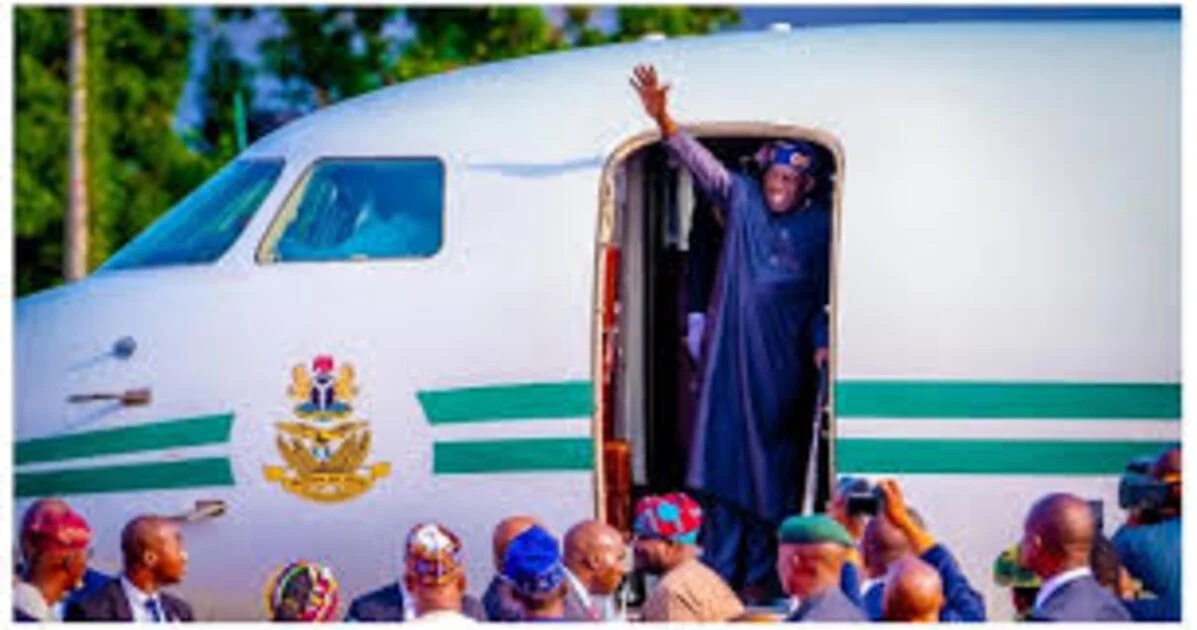
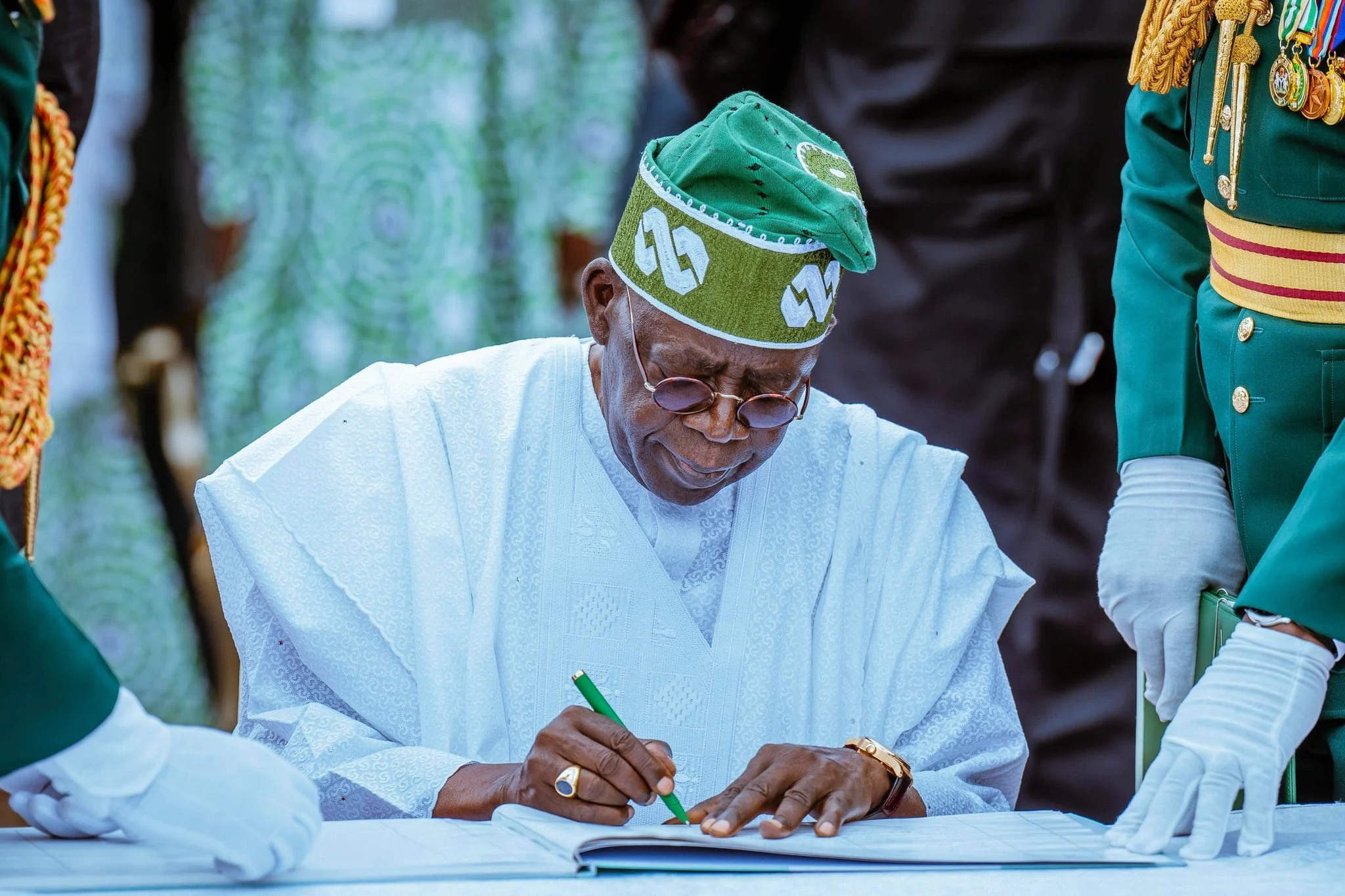
    Abuja — President Bola Ahmed Tinubu returned to Abuja late Saturday night from a State Visit to the Republic of Türkiye that was officially billed as a diplomatic success but unfolded into a far more complicated political moment at home.

    The visit, which culminated in the signing of nine bilateral agreements with Türkiye, was intended to signal Nigeria’s renewed international engagement and strategic outreach under Tinubu’s administration. Instead, it has opened a broader conversation, one that blends diplomacy with domestic unease, policy ambition with public scepticism, and substance with symbolism.

    At the formal level, the trip delivered what governments typically seek from state visits. Tinubu held high-level talks with Turkish President Recep Tayyip Erdoğan, and both leaders reaffirmed their commitment to deeper cooperation in defence, energy, security, research, and trade. Officials described the agreements as instruments for investment growth, security collaboration, and long-term institutional partnerships.

    Yet even as handshakes were exchanged and documents signed, questions began to surface. Beyond general statements, the Nigerian government offered little detail on the specific terms of the agreements, how they will be financed, who bears what obligations, and when tangible outcomes can be expected. In a country shaped by past experiences of ambitious memoranda that never matured into real projects, the lack of clarity quickly became a source of concern.

    Security cooperation, in particular, attracted close scrutiny. Nigeria’s prolonged struggle with insurgency, banditry, and violent crime has made foreign defence partnerships politically sensitive. While Türkiye’s growing defence industry positions it as an attractive partner, many analysts argue that past international security arrangements have failed to deliver decisive results. Without clear safeguards, performance benchmarks, and legislative oversight, sceptics fear history could repeat itself.

    The economic promises attached to the visit were also met with caution. Nigeria–Türkiye trade remains modest when measured against Nigeria’s engagements with other global partners. Economists and policy watchers argue that unless the agreements contain enforceable provisions for local content, technology transfer, and job creation, their impact may be limited—especially at a time when Nigerians are under intense economic pressure.

    But perhaps the most politically charged dimension of the visit emerged not from policy documents, but from images.

    Photos and videos from official ceremonies in Türkiye circulated rapidly across social media and opposition platforms. In several of them, the President appeared subdued during extended protocol events, prompting sharp commentary and, in some quarters, unflattering interpretations. Supporters dismissed the reaction as exaggerated and partisan, arguing that long ceremonial routines often produce awkward still images. Critics, however, seized on the visuals as emblematic of broader concerns about leadership optics and preparedness.

    In modern politics, such moments rarely remain superficial. Analysts note that in an age of instant digital circulation, images can define narratives more powerfully than communiqués. For an administration seeking to project confidence, strength, and momentum on the global stage, the visual language of a state visit matters almost as much as its diplomatic content. In this case, the imagery shifted attention away from signed agreements and toward questions of presentation and perception.

    The timing of the visit further complicated its reception. As Nigerians confront inflation, currency volatility, and rising living costs, foreign travel by political leaders is increasingly judged through a domestic lens. Supporters argue that diplomacy is essential for long-term recovery and international credibility. Critics counter that such engagements must produce visible, near-term benefits to justify their political cost.

    By the time Tinubu’s aircraft touched down at the Presidential Wing of the Nnamdi Azikiwe International Airport, the Türkiye visit had become more than a foreign policy exercise. It had evolved into a mirror reflecting Nigeria’s anxieties about governance, communication, and results.

    Ultimately, the political meaning of the trip will not be determined in Ankara or Abuja’s VIP lounges, but in the months ahead. If the agreements translate into real investment, improved security capacity, and measurable economic gains, the doubts may fade. If they do not, the visit risks being remembered less for what was signed and more for the questions it raised.

    For President Tinubu, the Türkiye trip stands as a reminder that in contemporary politics, diplomacy is judged not only by documents and declarations, but by delivery, and by the images that linger long after the ceremonies end.hat in contemporary politics, diplomacy is judged not only by documents and declarations, but by delivery—and by the images that linger long after the ceremonies end.ical sessions that led to the finalisation of the agreements.

  • Reps Minority Alleges Illegal Tampering with Nigeria’s Tax Laws

    Reps Minority Alleges Illegal Tampering with Nigeria’s Tax Laws

    Lawmakers say gazetted versions differ from Acts passed by parliament, accuse executive of undermining legislative authority

    The minority caucus of the House of Representatives has alleged that Nigeria’s newly enacted tax reform laws were illegally altered after passage, triggering a fresh controversy over the integrity of the country’s legislative process and the separation of powers.

    The allegation was contained in a statement issued on Friday by Afam Ogene, chairman of a seven-member committee set up by the caucus to investigate discrepancies between the laws passed by the National Assembly and the versions later published in the official gazette.

    According to Ogene, the committee’s preliminary findings reveal that multiple versions of the tax laws are currently in circulation, with significant differences between the Certified True Copies (CTCs) released by the House of Representatives and the gazetted copies made available to the public.

    Background to the controversy

    The issue first came to public attention on December 17, when Abdussamad Dasuki, a member of the House, alleged that key provisions of the tax laws had been altered after they were passed by parliament. The claim sparked widespread public outrage, with some Nigerians calling for the suspension of the implementation of the laws pending clarification.

    A day earlier, on December 16, the leadership of the Senate and the House of Representatives had directed Kamoru Ogunlana, clerk of the National Assembly, to work with relevant executive agencies to re-gazette the tax laws, a move critics interpreted as an implicit admission that the original gazetted versions were flawed.

    The laws in question are:

    • the Nigeria Tax Act, 2025
    • the Nigeria Tax Administration Act (NTAA), 2025
    • the Joint Revenue Board of Nigeria (Establishment) Act, 2025
    • the Nigeria Revenue Service (Establishment) Act, 2025

    On January 3, the House of Representatives released the gazetted copies of the laws for public scrutiny.

    ‘Clear indication of procedural anomalies’

    Ogene said the directive by the leadership of both chambers to “take steps to align” the Acts passed by parliament with the versions printed by the Federal Government Printing Press was a clear indication that serious procedural anomalies had occurred.

    “This action illegally encroached on the core mandate of the National Assembly,” he said.

    He disclosed that Kingsley Chinda, the minority leader of the House, constituted the investigative committee on January 2 to thoroughly examine what he described as a “legislative scandal.”

    Members of the committee were drawn from the six geopolitical zones and include Aliyu Garu (Bauchi), Stanley Adedeji (Oyo), Ibe Osonwa (Abia), Marie Ebikake (Bayelsa), Shehu Fagge (Kano), and Gaza Jonathan (Nasarawa).

    Multiple discrepancies uncovered

    Ogene said the committee’s review showed that the Nigeria Tax Administration Act, 2025, was the most affected, with three different versions of the document discovered.

    Among the major discrepancies highlighted:

    Lowered tax compliance thresholds
    Under section 29(1), the version certified by the National Assembly fixed the tax compliance reporting threshold at ₦50 million for individuals and ₦100 million for companies. However, the gazetted version reportedly reduced the threshold for individuals to ₦25 million and altered the figure for companies.

    “This is a clear case of the executive undermining legislative powers by illegally altering an already passed law to drag more taxpayers into the net,” Ogene said.

    New appeal conditions inserted
    In section 41, the gazetted copy allegedly introduced new subsections 41(8) and 41(9), compelling taxpayers to deposit 20 percent of the disputed tax amount before appealing decisions of the Tax Appeal Tribunal to the High Court. Ogene said these provisions were never passed by the National Assembly.

    Expanded enforcement powers
    The committee also alleged that section 64 of the gazetted law illegally expanded the powers of tax authorities to include arresting suspected tax offenders through law enforcement agencies and selling seized assets without a court order.

    Altered definition of federal taxes
    Ogene said section 3(1)(b) of the House-certified version defined federal taxes to include income tax, petroleum income tax, stamp duties, and VAT. The gazetted copy, however, reportedly removed petroleum income tax and VAT from the list of taxes administered by the federal government.

    Dollar-denominated petroleum tax computation
    Another contentious change was found in section 39(3), where the gazetted version mandated that tax computations for petroleum operations be carried out in US dollars, contrary to the version passed by parliament, which provided for calculations in the currency of the transaction.

    Oversight provisions removed

    The committee further alleged that the National Revenue Service (Establishment) Act, 2025, was altered to weaken legislative oversight.

    According to Ogene, sections 30(1)(d) and 30(3) of the version passed by the National Assembly empowered lawmakers to summon officials, demand reports, and enforce accountability. These provisions, including requirements for quarterly and annual reports to parliament, were allegedly deleted in the gazetted version.

    He described the deletions as a blatant disregard for the National Assembly and the constitutional doctrine of checks and balances.

    Call for deeper investigation

    “Given the anomalies, illegalities, and impunity observed, which clearly undermine the National Assembly’s constitutional powers and democracy, the committee finds the current evidence sufficient to warrant a deeper investigation,” Ogene said.

    He added that the committee has formally requested an extension of time to conduct a more thorough examination and ensure accountability for what it described as an affront against the legislature.

    As the controversy deepens, the allegations raise serious questions about who altered the laws, how the changes were made, and whether the implementation of the tax reforms can proceed without further legal and political fallout.

  • Tinubu Constitutes Boards of NADF, Bank of Agriculture, and UBEC

    Tinubu Constitutes Boards of NADF, Bank of Agriculture, and UBEC

    President Bola Ahmed Tinubu has approved the constitution of the governing boards of the National Agricultural Development Fund (NADF), the Bank of Agriculture (BOA), and the Universal Basic Education Commission (UBEC).


    The announcement was contained in a statement by Bayo Onanuga, Special Adviser to the President on Information and Strategy.


    At the UBEC, Senator Umaru Tanko Al-Makura, earlier appointed in July, will continue to serve as chairman of the board.

    Other members include Uchendu Ikechi Mbaegbulem (South East), Gift Ngo (South South), Mrs. Ibiwunmi Akinnola (South West), Dr. Meiro Mandara (North East), Dr. Abdu Imam Saulawa (North West), and Professor Paul Ibukun-Olu Bolorunduro (North Central).Each member will serve a four-year term in the first instance.


    For the Bank of Agriculture (BOA), President Tinubu confirmed the appointments of Muhammad Babangida as chairman and Ayo Sotinrin as managing director.

    He also approved the appointments of three executive directors and five non-executive directors representing Nigeria’s six geo-political zones.


    The executive directors are:
    • Fatima Garba (Sokoto) — Executive Director, Corporate Services
    • Ka’amuna Ibrahim Khadi (Borno) — Executive Director, Risk Management and Strategy
    • Hakeem Oluwatosin Salami (Kwara) — Executive Director, Operations


    The non-executive directors include Aminu Malami Mohammed (North East), Charles Amuchienwa (South East), Oladejo Odunuga (South West), Rabiu Idris Funtua (North West), and Kochi Donald Iorgyer (North Central).


    In the National Agricultural Development Fund (NADF), the President reaffirmed the appointment of Muhammad Abu Ibrahim as Executive Secretary and CEO, while constituting a new board to support the agency’s mission of expanding access to affordable agricultural finance.


    Mallam Bello Maccido, pioneer chairman of FBNQuest Merchant Bank Limited and a veteran of over 30 years in financial services, will chair the NADF board, representing the North West.


    Other members include:
    • Dr. Nelson Henry Essien (Akwa Ibom, South South)
    • Amina Ahmed Habib (Jigawa, North West)
    • Engr. Akinyinka Olufela Akinnola (Ondo, South West)
    • Hassan Tanimu Musa Usman (Borno, North East)
    • Lufer Samson Orkar (Benue, North Central)
    • Felix Achibiri (Imo, South East).


    Achibiri is the Group Director of Genesis Energy Holdings and Chairman/CEO of DFC Holdings Limited.


    The new boards are expected to strengthen institutional performance, deepen accountability, and enhance national development outcomes in education, agriculture, and rural financing.

  • Governors’ Forum Launches Women Affairs Network to Boost Gender Equity

    Governors’ Forum Launches Women Affairs Network to Boost Gender Equity

    :


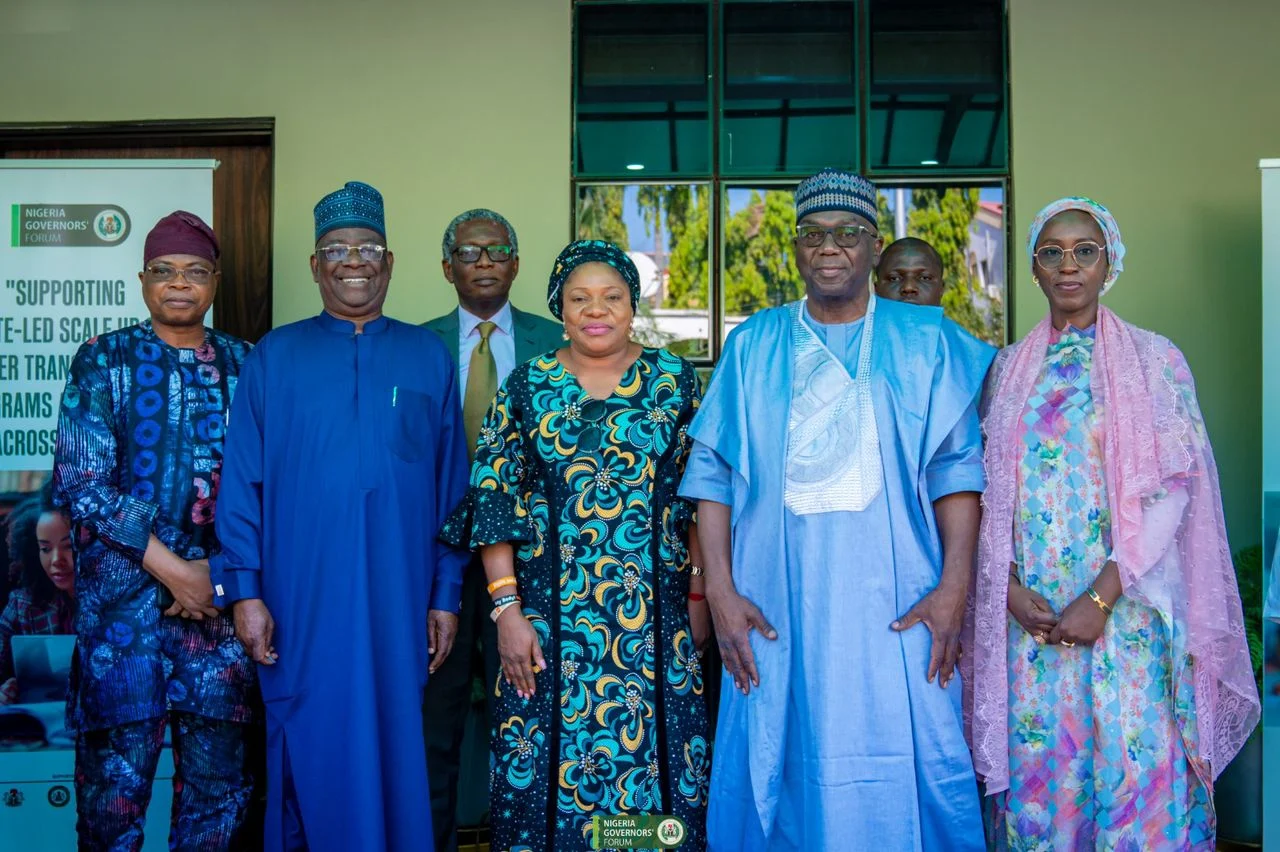
    Abuja — The Nigeria Governors’ Forum (NGF) has inaugurated the first Community of Practice (COP) for Commissioners of Women Affairs, marking a significant step toward advancing gender equality.

    In a statement by Yunusa Tanko Abdullahi
    Director, Media & Strategic Communications, the the programme is also targeted at women’s empowerment, and inclusive governance across the country.

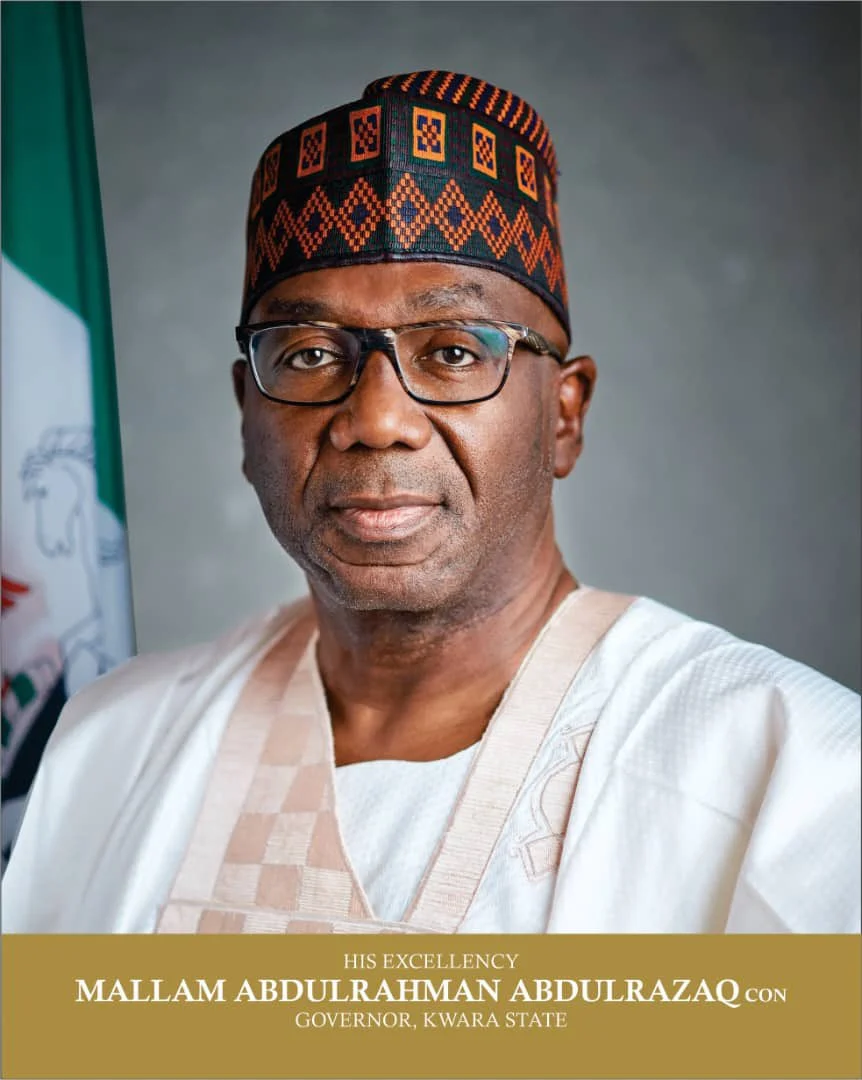
    NGF Chairman and Governor of Kwara State, AbdulRahman AbdulRazaq, described the initiative as “a turning point in Nigeria’s commitment to women and girls.”

    “Our collective efforts have brought together dedication, resources, and strategic initiatives to make gender inclusion an essential part of governance and development at all levels,” AbdulRazaq said.

    He announced the creation of a Gender Affairs Department at the NGF Secretariat and unveiled the Gender Equality and Women’s Economic Empowerment Strategic Plan (2025–2029), aligned with the National Gender Policy and the Sustainable Development Goals (SDGs).

    AbdulRazaq also said the Nigeria for Women Programme, initially piloted in six states, has expanded to 31 states, with Kaduna, Kwara, and Lagos leading in the adoption of the Women’s Economic Empowerment Policy.

    “This Community of Practice will empower commissioners, gender advocates, and technical experts to collaborate, share best practices, and drive action on economic inclusion, political participation, and protection from gender-based violence,” he added.


    Forum Reaffirms Commitment to Women’s Inclusion

    Declaring the platform open, NGF Director General, Dr. Abdulateef Shittu, said gender equity remains a core driver of development and inclusive governance.

    “Collaboration, not isolation, is the gateway to real progress. States are doing incredible work, but exchanging lessons, aligning strategies, and building a unified voice will accelerate the impact across the country,” Shittu said.

    He noted that the COP would promote shared learning, accountability, and long-term coordination among states. Shittu also commended the Bill & Melinda Gates Foundation and other partners for supporting the Forum’s vision.


    Commissioners Pledge Joint Action

    Dean of Commissioners of Women Affairs and Commissioner for Cross River State, Hon. Edema Irom, described the inauguration as “historic and timely.”

    She said the commissioners would focus on five key priorities: full domestication of the National Women’s Economic Empowerment Policy, stronger coordination with national and development partners, increased representation of women in leadership, expansion of the Nigeria for Women Project, and peer learning through the COP.

    “Progress for women and girls is inseparable from the nation’s growth. The commitments made today represent a strong start toward a more inclusive future where women’s participation and potential are fully recognized,” she said.


    NGF Outlines Gender Affairs Vision

    NGF Director of Gender Affairs, Barrister Hauwa Haliru, said the COP would enhance collaboration and policy coherence across all states.

    She said the platform would facilitate the exchange of best practices, promote stakeholder engagement, organize training sessions, and develop joint monitoring frameworks for gender policies.

    “The COP connects commissioners, leverages shared expertise, and amplifies collective influence for measurable gender outcomes,” Haliru said.

    She added that quarterly review meetings, state mentoring, and rapid response task teams will help commissioners address policy and operational challenges promptly.


    • FIDA Urges Reserved Seats for Women in Legislature — The International Federation of Women Lawyers says underrepresentation of women weakens Nigeria’s governance structure.
    • Shettima Reaffirms APC’s Inclusivity Drive — Vice President Kashim Shettima says inclusivity and competence remain key pillars of President Tinubu’s leadership.
    • Africa Trade Forum Calls for Gender-Sensitive Economic Reforms — Experts at the C-PACT Conference urge policymakers to design trade policies that empower women and bridge gender gaps in African markets.


  • Change of Baton at NPC as Aminu Yusuf replaces Kwarra

    Change of Baton at NPC as Aminu Yusuf replaces Kwarra

    The National Population Commission (NPC) has announced a leadership change as Muhammad Usman Dattijo takes over from Nasir Isa Kwarra as the acting Executive Chairman pending when Aminu Yusuf shall assume duties as the substantive head.

    In a statement issued by Mrs. Samiat Olabimpe Lawal, Director of Public Affairs, following the conclusion of his tenure on October 28, 2025, the Federal Commissioner representing Niger State, Hon. Muhammad Usman Dattijo, has assumed office as Acting Chairman of the National Population Commission.

    Mr. Dattijo will oversee the affairs of the Commission pending the formal swearing-in of Hon. Aminu Yusuf (Talban Wushishi), who has been appointed by President Bola Ahmed Tinubu, GCFR, as the substantive Chairman of the Commission.

    In the statement, Mrs. Lawal reaffirmed the commission’s commitment to ensuring a smooth leadership transition and sustaining ongoing digital reforms aimed at strengthening Nigeria’s demographic management system.

    The outgoing Chairman was appointed in October 2020 by former President Muhammadu Buhari, and his term was attributed with institutional renewal and technological transformation.

    It was also stated that his tenure was identified by professionalism, strategic focus, and a clear vision that repositioned the Commission as a data-driven institution committed to evidence-based national planning.

    Precisely, the NPC was reported to have made some strides in the areas of census preparedness, digital mapping, and geo-spatial innovation.

    According to the statement, these strides laid the groundwork for Nigeria’s first-ever Digital Population and Housing Census.

    Also attributed to Hon Kwarra’s time in office were the implementation of the Electronic Civil Registration and Vital Statistics (e-CRVS) system and the National Geo-Referenced Infrastructure Geo-Spatial Data Repository, which collectively modernized Nigeria’s demographic data architecture and enhanced data-driven decision-making at all levels of governance.

    Hon. Kwarra also strengthened inter-agency coordination and cultivated partnerships with key international development organizations, including the United Nations Population Fund (UNFPA), World Bank, United Nations Children’s Fund (UNICEF), and the United Nations Economic Commission for Africa (UNECA).

    The NPC, during his term equally prioritized staff welfare, capacity development, and institutional accountability, promoting a culture of innovation, professionalism, and service excellence within the Commission.

    The appointment of Hon. Aminu Yusuf as Chairman of the Commission, it was stated has been confirmed by the Senate, and his assumption of duty will commence officially upon his inauguration by the President.

  • Curtain falls on Prof Yakubu’s controversial reign at INEC

    Curtain falls on Prof Yakubu’s controversial reign at INEC

    • Professor Mahmood Yakubu has officially stepped aside as Chairman of the Independent National Electoral Commission (INEC).
    • Mrs May Agbamuche-Mbu, INEC National Commissioner, has taken over the reins as Acting Chairman of the electoral body.

    The formal handover ceremony took place on Tuesday at the INEC headquarters in Abuja during a meeting with Resident Electoral Commissioners (RECs).

    The transition follows Professor Yakubu’s decision to proceed on terminal leave after completing his two-term tenure as head of the Commission.

    Mrs. Agbamuche-Mbu, one of INEC’s longest-serving National Commissioners, currently chairs the Legal Services, Clearance, and Complaints Committee (LSCCC).

    A lawyer with over three decades of experience, she holds a Master of Laws (LL.M) degree in Commercial and Corporate Law from Queen Mary and Westfield College, University of London.

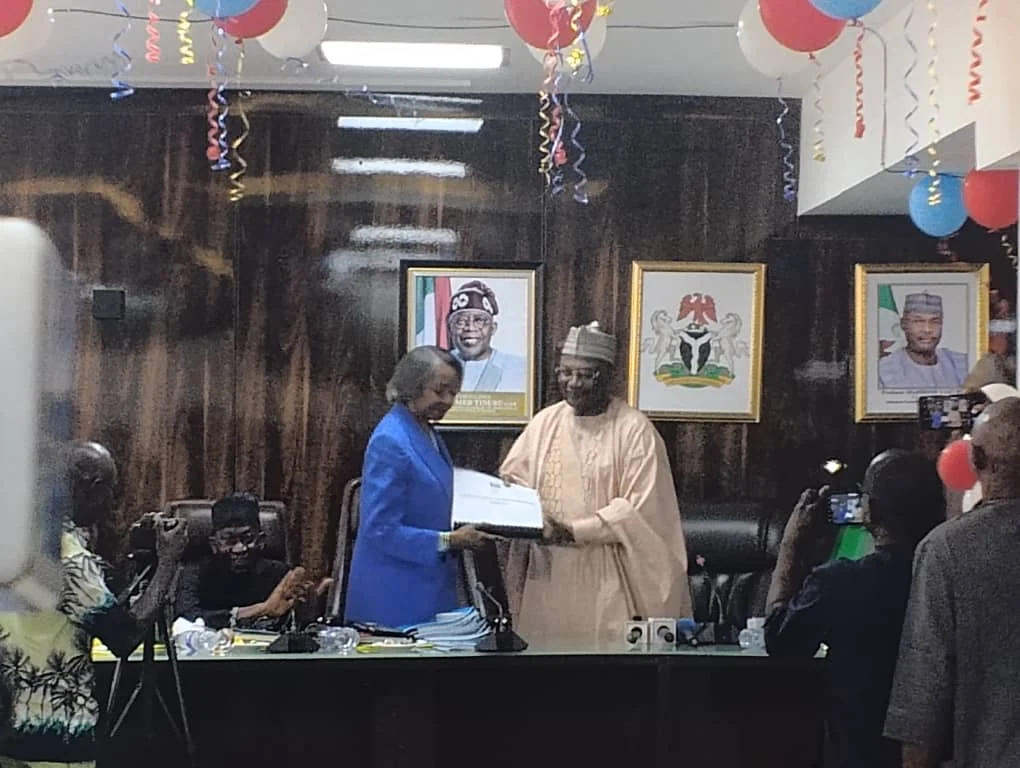
    In a brief ceremony, Professor Yakubu formally handed over documents to Mrs. Agbamuche-Mbu, signifying the official transfer of leadership.

    INEC, in a statement, said the handover was part of its tradition of ensuring administrative continuity and institutional stability.

    Professor Yakubu, who was first appointed by former President Muhammadu Buhari in November 2015 and reappointed for a second term in 2020, is the longest-serving INEC Chairman since Nigeria’s return to democratic rule.

    His tenure witnessed landmark electoral innovations, including the introduction of the Bimodal Voter Accreditation System (BVAS) and the INEC Result Viewing (IReV) portal — two reforms widely credited with improving transparency and credibility in Nigeria’s electoral process.

    Critics observe however, that while the huge investment in technology aided the voting process, the outcome of elections remained quite controversial due to the failure of the electoral body to deploy for the outcome.

    The smooth transition comes as the Commission continues with ongoing voter registration exercises in the Federal Capital Territory (FCT) and prepares for off-cycle governorship elections in key states.

    Meanwhile, credible reports suggest that President Bola Ahmed Tinubu is set to nominate Professor Joash Amupitan (SAN) as the substantive INEC Chairman.

    The nomination, according to sources, may be ratified at a scheduled Council of State meeting on Thursday.

    Until then, Mrs. Agbamuche-Mbu will oversee the affairs of the Commission in an acting capacity, ensuring that ongoing electoral operations remain uninterrupted.

    Her appointment is seen as a continuation of INEC’s commitment to professionalism, gender inclusion, and effective succession planning.

    Further details about the handover and the anticipated presidential nomination are expected in the coming days.

  • Tinubu jets out of Abuja again

    Tinubu jets out of Abuja again

    President Bola Tinubu arrived in Lagos on Friday for a working visit, as Nigeria prepares for a low-key  65th Independence Anniversary.

    ‎This is contained in a statement issued by Presidential Spokesperson, Mr Bayo Onanuga on Friday in Abuja.


    ‎Tinubu travelled to Lagos after attending the coronation of the new Olubadan of Ibadanland, Oba Rashidi Ladoja, in Oyo

    State.


    ‎While in Lagos, the President is expected to engage with key private sector leaders and senior government officials.

    ‎He will travel to Imo on Tuesday to inaugurate projects executed by Gov. Hope Uzodimma.

    ‎As part of the Independence anniversary, the President will also commission the remodelled National Theatre, Lagos, which has been renamed the Wole Soyinka Centre for Culture and the Creative Arts.

  • Experts decry global inequality, urge Nigeria to embrace China’s GGI

    Experts decry global inequality, urge Nigeria to embrace China’s GGI

    Flustered by the illusion that the solution to Nigeria’s governance challenge lies in foreign ideologies, a group has recommended the adoption of Chinese Global Governance Initiative (GGI) to foster inclusive development.

    The group says they are however, bothered by existing inequality in the contemporary global system and the impunity of major powers.

    It therefore, urged Nigeria to instead embrace China’s Global Governance Initiative as a panacea.

    The group is operating under the aegis of International Relations Experts, and made the call during a one-day seminar on the GGI with the theme: “Opportunities for China-Africa Cooperation under the GGI,” on Thursday in Abuja.

    The GGI is China’s framework designed to promote fairness, equity and inclusive development globally.

    Mr Charles Onunaiju, Director of the Centre for China Studies, described the GGI as a timely response to “the obvious deficit in global governance,” particularly the exclusion of voices from the Global South in decision-making.

    He warned that outcomes in the global system would remain “paralysed without the wisdom and input of the majority world.”

    “China has taken a bold step to bridge this lacuna with the Global Governance Initiative,” Onunaiju said.

    “It is not just a slogan but an idea whose time has come. Nigeria must not stay on the sidelines.”

    He also proposed the establishment of a Nigeria-China joint committee on the GGI to design action plans, exchange expertise, and strengthen cooperation.

    Prof. Sheriff Ibrahim, Director of the Centre for Contemporary China-Africa Research, criticised global institutions for favouring “a handful of dominant powers at the expense of billions of others.”

    He emphasised that exclusion begins at the UN Security Council, where only five nations hold permanent seats.

    “There is a need to involve every continent, every region as a permanent member,” Ibrahim said.

    “The impunity of powerful nations in breaching UN resolutions without consequence has eroded trust in international law.

    Reform is not optional, it is urgent.”

    He also called for reforms in the International Monetary Fund and the G20 to reflect the realities of developing nations.

    “What happens to Africa, the Pacific, Latin America or the Caribbean? Why is the Chinese yuan sidelined?

    “Let there be inclusion in the international monetary establishment,” he added.

    Ambition and Opportunity

    Dr. Sam Amadi, Director of the Abuja School of Social and Political Thoughts, described China’s proposals as both “ambition and opportunity.”

    “China seeks a fairer world order.

    “Nigeria must position itself strategically to benefit from this shift,” Amadi said.

    He added that Nigeria’s key lesson from China was the importance of adaptive reforms.

    “China did not copy models blindly. Under Deng Xiaoping, it adapted reforms to its own reality.

    “Nigeria must do the same industrialise, stabilise politically, and then leverage initiatives like the GGI.

    “We cannot remain weak domestically and expect to benefit globally,” he stressed.

    Level playing field

    Dr Muhammad Sani of the Department of Mass Communication, Baze University, noted that the GGI speaks directly to Nigeria’s push for fairness and inclusive development.

    “It levels the playing field for developing nations and restores justice in global decision-making,” he said.

    According to him, Nigeria’s BRICS membership, peacekeeping record, and advocacy for UN reform already align with GGI principles.

    “With GGI frameworks, Nigeria can diversify trade, expand renewable energy, and build digital innovation hubs.

    “But rhetoric must give way to action. Priority should be renewable grids, green jobs and digital skills for youth,” Sani added.

    Shared future

    Also speaking, Chinese Embassy Counselor, Dong Hairong, said the GGI was one of four initiatives proposed by President Xi Jinping to advance “a community with a shared future.”

    Dong explained that the five guiding principles of the GGI: sovereign equality, rule of law, multilateralism, people-centred development and real action had already gained wide recognition.

    “Nigeria particularly welcomes them as aligned with Africa’s Agenda 2063 and its own national development aspirations,” she said.

    She reiterated China’s readiness to work with Nigeria and Africa to reform global institutions, address under-representation of the South, and promote consensus on climate, trade, cyberspace and innovation.

    “China is ready to cooperate under the GGI to build a just global order,” Dong said.