Tag: Apapa Port

  • NPA: Arrival of 33 Ships at Lagos Ports Expected to Ease Fuel, Food Supply Pressures

    NPA: Arrival of 33 Ships at Lagos Ports Expected to Ease Fuel, Food Supply Pressures

    The Nigerian Ports Authority (NPA) has announced the expected arrival of 33 vessels carrying petroleum products, food items and other cargoes at major Lagos ports, a development analysts say could help ease supply shortages and moderate inflationary pressures in the country.

    According to the Authority’s Daily Shipping Position released on Monday, the vessels are scheduled to arrive between February 22 and February 27 at the Apapa Port, Tin Can Island Port, and the Lekki Deep Sea Port.

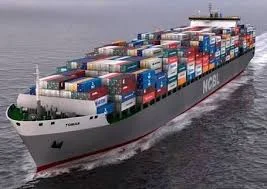
    The NPA disclosed that 17 of the incoming ships are container vessels transporting assorted goods, while the remaining 16 ships will berth with bulk gas, diplomatic cargo, bulk urea, empty containers, crude oil, bulk clinker and blended stock.

    The mix of cargoes highlights the role of Lagos ports as a critical gateway for consumer goods, industrial inputs and energy products.

    The Authority also revealed that seven ships and tanker vessels have already arrived at the ports and are currently waiting to berth with aviation fuel, petrol, containerised goods and general cargo, while 17 vessels are actively discharging bulk wheat, soya beans oil, general cargo, bulk sugar, bulk urea, trucks, fresh fish and containers of various goods.

    Economic and Inflation Implications

    Economists say the steady inflow of vessels laden with petroleum products could help stabilise domestic fuel supply, particularly for aviation fuel and petrol, at a time when energy costs remain a major driver of inflation in Nigeria. Improved fuel availability is expected to reduce logistics and transportation costs, which often cascade into higher prices for goods and services.

    Similarly, the discharge of food-related cargoes such as wheat, sugar, soya beans oil and fresh fish is seen as critical to easing pressure on food prices, which account for a significant portion of Nigeria’s inflation basket. Adequate supply of these commodities supports food processors, bakeries and retailers, potentially slowing the pace of price increases if distribution bottlenecks are minimised.

    The arrival of bulk urea and clinker is also expected to support the agricultural and construction sectors. Urea availability is vital for fertiliser production and farm output, while clinker imports are essential for cement manufacturing. Improved access to these inputs could help contain production costs in both sectors, with positive spillover effects on food prices and housing costs.

    Industry analysts note that while vessel arrivals alone do not automatically translate into lower prices, efficient port operations, timely cargo evacuation and improved inland transportation are key factors that will determine the overall economic impact. Delays, congestion or high logistics costs could offset the potential benefits of increased cargo inflow.

    The NPA reiterated its commitment to improving operational efficiency across Nigeria’s ports, stating that faster vessel turnaround and enhanced cargo handling remain central to efforts aimed at supporting trade, economic stability and inflation management.

  • Oyetola directs immediate rehabilitation of Apapa, Tin-Can Ports

    The Minister of Marine and Blue Economy, Adegboyega Oyetola, has called for an immediate rehabilitation of the Apapa and Tin-Can ports in Lagos State, Nigeria.

    The Minister said this at the Nigeria Ports Authority (NPA) Headquarters in Lagos in a meeting with the Management and Staff of the Agency shortly after an inspection of facilities at the Lagos Port Complex.

    Oyetola, who decried the poor state of the collapsed quay sections of the ports noted that the Federal Government understands the importance of ports as it relates to the nation’s economic development

    hence, stressed the need for immediate commencement of infrastructural renewal of ports across the country.

    On the need to decongest the ports, the Minister disclosed that he was made to understand that about 6000 containers dating back to 2011 have been abandoned at the ports.

    According to him, such an act is a hindrance to better service delivery. He therefore, enjoined NPA to synergize with the Nigeria Customs and auction such containers.

    In addition, Oyetola stated that the current practice of physical examination of containers at the ports was an aberration and called for the deployment of scanners at all terminals.

    Speaking on the need to rehabilitate the ports access roads and movement to facilitate evacuation of freight through rail from the Apapa port, Oyetola promised to engage the Ministers of Works and Transportation to proffer solutions to these challenges.

    Speaking earlier, the Managing Director, NPA, Mohammed Bello-Koko, while welcoming the Minister on his maiden visit to the Agency, expressed optimism that his appointment will herald and provide the needed support for the Agency to amongst other things, secure the needed funds and approvals for the construction and rehabilitation of ports infrastructure in the country, restore 24 hour navigation at the Eastern port as well as work out modalities for increased patronage and bottlenecks affecting the Eastern ports.