Tag: CERVICAL CANCER

  • NOA Urges Nigerians to Report Cancer Symptoms Early

    NOA Urges Nigerians to Report Cancer Symptoms Early

    The National Orientation Agency (NOA) has urged Nigerians to promptly report signs and symptoms of cancer to health facilities, stressing that early detection can significantly reduce cancer-related deaths.

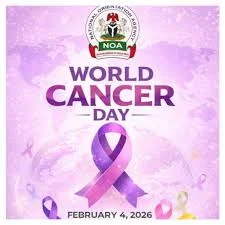
    The Director of the agency in Jigawa State, Malam Ahmad Ibrahim, made the call in a statement issued in Dutse on Wednesday to mark World Cancer Day 2025, observed annually on February 4.

    Ibrahim said the agency joined the global community to raise awareness on cancer prevention, early detection and equitable access to care, noting that cancer remains a major public health challenge in Nigeria.

    He said many cancer cases in the country are detected at advanced stages due to low awareness, stigma and limited access to screening services.

    According to him, cancer is not a death sentence if detected early, adding that many forms of the disease are preventable through healthy lifestyle choices.

    Ibrahim listed breast cancer, cervical cancer, prostate cancer, liver cancer and colorectal cancer as the most common cancers affecting Nigerians.

    He identified warning signs that should not be ignored to include unusual lumps or swellings, persistent pain, unexplained weight loss, abnormal bleeding or discharge, changes in breast shape or skin, persistent cough or hoarseness, and non-healing sores.

    The NOA director advised Nigerians to avoid tobacco use and excessive alcohol consumption, while encouraging healthy diets rich in fruits and vegetables, regular physical activity, weight control, protection from harmful sun exposure, and vaccination against Hepatitis B and Human Papillomavirus (HPV).

    He further urged citizens to take advantage of routine cancer screening, including breast self-examination and mammography, cervical cancer screening through Pap smear or HPV tests, prostate screening for men above 40 years, and regular medical check-ups.

    Ibrahim dismissed misconceptions that cancer is caused by witchcraft or is contagious, stressing that traditional remedies alone cannot cure the disease and that early medical care improves survival outcomes.

    He called on communities, religious and traditional leaders, families and the media to support cancer awareness efforts, reduce stigma and promote healthy living.

    “Cancer care is a shared responsibility. Closing the care gap begins with awareness, compassion and timely action,” he said.

  • Cervical Cancer, 4th most common cancer in women – WHO

    Cervical Cancer, 4th most common cancer in women – WHO

    The World Health Organisation (WHO) states also, that there were some reported cases of H5 avian influenza between last year and 2025.

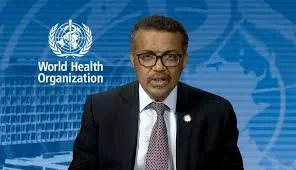
    Dr Tedros Ghebreyesus, Director-General World Health Organisation (WHO), addressed global health issues on Thursday, revealing that cervical cancer is the fourth-most common cancer in women worldwide.

    He highlighted that the disease caused an estimated 660,000 cases and 350,000 deaths annually.

    Ghebreyesus stressed that cervical cancer was one of the few cancers that could be prevented and treated if detected early, but most cases and deaths occurred in low and middle-income countries that lacked access to vaccines, screening, and treatment.

    He further mentioned that many countries were currently raising awareness about cervical cancer this January.

    He also highlighted WHO’s global initiative launched in November 2020 aimed at eliminating cervical cancer.

    ”Since then, numerous countries have introduced vaccines to prevent the disease, and many are rolling out advanced diagnostics.”

    Ghebreyesus emphasised that eliminating cervical cancer was achievable if all girls and women have access to vaccines, tests, and treatments.

    He added that cervical cancer prevention was part of WHO’s broader efforts to promote and protect maternal health, the theme for World Health Day this year.

    Regarding H5 avian influenza, he reported that 66 cases were recorded globally in 2024, the highest since 2015, and two cases, including one death, have already been reported in 2025.

    He stressed the importance of controlling the virus’s spread among animals to prevent human transmission and urged countries to strengthen biosecurity measures and share viral samples with WHO’s global surveillance system.