One of the forward looking decisions taken at the recent 145th meeting of the National Economic Council (NEC) was the order for the audit of all inland waterways.
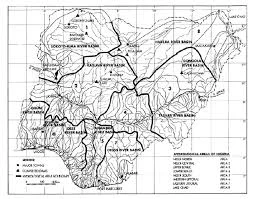
At the meeting presided by the Vice President, Senator Kashim Shettima the federal ministry of water resources and sanitation was instructed to carry out an in-depth assessment of Nigeria’s waterways and dams to manage the challenges posed by frequent floods.
This directive, following a NEC meeting led by Vice President Kashim Shettima, reflects the council’s concern over widespread flood damage.
Anambra State Governor, Chukwuma Soludo, shared details from the NEC meeting, where members reviewed recent updates from the water resources minister, Joseph Utsev, on ongoing federal interventions.
With many regions, especially in the South-East and South-South, heavily impacted by floods, NEC harped on the need to consider these areas in dam construction plans to help manage water flow and act as barriers on main highways near the River Niger.
The council also urged state governors who have yet to submit flood management reports to complete this process promptly.
A call was made for enhanced emergency response coordination between states and federal authorities, which includes a possible infrastructure resilience plan within the Green Climate Fund to boost national flood response efforts.
The devastation from recent floods has been extensive, affecting about 34 states, 217 local governments, and displacing over 740,000 residents.
Throwing money at the problem in the typical Nigerian fashion, President Bola Ahmed Tinubu has approved N108 billion for the states to combat natural disasters.
Each state is entitled to N3 billion.
This is coming on the heels of massive flooding ravaging states in the North.
Many Southern states are at risk. Besides flooding, erosion is rampant across the country, especially in the Southeast. Kaduna is also currently battling with erosion.
Nigerian Meteorological Agency (NiMet) has also predicted more rainfall and likelihood of more flooding as the year rolls to an end.
Borno State Governor Babagana Umara Zulum, whose capital city is reeling under the flooding that followed the collapse of Alau Dam water channels, confirmed yesterday he had received N3 billion from the Federal Government to battle the humanitarian crisis.
According to him, no fewer than one million people have been displaced by the gory situation.
Vice President Kashim Shettima, who temporarily relocated to Maiduguri to support the efforts of the state government to assist victims of the flooding, returned to the Presidential Villa and hosted House of Representatives Speaker Abbas Tajudeen yesterday.
Shettima described the situation in Maiduguri as a “national calamity”.
Shettima told the speaker: “The President has shown his zeal, willingness and commitment to partner with the states towards addressing these issues.
“Recently, he approved the release of N3 billion to each state of the federation to address some of these challenges so that all parts of the federation should have buy-in and belonging.”
The speaker promised that the House would give all necessary support to assist the victims.
He said: “We in the National Assembly are looking all through to see what kind of support we will give to the people affected..
“Insha Allah, it will come to pass, and people will go back to their normal lives and businesses as if it did not happen because we and you will make sure that we provide all the palliatives for them to regain their means of livelihood.”
Shettima praised Abbas for his “stellar leadership in the National Assembly”, adding that despite having nearly 70 per cent of the members as newly sworn-in, the Speaker has been able to keep the flag flying.
President Bola Tinubu has directed the establishment of a new portal aimed at reducing the number of government-sponsored delegates attending the upcoming United Nations Climate Change Conference (COP 29) in Azerbaijan, scheduled for November 11 to 22.
The announcement was made on Tuesday by Ajuri Ngelale, Special Adviser to the President on Media and Publicity, during a briefing at the State House.
Ngelale explained that the newly launched platform, called the Climate Accountability and Transparency Portal, is expected to save Nigeria over ₦10 billion during the 11-day conference. The portal will ensure that only delegates directly involved in climate-related activities are sponsored by the government.
“This initiative is in direct response to public criticism over the excessive number of delegates sent to the previous climate conference in Dubai, many of whom had no substantive role in the proceedings,” Ngelale said.
The portal will be developed in collaboration with the National Council on Climate Change (NCCC), headed by Director-General Nkiruka Maduekwe. It will serve as a transparent platform, listing all government-sponsored attendees from various ministries, departments, agencies, and the legislative branch.
“The Climate Accountability and Transparency Portal will provide Nigerians with full, real-time access to the list of government-sponsored delegates attending COP 29. This ensures that every delegate has a legitimate economic reason to be at the conference, engaging with companies, multilateral partners, and stakeholders to attract finance and opportunities into the country for the benefit of our people,” Ngelale stated.
He further emphasized that the platform represents a significant step towards restoring public confidence in the government’s climate-related activities, highlighting that COP 29 is just the beginning of a broader effort to audit and rectify past inefficiencies.
“We are poised to save over ₦10 billion during this 11-day event in November. The President remains committed to ensuring that Nigerians trust the government’s actions as we move forward. COP 29 is just the start,” Ngelale concluded.
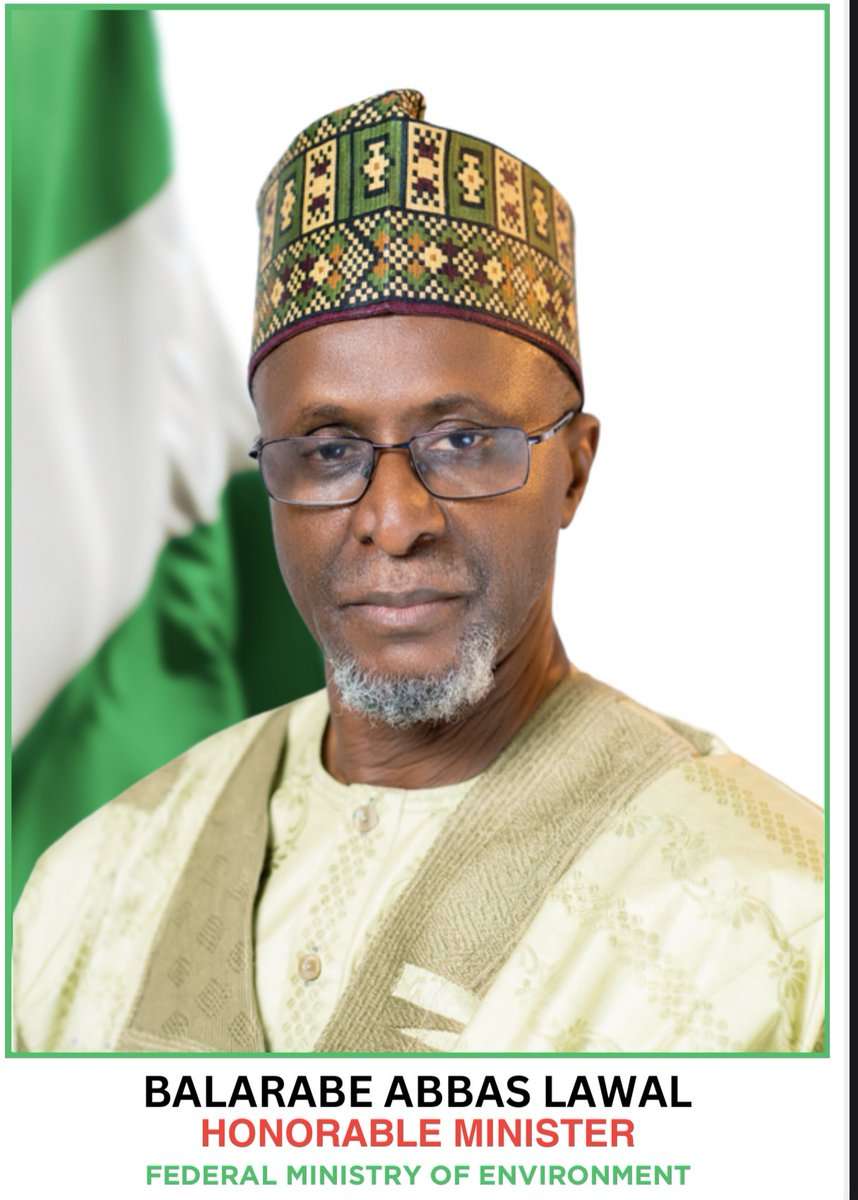
The Minister of Environment, Balarabe Abbas Lawal, has called on the newly formed Intra-Ministerial Preparatory Committee to work diligently in developing the Ministry’s position for the upcoming 2024 United Nations Climate Change Conference (COP29).
The event, scheduled to be held in Baku, Azerbaijan, will focus on the theme “In Solidarity for a Green World.”
Dr. Iziaq Adekunle Salako, Minister of State for Environment, representing Minister Lawal at the inauguration, emphasized the importance of crafting a strategy that aligns with the national objectives and ensures effective participation at COP29.
He highlighted the need for inclusivity, equity, and a holistic approach in addressing climate change, urging the committee to advocate for financial mechanisms that support both climate adaptation and mitigation efforts.
Minister Lawal stressed that the committee’s work should be guided by a vision for a sustainable future, and that their decisions would have long-lasting impacts on the nation’s climate commitments.
He noted that COP29 would serve as both a negotiation platform and an opportunity to strengthen international collaboration on climate action.
Dr. Salako, who chairs the committee, called on members to reflect on the outcomes of previous UNFCCC conferences, particularly COP28 in Dubai, which underscored the necessity of financing to address loss and damage from climate change.
He encouraged the committee members, drawn from various professional departments within the Ministry and its agencies, to collaborate effectively to achieve the committee’s objectives.
In her opening remarks, Dr. Iniagbon Abiola-Awe, Director of Climate Change and Vice-Chairman of the committee, reminded members that their work is a national priority.
She underscored that the success of Nigeria’s participation at COP29 depends on the timely submission of the committee’s report.
The last two COP conferences were held in Sharm El-Sheikh, Egypt, and Dubai, UAE, respectively.
The 1996 World Food Summit defined food security as “when all people, at all times, have physical and economic access to sufficient safe and nutritious food that meets their dietary needs and food preferences for an active and healthy life.”
So, Food Security is “the measure of an individual’s ability to access food that is nutritious and sufficient in quantity.” On the other hand, Wikipedia explains Oil and Gas Production as “the process of extracting crude oil and natural gas from underground reservoirs and bringing them to the surface for processing and distribution.
It further explains that “The petroleum industry is responsible for the exploration, extraction, refining, transportation, and marketing of petroleum products.” Various components of the process listed here can have impacts on Climate leading to climate change.
How then can oil and gas production have direct or indirect impacts on food security – preventing access to sufficient, safe and nutritious food meeting dietary needs and food preferences?
Oil and Gas production have key activities that make it possible for it to happen if not well managed namely:
•Seismic Operations – in layman’s terms, is the search for oil using various technologies to survey and ‘see’ under the ground to discover reservoirs holding the oil deep in the ground. The “surveys allow professionals to identify prospects, assess potential resources, reduce risk and even quantify reserves – in short, to make well-informed decisions that drive successful exploration efforts.”
•Drilling of appraisal wells/Production Wells to confirm that what was ‘seen’ under the ground is good enough for additional investments to develop the field and recover the volumes – the discovery is in commercial quantities. An appraisal Well may be developed into a Production Well.
•Field Development – involves the process of drilling, building of non-oil and gas infrastructure (NOGI) and Oil and Gas Infrastructure (OGI) for extraction, processing, handling and exporting or sale of the oil produced.
•Production operations – utilization of all the infrastructure (Wells, Flowlines, Pipelines, Flowlines, Production Stations, Gas Plants, and Tank Farms including export facilities) for daily extraction of crude oil/gas, processing and sale/export.
•Abandonment – loosely speaking involves management of NOGI and OGI facilities and the environment after the life of the Field. This will not be discussed in this article for lack of space for this article.
All the above steps have various aspects that can interact with the environment to impact Food security and Climate change. According to FAO and others, there are 5 dimensions or components of Food Security namely: Availability, Access, Utilization, Stability and Sustainability.
While many biological factors like population increase, changing diets, pests and pathogens, environmental changes, conflict, poverty/unemployment, et cetera, can reduce food security, each step involved in the Oil and Gas production can also have direct or indirect negative impacts on availability, access, utilization, stability and sustainability of food security especially in the Niger Delta of Nigeria.
Seismic activities for oil and gas exploration can disrupt farming operations. The noise, vibrations, and movement of heavy machinery can affect soil structure, water flow, and crop growth.
For example, in Nigeria’s Niger Delta, seismic surveys have been reported to have caused soil compaction and water contamination, reduced agricultural productivity and harming local farmers’ livelihoods. As the activities often involve the use of chemicals that may contaminate surface and ground water sources, there is potential for water contamination.
Polluted water can affect irrigation systems, leading to poor crop yields and unsafe drinking water for livestock. Chemical spills during seismic surveys in agricultural areas can lead to contamination of water sources, which then impacts the health and productivity of crops and livestock. Another impact is the Destruction of Natural Habitats.
Clearing land for seismic lines can destroy forests, wetlands, and other natural habitats, reducing biodiversity. This loss of biodiversity can impact pollinators, soil health, and natural pest control, which are essential for sustainable agriculture.
The Amazon rainforest, a critical ecosystem for global biodiversity, has been reported to have seen significant habitat destruction due to oil exploration, threatening indigenous food systems and biodiversity. Seismic exploration can lead to the displacement of local communities, including farmers. Displaced communities may lose access to their agricultural lands, leading to food insecurity.
How does this stage of Oil and Gas activity impact on climate change thus affecting food security? You have Greenhouse Gas Emissions, an occurring decimal throughout the oil and gas production value chain. Seismic activities are part of the oil and gas extraction process, which is a significant source of greenhouse gas emissions.
The burning of fossil fuels contributes to global warming and climate change. Methane emissions from natural gas extraction are a potent greenhouse gas, significantly more effective at trapping heat in the atmosphere than carbon dioxide.
Seismic surveys often require clearing large areas of land, leading to deforestation and land degradation. Forests act as carbon sinks, and their destruction releases stored carbon dioxide into the atmosphere, exacerbating climate change.
Example, in the Congo Basin, deforestation for oil exploration has released large amounts of carbon dioxide, contributing to global climate change. Healthy ecosystems such as forests, wetlands, and grasslands sequester carbon dioxide from the atmosphere.
Seismic activities that damage these ecosystems reduce their ability to absorb carbon, increasing atmospheric carbon levels. An example is the destruction of mangroves for oil exploration which reduces their capacity to sequester carbon, thus contributing to higher atmospheric CO2 levels.
Also, climate change, driven in part by fossil fuel extraction, leads to more frequent and severe natural disasters such as floods, droughts, and hurricanes. These events can devastate agricultural systems, further threatening food security. Rising global temperatures contribute to more intense droughts in agricultural regions, affecting crop yields and food availability.
Drilling involves land take, utilization of drilling mud, generation of drill cuttings which may be oily depending on the depth at which the cuttings are generated. The land taken (and in some cases may be significant) is no longer available for food production. The land may have been rightly acquired but is no longer available for farming activities for crops and fish production among others.
Also, the drill cuttings if not well treated and disposed responsibly can interact with the environment (change habitats and make them unsuitable for farming). For example, microbes, macrobes, nutrients, on land and aquatic life which are key contributors to soil fertility, aquatic nutrient enrichment are usually impacted including disturbance of food chain.
Infact, irresponsible management of land take, cuttings and chemicals denies soil and water environment of life support for the food chain – changes natural configuration of optimum levels of O2, Nitrates, et cetera required for plant growth, reduced nutrition and taste, chemical uptake and tissues contamination.
Production activities – Oil and Gas processing facilities with asset integrity issues including process safety challenges can lead to loss of containment resulting to oil spills, chemical spills, gas release and in some cases fire. In some cases, and as it is currently in the Niger Delta, oil theft also leads to uncontrolled spills with devastating effects on the environment. The impacts on land and aquatic environments have been shown to affect food security – death of economic trees, farms crops, soil contamination requiring remediation. The damages have direct impact on availability, access, sustainability, utilization, stability thus impacting food security.
Another aspect of production operations with impacts on food security is Effluents to the environment and Emissions to air. Oily water, chemical treatments and produce water (water produced with crude and separated for discharge into the environment) can have direct impacts to food production on impacted land and sea beds if not discharged responsibly and in line with statutory requirements. The effluents if taken up by environmental life including food, have the capability of affecting taste, preventing food from being nutritious in line with the definition of Food Security.
Gas Emission to air which could result from flaring, venting, power generators and vehicles associated with production operations is a key component with impact on food security. A good number of production facilities do not have gas compression capabilities leading to flaring of gas into the air. In some cases, venting which is an intentional release of gas containing methane into the atmosphere are part of some operator’s oil production activities. In all, gas flaring is known to release greenhouse gases like Methane, Carbon dioxide, benzene, etc. In addition, flaring causes air and noise pollution with impacts. The release of these greenhouse gases have impacts on the environment and climate change.
So, what is climate change? Climate change refers to long-term shifts in temperatures and weather patterns which may be natural like changes in the sun’s activity or large volcanic eruptions. However, studies have shown that human activities have been the main driver of climate change, primarily due to the activities of burning of fossil fuels (like coal, oil and gas), which produces heat-trapping gases like CO, CO2, NOX, among others. This adds huge quantities of greenhouse gases to those naturally present in the atmosphere, increasing the greenhouse effect and global warming. Apart from its encompassing global warming, on a broader scale, it involves changes that include rising sea levels, erosion of mountain glaciers, accelerating ice melt in Arctic regions, Antarctica and Greenland. There is also shifts in flower/plant blooming times. For us in Nigeria – rising sea levels, heavy flooding taking over large acreages of farmlands and sustained non draining of cultivated farm lands, washing away of soil surfaces and nutrients, emergence of gully erosions making farm lands unavailable, aquatic food resources, are examples of the negative contribution of uncontrolled gas releases into the atmosphere with climate change consequences. It can be safely said that Oil and Gas Production operations can have domino effect on food security and climate change.
These impacts are clearly well known hence globally there is: (a) a clear regulatory framework to prevent and or minimize their effects (b) continuous review of guidelines and issuing of more stringent guidelines by the Regulatory Authorities to compel operators in the industry to do the right thing. These regulations and guidelines cover the whole of oil and gas operations value chain from safely carrying out seismic activities with environmental protection, preventing unnecessary land take, promote responsible management of drilling wastes, production effluents, use of chemicals and preventing venting and flaring including a flare out dateline of 2030 for Nigeria. The regulations promote the deployment of cutting-edge technologies to eliminate, measure, monitor and take corrective measures with punitive fines in case of non-compliance. These are all geared toward protecting the environment and food security among other important safety and occupational health requirements.
Finally, while Oil and gas production should have helped to make resources available for increasing food security, a good number of persons who should have been on the farms, especially the young are abandoning farming for oil and gas money. Farming is seen as not yielding high returns compared to earnings from oil and gas operations. There is need to help strike a balance by making farming attractive.
Several Oil and Gas Companies have clear and documented mitigation measures including Environmental Management Plans (EMPs) and utilization of technology to minimize impacts. However, the need for increased regulatory compliance and responsible oil and gas operations to prevent impacts on food security and climate change cannot be overemphasized.
Dr. John Aondoaseer Jia is a , Safety and Environment specialist with over 25 years hands-on Oil and Gas experience.
Email: aseerjia@yahoo.com; +2348027338844
Oil major ExxonMobil Corp has warned that attempting to limit the supply of fossil fuels will impede progress toward achieving net zero emissions as well as potentially perpetuating poverty for millions in the developing world.
Speaking at the Asia Pacific Economic Cooperation CEO Summit in San Francisco, ExxonMobil CEO Darren Woods, insisted that the solution to climate change has been too focused on reducing supply, noting that it’s “a recipe for human hardship and a poorer world.”
Woods said that attacking oil and gas companies for their role in climate change will only serve to keep net zero as an “aspiration” rather than a reality
Woods called for governments to “harness the industry’s capabilities for change” by providing taxpayer support for emissions-reducing technologies like carbon capture before market forces can take over.
Exxon has ramped up its energy transition efforts over the past two years after losing a bruising proxy battle with activist investor Engine No. 1 at the height of the ESG movement. It plans to spend $17 billion over six years on low-carbon initiatives, and it recently acquired Denbury Inc., the largest carbon dioxide pipeline operator in the US, for about $5 billion.
But Exxon is also spending big on oil and gas. It agreed to buy US shale driller Pioneer Natural Resources Co. last month in a deal valued at about $62 billion.
Woods is adamant that Exxon won’t reduce oil and gas production or invest heavily in renewable energy as his European peers have done. Instead, the Texas oil giant will invest in low-carbon technologies that complement fossil fuels such as carbon capture and hydrogen.
“Oil and gas companies reliably provide affordable products essential to modern life,” he said. “Making them into villains is easy. But it does nothing – absolutely nothing – to accomplish the goal of reducing emissions.”
In unusually personal remarks, Woods talked about his commitment to the environment.
“I’m a father and grandfather – who cares about his family, their quality of life, and their futures. Which means I care very much about our environment and the health of our planet,” he said.
He also attempted to draw a line under the multiple climate lawsuits that have dogged Exxon for much of the last decade.
“I’m fully aware that there are many who question ExxonMobil’s commitment because of what was said over 30 years ago – or what they think Exxon knew back then,” he said.
“Frankly, I’m more interested in what ExxonMobil knows today. Climate change is real. Human activity plays a major role,” he added.
President Bola Ahmed Tinubu delivered his first address at the 78th Session of the United Nations General Assembly, emphasizing the importance of tackling Africa’s unique challenges and fostering global cooperation.
The speech, which was delivered in the early hours of Wednesday (7:55pm New York time), touched upon several critical issues affecting the African continent.
Tinubu began by congratulating the newly elected President of the General Assembly, acknowledging the efforts of his predecessor and applauding the Secretary-General of the United Nations, Antonio Guterres, for his work in seeking solutions to humanity’s common challenges.
In his address, Tinubu stressed the need for Africa to overcome the limitations imposed by foreign exploitation and realize its vast potential. He called for a firm commitment to partnership, urging global institutions, other nations, and the private sector to prioritize African development. He emphasized that this commitment should not only benefit Africa but also align with the interests of those involved.
Highlighting the economic challenges faced by Nigeria and Africa, he underlined the importance of job creation, industrial expansion, and equitable wealth distribution.
President Tinubu cited reforms initiated during his presidency, such as the removal of fuel subsidies and overhauling the exchange rate system, as steps toward fostering economic growth and investor confidence. He invited partnerships with nations and entities willing to engage with Africa on mutually beneficial terms.
Democratic governance was another crucial aspect of President Tinubu’s address.
He affirmed democratic governance as the best way to uphold the sovereign will and well-being of the people, opposing military coups and any civilian political arrangements perpetuating injustice.
Regarding the situation in Niger, President Tinubu mentioned ongoing negotiations with military leaders to reestablish democratic governance and address political and economic challenges in the nation.
President Tinubu also talked about the battle against violent extremism in the region, emphasizing the need to disband extremist groups and improve economic conditions to prevent people from seeking better opportunities elsewhere.
Concerning resource-rich areas, he called for measures to protect them from pilfering and conflict. He drew attention to the exploitation of resources in the Democratic Republic of the Congo and other regions, urging the international community to discourage firms and nationals from such activities.
Finally, Tinubu discussed the impact of climate change on Africa, emphasizing the need for continental efforts to combat it. He highlighted initiatives in Nigeria, such as the Green Wall project and mass distribution of gas-burning stoves, as examples of actions that align with economic development and environmental sustainability. He called for more investment from established economies to support Africa’s preferred climate change initiatives.
To conclude, Tinubu reiterated the importance of ending poverty, respecting the will of the people, and protecting the planet. He called for global solidarity and cooperation, emphasizing that Africa seeks genuine friendship and partnership on its transformative journey.
See the full speech below:
STATEMENT DELIVERED BY HIS EXCELLENCY, BOLA AHMED TINUBU, GCFR PRESIDENT, FEDERAL REPUBLIC OF NIGERIA AT THE GENERAL DEBATE OF THE 78TH SESSION OF UNITED NATIONS GENERAL ASSEMBLY, 18TH SEPTEMBER 2023
Mr. President,
Heads of State and Government, Secretary-General,
Distinguished Delegates, Ladies and Gentlemen,
Mr. President,
On behalf of the people of Nigeria, I congratulate you on your well-deserved election as President of this Session of the United Nations General Assembly.
We commend your predecessor, His Excellency, Mr. Csaba Korosi for his able stewardship of the Assembly.
We also commend His Excellency, Antonio Guterres, Secretary General of the United Nations, for his work seeking to forge solutions to humanity’s common challenges.
This is my first address before the General Assembly. Permit me to say a few words on behalf of Nigeria, on behalf of Africa, regarding this year’s theme.
On behalf of the people of Nigeria, I congratulate you on your well-deserved election as President of this Session of the United Nations General Assembly.
We commend your predecessor, His Excellency, Mr. Csaba Korosi for his able stewardship of the Assembly.
We also commend His Excellency, Antonio Guterres, Secretary General of the United Nations, for his work seeking to forge solutions to humanity’s common challenges.
This is my first address before the General Assembly. Permit me to say a few words on behalf of Nigeria, on behalf of Africa, regarding this year’s theme.
Many proclamations have been made, yet our troubles remain close at hand. Failures in good governance have hindered Africa. But broken promises, unfair treatment and outright exploitation from abroad have also exacted a heavy toll on our ability to progress.
Given this long history, if this year’s theme is to mean anything at all, it must mean something special and particular to Africa.
In the aftermath of the Second World War, nations gathered in an attempt to rebuild their war- torn societies. A new global system was born and this great body, the United Nations, was established as a symbol and protector of the aspirations and finest ideals of humankind.
Nations saw that it was in their own interests to help others exit the rubble and wasteland of war. Reliable and significant assistance allowed countries emaciated by war to grow into strong and productive societies.
The period was a highwater mark for trust in global institutions and the belief that humanity had learned the necessary lessons to move forward in global solidarity and harmony.
Today and for several decades, Africa has been asking for the same level of political commitment and devotion of resource that described the Marshall Plan.
We realize that underlying conditions and causes of the economic challenges facing today’s Africa are significantly different from those of post war Europe.
We are not asking for identical programs and actions. What we seek is an equally firm commitment to partnership. We seek enhanced international cooperation with African nations to achieve the 2030 agenda and Sustainable Development Goals.
There are five important points I want to highlight.
First, if this year’s theme is to have any impact at all, global institutions, other nations and their private sector actors must see African development as a priority, not just for Africa but in their interests as well.
Due to both longstanding internal and external factors, Nigeria’s and Africa’s economic structures have been skewed to impede development, industrial expansion, job creation, and the equitable distribution of wealth.
If Nigeria is to fulfil its duty to its people and the rest of Africa, we must create jobs and the belief in a better future for our people.
We must also lead by example.
To foster economic growth and investor confidence in Nigeria, I removed the costly and corrupt fuel subsidy while also discarding a noxious exchange rate system in my first days in office. Other growth and job oriented reforms are in the wings.
I am mindful of the transient hardship that reform can cause. However, it is necessary to go through this phase in order to establish a foundation for durable growth and investment to build the economy our people deserve.
We welcome partnerships with those who do not mind seeing Nigeria and Africa assume larger roles in the global community.
The question is not whether Nigeria is open for business. The question is how much of the world is truly open to doing business with Nigeria and Africa in an equal, mutually beneficial manner.
Direct investment in critical industries, opening their ports to a wider range and larger quantity of African exports and meaningful debt relief are important aspects of the cooperation we seek.
Second, we must affirm democratic governance as the best guarantor of the sovereign will and well-being of the people. Military coups are wrong, as is any tilted civilian political arrangement that perpetuates injustice.
The wave crossing parts of Africa does not demonstrate favour towards coups. It is a demand for solutions to perennial problems.
Regarding Niger, we are negotiating with the military leaders. As Chairman of ECOWAS, I seek to help re-establish democratic governance in a manner that addresses the political and economic challenges confronting that nation, including the violent extremists who seek to foment instability in our region. I extend a hand of friendship to all who genuinely support this mission.
This brings me to my third crucial point. Our entire region is locked in protracted battle against violent extremists. In the turmoil, a dark channel of inhumane commerce has formed. Along the route, everything is for sale. Men, women and children are seen as chattel.
Yet, thousands risk the Sahara’s hot sand and the Mediterranean’s cold depths in search of a better life. At the same time, mercenaries and extremists with their lethal weapons and vile ideologies invade our region from the north.
This harmful traffic undermines the peace and stability of an entire region. African nations will improve our economies so that our people do not risk their lives to sweep the floors and streets of other nations. We also shall devote ourselves to disbanding extremist groups on our turf.
Yet, to fully corral this threat, the international community must strengthen its commitment to arrest the flow of arms and violent people into West Africa.
The fourth important aspect of global trust and solidarity is to secure the continent’s mineral rich areas from pilfering and conflict. Many such areas have become catacombs of misery and exploitation. The Democratic Republic of the Congo has suffered this for decades, despite the strong UN presence there. The world economy owes the DRC much but gives her very little.
The mayhem visited on resource rich areas does not respect national boundaries. Sudan, Mali, Burkina Faso, CAR, the list grows.
The problems also knocks Nigeria’s door.
Foreign entities abetted by local criminals who aspire to be petty warlords have drafted thousands of people into servitude to illegally mine gold and other resources. Billions of dollars meant to improve the nation now fuel violent enterprises. If left unchecked, they will threaten peace and place national security at grave risk.
Given the extent of this injustice and the high stakes involved, many Africans are asking whether this phenomenon is by accident or by design.
Member nations must reply by working with us to deter their firms and nationals from this 21st century pillage of the continent’s riches.
Fifth, climate change severely impacts Nigeria and Africa. Northern Nigeria is hounded by desert encroachment on once arable land. Our south is pounded by the rising tide of coastal flooding and erosion. In the middle, the rainy season brings floods that kill and displace multitudes.
As I lament deaths at home, I also lament the grave loss of life in Morocco and Libya. The Nigerian people are with you.
African nations will fight climate change but must do so on our own terms. To achieve the needed popular consensus, this campaign must accord with overall economic efforts.
In Nigeria, we shall build political consensus by highlighting remedial actions which also promote economic good. Projects such as a Green Wall to stop desert encroachment, halting the destruction of our forests by mass production and distribution of gas burning stoves, and providing employment in local water management and irrigation projects are examples of efforts that equally advance both economic and climate change objectives.
Continental efforts regarding climate change will register important victories if established economies were more forthcoming with public and private sector investment for Africa’s preferred initiatives.
Again, this would go far in demonstrating that global solidarity is real and working.
CONCLUSION
As I close, let me emphasize that Nigeria’s objectives accord with the guiding principles of this world body: peace, security, human rights and development.
In fundamental ways, nature has been kind to Africa, giving abundant land, resources and creative and industrious people. Yet, man has too often been unkind to his fellow man and this sad tendency has brought sustained hardship to Africa’s doorstep.
To keep faith with the tenets of this world body and the theme of this year’s Assembly, the poverty of nations must end. The pillage of one nation’s resources by the overreach of firms and people of stronger nations must end. The will of the people must be respected. This beauty, generous and forgiving planet must be protected.
As for Africa, we seek to be neither appendage nor patron. We do not wish to replace old shackles with new ones.
Instead, we hope to walk the rich African soil and live under the magnificent African sky free of the wrongs of the past and clear of their associated encumbrances. We desire a prosperous, vibrant democratic living space for our people.
To the rest of the world, I say walk with us as true friends and partners. Africa is not a problem to be avoided nor is it to be pitied. Africa is nothing less than the key to the world’s future.
The United Nations has said that the world is not on target to curb global warming, insisting that more action is needed from all stakeholders.
According to the Global Stocktake report, “The Paris Agreement has driven near-universal climate action by setting goals and sending signals to the world regarding the urgency of responding to the climate crisis,” it said. “While action is proceeding, much more is needed now on all fronts.”
The report, culminating a two-year evaluation of the 2015 Paris climate agreement goals, distils thousands of submissions from experts, governments and campaigners and will lay the groundwork for the global stock-take discussion at COP28.
Nearly 200 countries agreed in 2015 in Paris to limit warming to no more than 2 Celsius above pre-industrial levels, and to strive to keep the increase to 1.5 C.
While each country is responsible for deciding its own climate actions, they also agreed to submit to a progress report by 2023 to see what more should be done.
Some of the world’s most climate vulnerable countries expect the report to spur action from global leaders.
The U.N. said existing national pledges to cut emissions were insufficient to keep temperatures within the 1.5 C threshold. More than 20 gigatonnes of further CO2 reductions were needed this decade – and global net zero by 2050 – in order to meet the goals, the U.N. assessment said.
“With leaders gathering this month for the United Nations Secretary General’s Climate Ambition Summit ahead of COP28, the findings and recommendations of this Report need to be a wake-up call and a trigger for cogent commitments,” chair of Association of Small Island States, Pa’olelei Luteru said.
The report urged countries to cut the use of “unabated” coal power by 67-92% by 2030 versus 2019 levels and to virtually eliminate it as a source of electricity by 2050.
Low and zero-carbon electricity should account for as much as 99% of the global total by mid-century, while technological challenges holding back carbon capture must be resolved.
The report also called for funding to be unlocked to support low-carbon development, noting that billions of dollars were still being invested in fossil fuels.
“It serves up a bold to-do list for governments to limit warming to 1.5C and protect people everywhere from climate devastation,” said Tom Evans, policy advisor on climate diplomacy at British climate think tank E3G.
Commitment is needed to phase out fossil fuels, set 2030 targets for renewable energy expansion, ensure the financial system funds climate action, and raise funds for adaptation and damage, he said.
“Anything less will fall short on the necessary steps laid out in this report.”
July was hotter than any other month in the global temperature record, which dated back to 1880, NASA has said.
Overall, July was 0.24 degrees Celsius warmer than any other July in NASA’s records, according to scientists at NASA’s Goddard Institute for Space Studies (GISS).
July 2023 was 1.18 degrees Celsius warmer than the average July between 1951 and 1980, NASA said.
“NASA data confirms what billions around the world literally felt: temperatures in July 2023 made it the hottest month on record,’’ NASA administrator Bill Nelson said.
“The science is clear. We must act now to protect our communities and planet; it’s the only one we have.’’
Parts of South America, North Africa, North America, and the Antarctic Peninsula were especially hot, experiencing temperatures increased around 4 degrees Celsius above average, NASA said.
According to NASA data, the five hottest Julys since 1880 had all happened in the past five years.
GISS Director, Gavin Schmidt said warming around earth was primarily driven by human-caused greenhouse gas emissions.
He said: “And that rise in average temperatures is fueling dangerous extreme heat that people are experiencing here at home and worldwide.’’
High sea surface temperatures contributed to July’s record warmth with NASA’s analysis showing especially warm ocean temperatures in the eastern tropical Pacific.
It said evidence of the weather phenomenon known as El Niño that began developing in May.
Phenomena such as El Niño or La Niña, which warm or cool the tropical Pacific Ocean, can contribute a small amount of year-to-year variability in global temperatures.
NASA expects to see the biggest impacts of El Niño in February, March and April 2024.
Trillions of dollars are wasted on subsidies for agriculture, fishing, and fossil fuels that could be used to help address climate change instead of harming people and the planet, a World Bank report says.
The report, Detox Development: Repurposing Environmentally Harmful Subsidies, says global direct government expenditures in the three sectors are $1.25 trillion a year—around the size of a big economy such as Mexico.
To subsidize fossil fuel consumption, countries spend about six times what they pledged to mobilize annually under the Paris Agreement for renewable energies and low-carbon development.
“People say that there isn’t money for climate but there is – it’s just in the wrong places. If we could repurpose the trillions of dollars being spent on wasteful subsidies and put these to better, greener uses, we could together address many of the planet’s most pressing challenges,” said Senior Managing Director of the World Bank, Axel vanTrotsenburg.
The report notes that government subsidies of $577 billion in 2021 to artificially lower the price of polluting fuels, such as oil, gas, and coal, exacerbate climate change, and cause toxic air pollution, inequality, inefficiency, and mounting debt burdens. Redirecting these subsidies could unlock at least half a trillion dollars toward more productive and sustainable uses.
The problem is bigger than direct government expenditures. The report assesses the harmful impact of implicit subsidies, which amount to $6 trillion each year. These represent the costs on people and the planet from pollution, greenhouse gas emissions, road congestion, and the destruction of nature ultimately resulting from the subsidies.
In agriculture, direct subsidies of more than $635 billion a year are driving the excessive use of fertilizers that degrade soil and water and harm human health. Subsidies for products such as soybeans, palm oil, and beef cause farmers to push into the forest frontier and are responsible for 14 percent of forest loss every year.
Fisheries subsidies, which exceed $35 billion each year, are a key driver of dwindling fish stocks, oversized fishing fleets, and falling profitability. With more than 1 billion poor people obtaining most of their animal protein from fish, it is critical that the world’s fish stocks are restored to healthy status.
The burning of oil, gas, and coal causes 7 million premature deaths a year around the world through the bad air that people must breathe. The burden falls mostly on the poor.
Chief Economist of the Sustainable Development Practice Group at the World Bank Richard Damania, noted that “With foresight and planning, repurposing subsidies can provide more resources to give people a betterquality of life and to ensure a better future for our planet. Much is already known about bestpractices for subsidy reform, but implementing these practices is no easy feat due to entrenched interests,challenging political dynamics, and other barriers.”
For successful subsidy reform, governments must compensate the most vulnerable groups through social assistance programs, like cash transfers; build public acceptance through transparent communication; give people and businesses time to adjust; as well as show how freed-up revenue is being reinvested to support longer-term development.