Tag: International Law

  • China Pushes Back Against UN Replacement Talk, Vows to Defend UN-Led Global Order

    China Pushes Back Against UN Replacement Talk, Vows to Defend UN-Led Global Order

    China has reaffirmed its commitment to multilateralism and to safeguarding the international system with the United Nations at its core, as questions emerge over the future role of the global body following remarks by U.S. President Donald Trump.

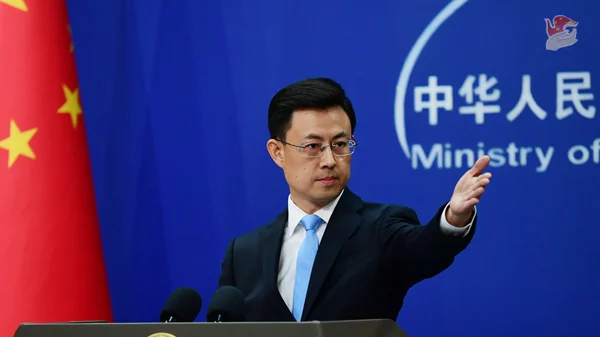
    Foreign Ministry spokesperson Guo Jiakun made the comments on Wednesday at a regular press briefing, responding to Trump’s statement a day earlier that the United Nations should continue because of its potential, while suggesting that a proposed “Board of Peace” could possibly replace the organization.

    Guo stressed that China’s position on the United Nations and the international order remains firm and unchanged. “No matter how the international situation evolves, China will resolutely safeguard the international system with the United Nations at its core,” he said.

    According to Guo, China has consistently advocated for true multilateralism and believes the UN plays an irreplaceable role in maintaining international peace and security, promoting development, and addressing global challenges.

    He emphasized that the UN-centered system reflects the collective will of the international community and should not be weakened or undermined.

    Guo further noted that China will continue to uphold the international order underpinned by international law, as well as the basic norms governing international relations based on the purposes and principles of the UN Charter.

    These principles, he said, remain the cornerstone of global governance and cooperation.

    The remarks come amid broader international debate over reforms to global governance institutions and concerns about unilateral approaches to international affairs.

    China, Guo added, supports strengthening the authority and effectiveness of the United Nations through cooperation and dialogue, rather than replacing existing multilateral mechanisms.

    “China will work with all parties to defend fairness and justice in international affairs, promote cooperation among countries, and contribute to a more stable and orderly international system,” Guo said.

  • The Misuse of “Genocide” in Nigeria’s Public Discourse

    The Misuse of “Genocide” in Nigeria’s Public Discourse

    Contextualizing The Horrific Killings in Nigeria Within The International Convention Against Genocide

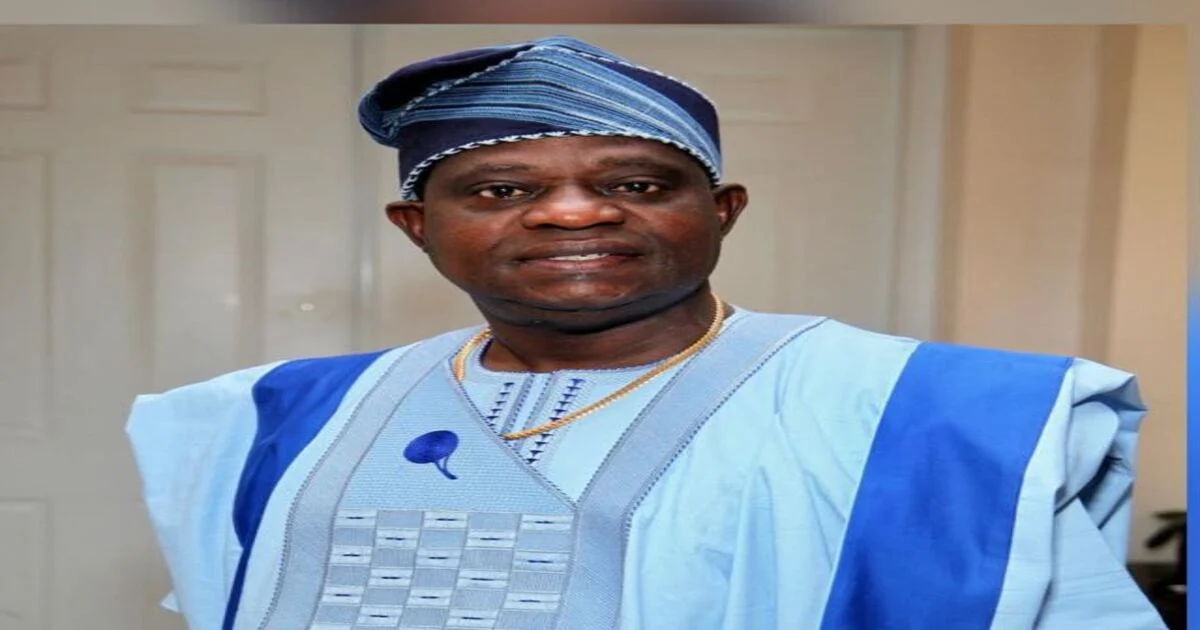
    By Wale Alonge

    Since President Donald Trump’s 2020 threat to “invade Nigeria” to stop what he called “the targeted genocide of Nigerian Christians by Muslims,” the term genocide has gained sudden, viral currency across Nigerian social media. It is now used casually, cavalierly, and often without any understanding of its historical roots or the international legal framework that defines it.

    When such a morally charged word is used loosely, it dilutes its moral and legal force — and makes enforcement far more difficult in genuine cases of genocide. That is why it is critical to define and apply it precisely, something sorely lacking in Nigeria’s public conversations.

    It is deeply ironic that the same President Trump who refuses to describe the state-sponsored mass killing, starvation, and displacement of Palestinians in Gaza as genocide was so quick to use the word for Nigeria’s communal violence.

    I am a Christian, so this is not a case of a non-Christian downplaying the killings of Christians. There is no doubt that many Nigerian Christians have been victims of murderous attacks by Islamist jihadist groups — often targeted specifically in their houses of worship. Only yesterday, reports emerged from Kwara State of Christians being slaughtered and kidnapped in church.

    But so have Muslims — indeed, in larger numbers according to widely available data — including many attacked in mosques. These killings are largely random, carried out by non-state insurgents and criminal militias using hit-and-run, opportunistic tactics, often also targeting government forces. There is no demonstrated element of state-sponsored intent to destroy a protected group, which is central to any credible genocide claim.

    What “Genocide” Actually Means

    The word itself derives from the Greek genos (“tribe” or “race”) and the Latin caedere (“to kill”). Polish lawyer Raphael Lemkin coined it during World War II, and in 1946 the United Nations General Assembly first recognized genocide as an international crime. It was later codified in the 1948 Convention on the Prevention and Punishment of the Crime of Genocide.

    Article II of the Convention defines genocide as any of the following acts committed with intent to destroy, in whole or in part, a national, ethnic, racial, or religious group:

    • Killing members of the group
    • Causing serious bodily or mental harm
    • Deliberately inflicting conditions of life aimed at destroying the group
    • Imposing measures intended to prevent births
    • Forcibly transferring children to another group

    The most difficult and crucial element is intent. Genocide requires a proven intention to physically destroy a protected group — not merely to displace it, weaken it, or target individuals for other reasons. This “special intent” (dolus specialis) distinguishes genocide from other international crimes.

    Nigeria’s Reality

    Every innocent life unjustly taken is one life too many. Nothing in this analysis minimizes the suffering of Nigerian Christians killed or displaced by jihadists or murderous Fulani militias that have devastated farming communities — particularly in the Middle Belt — through cycles of violence stretching back decades.

    But as horrific as these crimes are, to call them genocide is to misapply the term. The Genocide Convention arose from the ashes of the Holocaust — the targeted, systematic, state-orchestrated extermination of millions of Jews by Nazi Germany. That context matters.

    Nigeria’s insecurity is a grave humanitarian crisis, but not one that fits the legal or moral definition of genocide. The danger in misusing the word lies not just in linguistic carelessness, but in the erosion of its power to mobilize international justice where it is most needed — in places where governments, not bandits, plot the destruction of entire peoples.

    If we are to confront Nigeria’s violence meaningfully, we must name it for what it is: terrorism, mass atrocity, and state failure — not genocide. To do otherwise cheapens both the suffering of the victims and the gravity of one of humanity’s most serious crimes.


    Adewale Alonge, PhD, Founder & President, Africa Diaspora Partnership for Empowerment and Development. www.adped.org, writes in from Dadeland, Miami, Florida, USA.