Tag: Nigeria

  • Nigeria’s Youth Confab Is Being Replaced, Not Rescheduled

    Nigeria’s Youth Confab Is Being Replaced, Not Rescheduled

    As the 2026 federal budget advanced through the National Assembly, complete with the familiar reassurances that priority sectors had been fully captured, one of the government’s most consequential decisions revealed itself not through what was announced but through what was quietly thinned out. In the budget defence delivered by the Minister of Youth Development, Ayodele Olawande, the National Youth Conference, once framed as a generational intervention rather than a routine programme, appeared only as an idea suspended in abstraction, absent the timelines, funding clarity, and institutional urgency that signal political intent.

    In its place stood a confident architecture of skills-based interventions, from digital training pipelines to innovation challenges and vocational grants, all of which align neatly with a governing instinct that prefers administrable solutions to contested dialogue, and measurable outputs to unpredictable engagement. Within this framework, youth are increasingly addressed as economic units expected to adapt continuously, rather than as political actors whose collective grievances demand confrontation rather than containment.

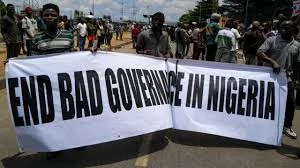
    This recalibration matters because Nigeria has walked this road before. When President Bola Ahmed Tinubu announced the Youth Confab in 2024, it came as a response to the #EndBadGovernance protests against a backdrop of deepening insecurity, excruciating cost of living crisis, and policy reforms that many young Nigerians experienced as exclusionary rather than corrective. The promise of a national youth dialogue carried weight precisely because it echoed an older recognition in Nigerian politics: that when grievances accumulate faster than institutions can absorb them, dialogue becomes a stabilising necessity rather than a symbolic gesture.

    That lesson was imperfectly learned during previous national dialogue efforts. Under President Olusegun Obasanjo, the 2005 National Political Reform Conference was convened amid mounting tensions over federalism, resource control, and representation. Despite its breadth, the conference collapsed under political calculation, leaving core questions unresolved, many of which later resurfaced with greater intensity in electoral disputes and regional agitation. Nearly a decade later, President Goodluck Jonathan’s 2014 National Conference produced extensive recommendations, yet its timing, too close to a charged election cycle, ensured that its outcomes were shelved rather than institutionalised.

    In both cases, the pattern was unmistakable: dialogue deferred or diluted did not neutralise dissent; it merely displaced it.

    It is against this historical backdrop that the slow hollowing-out of the Youth Confab becomes more than a scheduling issue. As timelines slipped, substantive engagement gave way to procedural gestures, including delegate registration portals that created the appearance of movement while postponing the harder work of convening disagreement. Participation statistics were offered where political listening was expected, reinforcing a familiar Nigerian cycle in which process substitutes for resolve.

    The consequences of continued deferral sharpen further as the electoral calendar advances. With the Independent National Electoral Commission already laying groundwork for the 2027 general elections, and civil society organisations such as Yiaga Africa warning that consultative platforms risk contamination once campaign logic takes hold, the space for a credible, non-partisan youth dialogue is narrowing by the month. History suggests that when national conversations are postponed until politics intrudes, they cease to be conversations at all.

    Meanwhile, the government’s reliance on skills acquisition as a response to youth discontent sits uneasily beside the persistence of insecurity. Despite vast allocations to defence in the 2026 budget, violence continues to shape daily life in parts of the country, including Zamfara, Niger, Kwara, Benue, Plateau, Kaduna and Katsina states where repeated attacks underscore the gap between expenditure and safety. In such contexts, digital empowerment narratives risk sounding less like opportunity and more like displacement, asking young people to adapt individually to conditions the state has failed to collectively resolve.

    The deeper danger, as history repeatedly demonstrates, lies not in protest itself but in what follows prolonged institutional deafness. When dialogue is consistently postponed, grievances migrate from conference halls to courtrooms, from courtrooms to streets, and from streets into long-term disengagement or radicalisation. Nigeria’s past national dialogues faltered not because conversation was unnecessary, but because it was treated as expendable once political risk increased.

    Seen through this lens, the Youth Confab’s current ambiguity is not a neutral pause but a familiar warning sign. By privileging adaptability over accountability, and management over engagement, the state risks repeating an old mistake under new branding. Young Nigerians have already demonstrated an extraordinary capacity to adjust to economic and social instability. What remains untested is whether a government that repeatedly avoids listening can indefinitely rely on that adaptability without consequence.

    History suggests otherwise.

    In that sense, the Youth Confab is no longer simply a postponed programme awaiting political convenience. It has become a measure of whether the Nigerian state has truly absorbed the lessons of its own past, or whether it is once again deferring a conversation until it returns under far less forgiving conditions.

    Time will tell.

  • Nigeria, Saudi Arabia Reaffirm Partnership on Hajj, Umrah Administration

    Nigeria, Saudi Arabia Reaffirm Partnership on Hajj, Umrah Administration

    Abuja — Nigeria and the Kingdom of Saudi Arabia have reaffirmed their commitment to strengthening cooperation in the administration of Hajj and Umrah, following a historic high-level engagement held in Abuja.

    The reaffirmation was disclosed in a statement by Ahmad Muazu, Technical Assistant (Media) in the Office of the Chairman and Chief Executive Officer of the National Hajj Commission of Nigeria (NAHCON), Prof. Abdullahi Usman.

    According to the statement, the commitment was expressed during talks between Nigerian authorities and a Saudi delegation led by the Kingdom’s Minister of Hajj and Umrah, Tawfiq Al-Rabiah.

    Welcoming the delegation, Prof. Usman described the visit as a landmark in Nigeria–Saudi relations and a strong signal of the Kingdom’s continued partnership with Nigeria in serving the “Guests of Allah.” He commended Saudi Arabia’s sustained investments in pilgrim welfare, infrastructure, safety, and service delivery.

    Usman said Saudi Vision 2030 had significantly improved the efficiency and quality of Hajj and Umrah operations globally. He also acknowledged challenges related to Umrah visa access for Nigerians, particularly overstaying by a segment of pilgrims.

    He said Nigeria was working with Saudi authorities to address the issue through stricter regulation of licensed operators, improved data accountability, and community-based sensitisation to ensure compliance and timely return.

    Usman reaffirmed NAHCON’s readiness to comply fully with all guidelines issued by the Saudi Ministry of Hajj and Umrah, stressing Nigeria’s resolve to protect the integrity of Hajj and Umrah operations while safeguarding pilgrims’ interests.

    Speaking at the meeting, Nigeria’s Minister of Foreign Affairs, Yusuf Tuggar, described the visit as historic, noting that it was the first time a Saudi Minister of Hajj and Umrah was visiting Nigeria.

    “This is the first time ever that a Minister of Hajj and Umrah of the Kingdom of Saudi Arabia is visiting Nigeria. It is history in the making,” Tuggar said.

    He conveyed the goodwill of President Bola Tinubu to the Custodian of the Two Holy Mosques, King Salman bin Abdulaziz Al-Saud, and to the Crown Prince and Prime Minister, Mohammad bin Salman bin Abdulaziz Al-Saud.

    Tuggar said cooperation in Hajj and Umrah administration remains a key pillar of Nigeria–Saudi relations, rooted in faith, mutual respect, and long-standing people-to-people ties. He also called for future discussions on quota expansion in view of Nigeria’s growing population.

    In his remarks, Al-Rabiah reaffirmed Saudi Arabia’s commitment to institutional cooperation with Nigeria, aimed at ensuring a safe and seamless experience for Nigerian pilgrims.

    He disclosed that about 89,000 Nigerians performed Umrah in 2025, with 92 per cent arriving on Umrah visas, supported by approximately 420 flights through King Abdulaziz International Airport in Jeddah.

    Al-Rabiah expressed optimism about preparations for the 1447 Hijri Hajj season, with emphasis on operational readiness, safety, service quality, and procedural efficiency.

    “Insha Allah, Hajj 2026 will be the best ever,” he said.

    Both sides agreed to sustain close coordination, strengthen regulatory compliance, and pursue practical solutions to enhance the experience of Nigerian pilgrims while preserving the integrity of Hajj and Umrah systems.

  • Senate Launches Probe as as Nigeria’s Rail Services Plummet

    Senate Launches Probe as as Nigeria’s Rail Services Plummet

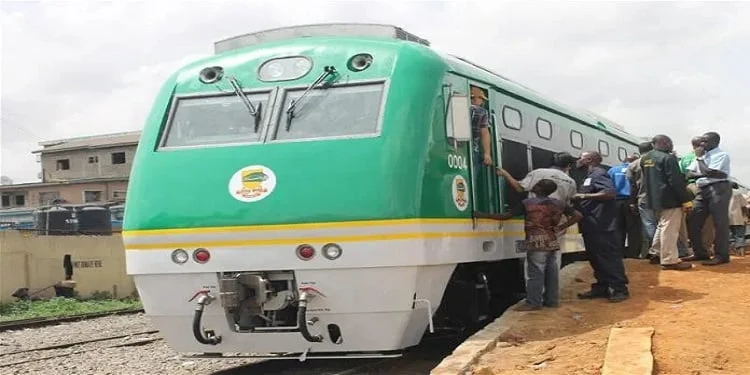
    The Senate has launched an investigation into Nigeria’s railway contracts and project execution following a sharp decline in services across key routes.


    Lawmakers expressed alarm that major lines such as the Kano–Kaduna corridor now operate just one passenger trip per day, while cargo delays have nearly doubled.


    During plenary, senators cited persistent bandit attacks, poor maintenance, and aging infrastructure as major setbacks undermining the rail sector’s revival.


    Senate President Godswill Akpabio directed relevant committees to conduct a comprehensive review of all ongoing and completed rail projects, focusing on their design, funding, execution, and maintenance records.


    The probe, lawmakers said, seeks to determine why Nigeria’s railway system, once seen as the backbone of national transport, is now struggling to meet basic operational standards.

  • Altered After Parliament: Nigeria’s Tax Laws and the Crisis of Executive Power

    Altered After Parliament: Nigeria’s Tax Laws and the Crisis of Executive Power

    By

    Dahiru Ali

    Nigeria’s recent tax reform laws, widely seen as a landmark step toward modernizing the country’s revenue system, have become the focus of growing scrutiny following allegations that the laws were altered after parliamentary approval. The House of Representatives Minority caucus has accused relevant actors of introducing unauthorized changes, raising questions not only about procedural integrity but also about the broader balance of power between the executive and legislative branches in Nigeria.

    The controversy came into the public eye in mid-December 2025 when Abdussamad Dasuki, a member of the House, claimed that key provisions of the newly enacted tax laws had been altered in the versions gazetted for public release. The allegations immediately sparked public debate, with some Nigerians calling for a suspension of implementation pending clarification. The concern, critics argue, is that changes made outside the legislative process could have significant legal, economic, and political consequences.

    A day before Dasuki’s public allegations, the leadership of both chambers of the National Assembly had instructed Kamoru Ogunlana, clerk of the Assembly, to coordinate with executive agencies to re-gazette the laws. Some analysts interpreted this directive as a tacit acknowledgment that the original gazetted versions contained errors or deviations from the versions approved by lawmakers.

    The laws in question include the Nigeria Tax Act, 2025, the Nigeria Tax Administration Act, 2025, the Joint Revenue Board of Nigeria (Establishment) Act, 2025, and the Nigeria Revenue Service (Establishment) Act, 2025. Each of these laws represents a key component of the government’s broader fiscal reform agenda, aimed at streamlining tax administration, broadening the tax base, and improving revenue mobilization.

    Yet preliminary findings from a seven-member committee appointed by Minority Leader Kingsley Chinda suggest that substantive alterations may have been introduced in some of the laws after passage. The committee, chaired by Afam Ogene, includes representatives from all six geopolitical zones: Aliyu Garu (Bauchi), Stanley Adedeji (Oyo), Ibe Osonwa (Abia), Marie Ebikake (Bayelsa), Shehu Fagge (Kano), and Gaza Jonathan (Nasarawa). Their mandate is to investigate discrepancies between the National Assembly-certified copies of the laws and the gazetted versions.

    Key Alleged Discrepancies

    According to Ogene, the Nigeria Tax Administration Act, 2025, shows the greatest variation among the four laws. The committee identified multiple areas of concern:

    • Tax compliance thresholds: Section 29(1) of the House-certified version set the tax compliance reporting threshold at ₦50 million for individuals and ₦100 million for companies. In the gazetted version, the threshold for individuals was reportedly reduced to ₦25 million, with company thresholds altered as well. Critics argue that such a change could significantly expand the number of taxpayers subject to reporting requirements.
    • Appeal conditions: Sections 41(8) and 41(9) were allegedly added in the gazetted copy, requiring taxpayers to deposit 20 percent of disputed tax amounts before appealing to the High Court. These provisions were reportedly not part of the version passed by the National Assembly.
    • Expanded enforcement powers: The gazetted law allegedly empowers tax authorities to arrest suspected offenders and sell seized assets without a court order, a provision absent from the original legislative version.
    • Altered definition of federal taxes: Section 3(1)(b) of the House-certified version defined federal taxes to include income tax, petroleum income tax, stamp duties, and value-added tax (VAT). The gazetted copy reportedly removed petroleum income tax and VAT from federal administration, potentially impacting revenue streams and intergovernmental fiscal relations.
    • Dollar-denominated petroleum tax computation: Section 39(3) of the gazetted version mandates that petroleum tax calculations be conducted in US dollars rather than in the currency of the transaction, diverging from the version passed by parliament.
    • Oversight provisions weakened: The National Revenue Service (Establishment) Act, 2025, allegedly had clauses removed that allowed lawmakers to summon officials, demand reports, and ensure accountability. Sections 30(1)(d) and 30(3), which provided for quarterly and annual reports to parliament, were reportedly deleted, raising concerns about the weakening of legislative oversight.

    Implications for Governance and the Rule of Law

    Experts argue that if these discrepancies are confirmed, they could have far-reaching consequences for governance in Nigeria. “The National Assembly is constitutionally empowered to make laws, and any unilateral alterations outside the legislative process undermine both the rule of law and democratic accountability,” said a constitutional law scholar who spoke on condition of anonymity.

    The controversy highlights the perennial tension in Nigeria’s governance system between the executive and legislative branches. While the executive is charged with implementation, the legislature retains the mandate to make and oversee laws. Any interference with this process, intentional or accidental, threatens the checks and balances that underpin democratic governance.

    The controversy has also reignited debate over the role of the presidency in legislative affairs. Analysts suggest that any unilateral alterations to passed laws, whether directly authorized or passively tolerated, signal a worrying disregard for democratic norms and the checks and balances that are meant to safeguard the country’s governance. Such actions, critics argue, risk eroding public confidence not only in the presidency but in the broader institutional framework that underpins Nigeria’s democracy.

    The issue also underscores broader concerns about transparency and procedural rigor in the publication of laws. Legal experts note that discrepancies between parliamentary-certified copies and gazetted versions could lead to confusion among taxpayers, enforcement agencies, and courts, creating uncertainty that may hinder the effective application of the tax reforms.

    Historical Context

    Nigeria has experienced similar controversies in the past, where differences between legislative texts and official publications have sparked public debate and legal challenges. Historically, such incidents have often fueled debates about executive overreach, the reliability of government documentation, and the integrity of legislative processes. Observers note that while these controversies sometimes resolve through clarifications or re-gazetting, the reputational impact on institutions can be long-lasting.

    The current allegations gain additional weight in the context of Nigeria’s ambitious economic reform agenda. Tax reforms are central to the government’s strategy to reduce dependence on oil revenue, expand the tax base, and modernize public finance management. Any procedural irregularities in the laws themselves risk undermining public confidence and investor trust, which are essential for successful implementation.

    Next Steps

    The House Minority committee has requested an extension of time to complete its review. Ogene emphasized that the committee’s work is aimed at ensuring accountability and safeguarding the constitutional role of the legislature. “Given the anomalies, illegalities, and potential procedural lapses, a thorough examination is warranted before the laws are fully implemented,” he said.

    Meanwhile, lawmakers, taxpayers, and policy analysts are closely watching the situation. Questions remain about who authorized the alleged changes, how they were made, and whether corrective action—including possible re-gazetting—will be sufficient to restore confidence in the legislative process.

    The controversy also serves as a reminder of the importance of transparency, meticulous record-keeping, and public oversight in the lawmaking process. As Nigeria continues to pursue economic and fiscal reforms, the integrity of legislative procedures will remain a critical factor in ensuring that reforms are both effective and legitimate.

    Broader Lessons

    At its core, this issue is not just about tax thresholds or procedural discrepancies; it is a reflection of the broader governance challenges that Nigeria faces. The balance of power between the executive and legislature, the clarity of legal texts, and the robustness of oversight mechanisms are all tested when allegations of post-passage alterations emerge.

    As the investigation unfolds, it provides an opportunity for Nigerian institutions to reinforce accountability, clarify procedural standards, and ensure that reforms—especially those with wide-reaching economic and social impact—are implemented with both transparency and legitimacy. For citizens, policymakers, and investors, the outcome of this scrutiny will offer insights into the resilience of Nigeria’s democratic and institutional processes.

    For now, the country watches as the investigation continues, aware that the resolution of this controversy will have implications not only for the implementation of the tax reforms but also for the credibility of Nigeria’s legislative and governance institutions.

  • Nigerian Navy Seeks Advanced Maritime Platforms, Technology Transfer at DIMDEX 2026

    Nigerian Navy Seeks Advanced Maritime Platforms, Technology Transfer at DIMDEX 2026

    The Chief of the Naval Staff (CNS), Vice Admiral Idi Abbas, has said the Nigerian Navy is pursuing advanced maritime platforms and enhanced technology transfer to strengthen its operational capacity.

    Abbas made this known at the 9th Doha International Maritime Defence Exhibition and Conference (DIMDEX 2026) held in Qatar.

    This was disclosed in a statement issued on Thursday in Abuja by the Director of Naval Information, Commodore Aiwuyor Adams-Aliu.

    According to the CNS, the Nigerian Navy has made significant progress in local shipbuilding, having constructed five seagoing platforms domestically. These include MV Sauka Lafia, NNS Andoni, NNS Karaduwa and NNS Oji.

    He noted that improved technology transfer would further reposition the Nigerian Navy as a leading manufacturer of warships on the African continent.

    DIMDEX 2026, held from January 19 to January 22 under the patronage of the Amir of the State of Qatar, Sheikh Tamim bin Hamad Al Thani, was hosted by the Qatar Armed Forces.

    The exhibition, regarded as the largest maritime defence and security showcase in the Middle East, offered the Nigerian Navy opportunities to explore cutting-edge maritime technologies and innovative naval platforms.

    During the four-day event, Vice Admiral Abbas engaged with leading global defence solution providers on emerging trends in shipbuilding, acquisition of naval platforms and technology transfer aimed at enhancing indigenous ship production.

    Several warships from partner nations were also berthed at Hamad Port and opened for inspection by dignitaries and participants.

    DIMDEX 2026 also enabled the Nigerian Navy to preview a range of precision-guided munitions suitable for maritime security operations and naval gunfire support within Nigerian waters.

    The CNS said the Navy’s participation aligns with his vision of building a modern, agile and professional naval force capable of securing Nigeria’s maritime interests in collaboration with other security agencies.

  • MTN Foundation Trains Over 2,000 Young Nigerians in Digital, Business Skills

    MTN Foundation Trains Over 2,000 Young Nigerians in Digital, Business Skills

    he MTN Foundation has trained more than 2,000 young Nigerians in digital and business skills under its Information and Communication Technology (ICT) Skills and Training Programme.

    Speaking on the initiative in a statement, the Executive Director of the MTN Foundation, Mrs Odunayo Sanya, said the programme was designed to equip young entrepreneurs with practical digital skills tailored to their business needs.

    She said small businesses remained the backbone of the Nigerian economy and that supporting young entrepreneurs with simple, affordable digital tools could significantly improve productivity and drive long-term growth.

    According to Sanya, the training, now in its seventh cohort, focuses on helping Small and Medium-sized Enterprises (SMEs) adopt digital tools to enhance productivity and sustainability. She noted that SMEs account for over 90 per cent of businesses in Nigeria and employ a large proportion of the workforce, according to data from the National Bureau of Statistics (NBS).

    The foundation said the programme followed a call for applications in September 2025, which attracted more than 5,000 entries from Nigerians aged between 18 and 35 years.

    Sanya explained that successful applicants are currently participating in a five-week virtual training programme scheduled to end in February 2026. The training began with a general onboarding session across four business tracks and is focused on practical digital growth for small businesses.

    Participants were drawn from sectors including food services, fashion, retail, logistics, beauty and printing, she said, adding that the training emphasises the use of affordable digital tools suitable for small and early-stage enterprises.

    The programme also promotes gradual digital transformation, encouraging participants to digitise basic operations before scaling up over time.

    The sessions are facilitated by a Business Analyst and Digital Transformation Expert, Mr Babajide Jolaolu-Kehinde, who highlighted the benefits of automating repetitive tasks to save time, reduce errors and improve efficiency.

    He introduced participants to tools such as WhatsApp and WhatsApp Business for customer engagement, as well as MTN’s MoMo API for digital payments. Through case studies, he demonstrated how digital tools could help small businesses expand their customer base and increase sales.

    The foundation added that participants would continue to have access to learning materials and recorded sessions throughout the duration of the programme.

  • Human Trafficking: NAPTIP Raises Alarm Over Baby-Selling in Akwa Ibom, rescue 68 victims

    Human Trafficking: NAPTIP Raises Alarm Over Baby-Selling in Akwa Ibom, rescue 68 victims

    NAPTIP rescued 68 victims of human trafficking and arrested 62 suspected traffickers in Akwa Ibom State in 2025, raising fresh concerns over the state’s deepening trafficking crisis.

    The Uyo Zonal Commander of the agency, Mr Ubong Ekwere, disclosed this on Thursday in Uyo during an interview with the News Agency of Nigeria (NAN).

    Ekwere said 51 of the rescued victims were females, while 17 were males. Five victims—two males, one female and two babies—are still receiving care at NAPTIP’s shelter, while others have been reunited with their families.

    He revealed that the command handled 58 trafficking cases during the year, with five transferred from the police, four from the Department of State Services (DSS), two from the Nigeria Immigration Service and 47 handled directly by the Uyo command.

    Despite the scale of the problem, Ekwere said only two convictions were secured, while 22 cases remain in court at various stages of prosecution. He, however, expressed confidence that more convictions would follow to serve as a strong deterrent.

    Describing Akwa Ibom as an endemic hub for human trafficking, the zonal commander warned of a disturbing new trend involving the sale of babies, which he described as a grave crime against the state.

    He urged parents and guardians to be alert to traffickers’ tactics, particularly promises of greener pastures for young girls, which often end in child labour or prostitution.

    Ekwere said NAPTIP would intensify aggressive sensitisation across churches, mosques, schools and rural communities to expose trafficking networks and protect vulnerable children.

    He called on state and local governments, corporate organisations and well-meaning individuals to support the agency, lamenting the absence of an operational vehicle to patrol the state’s 31 local government areas.

    The commander commended sister security agencies for intelligence sharing and warned traffickers to desist, stressing that Akwa Ibom and Nigeria were no longer safe for the crime.

  • NiMet Forecasts Dust Haze and Cloudiness Across Nigeria

    NiMet Forecasts Dust Haze and Cloudiness Across Nigeria

    The Nigerian Meteorological Agency (NiMet) has predicted dust haze and cloudiness in various parts of the country from Sunday to Wednesday.

    According to the agency’s weather outlook released in Abuja:

    • In the northern region, moderate dust haze is expected on Monday and Tuesday, increasing to thick dust haze on Wednesday.
    • The central region is forecast to experience thick to moderate dust haze throughout the period.
    • Inland cities in the southern region are expected to have moderate dust haze from Sunday through Wednesday.
    • Coastal areas are predicted to have sunny skies with patches of clouds, with isolated thunderstorms and light rains possible later in the day in Lagos, Bayelsa, Rivers, Cross River, Akwa Ibom, and Delta States.

    NiMet advised that dust particles are suspended in the air, recommending that people with asthma or respiratory conditions take necessary precautions. Drivers are advised to exercise caution during rainfall. Airline operators are encouraged to obtain airport-specific weather reports from NiMet.

    Residents are also advised to stay informed through official updates from NiMet via their website: www.nimet.gov.ng.

  • President Bola Tinubu Arrives in Abu Dhabi for 2026 Sustainability Week

    President Bola Tinubu Arrives in Abu Dhabi for 2026 Sustainability Week

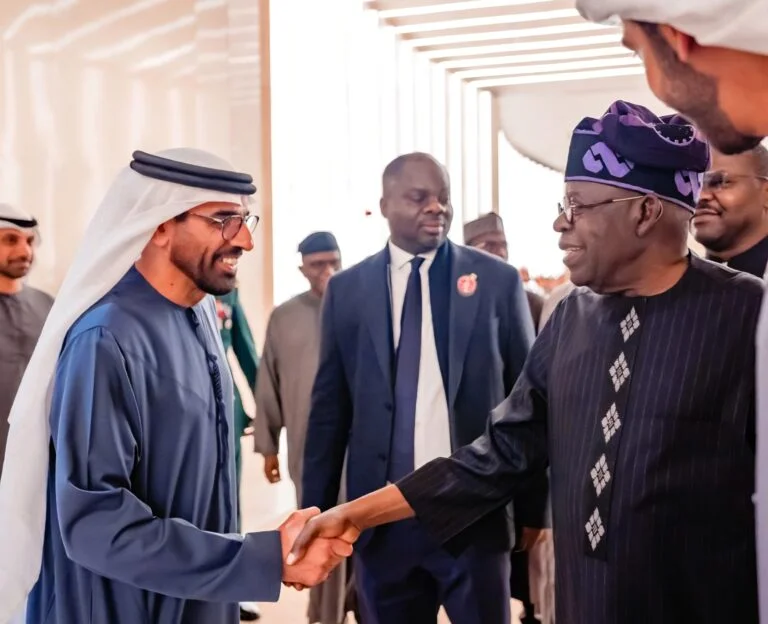
    President Bola Tinubu arrived in Abu Dhabi, UAE, on Sunday night for the 2026 Abu Dhabi Sustainability Week (ADSW), which begins Monday.

    His aircraft landed at the Presidential Wing of Zayed International Airport at 11:30 p.m. local time, according to Presidential Spokesperson Bayo Onanuga.

    Tinubu was welcomed at the airport by Sheikh Shakhboot Nahyan Al Nahyan, UAE Minister of State for Foreign Affairs, and UAE Ambassador to Nigeria Salem Saeed Al-Shamsi, alongside Nigeria’s Minister of Foreign Affairs, Ambassador Yusuf Maitama Tuggar, and other members of the Nigerian diplomatic mission.

    At his hotel, several Nigerian officials received the president, including Minister of Budget and Planning Atiku Bagudu, Minister of Industry, Trade and Investment Dr Jumoke Oduwole, and Director-General of the National Intelligence Agency Amb. Mohammed Mohammed.

    President Tinubu arrived from Europe, where he held consultations with Rwandan President Paul Kagame and French President Emmanuel Macron.

    The 2026 ADSW, themed “The Nexus of Next, All Systems Go,” focuses on sustainable development, climate action, energy transition, and inclusive growth.

    Tinubu’s visit highlights Nigeria’s commitment to global sustainability discussions and aims to strengthen diplomatic and economic relations with the UAE.

  • Tinubu’s Tax Reset and the Rising Cost of Living: Who Really Pays in 2026?

    Tinubu’s Tax Reset and the Rising Cost of Living: Who Really Pays in 2026?

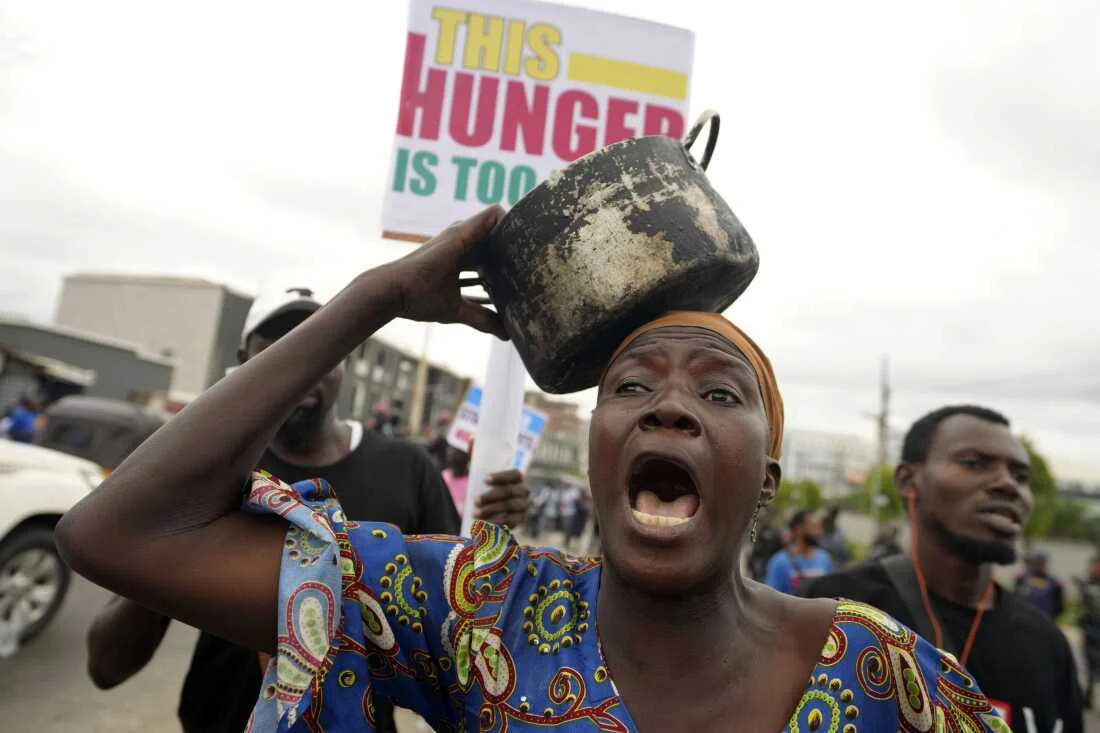
    By the start of 2026, the Nigerian economy had crossed a critical psychological threshold. For millions of households, survival, not prosperity, had become the central economic concern. Food prices climbed relentlessly, transportation costs ballooned, electricity tariffs rose, and the naira’s weakness continued to hollow out purchasing power. Wages, meanwhile, remained stubbornly stagnant. In one word: Nigeria’s cost-of-living crisis swirl.

    This is the economic terrain into which President Bola Tinubu’s administration has launched Nigeria’s most aggressive fiscal overhaul in decades. Framed as reform, sold as necessity, and defended as inevitability, the new tax regime arrives not as a technocratic adjustment but as an additional burden on a population already stretched to its limits.

    The question confronting Nigerians in 2026 is no longer whether reform is needed, but who bears the cost, and who decides how much pain is acceptable.

    Reform in the Middle of Hardship

    The removal of fuel subsidies unleashed a cascade of price increases that reverberated through every sector of the economy. Transport fares surged, food inflation accelerated, and informal businesses, already operating on thin margins, struggled to survive. Electricity tariff hikes followed, further eroding household incomes and raising production costs. Currency policy adjustments compounded the crisis, making imports more expensive and local substitutes scarcer.

    Rather than pause to stabilize living conditions, the government pressed ahead with sweeping tax reforms. For many Nigerians, the timing alone felt punitive: a state demanding more at the precise moment its citizens had less to give.

    A New Tax Regime, Old Trust Deficit

    The overhaul rests on four major laws that replace Nigeria’s chaotic tax framework with a centralized, digitally monitored system. On paper, the logic is compelling: fewer taxes, better enforcement, broader compliance. In reality, centralization without trust risks becoming coercion by another name.

    Progressive tax bands and exemptions for low-income earners are cited as evidence of fairness. Yet the lived experience tells a different story. Middle-income Nigerians comprising, civil servants, professionals, and small traders, are watching their take-home pay shrink as inflation bites and long-standing reliefs disappear. What remains is a widening gap between what the state demands and what it delivers.

    “Widening the Net” or Tightening the Noose?

    Officials insist the reforms are about widening the tax net rather than increasing the burden. But a net cast over a struggling economy does not magically become lighter because it is broader. When energy costs soar, food prices spike, and wages lag inflation, taxation, no matter how elegantly designed, feels punitive.

    The promise that higher revenue will eventually translate into better schools, hospitals, and infrastructure rings hollow in a country where decades of oil wealth failed to produce durable public value. Nigerians have heard this argument before. Each time, they were asked to be patient. Each time, patience yielded diminishing returns.

    VAT and Regional Fault Lines: Old Battles, New Weapons

    No element of Tinubu’s tax reset better exposes Nigeria’s unresolved national question than the proposed restructuring of the Value Added Tax (VAT) sharing formula. Presented by the government as a neutral, efficiency-driven move toward derivation, the reform has instead resurrected the ghosts of Nigeria’s most bitter fiscal conflicts, conflicts never resolved, only postponed. By tilting VAT allocation more decisively toward where consumption and economic activity are recorded, the reform overwhelmingly favours Lagos and a handful of commercially dominant states in the South-West. Lagos’s outsized contribution to VAT revenue is frequently cited to justify this shift. The logic is straightforward: where revenue is generated, revenue should remain.

    But Nigeria’s history warns that straightforward logic often produces dangerous outcomes. In the First Republic, a strong derivation principle allowed regions to retain up to 50 percent of revenues from cocoa, groundnuts, and palm produce. That system collapsed not because derivation was inefficient, but because widening regional disparities turned it into a political weapon. The fiscal tensions it generated contributed to the instability that ended civilian rule.

    After the civil war, military governments centralized revenue sharing not out of ideological preference, but because national survival required redistribution. Oil revenues were pooled to hold a fractured country together, not to reward efficiency. The VAT debate now retraces that path, without the trauma that once forced compromise.

    Many Northern states, heavily dependent on VAT allocations to fund basic services, see the reform not as fiscal federalism but as fiscal punishment. Their argument is blunt: productivity cannot be rewarded fairly in a country where productivity itself has been shaped by decades of uneven federal investment, insecurity, and policy bias. When ports, rail lines, industrial clusters, and financial infrastructure are concentrated in one region, derivation ceases to be neutral, it becomes structural exclusion.

    The echoes of the Niger Delta struggle are unmistakable. For decades, oil-producing communities watched wealth flow to Abuja while bearing the environmental and social costs of extraction. Today, roles appear reversed: commercially dominant states demand to keep what they generate, while poorer regions warn that redistribution, the glue of the federation, is being quietly dismantled.

    The federal government’s response, that states should simply “grow their economies,” rings hollow in regions battling insurgency, banditry, collapsing education systems, and mass poverty. Growth is not summoned by rhetoric; it is enabled by security, infrastructure, and human capital, public goods that require funding in the first place. History is unambiguous: Nigeria’s most destabilizing crises often begin as revenue disputes disguised as technical reforms. When groups feel fiscally cornered, resistance follows, political, legal, and sometimes worse. Wether anyone agrees or not, a VAT regime that sharpens inequality without robust equalization mechanisms is not reform, it is deferred instability. The question therefore becomes, wether Nigeria is prepared for another combustive civil disorder?

    The Lagos Model Goes National

    The reforms unmistakably bear the imprint of the Lagos model that is notorious for its centralized authority, digital surveillance, and uncompromising enforcement. In Lagos, this model thrived on a dense commercial base and a large formal sector. Nationally, it risks flattening Nigeria’s economic diversity into a one-size-fits-all template.

    Equally corrosive is the perception, fair or not, that fiscal power is increasingly concentrated within a narrow regional and ideological circle. In a federation where legitimacy depends on balance as much as performance, perception alone can be politically fatal.

    A Dangerous Gamble

    The tax reforms underpin President Tinubu’s ₦58 trillion 2026 Budget of Consolidation, a document that demands sacrifice now in exchange for promises later. But for Nigerians already suffocating under inflation, those promises feel remote and uncertain. This is the administration’s gamble: that Nigerians will endure sustained hardship on faith. Yet faith is precisely what the Nigerian state has depleted over decades of broken promises, opaque governance, and squandered revenues. Moreover, who shall have faith in your promises when it amounts to telling an economically distressed populace to fast while you, your family members and a few rogue elite feast?

    Tax reform without visible accountability is extraction.

    Ultimately, the success of Tinubu’s tax reset will not be decided in policy papers or revenue charts. It will be decided in markets, transport hubs, and households where people calculate daily whether survival is still possible.

    Without transparency, fairness, and immediate, visible improvements in public services, this reform risks doing more than failing. It risks hardening public cynicism, weakening compliance, and pushing an already fragile social contract toward a breaking point. As it is often asserted, Nigeria does not lack reform ideas. What it lacks is a state that convinces its citizens that reform is being done with them, not to them.