Tag: Nollywood

  • I married my husband a virgin – Regina Daniels clarifies claims of having 20 boyfriends

    I married my husband a virgin – Regina Daniels clarifies claims of having 20 boyfriends

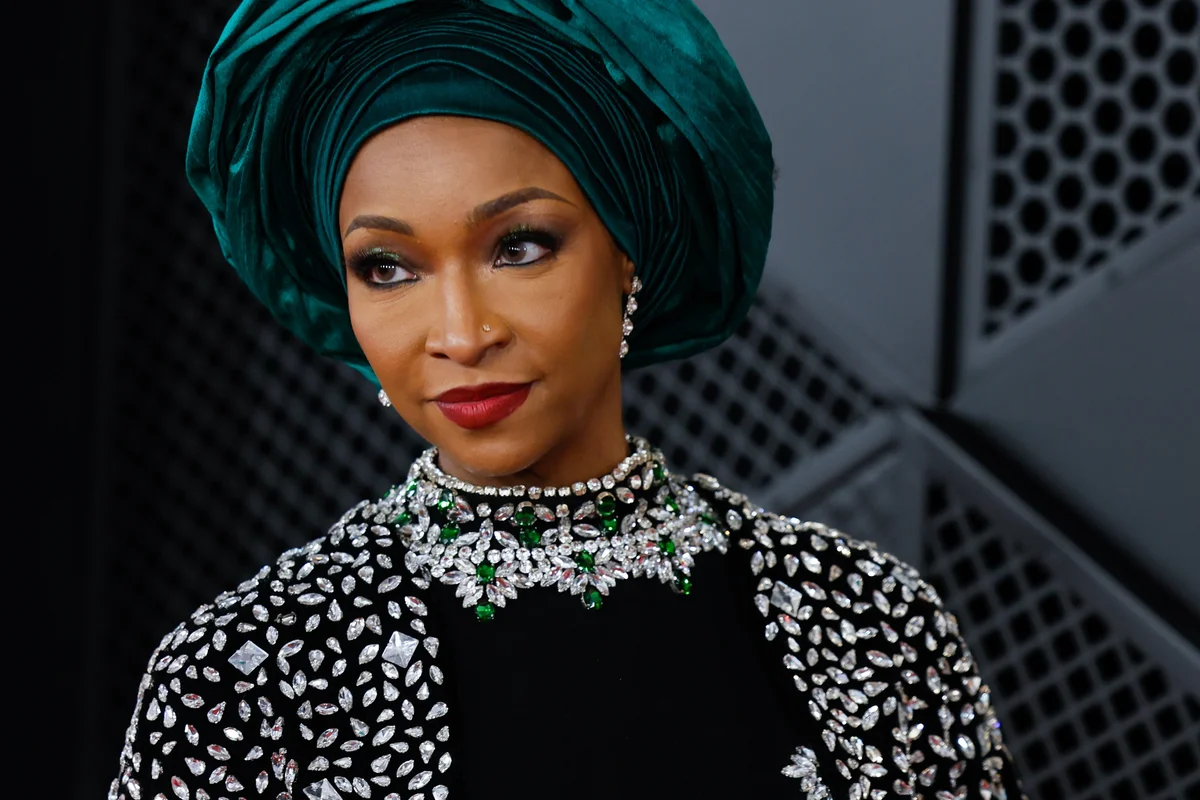
    Nigerian actress Regina Daniels has clarified that she lost her virginity to her husband, Ned Nwoko, after facing backlash for mentioning multiple boyfriends before their marriage.

    During a live session earlier on her social media page, the actress addressed rumors suggesting she had no choice in marrying Nwoko, who is significantly older, stating that she had “20 other men” providing for her basic needs.

    “When I saw him with my husband, I forgot I was supposed to have a boyfriend. At that time, I had about 20 boyfriends, each serving different purposes.

    When people think I didn’t have a choice or that my mom forced me, they don’t know my mom was actually against it.

    My entire family said no, but one day, I will share our story,” she said.

    Her comment about having “20 boyfriends” drew criticism from some Nigerians who accused her of being involved with numerous men prior to her marriage.

    In response to the backlash, Daniels took to Instagram on Wednesday to clarify her statements, emphasizing that she married her husband as a virgin and that her past relationships were not physical.

    She explained, “Hey everyone, I want to clarify that the ’20 boyfriends’ comment was meant to soothe my husband and educate young girls that having several male friends willing to do things for you doesn’t mean you owe them your body.

    And yes, I had many friends, but I promised to keep my virginity until marriage. And guess what? I did! It’s a big flex.

    “But hold on! What did you guys expect? It’s your little beautiful sweetheart, Regina Daniels. Of course, men and women would admire me. So everyone, please chill.”

  • Ini Edo announces engagement, teases fairytale wedding on Instagram

    Ini Edo announces engagement, teases fairytale wedding on Instagram

    Popular Nollywood actress Iniobong Edo Ekim, also known as Ini Edo, recently announced her engagement on Instagram.
    She described her fiancé as a perfect match who accepts her flaws.
    They met six months ago while on vacation, and their love has been growing ever since.
    Although she didn’t reveal her fiancé’s identity, she shared that he proposed three months into their relationship.
    Her Instagram post was captioned: “That bright Sunday morning six months ago, while on vacation, we crossed paths, and our lives never remained the same.”
    “Exactly three months later you asked me to be with you forever. How did I get so lucky?” she wrote with a picture.
    “They say, ‘your flaws are perfect for the heart that is meant to love you’ I now believe this wholeheartedly.
    “1 of 3 done. My fairytale wedding is almost here.
    “To anyone out there who has given up on their happily ever after, Love will find you, and when it does, ready or not, it’ll be the best thing that ever happened to you.”
    The actress ended the post with hashtags- #Loveisinifinite24, #MyFairytaleWedding, #SaveTheDate 20.10.24, and #myfairytaleweddingtheseries.
  • Nigeria’s Ailing Economy Killing Showbiz

    Nigeria’s Ailing Economy Killing Showbiz

    Nigeria’s entertainment industry, often celebrated for its creativity and economic potential, faces severe challenges due to the country’s ailing economy.
    In 2021, the film industry was reported to have contributed 2.3% ($660 million (239 billion naira)) to GDP.
    Indeed, the arts, entertainment, recreation, film, sound recording, and music production sectors contributed N288.31 billion to the GDP in the first quarter of 2014; by the same period in 2024, that amount had increased to N728.80 billion.
    With vital statistics on the economy pointing southward, there is palpable concern that this promising sector may be negatively impacted if nothing happens.
    For instance, as of June 2024, all indicators of the inflationary rate increased even though more slowly, according to the National Bureau of Statistics (@NBS), headline inflation for the period rose from 22.8 percent in June 2023 to 34.0 percent in May 2024, or 34.2 percent.
                              Data: NBS; Chart: NESG Research
    The official exchange rate was N1471/US$ in June 2023, compared to N769/US$ in June 2023. Rising import food inflation, at 36.4% y/y, is also contributing to the inflationary pressures. Food inflation is still the main driver of headline inflation; it increased to 40.9 percent year over year in May 2024 from 40.7 percent in May 2024 and much higher than 25.3 percent in June 2023 (see Fig 1). The core inflation rate also increased, from 20.1 percent in June 2023 to 27.4 percent in May 2024.

    Read: Nigeria’s inflation rate rose to a 28-year               high in June 2024 (NESG)

    The anticlimax was ascended recently as nationwide protests broke out with the youth clamouring for an #EndtoBadGovernance and #EndHunger.
    From Nollywood to Afrobeats, the impact of economic struggles is evident across all sectors of showbiz.
    Decline in Film Production
    Nollywood, the second-largest film industry in the world in terms of volume, has seen a noticeable decline in production.
    According to the National Bureau of Statistics (NBS), the number of films produced in Nigeria dropped by 17% in 2023 compared to the previous year.
    This reduction is linked to the rising costs of production, driven by factors such as the depreciation of the Naira and increased prices for equipment and services.
    Decreased Consumer Spending
    Inflation in Nigeria has soared, reaching 22.79% in June 2024, the highest in nearly two decades. This spike in inflation has eroded purchasing power, leaving many Nigerians with less disposable income for entertainment.
    The result is a significant drop in cinema attendance and music sales.
    In 2023, the Nigerian cinema industry recorded a 25% decrease in box office revenue, according to data from the Cinema Exhibitors Association of Nigeria (CEAN).
    Similarly, the sale of physical music albums has plummeted, with many consumers opting for cheaper digital streaming services.
    Challenges for Emerging Talent
    The economic downturn is particularly tough on emerging talent. The cost of producing a music video, for instance, has risen by approximately 30% in the last two years due to inflation and currency devaluation.
    For many up-and-coming artistes, these costs are prohibitive. According to a survey conducted by the Musicians Union of Nigeria, nearly 60% of emerging artists reported delaying or canceling projects in 2023 due to financial constraints.
    Shift in Content and Format
    To mitigate the effects of the economic downturn, many producers are turning to more cost-effective content formats. Online streaming platforms like YouTube and Netflix have seen a surge in locally produced web series and short films.
    This shift is reflected in the statistics: YouTube Nigeria reported a 35% increase in local content uploads in 2023. However, the revenue from these platforms is often lower than traditional cinema or TV, limiting the financial rewards for creators.
    International Collaborations and New Revenue Streams
    Despite the economic challenges, the Nigerian entertainment industry is showing resilience by exploring new avenues for growth.
    International collaborations have become more common, with Nigerian artists partnering with global brands and musicians.
    For instance, Nigerian music exports grew by 19% in 2023, with Afrobeats artists like Burna Boy and Wizkid leading the charge in the international market.
    Additionally, digital platforms have become vital revenue streams, with streaming revenue from platforms like Spotify and Apple Music increasing by 22% in 2023, according to a report by the Nigerian Copyright Commission.
    Nigeria’s struggling economy has significantly impacted its showbiz sector, leading to reduced productions, lower consumer spending, and challenges for emerging talent.
    However, the industry’s adaptability and innovation, particularly in embracing digital platforms and international collaborations, offer a silver lining.
    With strategic support and investment, the Nigerian entertainment industry can continue to thrive, even in the face of economic adversity.

  • Journalist, Songster, Onyeka Onweka Dies, Aged 72

    Journalist, Songster, Onyeka Onweka Dies, Aged 72

    Foremost journalist, Songster, actor and administrator, Ms Onyeka Onwenu has reportedly died. She passed, Tuesday evening at the Reddington Hospital, Lekki, Lagos.

    It was reported that Ms. Onwenu slumped after playing at the birthday party of Mrs. Stella Okoli, the Chief Executive (CEO) of Emzor Pharmaceuticals.

    Nigerian Anchor gathered from numerous sources that “Onyeka Onwenu just performed at the birthday of Mrs. Stella Okoli today (Tuesday, July 30, 2024), and after performing, she slumped.

    “She was taken to Reddington Hospital and she couldn’t make it,” the unnamed eyewitness told the newspaper.

    Born 31st January 1952, the late journalist turned singer, politician,rights activist, actor and administrator, and dubbed “The Elegant Stallion” by the Nigerian press, was at a time the chairperson of the Imo State Council for Arts and Culture.

    In 2013, she was appointed the Executive Director/Chief Executive Officer of the National Centre for Women Development.

    She will be remembered for her numerous songs, among them, “Wait for me” which she sang with Juju meastro, King Sunny Ade.

    There has not been official confirmation from her family as at the time of filing this report.

  • I felt like a stranger to myself – Simi 

    I felt like a stranger to myself – Simi 

    Nigerian singer Simisola Kosoko, popularly known as Simi, has opened up about her struggles to find herself.

    The ‘Duduke’ singer shared that while she has cherished the process of understanding herself deeply, she now feels uneasy as she experiences a sense of losing herself.

    On her X handle on Tuesday, she explained that she felt like a stranger to herself, while noting that her upcoming album ‘Lost And Found’ helped her rediscover herself.

    Simi wrote: “For most of my life, I have enjoyed the privilege of knowing myself deeply, unwaveringly, truly. In more recent years, I have also endured the discomfort of losing myself.

    “Sometimes, to make room for something else that I needed to be – other times, because I could not, for the life of me, find my way. I felt like a stranger to myself. This version of me has been the hardest one to look at in the mirror.

    “Making this album is a symbol of finding parts of myself again that I hoped I hadn’t lost permanently. I don’t believe that we ever stop finding ourselves. If you’re willing to look, there’s always more. This is a tribute to the things we continue to find and rediscover.”

  • FG bans money ritual, five other vices in Nollywood movies

    FG bans money ritual, five other vices in Nollywood movies

    Dr. Shaibu Husseini, the Executive Director and CEO of the National Film and Video Censors Board (NFVCB), announced that the Federal Government has approved a ban on depicting money rituals and the glamorization of vices in Nollywood movies.

    This announcement was made at a National Stakeholder Engagement on Smoke-Free Nollywood, held in Enugu on Wednesday.

    The NFVCB organised the event in collaboration with Corporate Accountability and Public Participation Africa (CAPPA).
     
    The engagement brought together movie producers, directors, actors, and leaders of various guilds and associations from across the Nigerian film industry.

    Husseini emphasised the urgent need for bold and ambitious actions from parents, guardians, and stakeholders to address the industry’s current challenges.

    “When my predecessor discussed with the former Minister of Information, Alhaji Lai Mohammed, the need for legislation to reduce smoking in Nigerian movies, it became clear that money rituals should also be addressed,” Husseini stated. “This regulation now includes ritual killings and the glamorization of other crimes to further sanitize the film industry.”

    He announced that the Minister of Arts, Culture and the Creative Economy, Hannatu Musawa, has approved the regulation under section 65 of the NFVCB Act 2004.

    The new regulation, titled “Prohibition of Money Ritual, Ritual Killing, Tobacco, Tobacco Products, Nicotine Product Promotion and Glamorisation Display in Movies, Musical Videos and Skits” Regulations 2024, has been forwarded to the Federal Ministry of Justice for gazetting.

    Husseini highlighted that the sensitization program aims to educate stakeholders about the dangers of depicting smoking in Nigerian movies.

    Besides health risks, he noted that glamorizing smoking negatively influences teens and young adults, who are the primary audience of Nigerian films.

    The NFVCB plans to undertake extensive enlightenment programs in secondary schools, tertiary institutions, local communities, faith groups, and other institutions.

    “The film industry plays a vital role in the entertainment and creative sector, and it is crucial that we prioritize its progress,” Husseini said. “

  • Why I Regret Not Marrying Earlier – Timini Egbuson

    Why I Regret Not Marrying Earlier – Timini Egbuson

    Nollywood actor Timimi Egbuson has shared his regret about relationships, saying he regrets not marrying earlier.

    The 36-year-old movie star said this in a recent podcast interview with content creator Kamsi Nnamani, emphasizing that he values the peace of mind a partner can provide over superficial qualities like looks.

    While revealing his struggles with relationships, Egbuson acknowledged that despite committing to several in the past, none have panned out.

    He also shared his regret about not settling down earlier, reflecting that he might have had a 14-year-old child by now if he had married sooner.

  • Actor Sisi Quadri Buried Amid Tears

    Actor Sisi Quadri Buried Amid Tears

    Late Nollywood actor, Quadri Oyebamiji, widely known as Sisi Quadri, found his final resting place in his Iwo hometown on Saturday. 

    The actor died on Friday while he was undergoing treatment at Ladoke Akintola University of Technology Teaching Hospital, Ogbomoso.

    The actor’s body, transported from Ogbomoso, arrived in Iwo on Friday, leading to an outpouring of grief. 

    A large gathering of residents, colleagues, and well-wishers attended prayers held at an open field near his residence. 

    Following the emotional ceremony, Sisi Quadri was laid to rest in front of his house in the Agbowo Area of Iwo.

    Toyin Olaiya, former governor of the Association of Nigeria Theater Art Practitioner in Osun State, and leader of the theater group Sisi Quadri joined in 1996, expressed shock over the actor’s passing. 

    Olaiya disclosed that Sisi Quadri fell ill while working on a film set, highlighting the unexpected nature of his death.

    Olaiya shared, “When I heard of his illness, I told some of his contemporaries that trained under me to visit him. I was told he had been moved to a private medical facility in Iwo for treatment. I never thought it would result in death.” 

    Sisi Quadri is survived by his wife and two children.

  • Iconic Cultural Figure Jimi Solanke Passes Away at 82

    Iconic Cultural Figure Jimi Solanke Passes Away at 82

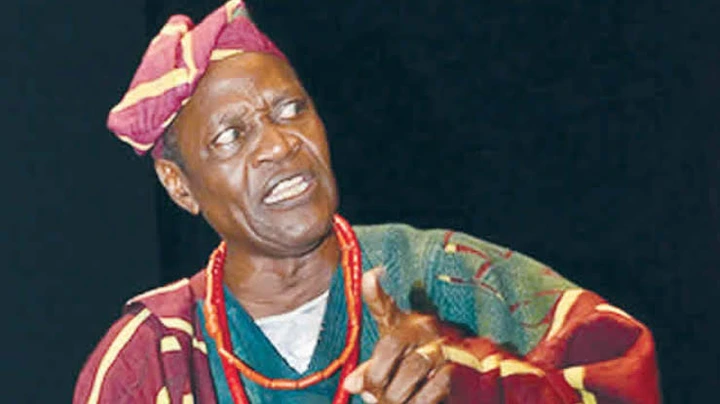
    The Nigerian entertainment industry has been thrown into mourning following the sudden demise of the consumate story teller and iconic cultural figure, Mr. Jiminy Solanke.

    The 82-year-old dramatist, folk singer, playwright, and poet has passed away after a brief illness this Monday, February 5.
    The veteran artist who left an indelible mark on the global entertainment scene breathed his last en-route to Olabisi Onabanjo University Teaching Hospital.

    Born on July 4, 1942, in Ipara Remo, Solanke’s artistic journey commenced with the Orisun Theatre Group, founded by the eminent Wole Soyinka in 1961. Over seven decades, his contributions resonated from Western Nigeria Television to international festivals in Senegal and Algeria during the 1970s.

    Solanke’s versatility illuminated through memorable performances like “Death and the King’s Horseman,” “Kurunmi,” “Kongi’s Harvest,” “The Divorce,” and “Ovaramwen Nogbaisi,” earning him acclaim on both local and international stages.

    Fondly known as Baba Agba, Solanke was more than an actor – he embodied the essence of a quintessential songwriter, performer, visual artist, and storytelling maestro. Praised for being “a better singer than an actor,” he seamlessly intertwined acting prowess with musical brilliance.

    His influence extended beyond the limelight as Solanke founded and directed Ibudo Asa in Ipara Remo, leaving a lasting legacy. Survived by his wife, Chief Mrs. Toyin Solanke, his departure signifies the end of a significant era in Nigerian entertainment, leaving a void that echoes globally.

    Jimi Solanke’s remarkable impact on African arts will be remembered as a profound contribution to the cultural heritage of the nation.

  • Comedian AY Bags International Appointment

    Comedian AY Bags International Appointment

    Renowned stand-up comedian and filmmaker, Ayo Makun, is set to take on a significant role as the Creative Goodwill Ambassador for the African Union Sixth Region Global and Economic Community Africa Sixth Region. 

    Makun shared the exciting news through his Instagram page, emphasizing the importance of the African diaspora, which constitutes the union’s sixth region, encompassing individuals of African heritage residing outside the continent, including African Americans, Afro-Caribbeans, Afro-Latin Americans, and Black Canadians. 

    In his post, AY Makun expressed his enthusiasm for championing creative expressions and engaging African youth in discovering their own creative voices on a global scale.

    He said: “I am happy to announce my appointment as a Creative Goodwill Ambassador for the African Union Sixth Region Global (AU6RG) and Economic Community Africa Sixth Region (ECASR).

    “The African Union has six regions: North Africa, West Africa, Central Africa, East Africa, Southern Africa, and the African diaspora. The African diaspora is the sixth region and is made up of people of African descent living outside of the continent. The diaspora includes African Americans, Afro-Caribbeans, Afro-Latin Americans, and Black Canadians.

    “My appointment as a Creative Goodwill Ambassador is to champion the power of creative expressions and engage the African youth in finding their own creative voice globally.”