Tag: OUT-OF-SCHOOL CHILDREN

  • KDSG to train 8,700 to combat menace of out-of-school children

    The Kaduna State Government says it will train 8,700 School Based Management Committee (SBMC) members to improve basic education in the state.

    Mubarak Muhammad, acting Executive Chairman of the Kaduna State Universal Basic Education Board (KADSUBEB), disclosed this at the opening of a six-day training of 92 Social Mobilisation Officers (SMOs) on Monday in Kaduna.

    The training is supported by UNICEF in collaboration with the Kaduna Government and the Reaching Out-of-School-Children (ROOSC) project, among other development partners.

    The 92 SMOs cut across the state’s 23 LGAs and would serve as master trainers who would cascade the training to SBMCs across the LGAs.

    Muhammad explained that the training, which was part of the ROOSC project, aimed to equip the officials with necessary skills to bridge the gap between the government and communities.

    He added that the training would cover school leadership, communication skills and resource mobilisation.

    “The officials will be equipped to mobilise resources and support for schools; ultimately improving education outcomes in Kaduna state,” he said.

    Muhammad also said it would focus on how to mobilise children back to school, addressing the out-of-school children phenomenon in the state.

    He stated that Gov. Uba Sani’s administration has been working to reduce the number of out-of-school children, adding the training was expected to have significant impact on the basic education subsector.

    The KADSUBEB acting boss restated the state government’s commitment to building the capacity of its citizens and ensuring a brighter future for its young people.

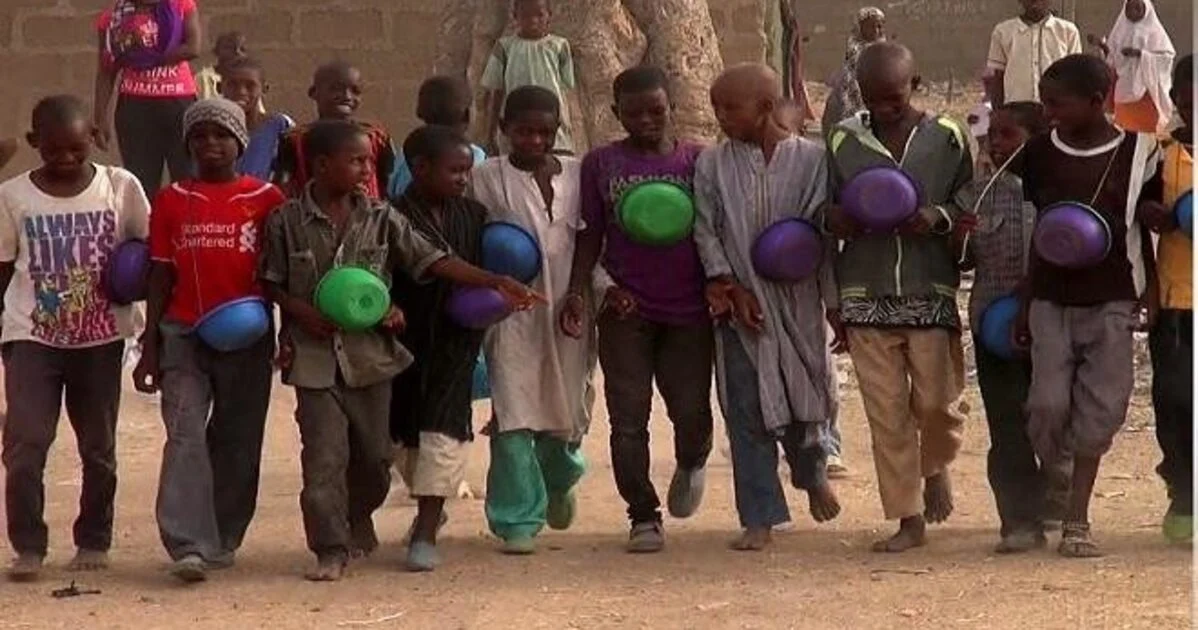
    The UNICEF Education Officer, Kaduna Field Office, Mr Bala Dada, lamented that the state was facing a significant out-of-school children crisis.

    “According to a 2022 KDBS survey, 768,000 children of basic school age currently not in formal education.

    “The ROOSC project by Kaduna state government and partners aims to reintegrate at least 200,000 of these children back into school,” he said.

    Dada stated that through collaboration, UNICEF and other partners leveraged community structures and government support to tackle the root causes of children being out of school.

    This, according to him, could be poverty, insecurity or lack of awareness.

    He contended that the SBMCs remained the most powerful community structures for ensuring school enrolment, retention, transition, and effective management of primary education.

    “SBMCs bring together parents, teachers and local leaders to support schools.

    “They bridge the gap between communities and the education system, helping to keep children in school and learning.

    “In the push to reduce out-of-school children, our greatest asset is community involvement through these SBMCs,” he said.

    Dada submitted that during the training, the master trainers  would empower the SBMC members with the skills and knowledge to mobilise their communities.

    He added that it would also help identify out-of-school children and support the children’s enrolment and successful progression through school.

    According to him, UNICEF is counting on SBMCs to transform community attitudes and ensure every child is welcomed into a safe learning environment.

    The education officer said UNICEF’s
    partnership extends technical expertise, funding and monitoring support, while the government provides the policy backing and personnel to drive change on the ground.

    The Coordinator of the ROOSC project, Mr Ezra Angal, said the training was a strategic investment in community-led school management.

    He added that SBMCs serves as a bridge between schools and the communities they served, ensuring that every child especially the most marginalised, has a voice and pathway into inclusive and quality education.

    He said that building resilient and responsive school systems starts with empowering local actors by equipping master trainers with the tools and knowledge to train others.

    Angal, therefore, said UNICEF and the Kaduna State Government were reinforcing the ROOSC project’s shared commitment.

    This, he said, was to increase access, participation, and learning outcomes for all children including girls, children with disabilities and out-of-school children.

    He urged all the participants to approach the training with dedication and a sense of purpose.

  • Kuwait commits to empower 200,000 out-of-school children in Kaduna

    Kuwait commits to empower 200,000 out-of-school children in Kaduna

    The Kuwaiti government has reiterated its commitment to empowering 200,000 out-of-school children in Kaduna State, Nigeria, through the Reaching Out-of-School Children (ROOSC) project.

    Mr Salim Almuzayen, the Ambassador of the State of Kuwait to Nigeria, made this announcement on Tuesday during the 64th National Day and 34th Liberation Day commemoration of Kuwait in Abuja.

    Almuzayen explained that the initiative aimed to provide equitable access to quality primary education, especially for children with disabilities, girls, and adolescents in Kaduna State.

    He noted that the project, funded by the Kuwait Fund for Arab Economic Development in collaboration with partners and UNICEF, was designed to support more than 200,000 students.

    The Ambassador also highlighted the long-standing bilateral relations between Kuwait and Nigeria, dating back to the 1960s, when the Al-Sabah School was built in Kaduna.

    “It reflects the depth of these historical relations and shows the potential for further cooperation in various areas between our two friendly countries,” he added.

    On his part, Mr Adeolu Okenla, the Senior Councillor of the Middle East and Gulf Division at the Ministry of Foreign Affairs, lauded the strong diplomatic ties between Nigeria and Kuwait.

    These ties, he noted, began in 1971, with collaboration in political and economic areas.

    Okenla explained that Kuwait’s National Day and Liberation Day were significant milestones in the country’s history.

    “The National Day marks Kuwait’s independence from British protection in 1961, while the Liberation Day commemorates the country’s freedom from Iraqi occupation in 1991.

    “Kuwait has made significant progress since then, becoming a wealthy and safe country with a high standard of living,” he said.

    He further commended Kuwait for its contributions to regional peace and development, particularly within the Gulf Cooperation Council.

    Okenla also expressed appreciation for Kuwait’s free education policy, which spans from primary school to university and has contributed to a 96.46 per cent adult literacy rate in the country.