Tag: shipping news

  • NPA: Arrival of 33 Ships at Lagos Ports Expected to Ease Fuel, Food Supply Pressures

    NPA: Arrival of 33 Ships at Lagos Ports Expected to Ease Fuel, Food Supply Pressures

    The Nigerian Ports Authority (NPA) has announced the expected arrival of 33 vessels carrying petroleum products, food items and other cargoes at major Lagos ports, a development analysts say could help ease supply shortages and moderate inflationary pressures in the country.

    According to the Authority’s Daily Shipping Position released on Monday, the vessels are scheduled to arrive between February 22 and February 27 at the Apapa Port, Tin Can Island Port, and the Lekki Deep Sea Port.

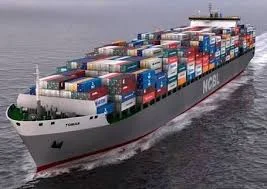
    The NPA disclosed that 17 of the incoming ships are container vessels transporting assorted goods, while the remaining 16 ships will berth with bulk gas, diplomatic cargo, bulk urea, empty containers, crude oil, bulk clinker and blended stock.

    The mix of cargoes highlights the role of Lagos ports as a critical gateway for consumer goods, industrial inputs and energy products.

    The Authority also revealed that seven ships and tanker vessels have already arrived at the ports and are currently waiting to berth with aviation fuel, petrol, containerised goods and general cargo, while 17 vessels are actively discharging bulk wheat, soya beans oil, general cargo, bulk sugar, bulk urea, trucks, fresh fish and containers of various goods.

    Economic and Inflation Implications

    Economists say the steady inflow of vessels laden with petroleum products could help stabilise domestic fuel supply, particularly for aviation fuel and petrol, at a time when energy costs remain a major driver of inflation in Nigeria. Improved fuel availability is expected to reduce logistics and transportation costs, which often cascade into higher prices for goods and services.

    Similarly, the discharge of food-related cargoes such as wheat, sugar, soya beans oil and fresh fish is seen as critical to easing pressure on food prices, which account for a significant portion of Nigeria’s inflation basket. Adequate supply of these commodities supports food processors, bakeries and retailers, potentially slowing the pace of price increases if distribution bottlenecks are minimised.

    The arrival of bulk urea and clinker is also expected to support the agricultural and construction sectors. Urea availability is vital for fertiliser production and farm output, while clinker imports are essential for cement manufacturing. Improved access to these inputs could help contain production costs in both sectors, with positive spillover effects on food prices and housing costs.

    Industry analysts note that while vessel arrivals alone do not automatically translate into lower prices, efficient port operations, timely cargo evacuation and improved inland transportation are key factors that will determine the overall economic impact. Delays, congestion or high logistics costs could offset the potential benefits of increased cargo inflow.

    The NPA reiterated its commitment to improving operational efficiency across Nigeria’s ports, stating that faster vessel turnaround and enhanced cargo handling remain central to efforts aimed at supporting trade, economic stability and inflation management.

  • NIMASA moves floating dock to new Dolphin Jetty

    The Nigerian Maritime Administration and Safety Agency (NIMASA)’s floating dock would be moved to its new site by a Nigerian-registered company, Melsmore Marine Nigeria Limited.

    The floating dock will be moved from the Naval Dockyard to the waterfront of the Dolphin Jetty at the Nigerian Ports Authority (NPA) Dockyard which used to be the Continental Shipyard.

    Mr Danny Fuchs, the Managing Director, Melsmore Marine Nigeria Ltd, confirmed the development in a statement on Friday in Lagos.

    Fuchs said they were committed to executing their project.

    “Our job is to move the Modular Floating Dock from the present location to the waterfront of the Dolphin Jetty at Apapa.

    “THSD SEA LION which occupied the leased area at the water front have vacated the jetty now. We have a commercial understanding with NIMASA on how to execute this project,” he said.

    He noted that they had submitted a feasibility study taking note of the mooring system required to anchor the modular floating dock at the Dolphin jetty.

    Fuchs said the mooring system supplied by the manufacturers of the modular floating dock was made up of two steel piles of 36 meters length, two meters in diameter and a weight of roughly 48 tonnes each.

    He said these massive piles need to be driven about 20 meters into the seabed, adding that they would bring their expertise to bear in carrying out the project.

    “We also hope to invite the manufacturers, Damen Shipyard, to join forces in achieving this relocation project,” he said.

    While addressing the officials of Melsmore, the Director General of NIMASA, Dr Bashir Jamoh, emphasised the need for them to review the action plan in the light of realities on ground with detailed deliverables, and key performance indicators with clearly stated timelines.

    “Nigerians eagerly await the deployment of the modular floating dock. This is a national asset, which has potential to boost maritime trade, create jobs, develop skills, by providing training avenues to various maritime training institutions in Nigeria.

    “It will also attract foreign investment and prevent capital flight, thereby generating revenue,” he said.