Tag: State Legislature

  • Rivers Assembly Begins Impeachment Process Against Gov Fubara

    Rivers Assembly Begins Impeachment Process Against Gov Fubara

    Contrary to public expectations of renewed presidential intervention, the Rivers State House of Assembly has voted overwhelmingly to commence an investigation into allegations leveled against Governor Siminalayi Fubara.

    Twenty-five of the state assembly’s 32 lawmakers voted in favor of initiating the impeachment process. The decision came after efforts to resolve the political impasse through behind-the-scenes negotiations proved futile.

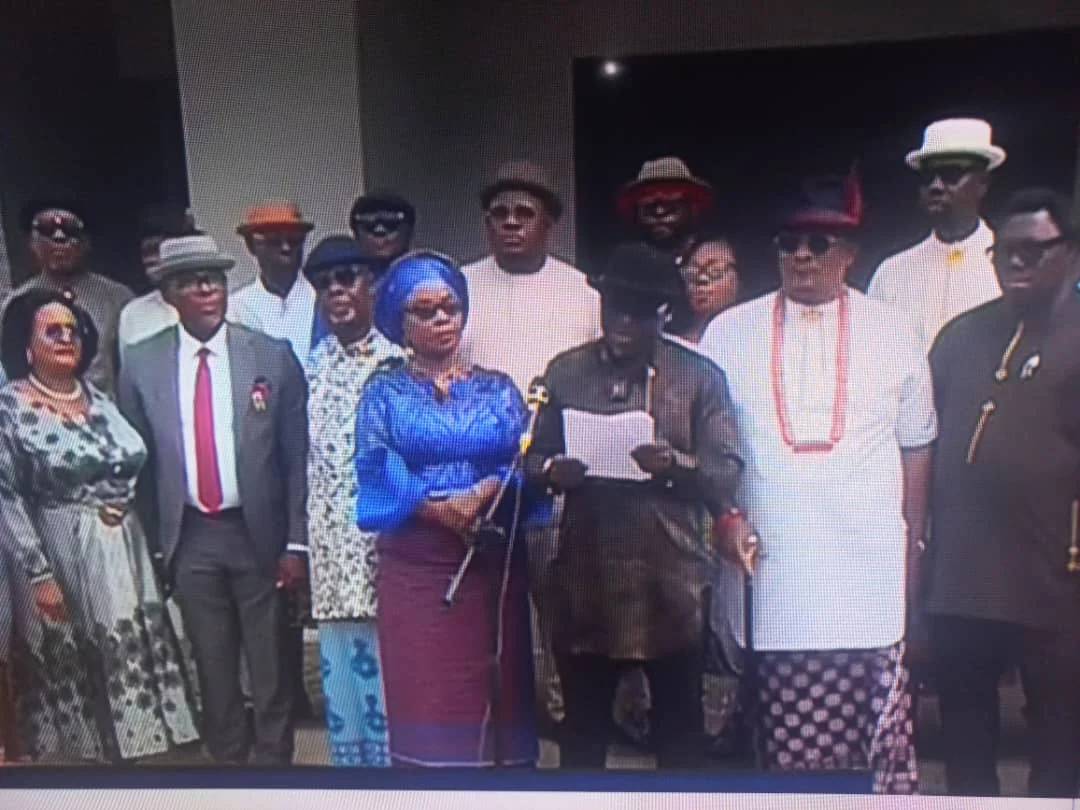
    Lawmakers announced the decision on Friday at the temporary Assembly complex, addressing the press on why the impeachment process had reached what they described as a point of no return. During the briefing, a member read a written statement outlining the Assembly’s position.

    The House said the decision followed the presentation of formal allegations against the governor and the subsequent resolution to proceed with an investigation.

    Some lawmakers who had previously distanced themselves from the impeachment threat have now reversed their positions. Hon. Emelia Amadi, speaking at the Assembly premises, said she had decided to close ranks with her colleagues, citing what she described as Governor Fubara’s continued unconstitutional actions.

    Other members reiterated their resolve to continue with the process, emphasizing that their actions were guided by constitutional responsibility and the need to uphold the rule of law.


    The impeachment of a state governor in Nigeria is governed by Section 188 of the 1999 Constitution (as amended).

    Under the Constitution, impeachment may be initiated on grounds of gross misconduct, defined as grave violations of the Constitution or serious misconduct in the performance of official duties.

    The process begins with a notice of allegation signed by at least one-third of the members of the State House of Assembly and served on the governor. Within 14 days, the Assembly must decide whether to investigate the allegations. Such a decision must be supported by not less than two-thirds of all members.

    If approved, the Speaker requests the Chief Judge of the State to constitute a seven-member investigative panel of persons of unquestionable integrity. The panel is required to investigate the allegations and allow the governor to respond.

    The panel must submit its report within three months. If the allegations are not proven, the matter ends. If they are proven, the House may proceed to adopt the report.

    A governor is removed from office only if the panel’s report is adopted by a resolution supported by not less than two-thirds of the Assembly members, after which the removal takes immediate effect.

    While the Constitution limits court interference in impeachment proceedings, the process must strictly comply with constitutional provisions to be valid.

  • Nasarawa Assembly Passes N545.2bn 2026 Appropriation Bill

    Nasarawa Assembly Passes N545.2bn 2026 Appropriation Bill

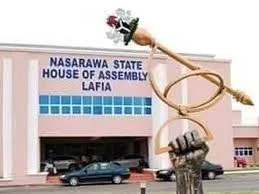
    The Nasarawa State House of Assembly has passed the 2026 Appropriation Bill of N545.2 billion into law, following deliberations at plenary in Lafia on Tuesday.

    The approved budget represents an increase of N27.6 billion over the N517.5 billion proposal earlier presented to the House by Governor Abdullahi Sule.

    Announcing the passage, Speaker of the House, Danladi Jatau, described the development as a major legislative milestone, noting that the budget would enable the state government to implement people-oriented projects aimed at driving overall development across Nasarawa State.

    According to Jatau, the approved estimates allocate N316.26 billion for capital expenditure and N228.72 billion for recurrent expenditure. He explained that the increase in the budget size was necessitated by the prevailing inflationary pressure, which has significantly affected the cost of projects and service delivery.

    He disclosed that security-related votes received an additional N14 billion, while the Ministry of Local Government was allocated an extra N7 billion. The Ministry of Information, Culture and Tourism also got an additional N3.7 billion, alongside funding approval for the 55-kilometre Lafia–Kwandere–Garaku road project.

    The Speaker commended the House standing committees for what he described as their diligence and thoroughness during the budget defence and review process. He urged the executive arm to ensure full implementation of the budget once it receives the governor’s assent.

    “A Bill to authorise the issue of N545.18 billion from the Consolidated Revenue Fund of Nasarawa State for the 2026 financial year has scaled third reading and passed,” Jatau said.

    He subsequently directed the Clerk of the House to prepare a clean copy of the bill for transmission to the governor for assent.

    Earlier, the Majority Leader, Suleiman Azara, moved the motion for the passage of the bill, which was seconded by the Minority Leader, Luka Zhekaba. The bill was unanimously adopted by members of the House.

    Governor Sule had presented the initial N517.5 billion budget proposal to the Assembly on November 26, describing it as the “Budget of Strategic Consolidation.”

    During the presentation, he commended the legislature for its consistent support, particularly in ensuring the timely passage of appropriation bills.