

Category: Health

  • 720,000 people commit suicide annually – WHO

    720,000 people commit suicide annually – WHO

    More than 720,000 people commit suicide every year and many more attempt it, the World Health Organisation (WHO) has said.

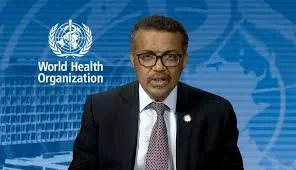
    The Director-General of WHO Tedros Ghebreyesus is calling for “shifting the narrative” on the issue “to challenge harmful myths, reduce stigma and foster compassionate conversations.”

    Speaking on the World Suicide Prevention Day, which is marked annually on September 10, Tedros said “each life lost leaves a profound impact on families, friends, colleagues and entire communities.”

    All age groups are affected by suicide and was the third leading cause of death among 15–29-year-olds globally in 2021, the last year for which data has been gathered by WHO.

    Suicide does not just occur in high-income countries and impacts all regions of the world, close to three quarters of global suicides occurred in low and middle-income countries in 2021.

    The average number of suicides across the world in 2021 was 8.9 per 100,000 people.

    In Africa, the figure stood at 11.5, while in both Europe and Southeast Asia the number of suicides was recorded at 10.1 per 100,000 people.

    The link between suicide and mental disorders, in particular, depression and alcohol use disorders, and a previous suicide attempt is well established in high-income countries.

    However, many suicides happen impulsively in moments of crisis with a breakdown in the ability to deal with life stresses, such as financial problems, relationship disputes, or chronic pain and illness.

    In addition, experiencing conflict, disaster, violence, abuse or loss and a sense of isolation are strongly associated with suicidal behaviour.

    Suicide rates are also high among vulnerable groups who experience discrimination, such as refugees and migrants, indigenous peoples, lesbian, gay, bisexual, transgender, intersex (LGBTI) persons and incarcerated prisoners.

    “We must move from silence to openness, from stigma to empathy, and from neglect to support,” Tedros said.

    “We must create environments where people feel safe to speak up and seek help,” he stressed.

    “Shifting the narrative on suicide also means driving systemic change, where governments prioritise and invest in quality mental health care and policies to ensure everyone gets the support they need.”

    According to the 2024 Mental Health Atlas report by WHO, median government spending on mental health has remained at a modest two percent of total health budgets since 2017.

    Moreover, there is a significant disparity between high-income and low-income nations.

    Whilst high-income nations allocate up to $65 per person to mental health, low-income nations spend as little as $0.04.

    WHO recognises mental health as a universal human right.

    WHO says that there are effective measures that can be taken to prevent suicide and self-harm.

    LIVE LIFE, the agency’s initiative for suicide prevention, recommends limiting access to the means of suicide (eg, pesticides, firearms, certain medications).

    It also recommended interaction with the media for responsible reporting of suicide;

    Fostering socio-emotional life skills in adolescents, early identification, assessment, management and following up anyone who is affected by suicidal behaviours are other effective measures, according to WHO

  • World Breastfeeding Week: Youth groups hold awareness walk in Kano

    U-Reporters and other youth groups on Friday staged awareness rallies across Kano metropolis to commemorate the 2025 World Breastfeeding Week.

    U-Reporters have been involved in initiatives related to child malnutrition, vaccination advocacy, and raising awareness about Child Protection Law.

    The rallies, held simultaneously from 10.00 a.m. to 12.00 noon, were aimed at sensitising residents on developmental benefits of breastfeeding for children and mothers.

    Leader of the group at Hadeja Road, Abdullahi Umar, said the walk was part of efforts to promote exclusive breastfeeding, in line with the 2025 theme: “Closing the Gap: Breastfeeding Support for All.’’

    He urged community leaders, health workers and policymakers to create enabling environments for breastfeeding to improve child survival rates and maternal health outcomes.

    Similarly, the Team Lead at Kofar Nasarawa, Umar Faruk, said that the campaign aimed at raising awareness on the importance of breastfeeding.

    According to him, messages were delivered in multiple local languages to ensure inclusiveness and understanding.

    Another participant, Aisha Ismael, said the road walk reinforced the need for collective action in supporting mothers and infants in all settings.

    She added that the campaign sought to promote the health benefits of breastfeeding and to advocate for supportive environments.

    Some of the participants who spoke to Nigerian Anchor said the street activations were also meant to enlighten the public on the developmental benefits of breastfeeding for children and mothers.

    The events took place at 11 strategic locations in the state- Dangi Roundabout; KSIP Roundabout on Ahmadu Bello Way; Triumph Roundabout; and First Bank Roundabout on Lagos Street.

    Others are Hotoro Roundabout (Eastern Bypass); Government House Roundabout, State Road; Abubakar Rimi Market Gate (Sabon Gari Market); Kofar Gadon Kaya on Aminu Kano Way; and Kofar Nasarawa on the road to the Emir’s Palace. 

  • NAFDAC seizes fake products worth N1.5bn in Lagos

    NAFDAC seizes fake products worth N1.5bn in Lagos

    The National Agency for Food and Drug Administration and Control (NAFDAC) on Saturday seized banned, expired, and unregistered items worth over N1.5 billion in Lagos.

    The operation was conducted by NAFDAC’s Investigation and Enforcement team at the cosmetics section of the Trade Fair market.

    A truckload of counterfeit NAFDAC-regulated products was also intercepted by the team during the operation.

    Dr Martins Iluyomade, Director of Investigation and Enforcement, led the team and addressed journalists after the exercise.

    He said the operation was part of NAFDAC’s national action plan to eliminate harmful products from markets nationwide.

    “We’ve received many complaints from Nigerians about unsafe products, and this exercise continues our efforts to remove such items from circulation.

    “Some of the confiscated goods are banned products that entered illegally, bypassing required testing procedures.

    “We discovered many expired products still displayed for sale in warehouses. The total value exceeds N1.5 billion,” he said.

    According to him, owners of the warehouses with unwholesome items have been invited for investigation.

    “If found guilty, they will face appropriate legal consequences,” he said.

    He explained that NAFDAC, as a scientific agency, uses visual inspection and lab tests to assess product safety.

    “We first carry out visual checks to confirm if products meet basic regulatory requirements.

    “Then we send samples to the laboratory to verify contents before approving products as safe,” Iluyomade said.

    He warned that some items may appear normal but contain harmful or carcinogenic chemicals.

    “All imported or locally-made products must comply with NAFDAC standards before distribution.

    “Some traders bypass proper registration, putting Nigerians’ lives at risk,” he said.

    He described food and drug regulation as a matter of national security.

    “One way to silently harm people is through contaminated food or skincare products,” he noted.

    He called for serious national attention to such threats.

    Iluyomade urged Nigerians to stop harmful practices that endanger public health.

    He clarified that NAFDAC supports business but prioritises consumer safety.

    “Our mission is not anti-business. We aim to guide and protect everyone, including the business owners,” he said.

    He assured the public that NAFDAC would continue its fight against fake, banned, and expired products.

  • All not well in Federal Neuro-Psychiatric Hospital, Yaba – NMA

    Irked by current tussles, the Nigerian Medical Association (NMA), has called for adherence to the laid down process of appointment of Executives of the Federal Neuro-Psychiatric Hospital, Yaba.

    Its Lagos State Chairman, Dr Babajide Saheed, in a statement on Monday, said the institution is on the verge of administrative collapse due to the emerging crisis over the appointment of Acting Medical Director.

    According to him, NMA is duty-bound to speak on behalf of its members and the broader healthcare community when actions within the system undermine integrity, efficiency, and the well-being of patients and professionals.

    Saheed commended the Minister of State for Health, Dr Adekunle Salako and the Federal Ministry of Health for their initial steps in responding to the staff’s concern.

    “We are compelled to register our strong dissatisfaction with the decision to retain Dr Olugbenga Owoeye—whose tenure as Medical Director has expired—as Acting Medical Director.

    “This move is deeply concerning. A second-term appointment must be earned on merit,” Saheed said.

    He urged the Ministry to deliver the health mandate of President Bola Tinubu by prioritising institutional stability, staff welfare, and patient-centred care.

    The NMA leader further appealed to the Ministry to avoid decisions not in tandem with the provisions of Public Service Rules and hence crisis-proned.

    He emphasised that the Association would continue to engage and collaborate with relevant authorities to ensure adherence to laid down processes.

    “NMA demands the immediate reversal of Dr Owoeye’s appointment as Acting Medical Director.

    “Appointment of the ‘next’ most senior and competent officer as acting medical director pending the appointment of substantive medical director in line with public service rules and established circulars (SGF.50/S.II/C.2/268)

    “An open, transparent, and merit-driven process for the selection of a substantive medical director,” he said.

    Saheed called for further engagement with NMA and MDCAN to ensure that the situation does not degenerate into a full-blown crisis.

    According to him, NMA stands firm in its conviction that leadership in healthcare institutions must reflect merit, accountability, and service to the people.

    “The health of Nigerians is not a bargaining chip. It is a sacred responsibility that must be safeguarded by all of us,” Saheed said.

    The News Agency of Nigeria reports that Federal Neuro-Psychiatric Hospital, Yaba, is an institution that is the pride of mental health care in Nigeria. 

  • Don’t neglect sickle cell patients – NGO

    Don’t neglect sickle cell patients – NGO

    The founder of the NGO, Nirvana Initiative Mrs Modupelola Babawale, has decried the continued neglect of people living with sickle cell disorder in Nigeria.

    She spoke on Saturday during a medical outreach, ‘World Sickle Cell Outreach 2025’, held for 100 sickle cell patients in the Agege community of Lagos State.

    Babawale said individuals living with the disorder were often overlooked and stigmatised, lacking adequate support and recognition in the society.

    The outreach, with the theme ‘Seen, Heard and Supported’, marked the World Sickle Cell Day, celebrated annually on June 19.

    She said the outreach aimed to centre attention on sickle cell warriors, who continue to face neglect and discrimination from both the public and policymakers.

    Babawale explained that the initiative provided free medication, care packages, health consultations, check-ups, counselling, and group activities for participants.

    She added the initiative is also advocating for the creation of a “warrior centre” to provide ongoing support and resources for patients.

    “We have long focused on genotype testing and awareness, but it is time to shift attention to the daily realities faced by the warriors.

    “Living with sickle cell myself, I have had access to quality health care and a strong support system since childhood.

    “However, I recognise that many do not have these privileges. This understanding inspired me to act and make a difference in their lives,” Babawale said.

    She noted that awareness must extend beyond genotype testing, emphasising continued care, support, and inclusion for people already living with the disorder.

    “The warriors must not be left behind. The centre we propose will offer a judgement-free environment for care and belonging,” she said.

    Babawale said certified health workers conducted malaria tests and provided mosquito nets, water bottles, and medication to participants at the event.

    She stressed that the most important message was ensuring that sickle cell warriors are seen, heard, and supported by the entire community.

    “They shouldn’t bear this burden alone. We need societal involvement, adequate resources, and a network of care to support them,” she added.

    According to her, the outreach provides a space where patients feel free, accepted, and assured that their lives matter within society.

    Outreach Coordinator and Certified Nursing Assistant, Mr Stephen Oladipupo, said the event also aimed to challenge stereotypes about sickle cell patients.

    He explained the programme allowed beneficiaries to gather, share experiences, and realise they are not alone in their health journeys.

    “We hope to make this regular. It’s important for warriors to feel there’s a non-judgemental community that understands and supports them,” he said.

    Oladipupo added that the initiative also aimed to teach coping strategies for dealing with stigma and managing health more effectively.

    One of the beneficiaries, 50-year-old Mrs Mosunmola Bamigbola, urged fellow warriors to prioritise self-care and not believe myths about dying young.

    “It’s untrue that sickle cell patients must die young. With proper care, we can live long, fulfilling lives,” Bamigbola said.

    She said she stays healthy by drinking plenty of water, avoiding cold, and eating fruits and vegetables regularly to manage her condition.

    Diagnosed at age five, Bamigbola called on government and policymakers to subsidise medication and boost awareness campaigns to reduce the disorder’s spread. 

  • Diphtheria: Enforce mandatory nationwide immunisation, Reps tell Health Ministry

    Diphtheria: Enforce mandatory nationwide immunisation, Reps tell Health Ministry

    The House of Representatives has tasked the Federal Ministry of Health and relevant agencies under its policy supervision with enforcing mandatory diphtheria immunisation across the country.

    The concerned agencies under the ministry were listed to include the Nigeria Centre for Disease Control (NCDC), and the National Primary Health Care Development Agency.

    This resolution followed the adoption of a motion of urgent public importance moved by Rep. Bitrus Laori (PDP–Adamawa) during plenary on Wednesday.

    The House called for compulsory diphtheria vaccination, testing, and treatment across all healthcare centres in Local Government Areas nationwide.

    Diphtheria is a bacterial infection caused by Corynebacterium species, affecting the nose, throat, and skin, and in severe cases, the heart.

    The disease forms a thick, grey coating at the back of the throat, making breathing difficult. However, it is easily preventable through vaccination.

    Leading the debate, Laori described diphtheria as a growing public health concern, noting that the first major outbreak in Nigeria occurred in Borno State in 2011, claiming 21 lives.

    He explained that diphtheria spreads through respiratory droplets, contaminated surfaces, and overcrowded, unsanitary environments, making children and individuals with weakened immune systems particularly vulnerable.

    According to Laori, the current resurgence of the disease poses a serious threat to Nigeria’s already overstretched public health system.

    He added that while diphtheria had been virtually eliminated in countries like the United States and across Europe due to high vaccination coverage, it continued to thrive in parts of Africa with low immunisation rates.

    “Diphtheria primarily threatens unvaccinated individuals who travel internationally or come into contact with infected persons.

    “In countries like Niger, Gabon, and Mauritania, outbreaks have been controlled effectively due to early detection, lab confirmation, and the availability of antitoxins and antibiotics.”

    “In contrast, Nigeria faces a dire situation, with thousands of reported cases and deaths due to insufficient vaccination,” he added.

    Laori revealed that between May 2022 and February 2025, Nigeria recorded 41,978 suspected diphtheria cases across several states, including Bauchi, Borno, Jigawa, Kaduna, and Katsina.

    He noted that Kano and Yobe accounted for the highest numbers, with 24,062 and 5,330 cases respectively.

    Laori said most infections were in children aged 1 to 14, and only 19.7 per cent were fully vaccinated, adding that the outbreak resulted in 1,279 deaths during that period.

    He warned that without urgent intervention, the fatality rate could rise, and the disease could spread beyond currently affected states.

    He also emphasised the need to address low vaccination rates, ineffective treatment options, and delays in diagnosis, which continued to fuel the outbreak.

    The House further urged the Federal Ministry of Information and National Orientation to intensify public awareness campaigns on the dangers, symptoms, and modes of transmission of diphtheria to help curb the spread and reduce fatalities.

    In his ruling, Speaker of the House, Rep. Abbas Tajudeen, mandated the Committee on Health and Health Institutions to assess the capacity of healthcare facilities to respond to the diphtheria outbreak.

    The committee is to report back within four weeks for further legislative action.

    He also instructed the Committee on Legislative Compliance to ensure implementation of the resolution.

  • Scientist urges FG to tackle poverty, hunger for improved health

    Scientist urges FG to tackle poverty, hunger for improved health

    Dr Livinus Abonyi, a Medical Imaging Scientist challenges the Federal Government to tackle poverty and hunger if it hopes to reduce pervasive ill health in the country.

    Abonyi, a Lecturer in the Department of Medical Radiography, University of Lagos, made the call in an interview on Monday in Lagos.

    He said that poverty contributes to ill health, which in turn aggravates the level of poverty.

    The medical scientist expressed concern over Nigeria’s growing food security challenges.

    He attributes the growing food challenge to climate change, economic instability, limited access to quality agricultural inputs, and market constraints for smallholder farmers.

    According to him, such a trend ends up having adverse effects on the country’s health indices.

    He said over 40 per cent of Nigerians below the poverty line and nearly 20 per cent of children under five suffer chronic malnutrition, based on 2020 World Bank Report.

    “Urgent action is needed to build resilient food systems to improve the nation’s health indices.

    “Living in poverty can have a devastating effect on health; and poor health leads to poverty.

    “Good leadership, strong partnerships, and targeted investment will change this trajectory to bridge the gaps with smart solutions,” he said

    The Nigerian setting where more than five people live in a room apartment thereby contributing to the spread of airborne diseases compounds the situation, he added.

    The causes of poor health for millions globally include political, social and economic injustice.

    Dr. Ahonyi added that poverty was both a cause and a consequence of poor health.

    He added that poverty increases the chances of poor health and poor health, in turn, traps communities in poverty.

    “The World Bank recognises the relationship between economic development and health.

    “It also recognises that the poor health indices in most developing countries are as a result of entrapment in a vicious circle of unrelieved poverty.

    “Therefore, for our economy to be more vibrant, we need to pay more attention to the health and welfare of the population and of course the health sector,” he said.

    The scientist explained that, to improve on the poor health indices, healthcare policies must be inclusive of all socio-economic strata.

    Tackling the structural causes of poverty and poor health, he argued, requires adopting measures to address inequality and injustice by the government.

    “There must be universal basic healthcare coverage and provision of health insurance to Nigerians, especially the rural community dwellers.

    “Reducing poverty, improving nutrition and making sure people have access to safe water and sanitation, as well as strengthening national health systems, is of the utmost importance.

    “Otherwise, tackling one particular threat simply leaves people open to another deadly disease soon afterward,’’ Abonyi said.

  • NCDC confirms new Lassa fever case, urges more surveillance

    NCDC confirms new Lassa fever case, urges more surveillance

    The Nigeria Centre for Disease Control and Prevention (NCDC) has confirmed a new case of Lassa fever in a 31-year-old physician who had recently travelled to the United Kingdom.

    NCDC Director-General, Dr Jide Idris, disclosed this in an interview on Sunday in Abuja.

    Idris stated that the patient, who was diagnosed in Ondo State, unfortunately succumbed to the disease before the test results confirming the infection were available.

    Idris raised an alert on the situation, stressing the need for heightened surveillance and precautionary measures.

    He emphasised that the latest case highlighted the persistent threat of Lassa fever in Nigeria and the potential for international transmission.

    According to the NCDC’s latest epidemiological report, Nigeria has recorded 2,728 suspected cases and 535 confirmed cases of Lassa fever in 2025, with 98 deaths across 14 states.

    “The current case fatality rate stands at 18.3 per cent, indicating the severity of the disease.

    “Five states, Ondo 31 per cent, Bauchi 24 per cent, Edo 17 per cent, Taraba 16 per cent, and Ebonyi 3 per cent account for 91 per cent of all confirmed cases.

    “The most affected local government areas include Owo, Akure South, Etsako West, Kirfi, Akoko South-West, Bali, Esan North-East, Bauchi, Toro, and Jalingo.”

    He said that the confirmed case involved the Nigerian physician, who travelled to the UK on Feb. 19, 2025, and returned on Feb. 27, 2025.

    “He was admitted to a private health facility in Ondo State with symptoms suggestive of Lassa fever.

    “Samples were taken on Feb. 28, 2025, but the patient passed away on March 1, 2025, before test results were confirmed.

    “The NCDC confirmed the diagnosis of Lassa fever on March 4, 2025.

    “Investigation revealed that the deceased had visited his fiancée in Edo State before his UK trip and had also met with family and friends.

    “Contact tracing efforts have since been launched in both Nigeria and the UK to curb further spread of the disease.”

    In response to the case, the NCDC, in collaboration with the Ondo State Ministry of Health, had intensified contact tracing, surveillance, and infection control measures.

    “The agency is identifying and monitoring all potential contacts of the deceased, including family members, healthcare workers, and co-passengers on flights.

    “Port Health Services are also enhancing surveillance at entry points, particularly airports, while collaboration with UK health authorities ensures cross-border tracking of potential exposures.”

    Idris reiterated public health guidelines to prevent further outbreaks, urging Nigerians to maintain proper hygiene, control rodent populations, and seek early medical intervention for suspected cases.

    He emphasised that Lassa fever is a viral hemorrhagic disease primarily spread through contact with food or household items contaminated by the urine, feces, or saliva of infected rodents.

    “Human-to-human transmission can also occur, particularly in healthcare settings with inadequate infection prevention and control measures.

    “The NCDC continues to monitor disease patterns and deploy rapid response teams to affected areas, with specialised treatment centres providing care for severe cases.

    “Public awareness campaigns are ongoing, educating communities on rodent control, food safety, and early symptom reporting.

    “In spite of these efforts, Lassa fever remains a significant public health challenge, with high mortality rates and the potential for international spread, as demonstrated by this recent case.”

  • Groups decry HIV, TB high prevalence in Benue

    Groups decry HIV, TB high prevalence in Benue

    The Media Health and Rights (MHR) Initiative of Nigeria and the Lawyers Alert have decried high Human Immunodeficiency Virus (HIV) and Tuberculosis (TB) prevalence in Benue.

    The groups expressed the concern at a virtual news briefing monitored by the News Agency of Nigeria (NAN) on Wednesday in Makurdi.

    President of Lawyers Alert, Mr Rommy Mom, said Benue was still struggling with 4.5 per cent HIV prevalence and a significant TB burden.

    Mom stated that the situation was exacerbated by HIV-TB co-infection rates exceeding 25 per cent.

    The president emphasised that 10 per cent of reported TB cases in Nigeria were from the state, adding that malaria remained endemic, particularly affecting children under five years and pregnant women.

    He said that there was an urgent need to address gender disparities in TB, HIV, and malaria responses for women.

    Mom added that a comprehensive situational analysis conducted under the Gender Equality Fund (GEF) project, the groups uncovered gender-related barriers hindering women’s access to healthcare services for TB, HIV and malaria in the state.

    The president said that the report underscored systemic inequalities, cultural norms, economic constraints, and policy gaps that continued to obstruct women’s right to equitable healthcare.

    “Benue has consistently recorded one of the highest HIV prevalence rates in Nigeria, with co-infection of TB further complicating the situation.

    “Additionally, malaria remains a leading cause of illness and death, particularly among pregnant women and children under five.

    “Despite ongoing interventions, barriers such as stigma, gender inequality, and limited healthcare infrastructure continue to hinder progress.

    “This analysis identifies critical policy gaps, gender disparities in healthcare access, and the urgent need for community-driven advocacy to address these challenges,” he said.

    According to him, the findings emphasise the necessity of strengthening healthcare systems and enhancing community engagement to tackle stigma and discrimination.

    Mom said women in Benue faced significant challenges in accessing healthcare due to patriarchal norms, economic dependency, and cultural beliefs.

    He pointed out that stigma and discrimination associated with TB and HIV discouraged women from seeking timely diagnosis and treatment.

    “Lawyers Alert and the Media Health and Rights Initiative call on the Benue State Government, healthcare providers, civil society organisations, and international partners to prioritise gender-transformative approaches in healthcare delivery.

    “By addressing the systemic and cultural barriers identified in this report, we can create a more equitable and resilient healthcare system that ensures no one is left behind, he said.

    Mrs Alu Azege, Executive Director, The Media Health and Rights Initiative of Nigeria, said their aim was to collaborate with civil society groups, NGOs, and government agencies to amplify voices for social change.

    Azege said MHR uses media platforms to raise awareness, challenge harmful norms, and promote gender equality and human rights.

    “As a media partner in the GEF project, MHR plays a crucial role in disseminating information, engaging communities, and driving advocacy efforts to address gender-related barriers in healthcare access.

    “Through its innovative communication strategies, MHR ensures that the voices of women and vulnerable populations are heard, fostering a more inclusive and equitable society,” she said.

  • Protest Hits Lokoja Teaching Hospital as 272 Doctors Resign

    Protest Hits Lokoja Teaching Hospital as 272 Doctors Resign

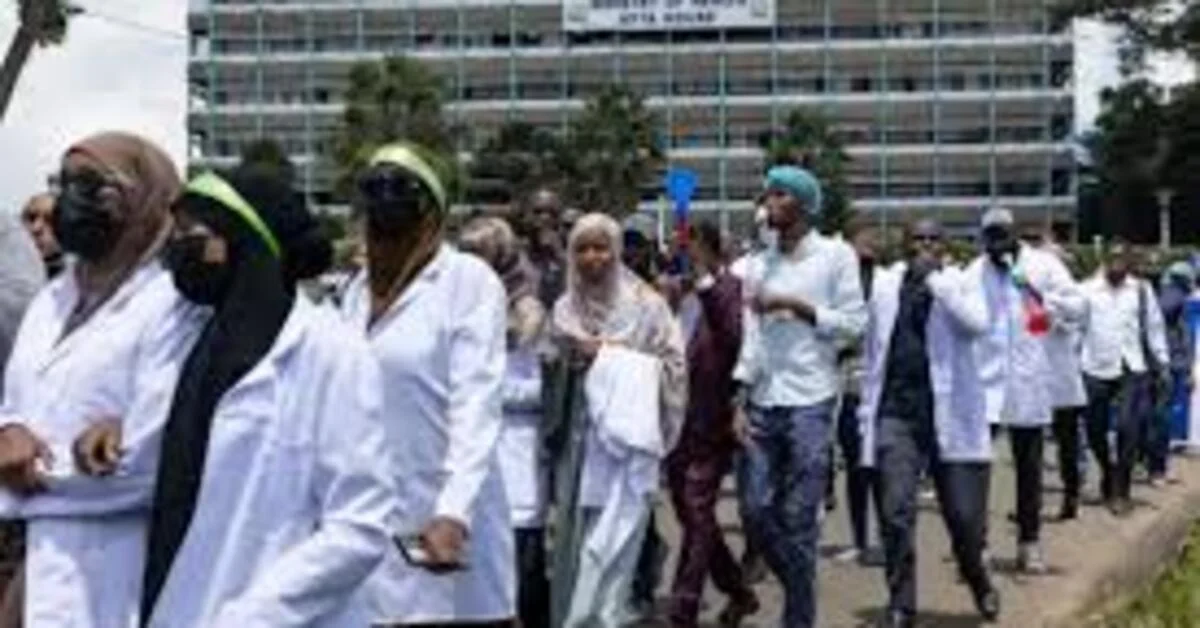
    Turbulence in the nation’s Ivory Towers has hit the Federal University Teaching Hospital, Lokoja as doctors took to the streets on Friday to protest poor working conditions, leading to the resignation of 272 doctors. 

    The hospital’s doctor count has fallen from 315 to just 43, according to Dr. Olushola Baoku, the former Chairman of the Association of Resident Doctors (ARD).

     The protestors are calling on President Bola Tinubu and Health Minister Prof. Ali Pate to address the situation before the hospital faces a complete breakdown.

    Baoku described the hospital as being poorly managed under the leadership of Dr. Olatunde Alabi, the Chief Medical Director (CMD). 

    He pointed out issues such as short-term contracts, no pensions, no hazard allowances, and faulty medical equipment.

     The hospital is unable to handle emergencies, which led to the death of a staff member due to power failures.

    The protestors also demanded the return of their suspended president, Dr. Jimoh Umar. Despite an order from the Ministry of Health in December 2024 for his reinstatement, Dr. Alabi has not complied. 

    The doctors have pledged to continue their protests until the government addresses their demands.