



Category: Health

  • Africa Tops Global Rise in Breast Cancer, Nigeria Records 542% Increase

    Africa Tops Global Rise in Breast Cancer, Nigeria Records 542% Increase

    African nations have recorded the sharpest rise in new breast cancer cases globally, with Equatorial Guinea leading the surge at 312 per cent, according to a new report from the Global Burden of Disease Study published on the website of The Lancet.

    The study, released Monday, analyzed data from population-based cancer registries, national vital registration systems, and interviews with family members or caregivers of women who died from breast cancer. It provides updated global, regional, and national estimates of female breast cancer burden and associated risk factors from 1990 to 2023 across 204 countries and territories, with projections extending to 2050.

    Equatorial Guinea Records Highest Increase

    Between 1990 and 2023, Equatorial Guinea recorded the highest increase in new breast cancer cases worldwide at 312 per cent. The country also saw the second-highest rise in breast cancer-related deaths, which climbed by 212 per cent during the same period.

    Other African countries experiencing sharp increases in new cases include:

    • Ethiopia – 207 per cent
    • Egypt – 189 per cent
    • Democratic Republic of the Congo – 160 per cent
    • Mauritania – 141 per cent
    • Uganda – 135 per cent
    • Mali – 133 per cent
    • Liberia – 129 per cent

    Nigeria Faces Growing Public Health Burden

    In Nigeria, the study revealed a substantial increase in both breast cancer incidence and mortality, highlighting an escalating public health crisis and the urgent need for stronger prevention, early detection, and treatment strategies.

    In 2023 alone, Nigeria recorded 53,500 new breast cancer cases — representing a staggering 542.9 per cent increase since 1990. The age-standardised incidence rate stood at 72.1 per 100,000 in 2023, marking a 108.8 per cent rise over three decades.

    Breast cancer deaths in Nigeria reached 26,200 in 2023, reflecting a 408.3 per cent increase since 1990. The age-standardised death rate rose to 38.7 per 100,000, a 73.5 per cent increase compared to 1990 levels.

    Global Death Toll Projected to Rise by 44% by 2050

    Globally, the study projects that annual breast cancer deaths will increase by 44 per cent — from 764,000 in 2023 to nearly 1.4 million by 2050 — with most of the rise occurring in low- and lower-middle-income countries.

    The number of new cases worldwide is also expected to climb by about one-third, rising from 2.3 million in 2023 to more than 3.5 million by 2050.

    Breast cancer remains the most common cancer among women globally. In 2023, an estimated 2.3 million new cases were diagnosed, with 73 per cent occurring in high- and upper-middle-income countries.

    The study found that women aged 55 and older were three times more likely to be diagnosed with breast cancer in 2023 than women aged 20 to 54. However, incidence rates among younger women have risen since 1990, while rates among older women have remained relatively stable.

    Researchers noted that these differences may reflect shifting age patterns and variations in risk factors between pre- and post-menopausal women.

    Lifestyle Risk Factors Account for 28% of Cases

    The report attributed 28 per cent of global breast cancer cases to six modifiable risk factors, including smoking, high blood sugar, obesity, high red meat consumption, alcohol use, and low physical activity.

    High red meat consumption had the largest impact, contributing to nearly 11 per cent of total healthy life lost. High alcohol intake and low physical activity each accounted for two per cent of healthy life lost.

    The study emphasized that maintaining a healthy lifestyle — avoiding smoking, engaging in regular physical activity, reducing red meat intake, limiting alcohol consumption, and maintaining a healthy weight — could significantly reduce breast cancer risk.

    Call for Stronger Health Systems

    The study’s lead author, Lisa Force, stressed the need for coordinated global action to strengthen health systems.

    Force highlighted the importance of ensuring functional healthcare systems capable of early diagnosis and comprehensive treatment in all countries. She also called for reducing the cost of breast cancer therapies and integrating essential breast cancer services into universal health coverage schemes to protect patients from catastrophic healthcare expenses and improve survival outcomes.

    As projections point to a continued rise in cases and deaths, experts warn that without urgent interventions, the global burden of breast cancer — particularly in Africa — will intensify in the coming decades.

  • NASS Seeks Take-Off Grants for Otukpo, Other New Teaching Hospitals

    NASS Seeks Take-Off Grants for Otukpo, Other New Teaching Hospitals

    The Joint Committee on Health of Nigeria’s National Assembly has appealed to the Joint Committee on Appropriations to make financial provisions for take-off grants to support newly established federal hospitals across the country.

    Chairman of the committee, Ipalibo Banigo, made the appeal on Wednesday while presenting the harmonised report of the joint Senate and House Committees on Health on the 2026 budget proposals of ministries, departments and agencies (MDAs).

    Banigo said the proposed take-off grants were critical to ensuring the effective and efficient operation of the new health facilities, noting that they would provide essential start-up funding to address immediate operational needs.

    The newly established hospitals include the Federal University Teaching Hospital, Lafia and the Federal University Teaching Hospital, Akure.

    Others are the Federal University of Health Sciences Teaching Hospital, Otukpo and the Federal University of Health Sciences Teaching Hospital, Ila-Orangun.

    Banigo stated that the Federal Government is targeting an investment of six per cent of the total national budget allocation to the health sector, net of liabilities, as part of efforts to strengthen healthcare systems nationwide.

    “The aim is to revitalise our hospitals with medication and better resources, and to care for all Nigerians by procuring essential drugs for distribution to the public, ensuring quality healthcare facilities nationwide,” she said.

    She disclosed that the 2026 budget proposal for the Federal Ministry of Health and Social Welfare includes N1.17 trillion for personnel costs, N57.03 billion for overheads, and N924.25 billion for capital expenditure, bringing the total allocation to N2.14 trillion.

    The committee, she added, observed during its review of the 2025 budget performance and the 2026 budget defence that many hospitals were yet to receive 100 per cent of their 2024 appropriations.

    “Although all of the 2024 appropriation had been uploaded, about 60 per cent of payments are still outstanding, and in some cases as much as 30 per cent of the appropriations remain unpaid,” Banigo said.

    Responding, the Deputy Chairman of the Joint Committee on Appropriations, Mohammed Monguno, assured lawmakers that the committee would look into the funding concerns raised by the health committee.

  • Housemanship Gap Locks Out 2,000 Doctors Every Year — MDCN

    Housemanship Gap Locks Out 2,000 Doctors Every Year — MDCN

    The Medical and Dental Council of Nigeria (MDCN) has disclosed that about 2,000 Nigerian-trained medical doctors are left without housemanship placement every year, citing limited capacity under the current centralized system.

    The revelation was made by MDCN Registrar Fatimah Kyari while defending the Council’s 2026 budget proposal before the Senate Committee on Health in Abuja.

    Housemanship Capacity Below Medical Graduate Output

    According to the Council, Nigerian medical schools produce approximately 6,000 doctors annually, but the Centralized Housemanship System can only absorb about 4,000 graduates each year.

    This shortfall leaves nearly one-third of new doctors unable to complete their mandatory housemanship, delaying full registration and entry into the workforce.

    “A total of about 6,000 medical doctors are produced annually from various medical schools, while the centralized housemanship system in operation can only take 4,000,” Kyari said.

    Call to Include State and Private Hospitals

    To close the gap, the MDCN urged the Federal Government to expand the Centralized Housemanship System to include state-owned and privately owned hospitals.

    Kyari said such an expansion would allow all 6,000 medical graduates to be absorbed annually, eliminating backlogs and training delays.

    Brain Drain Concerns Grow

    The Registrar warned that persistent housemanship delays were fueling Nigeria’s medical brain drain, as affected graduates increasingly seek training and employment opportunities abroad.

    She stressed that timely placement of medical graduates was critical to retaining healthcare professionals and strengthening the health system.

    MDCN Raises Funding Shortfalls

    Kyari also highlighted funding challenges facing the Council, revealing that no capital funds were released in the 2025 fiscal year, despite an approved ₦1.2 billion capital budget.

    She added that:

    • Only ₦37.5 million was released from the ₦100 million approved for overhead costs, and
    • ₦13.859 billion was released from the ₦16.8 billion allocated for personnel expenses.

    Senate Promises Budgetary Support

    Responding, the Chairman of the Senate Committee on Health, Banigo Ipalibo, assured the MDCN of legislative backing, pledging that the committee would work toward improved funding for the Council in the 2026 budget.

    He noted that addressing housemanship bottlenecks and funding gaps was essential to improving healthcare delivery in Nigeria.

  • NOA Urges Nigerians to Report Cancer Symptoms Early

    NOA Urges Nigerians to Report Cancer Symptoms Early

    The National Orientation Agency (NOA) has urged Nigerians to promptly report signs and symptoms of cancer to health facilities, stressing that early detection can significantly reduce cancer-related deaths.

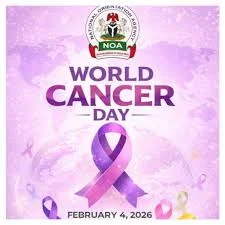
    The Director of the agency in Jigawa State, Malam Ahmad Ibrahim, made the call in a statement issued in Dutse on Wednesday to mark World Cancer Day 2025, observed annually on February 4.

    Ibrahim said the agency joined the global community to raise awareness on cancer prevention, early detection and equitable access to care, noting that cancer remains a major public health challenge in Nigeria.

    He said many cancer cases in the country are detected at advanced stages due to low awareness, stigma and limited access to screening services.

    According to him, cancer is not a death sentence if detected early, adding that many forms of the disease are preventable through healthy lifestyle choices.

    Ibrahim listed breast cancer, cervical cancer, prostate cancer, liver cancer and colorectal cancer as the most common cancers affecting Nigerians.

    He identified warning signs that should not be ignored to include unusual lumps or swellings, persistent pain, unexplained weight loss, abnormal bleeding or discharge, changes in breast shape or skin, persistent cough or hoarseness, and non-healing sores.

    The NOA director advised Nigerians to avoid tobacco use and excessive alcohol consumption, while encouraging healthy diets rich in fruits and vegetables, regular physical activity, weight control, protection from harmful sun exposure, and vaccination against Hepatitis B and Human Papillomavirus (HPV).

    He further urged citizens to take advantage of routine cancer screening, including breast self-examination and mammography, cervical cancer screening through Pap smear or HPV tests, prostate screening for men above 40 years, and regular medical check-ups.

    Ibrahim dismissed misconceptions that cancer is caused by witchcraft or is contagious, stressing that traditional remedies alone cannot cure the disease and that early medical care improves survival outcomes.

    He called on communities, religious and traditional leaders, families and the media to support cancer awareness efforts, reduce stigma and promote healthy living.

    “Cancer care is a shared responsibility. Closing the care gap begins with awareness, compassion and timely action,” he said.

  • Stigma Undermining Nigeria’s HIV Response — NACA

    Stigma Undermining Nigeria’s HIV Response — NACA

    The National Agency for the Control of AIDS (NACA) has warned that persistent stigma and discrimination continue to undermine Nigeria’s fight against HIV, despite millions of people requiring sustained treatment and long-term support.

    The Director-General of NACA, Dr Temitope Ilori, gave the warning on Tuesday in Lagos during a Zero Stigma Sensitisation Against Discrimination of People Living with HIV (PLWHIV) programme held in Ikeja Local Government Area.

    Ilori, who was represented by NACA’s South-West Zonal Coordinator, Raheem Mohammed, said stigma remains one of the most significant barriers to achieving epidemic control of HIV in Nigeria.

    According to her, Nigeria currently has about 1.9 million people living with HIV, while Lagos State alone accounts for an estimated 1.3 million, making the state a critical priority in the national HIV response.

    “Stigma remains a major obstacle in our national and state efforts to eliminate HIV/AIDS, which is essential to achieving epidemic control,” Ilori said.

    She described Lagos as Nigeria’s commercial and population hub, noting that its high population density and mobility make sustained awareness and anti-stigma campaigns imperative.

    Available data, she explained, showed that Lagos State has a prevalence rate of over 1.3 per cent, translating to a large number of people who require continuous prevention, treatment and support services.

    Ilori noted that Ikeja, as an administrative and economic centre, attracts a diverse and mobile population, increasing the importance of targeted sensitisation against HIV-related stigma and discrimination.

    She stressed that stigma discourages people from seeking testing, care and treatment due to fear of rejection, job loss and social exclusion, despite the fact that early testing and consistent treatment can suppress the virus and prevent transmission.

    Ilori added that the Zero Stigma Campaign would be extended to other local government areas this year, including Alimosho, with the aim of promoting accurate knowledge of HIV transmission and prevention, strengthening community support systems and improving access to HIV services.

    She called for a broad coalition involving communities, traditional and religious leaders, health workers, the media, families and caregivers to collectively combat stigma and discrimination against people living with HIV.

    The sensitisation programme was organised by NACA in collaboration with GEDERITE Nigeria Ltd., the Lagos State AIDS Control Agency (LSACA) and the **Improved Sexual Health and Right Advocacy Initiative (ISHRAI).

    Speaking at the event, LSACA Chief Executive Officer, Dr Folakemi Animashaun, disclosed that Lagos State was reviewing a 2007 law designed to protect people living with HIV in order to close existing gaps.

    She said the review aims to strengthen legal protections, align the law with global best practices and provide stronger safeguards against discrimination.

    “Stigma does not only occur within health facilities. It happens in workplaces, schools, markets, motor parks, places of worship and even within families,” Animashaun said.

    She urged government agencies, employers, service providers and community leaders to demonstrate zero tolerance for stigma by offering non-discriminatory services and using respectful language.

    “Discrimination against people living with HIV has no place in our society. HIV is not a death sentence,” she said.

    Also speaking, Ms Monica Obi, representing the Network of People Living with HIV in Nigeria, Lagos State chapter, called for an end to HIV-related stigma, noting that discrimination was driving pregnant women away from testing and treatment.

    Obi, who also represented the Association of Women Living with HIV in Lagos, said fear of being labelled often forced women to conceal their HIV status until after delivery, increasing the risk of mother-to-child transmission.

    She called for collective action to ensure future generations are born HIV-free.

  • Senate Seeks Mandatory Anti-Venoms in Hospitals After Singer’s Death

    Senate Seeks Mandatory Anti-Venoms in Hospitals After Singer’s Death

    The Nigerian Senate has urged the Federal Government to mandate the availability of snake anti-venoms and other critical antidotes in hospitals across the country following the death of Abuja-based singer, Ifunanya Nwangene, popularly known as Nanyah.

    Nwangene reportedly died after she was bitten by a snake at her residence, a development lawmakers described as a reflection of serious gaps in emergency healthcare delivery.

    During plenary on Tuesday, the Senate called on the Federal Ministry of Health to formulate and enforce national guidelines stipulating minimum stock levels of anti-venoms, antidotes, and emergency medicines in both public and private hospitals.

    The upper chamber also resolved that private hospitals that fail to maintain these essential medicines should not be granted operating licences, stressing that emergency care must meet minimum safety standards nationwide.

    In addition, lawmakers urged the Federal Government to ensure adequate funding and sustained supply of anti-venoms in public health facilities to prevent avoidable deaths arising from snake bites, poisonings, scorpion stings, and drug overdoses.

    The resolutions followed a motion sponsored by Senator Idiat Oluranti Adebule (APC, Lagos West), who noted that Nigeria continues to record increasing cases of envenomation and poisoning requiring urgent medical attention.

    She warned that the absence of life-saving antidotes in hospitals often results in deaths that could otherwise be prevented with timely intervention.

    Contributing to the debate, senators observed that Nwangene’s death highlighted deficiencies in emergency preparedness, adding that prompt access to anti-venoms might have altered the outcome.

    The Senate further directed the National Agency for Food and Drug Administration and Control to work with the Ministry of Health to oversee the procurement, quality control, storage, and nationwide distribution of safe and affordable anti-venoms, with priority given to high-risk areas.

    State governments were also urged to conduct immediate audits of hospitals within their jurisdictions to ensure compliance with approved standards for antidote stocking and emergency response.

    The Senate observed a minute of silence in honour of Nwangene, who died at the age of 26.

  • CCI Launches TeleOncology Hub in Northeast Nigeria

    CCI Launches TeleOncology Hub in Northeast Nigeria

    Abuja — The Cancer Consciousness Initiative (CCI) has inaugurated a TeleOncology Hub aimed at improving access to specialist cancer care in Northeastern Nigeria, a region facing rising cancer cases and limited oncology services.

    The programme, which was officially launched at the Federal Medical Centre (FMC), Jalingo, leverages telemedicine technology to connect cancer patients in remote and underserved communities with oncology specialists across the country.

    Services provided include virtual specialist consultations, Multidisciplinary Team (MDT) meetings, electronic medical record (EMR) monitoring, and patient navigation support.

    Speaking in an interview with the News Agency of Nigeria (NAN) in Abuja, Dr Hannatu Ayuba, Chief Executive Officer of CCI and Programme Lead of the TeleOncology Hub, described the initiative as a health system strengthening intervention designed to address long-standing disparities in cancer diagnosis and treatment.

    According to Ayuba, cancer cases are increasing steadily in the Northeast, with breast cancer accounting for about 60 per cent of reported cases, most of which are diagnosed at advanced stages.

    “Many patients in underserved communities face barriers that delay diagnosis and treatment, which significantly affects survival outcomes,” she said. “Late presentation remains one of the biggest challenges in cancer care in the region.”

    Ayuba urged women to prioritise early detection, advising them to seek medical attention if they notice symptoms such as breast lumps, changes in breast shape, nipple discharge, or other unusual signs.

    “Early detection through self-examinations, mammograms, and regular medical check-ups can save lives,” she stressed.

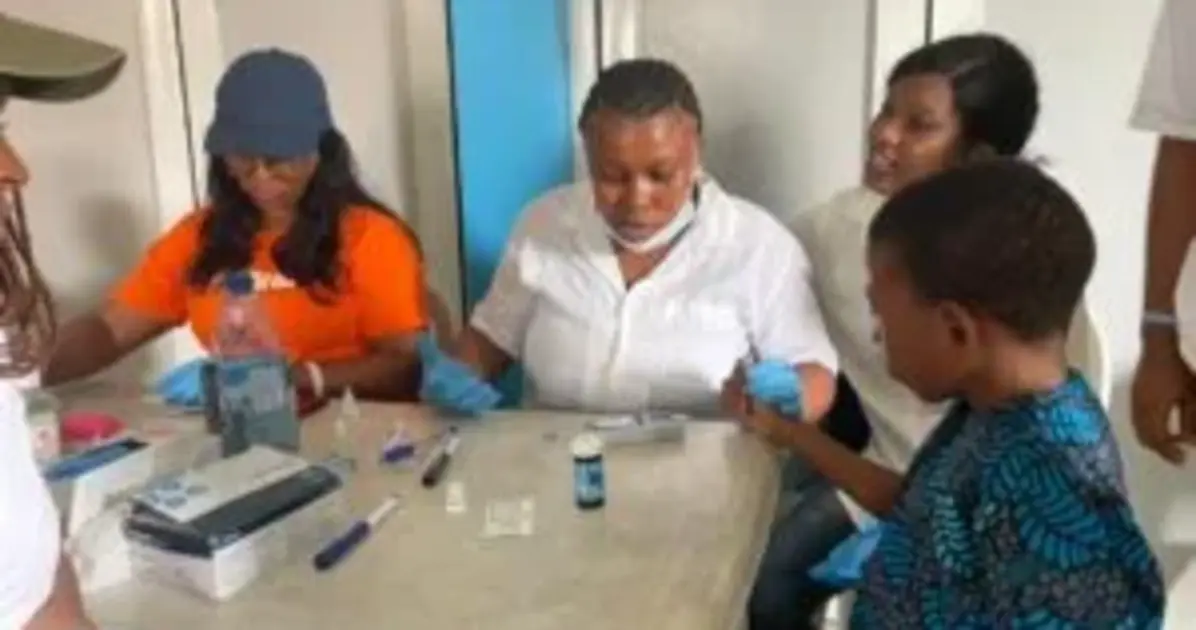
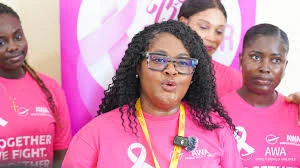
    To mark Breast Cancer Awareness Month, CCI, in collaboration with partner organisations, organised town hall meetings and a mega rally across communities to raise awareness about cancer symptoms and available care options.

    Since its inauguration in April, the TeleOncology Hub has expanded its reach through partnerships with Modibbo Adama University Teaching Hospital, FMC Nguru, and Yobe State University Teaching Hospital, Damaturu, significantly increasing access to virtual oncology consultations in the region.

    The initiative has also launched a community-based patient navigation programme in Borno State in partnership with the Grow Strong Foundation.

    The programme integrates telemedicine services, virtual MDT meetings, EMR monitoring through PocketPatientMD, and personalised patient guidance to ensure timely diagnosis and treatment.

    Ayuba revealed that more than 35 patients have already been enrolled, with over 85 per cent of navigation encounters resulting in prompt diagnoses, treatment initiation, or follow-up care.

    “Video-enabled MDT meetings help overcome geographical barriers and improve coordination among healthcare professionals,” she noted.

    As part of capacity building, CCI has trained healthcare professionals, nurses, and pharmacy staff in oncology care, digital health tools, and patient navigation to strengthen local healthcare delivery.

    The initiative has also partnered with patient assistance programmes to reduce diagnostic costs.

    These include BRANT by Oncopadi/Roche, which provides free immunohistochemistry testing for 5,000 women, as well as Merck and AstraZeneca, which offer free KRAS and EGFR testing for colorectal and lung cancer patients.

    Despite the progress, Ayuba acknowledged ongoing challenges such as late-stage diagnosis, financial constraints, cultural barriers, and low health insurance coverage.

    She disclosed that only 8.6 per cent of patients at one participating centre are enrolled in health insurance or national health schemes.

    To support vulnerable patients, CCI provides financial counselling, treatment assistance, transportation support, and logistics aid.

    “Our goal is to unlock access to quality cancer care for all patients, regardless of their location or financial status,” Ayuba said.

    Looking ahead, CCI plans to expand the TeleOncology Hub nationwide, introducing HIPAA-compliant telemedicine suites, broader training programmes, advanced diagnostic integration through the African Digital Health Network, and stronger advocacy for sustainable funding and supportive health policies.

    The TeleOncology Hub is expected to play a critical role in reducing cancer care disparities in Nigeria and improving survival outcomes for patients in hard-to-reach communities.

  • NNPC/Renaissance JV Boosts Cancer Fight at National Hospital

    NNPC/Renaissance JV Boosts Cancer Fight at National Hospital

    …Donates $300,000 for maintenance of cancer treatment machine


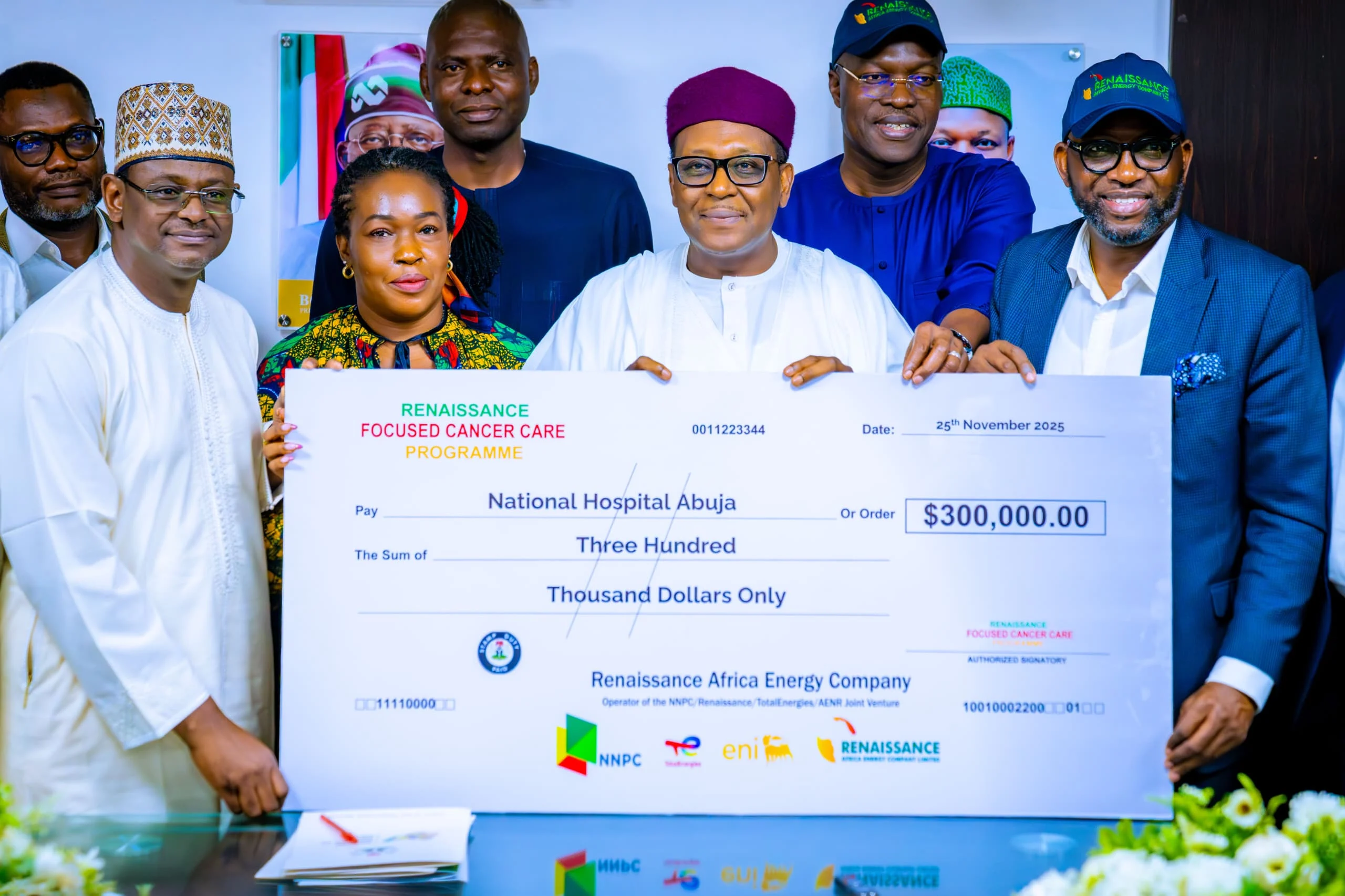
    The NNPC/Renaissance Joint Venture (JV) has donated $300,000 (Three Hundred Thousand US Dollars) to the National Hospital, Abuja, to support the maintenance of its advanced Linear Accelerator (LINAC) Radiotherapy Machine, a key facility for cancer treatment in Nigeria.

    Sustaining Lifesaving Technology

    In a statement, NNPCL Chief Corporate Communications Officer, Mr. Andy Odeh disclosed that the LINAC machine was originally donated by the JV in 2019 as part of its Corporate Social Responsibility (CSR).

    It was stated that the initiative was aimed at strengthening Nigeria’s cancer care ecosystem. The project also included the provision of data and ancillary systems, as well as the training of medical professionals to operate the high-precision equipment.

    Speaking during a presentation ceremony at the office of the Coordinating Minister of Health and Social Welfare, the Chief Upstream Investment Officer of NNPC Upstream Investment Management Services (NUIMS), Engr. Oluwaseyi Omotowa, outlined the impact of the intervention.

    “Since installation, the LINAC machine has facilitated treatment for over 2,000 patients, reduced treatment costs by 80%, shortened therapy sessions from 12 minutes to 2 minutes, and provided subsidised care for 712 indigent patients,” Omotowa said, represented by Nkechi Anaedobe, Head of Business Services, NNPC-NUIMS.

    He explained that the latest donation would ensure timely maintenance, minimal downtime, compliance with international standards, and precise calibration — all vital to maintaining the efficiency and safety of radiotherapy treatment.

    “As we move forward, the JV will continue to forge partnerships that not only address immediate healthcare needs but also build a robust foundation for future medical advancements,” he added.


    “Together, we are not just treating illnesses; we are fostering a healthier, more resilient nation.”

    Government Commends Initiative

    The Coordinating Minister of Health and Social Welfare, Dr. Muhammed Ali Pate, lauded the NNPC/Renaissance JV for its continued support, describing the gesture as “worthy of emulation” by other corporate entities.

    “This intervention aligns perfectly with broader government efforts to revamp critical infrastructure and improve healthcare quality for Nigerians,” Dr. Pate noted.
    “Quality healthcare comes at a cost, and with President Bola Ahmed Tinubu’s renewed focus on health sector investment, partnerships like this significantly strengthen the cause.”

    A Lifeline for Cancer Patients

    The Chief Medical Director of the National Hospital, Dr. Muhammad Raji Mahmud, described the support as a lifeline of hope for thousands of cancer patients who depend on the hospital’s services each year.

    “At the National Hospital Cancer Centre, we treat thousands of patients annually, and the impact of NNPC and Renaissance’s backing has been profound. It has strengthened local cancer care, reduced medical tourism, and enhanced our national capacity to treat cancer effectively,” Mahmud said.

    Strategic Investment in Healthcare

    Also speaking, the Managing Director/Chief Executive Officer of Renaissance Africa Energy Company, Mr. Tony Attah, reaffirmed the company’s commitment to sustainable healthcare and medical innovation.

    “This is not charity. It is a strategic investment in the well-being of Nigerians, in the resilience of our health systems, and in the shared future we all strive to build,” Attah emphasized.
    “When people are healthy, they contribute meaningfully to their families, communities, and the nation.”

    About the NNPC/Renaissance JV

    The NNPC/Renaissance Joint Venture is a partnership between the Nigerian National Petroleum Company Limited (NNPC Ltd.) and Renaissance Africa Energy Company, focused on responsible energy development and impactful corporate social investments in key areas such as healthcare, education, and environmental sustainability.


  • Senate Pushes for Establishment of National Sickle Cell Research, Treatment Centre

    Senate Pushes for Establishment of National Sickle Cell Research, Treatment Centre

    The Nigerian Senate has advanced a landmark Bill aimed at creating Sickle Cell Disorder (SCD) Research and Therapy Centres across the country, following its successful second reading on Wednesday.

    The Bill was sponsored by Senator Katung Marshall (Kaduna South), and it proposes the establishment of specialized centres dedicated to the research, diagnosis, and treatment of sickle cell disease in each of Nigeria’s six geopolitical zones and the Federal Capital Territory (FCT), Abuja.

    The Bill also contains detailed provisions for the administration and operation of these centres.

    Senator Marshall, in his presentation, highlighted the severity of SCD in Nigeria, noting that the country remains the epicentre of the disease in sub-Saharan Africa.

    “Nigeria accounts for roughly half of the 300,000 babies born worldwide with sickle cell disorder each year,” he explained.

    “With over 650 children dying daily from SCD-related complications, many of whom do not survive past the age of five, the need for this legislation has never been more urgent.”

    The proposed Bill has garnered widespread support from lawmakers, who emphasized the critical need for a structured response to the high mortality and complications associated with the disease.

    Senators pointed to the inadequacies in the current healthcare infrastructure for managing sickle cell disorder, including the lack of specialized treatment facilities and the ineffective implementation of existing diagnostic tools.

    Senators Natasha Akpoti-Uduaghan (Kogi Central), Victor Umeh (Anambra Central), and Isa Jibril (Kogi West) expressed strong backing for the Bill, underscoring the potential of the research and therapy centres to alleviate the suffering of millions of Nigerians living with sickle cell disorder.

    “The establishment of these centres will be a game-changer,” said Senator Akpoti-Uduaghan. “It will provide the much-needed care and treatment that millions of Nigerians are currently deprived of.”

    The Bill was referred to the Senate Committee on Health for further deliberation and is expected to be reviewed within the next four weeks.

    The proposed legislation outlines 27 clauses covering various aspects of the centres’ operation, including the establishment of a Board of Management, staffing structures

  • Drug abuse among youth threatens Nigeria’s future, Marwa warns

    Drug abuse among youth threatens Nigeria’s future, Marwa warns

    National Drug Law Enforcement Agency (NDLEA) Chairman, Brig. Buba Marwa (rtd) has raised the alarm, warning that drug abuse among the youth threatens Nigeria’s future.

    Marwa gave the warning, Tuesday in Abuja while delivering a keynote address at the Football Anti-Drug Abuse Programme.

    The programme was tagged “Kick Out Drug Abuse” (KODA), and was organised by Richy Gold International Ltd in partnership with NDLEA.

    He commended the organisers for creatively using the power of football, the world’s most loved sport, to engage youths in positive and life-transforming activities.

    According to Brigadier Marwa, substances such as tobacco, alcohol, cannabis sativa, tramadol, codeine mixtures, cocaine and methamphetamine are sadly being abused in schools, communities and even sporting circles.

    “These substances rob young people of their health, potential and future. The devastating consequences are broken homes, wasted talents, increased crime rate, violence and shattered communities,” he said.

    The NDLEA boss emphasised that prevention remained the best defence.

    Marwa stressed that the football-based sensitisation programme underscored the value of using sports to steer youths away from destructive habits.

    “Football teaches discipline, teamwork, resilience and determination. Every pass, every goal and every victory comes from focus and commitment.

    “Similarly, in life, our youths are constantly faced with choices, whether to stay on the path of discipline or to fall into the dangerous trap of drug abuse.

    “Just as one reckless foul can cost a team a match, one poor choice to experiment with drugs can destroy dreams, ruin careers and even cut short lives,” Marwa said.

    The NDLEA boss reminded the youths that professional footballers, whether in local leagues or on the international stage, sustained their excellence by maintaining drug-free lifestyles.

    According to him, to win in football and in life, one must stay drug-free. No footballer who abuses drugs can sustain excellence on the pitch.

    “Therefore, I charge every young person here. Let football inspire you to channel your energy into creativity, hard work and teamwork.

    “Let the slogan ‘Kick Out Drug Abuse’ be more than words. Let it be your lifestyle. Remember, when you say no to drugs, you are saying yes to your dreams, your health and your future.”

    Marwa reiterated NDLEA’s full commitment to keeping drugs off Nigeria’s streets, out of schools and far away from the nation’s youths.

    He explained that the agency was strengthening prevention programmes, promoting counselling and rehabilitation for users who need help.

    He added that the agency was also deepening partnerships with ministries, agencies, schools, sports bodies, religious groups and community leaders among others.

    According to him, emphasis is placed on prevention targeting young people both in and out of school, with interventions designed to delay initiation into drug use while providing support for those already using.

    “However, the fight against drug abuse cannot be won by NDLEA alone.

    “We enjoin every young person to be a champion in your own corner, rejecting drugs and influencing your peers positively,” he added.

    The Managing Director, RICHYGOLD International Ltd, Mr Jude Onwusonye said that beyond manufacturing, the organisation was proud to champion social impact through its flagship campaign, KODA.

    Onwusonye said that KODA was more than a project, adding that it was a clarion call in partnership with relevant agencies.

    This, he said, was to safeguard the future of the youth, combat the menace of drug abuse and inspire a healthier, more productive society.

    “At RICHYGOLD International Ltd, we don’t just make pharmaceutical products, we build healthier communities, restore hope and fuel dreams.

    “With innovation, integrity and compassion at our core, we are redefining pharmaceutical excellence while leading the charge for a drug-free generation.”