Tag: African Development

  • US–Nigeria Military Cooperation: A Strategic Wake-Up Call

    US–Nigeria Military Cooperation: A Strategic Wake-Up Call

    By

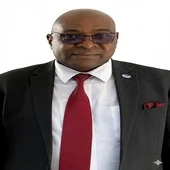
    Ambassador Uzo Owunne*

    The proposed deployment of additional U.S. troops to Nigeria for counter-terrorism training and intelligence support demands careful national reflection.

    Security cooperation, in itself, is not inherently negative. Nigeria faces persistent threats from insurgent and extremist groups such as Boko Haram and Islamic State West Africa Province, alongside widespread armed banditry. Strengthened surveillance systems, improved intelligence coordination, and enhanced tactical capacity are all necessary in confronting these threats.

    However, international partnerships are rarely acts of charity. They are shaped by strategic calculations and national interests.

    Nigeria’s Internal Challenge

    Nigeria’s insecurity is fundamentally domestic. External assistance cannot resolve core structural weaknesses such as weak governance and corruption, poor troop welfare and equipment shortfalls, leakages in defence procurement, and political interference combined with limited accountability.

    When defence spending fails to translate into operational effectiveness at the frontline, foreign assistance risks treating symptoms rather than causes. Sustainable security must be rooted in institutional reform, transparency, and leadership accountability within Nigeria itself.

    The Reality of External Interests

    Major powers engage abroad based on strategic objectives, whether geopolitical influence, regional stability calculations, or economic considerations.

    When military assistance is reportedly quantified at tens of millions of dollars, it reinforces the transactional nature of such engagement. Nigeria must therefore ask critical questions about the long-term commitments that accompany this support, the strategic concessions embedded within cooperation agreements, and whether such engagement strengthens national sovereignty or gradually constrains it.

    History suggests that foreign policy priorities can shift abruptly. When they do, smaller partner states may find themselves exposed.

    The Lesson of Strategic Autonomy

    The experience of countries like Afghanistan illustrates the risks of over-reliance on external military backing. When a superpower recalibrates its interests, domestic institutions must be strong enough to stand independently.

    Nigeria must avoid constructing its security architecture around external saviours. Training programs and intelligence collaboration are valuable, but legitimacy, governance reform, and community-driven stabilization efforts must remain Nigerian-led.

    The insurgency is not America’s war. It is Nigeria’s responsibility.

    The Way Forward

    If Nigeria is serious about restoring lasting stability, it must ensure that defence funds reach operational units, strengthen troop welfare and morale, reform procurement systems to close financial leakages, build indigenous intelligence and surveillance capacity, and maintain strategic clarity and balance in foreign military agreements.

    Foreign partnerships should reinforce national capacity rather than substitute for it.

    Final Reflection

    No nation has successfully outsourced its sovereignty.

    Missiles and military hardware alone do not secure peace. Accountability, institutional reform, public trust, and effective governance are the true pillars of national security. External assistance can support these efforts, but the responsibility for Nigeria’s safety ultimately rests at home.

    *Ambassador Uzo Owunne is a Nigerian diplomat and international development expert based in the United Kingdom.

  • Africa50 invests in infrastructure worth $6.6bn in 6 years- AfDB

    African Development Bank (AfDB) says Africa50 has invested over 6.6 billion dollars in critical infrastructure in its six years of operation.

    The AfDB’s President, Dr Akinwumi Adesina, said this in a statement released at the Africa50 Infra Forum and General Shareholders Meeting in Lome, Togo.

    Africa50 is an investment platform established by African governments and the AfDB to mobilise financing for mega infrastructure projects with significant development impact.

    The AfDB’s president chairs the Africa50 Board of Directors.

    According to the statement, the fund is the first private vehicle infrastructure platform inaugurated by Africa50.

    “It will catalyse further investment flows to invest in the development of critical infrastructure across the African continent.”

    Adesina said Africa50 was rapidly playing a strategic role in closing Africa’s infrastructure financing gap, from energy to transport and logistics to digital infrastructure.

    Adesina said: “Africa50 is doing amazing work as an institution, developing projects to bankability and financing projects.

    ”At the heart of our work is to help close the 68 to 108 billion dollars annual infrastructure financing gap for Africa.”

    On financial resources for Africa’s development needs, Adesina said the reallocation of International Monetary Fund Special Drawing Rights (SDRs) meant more funding to support all the regional development banks in Africa as well as Africa50.

    He said that the resources would unlock additional resources to finance climate change mitigation and adaptation, infrastructure for agriculture, transport, digital, airports, water and sanitation, education, as well as health.

    The AfDB boss said the added resources would support African countries like Togo, where AfDB had invested heavily and was the largest development partner supporting the country’s agricultural sector.

    Adesina said the bank invested more than 32 million dollars to support inclusive growth in the sector, helping to reduce the importation of key food commodities like rice, maize, and soybeans.

    Speaking at the Africa50 Infrastructure Acceleration Fund signing event, Adesina said the time to change the investment narrative on Africa, was now.

    ” It is remarkable and unprecedented to have 17 African institutions participating in such a transforming initiative to invest in an African infrastructure fund.

    ”With the Fund, we are positioning the Africa50 Group to play a lead role in helping to tap into the more than 98 trillion dollars of global assets under management.

    ”The African Development Bank is investing 20 million dollars in equity in the African Infrastructure Acceleration Fund,” he said.

    According to the president, there is much that can be done to close Africa’s infrastructure gap.

    Adesina said: “Since most of Africa’s infrastructure is yet to be built, there is an excellent opportunity to build it green and to green the existing infrastructure.

    “Africa’s future is green, so let’s green all of Africa’s infrastructure. Together we will make the continent the centre of green infrastructure in the world.

    ”Africa50, AfDB and our partners will make this a reality.

    ”Africa50 has attracted support from across Africa and today has 31 African countries as shareholders and three African institutional investors,” he said.

     Togolese president, Faure Gnassingbé, said, there was a huge need for infrastructure across the continent, saying” this is indeed a condition for development”.

    Gnassingbé said without roads, bridges, airports, hospitals, schools, power, communication networks, and water supply, there was indeed no possible development in Africa.

    The President said infrastructure issues laid at the heart of his country’s development roadmap.

    “Togo has assets, but to take advantage of them, we need to invest in infrastructure.

    “The public sector finances more than 90 per cent of infrastructure investment, but public spending will not be enough, the involvement of the private sector is essential.

    ”Projects must be bankable to appeal to private investors and without a stable and consistent regulatory environment, it will not be possible to attract private capital,” Gnassingbé said.

    Africa50 Chief Executive Officer (CEO) Alain Ebobissé said his institution was ready to take on the challenge of creating the infrastructure needed to grow the African continent.

    “For instance, with the support of the AfDB, Africa50 has developed the first programme of asset recycling in Africa.

     “And today we are happy to welcome Togo, Gambia, and Zimbabwe as the first countries to join this programme with emblematic assets.

    ”Asset recycling is an innovative initiative for governments to monetise existing infrastructure assets through a concession to the private sector with funds received being reinvested in other priority projects,”Ebobissé said.

    The chief executive officer explained that Africa50’s investment over six years covered 21 national and regional infrastructure projects in 22 countries.

    “We understand the expectations of the African population. This is why we must act with a real sense of urgency,” Ebobissé added.

    The Togolese President, Faure Gnassingbé and some prominent African and global institutional investors, among others, attended event.

    Some investors also used the opportunity of the meeting to sign subscription agreements and letters of intent to commit funds to the 500 million dollars African Infrastructure Acceleration Fund.