


By using this site, you agree to the Privacy Policy and Terms of Use.
Accept
Nigerian News, Politics, Business, Economy, Investment, Entertainment and Sports.Nigerian News, Politics, Business, Economy, Investment, Entertainment and Sports.Nigerian News, Politics, Business, Economy, Investment, Entertainment and Sports.
  • News
    • News Menu
  • Business
  • Economy
  • Governance
  • Politics
    • North Central
      • Benue Update
      • Kogi Update
      • Kwara Update
      • Nasarawa Update
      • Niger Update
      • Plateau Update
      • FCT Update
    • North East
      • Adamawa Update
      • Bauchi Update
      • Borno Update
      • Gombe Update
      • Taraba Update
      • Yobe Update
    • North West
      • Jigawa Update
      • Kaduna Update
      • Kano Update
      • Katsina Update
      • Kebbi Update
      • Sokoto Update
      • Zamfara Update
    • South East
      • Abia Update
      • Anambra Update
      • Ebonyi Update
      • Enugu Update
      • Imo Update
    • South South
      • Akwa Ibom Update
      • Bayelsa Update
      • Cross River Update
      • Delta Update
      • Edo Update
      • Rivers Update
    • South West
      • Ekiti Update
      • Lagos Update
      • Ogun Update
      • Ondo Update
      • Osun Update
      • Oyo Update
  • Sports
    • SOCCER
      • Football
      • Sports
      • AFCON
      • NPFL
      • Premier League
    • EURO SOCCER
      • Champions League
      • Europa Conference
      • Europa League
      • La Liga
      • Boxing
      • Tennis
      • UFC
  • Editorial
  • MORE
    • Opinion
    • Entertainment
    • Investigation
    • Politics Lite
    • Publications
    • Travelogue
Reading: US–Nigeria Military Cooperation: A Strategic Wake-Up Call
Share
Notification Show More
Font ResizerAa
Nigerian News, Politics, Business, Economy, Investment, Entertainment and Sports.Nigerian News, Politics, Business, Economy, Investment, Entertainment and Sports.
Font ResizerAa
  • Politics
  • Business
  • Technology
  • News
    • News Menu
  • Business
  • Economy
  • Governance
  • Politics
    • North Central
    • North East
    • North West
    • South East
    • South South
    • South West
  • Sports
    • SOCCER
    • EURO SOCCER
  • Editorial
  • MORE
    • Opinion
    • Entertainment
    • Investigation
    • Politics Lite
    • Publications
    • Travelogue
Have an existing account? Sign In
Follow US
  • Advertise
© 2022 Foxiz News Network. Ruby Design Company. All Rights Reserved.
Nigerian News, Politics, Business, Economy, Investment, Entertainment and Sports. > Blog > Opinion > US–Nigeria Military Cooperation: A Strategic Wake-Up Call
Opinion

US–Nigeria Military Cooperation: A Strategic Wake-Up Call

admin
Last updated: February 13, 2026 7:25 am
admin
3 months ago
Share
Ambassador Uzo Owunne speaking at an international policy forum in London.
Ambassador Uzo Owunne, Nigerian diplomat and development advocate.
SHARE

By

Contents
Nigeria’s Internal ChallengeThe Reality of External InterestsThe Lesson of Strategic AutonomyThe Way ForwardFinal Reflection*Ambassador Uzo Owunne is a Nigerian diplomat and international development expert based in the United Kingdom.

Ambassador Uzo Owunne*

The proposed deployment of additional U.S. troops to Nigeria for counter-terrorism training and intelligence support demands careful national reflection.

Security cooperation, in itself, is not inherently negative. Nigeria faces persistent threats from insurgent and extremist groups such as Boko Haram and Islamic State West Africa Province, alongside widespread armed banditry. Strengthened surveillance systems, improved intelligence coordination, and enhanced tactical capacity are all necessary in confronting these threats.

However, international partnerships are rarely acts of charity. They are shaped by strategic calculations and national interests.

Nigeria’s Internal Challenge

Nigeria’s insecurity is fundamentally domestic. External assistance cannot resolve core structural weaknesses such as weak governance and corruption, poor troop welfare and equipment shortfalls, leakages in defence procurement, and political interference combined with limited accountability.

When defence spending fails to translate into operational effectiveness at the frontline, foreign assistance risks treating symptoms rather than causes. Sustainable security must be rooted in institutional reform, transparency, and leadership accountability within Nigeria itself.

The Reality of External Interests

Major powers engage abroad based on strategic objectives, whether geopolitical influence, regional stability calculations, or economic considerations.

When military assistance is reportedly quantified at tens of millions of dollars, it reinforces the transactional nature of such engagement. Nigeria must therefore ask critical questions about the long-term commitments that accompany this support, the strategic concessions embedded within cooperation agreements, and whether such engagement strengthens national sovereignty or gradually constrains it.

History suggests that foreign policy priorities can shift abruptly. When they do, smaller partner states may find themselves exposed.

The Lesson of Strategic Autonomy

The experience of countries like Afghanistan illustrates the risks of over-reliance on external military backing. When a superpower recalibrates its interests, domestic institutions must be strong enough to stand independently.

Nigeria must avoid constructing its security architecture around external saviours. Training programs and intelligence collaboration are valuable, but legitimacy, governance reform, and community-driven stabilization efforts must remain Nigerian-led.

The insurgency is not America’s war. It is Nigeria’s responsibility.

The Way Forward

If Nigeria is serious about restoring lasting stability, it must ensure that defence funds reach operational units, strengthen troop welfare and morale, reform procurement systems to close financial leakages, build indigenous intelligence and surveillance capacity, and maintain strategic clarity and balance in foreign military agreements.

Foreign partnerships should reinforce national capacity rather than substitute for it.

Final Reflection

No nation has successfully outsourced its sovereignty.

Missiles and military hardware alone do not secure peace. Accountability, institutional reform, public trust, and effective governance are the true pillars of national security. External assistance can support these efforts, but the responsibility for Nigeria’s safety ultimately rests at home.
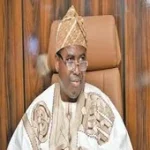

*Ambassador Uzo Owunne is a Nigerian diplomat and international development expert based in the United Kingdom.

You Might Also Like

The Misuse of “Genocide” in Nigeria’s Public Discourse
Deaths and blood rituals for bulaba balablu Christmas
Nigeria Social Media and the Badenoch Obsession
Governor El-Rufai’s Brilliant, Yet Too Cute by Half Federalism Proposition
Ray of hope as Gov Inuwa mounts the NSGF saddle
TAGGED:African DevelopmentAmbassador Uzo Owunnediaspora engagementGovernance reforminternational relationsNigeria SecurityNigerian diplomatpublic policyUzo Owunne
Share This Article
Facebook Email Print
Previous Article INEC Chairman addressing National Assembly committee on ₦873.78bn 2027 election budget proposal NASS Puts INEC on the Spot Over ₦873.78bn 2027 Election Budget
Next Article Senator Natasha Akpoti-Uduaghan at the National Assembly during a Senate session Timing Dispute Sparks Protest as Akpoti-Uduaghan Misses NCDC Budget Session
about us

We influence 20 million users and is the number one business and technology news network on the planet.

Find Us on Socials

© Nigerian Anchor. All Rights Reserved.
na_logo
Join Us!
Subscribe to our newsletter and never miss our latest news, podcasts etc..
[mc4wp_form]
Zero spam, Unsubscribe at any time.
NA Logo For Search
Welcome Back!

Sign in to your account

Username or Email Address
Password

Lost your password?