


Category: ECOWAS

  • Ghana Opens Borders to All African Nationals

    Ghana Opens Borders to All African Nationals

    In a groundbreaking move set to begin in early 2025, Ghana has eliminated visa requirements for citizens of all African nations.

     This decision follows President Nana Akufo-Addo’s commitment to enhance unity within the continent, a promise made during the Africa Prosperity Dialogues.  

    Previously, Ghana allowed visa-free or visa-on-arrival entry for most African countries, with only two requiring prior visas. 

    By removing all restrictions, Ghana aims to encourage greater tourism, trade, and travel while solidifying its position as a leader in regional cooperation.  

    With this policy, Ghana joins a select group of African nations, including Rwanda and Seychelles, in offering unrestricted access to holders of African passports, advancing mobility and collaboration across the continent.

  • Ribadu Denies Foreign Military Presence in Nigeria Amid Niger Tensions

    Ribadu Denies Foreign Military Presence in Nigeria Amid Niger Tensions

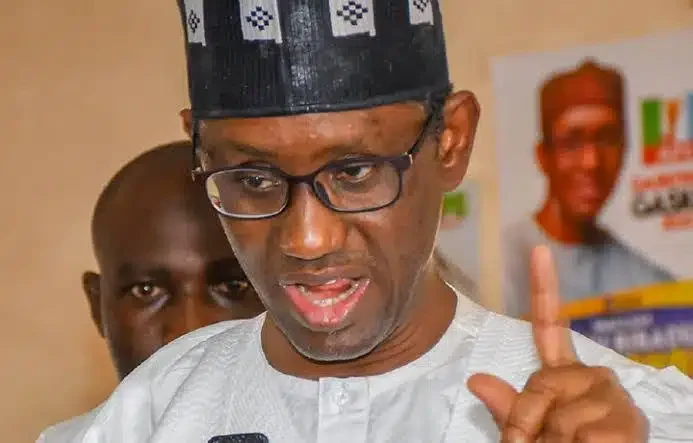
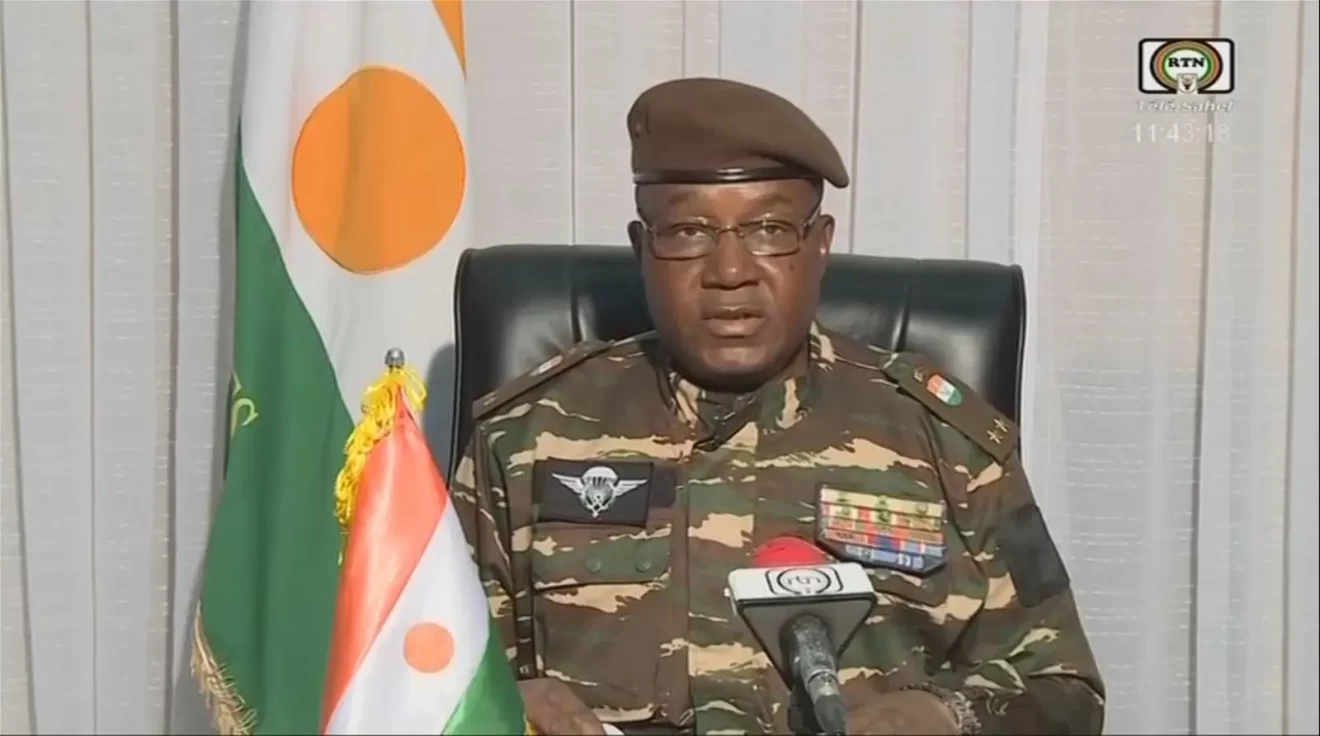
    Nuhu Ribadu, Nigeria’s National Security Adviser, has dismissed accusations by Nigerien Abdoulrahamane Tchiani that foreign military forces, including those from France, are operating in Nigeria.

     Ribadu’s comments came in response to allegations made by Tchiani, who claimed that Nigeria was collaborating with France to destabilize Niger. 

    This has added to the rising tensions between the two nations, particularly after Niger, along with Mali and Burkina Faso, chose to leave the Economic Community of West African States (ECOWAS).

    Speaking in an interview with BBC Hausa, Ribadu refuted Tchiani’s claims, stating there are no foreign military installations or troops in Nigeria. 

    He encouraged journalists to visit the locations mentioned by the Nigerien leader and speak with local residents to verify the absence of any foreign military presence.

    The National Security Adviser emphasized that the real issue facing both countries is the common threat posed by terrorists, particularly the insurgent group Lakurawa, which has been wreaking havoc in the region. 

    Ribadu further expressed that instead of focusing on accusations, both nations should collaborate to address security concerns that affect their shared borders. 

    He also stressed the long-standing relationship between Nigeria and Niger, describing the people of both countries as “brothers” and calling for unity in tackling mutual challenges. 

    Ribadu reassured that Nigeria would continue to work with Niger in the spirit of regional cooperation and development.

    The diplomatic tension between Nigeria and Niger follows the latter’s decision to leave ECOWAS, which has led to a broader political and economic rift.

     Despite the disputes, Ribadu’s statements reflect Nigeria’s commitment to strengthening ties with its neighbors in West Africa to combat terrorism and foster regional stability.

  • 403 Stranded Nigerians Return from Niger Republic

    403 Stranded Nigerians Return from Niger Republic


    In a major effort to assist citizens stranded abroad, 403 Nigerians, including 165 men, 56 women, and 182 children, have been successfully brought back from Niger Republic. 

    Their return, coordinated by the National Commission for Refugees, Migrants, and Internally Displaced Persons (NCFRMI), marks the second wave of repatriations from Niger within a week.  

    The operation involved collaboration between the Nigerian Mission in Niamey and the International Organization for Migration (IOM). 

    Earlier in the week, 310 Nigerians were also repatriated, bringing the total to 713 within seven days.  

    The government has assured the returnees of reintegration support through initiatives linked to the Renewed Hope Agenda. 

    Officials commended the joint efforts of agencies that made the repatriation process smooth and emphasized the importance of such partnerships in addressing migration issues.

  • President Tinubu urges ECOWAS colleagues to emulate Ghanaian peaceful election

    President Tinubu urges ECOWAS colleagues to emulate Ghanaian peaceful election

    In a humble act of statemanliness President Bola Tinubu, the beneficiary of the highly discredited 2023 Nigerian election has commended Ghana’s recent peaceful elections, describing it as a model of democratic maturity.

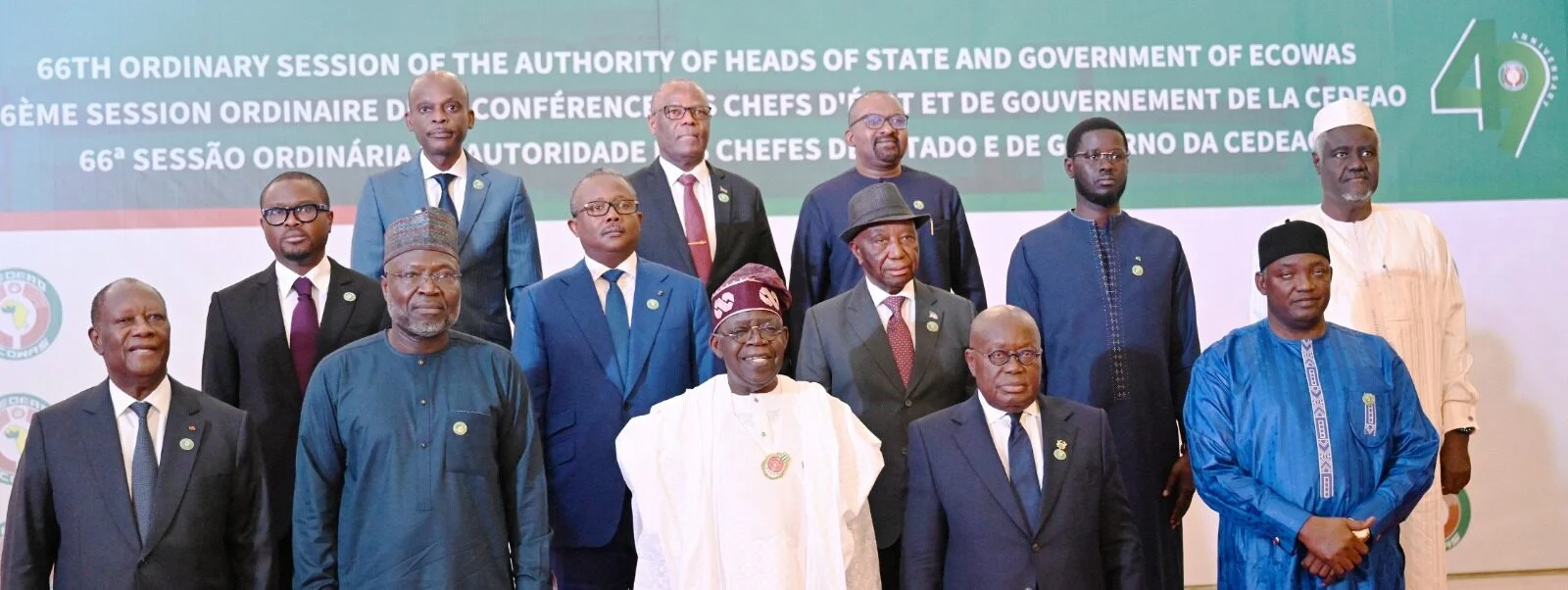
    President Tinubu who spoke while opening the 66th Ordinary Session of ECOWAS on Sunday in Abuja, urged other African leaders to draw inspiration from the Ghanaian example.

     “I urge all of us in the region to learn from this good democratic practice and prioritise our country’s national unity to ensure political stability of the region so that this manner of peaceful transition becomes the culture of democracy not only in West Africa but also in the entire Africa continent,” he stated.

    “Despite the challenges of interrupted democratic governance in some West African countries, the region has continued to record democratic gains. Just a week ago, on December 7 2024, Presidential and Parliamentary elections took place in Ghana, the second-largest democracy in our region,” Mr. Tinubu reminded the gathering of Heads of State of Governments of West African countries of which he is the chairman.

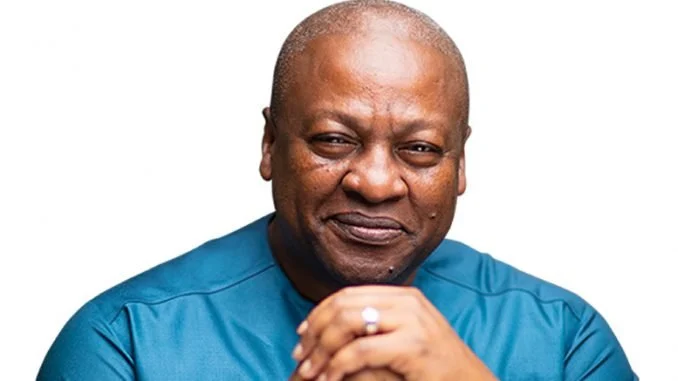
    “One of the leading candidates who happens to be the incumbent Vice President, His Excellency Mahamudu Bawumia, together with the leadership of the ruling party, New Patriotic Party (NPP), conceded defeat and accepted the outcome of the Presidential election by congratulating the President-elect, His Excellency, John Dramani Mahama of National Democratic Congress (NDC) for his victory, even before the official announcement of the election results. 

    “This gesture, as it happened in Nigeria in 2015, demonstrates political maturity and respect for the will of the people of Ghana,” President Tinubu stressed. 

    In a press statement, the Special Adviser to the President on Information & Strategy, Mr. Bayo Onanuga praised President Akufo-Addo for the electoral feat.

    President Tinubu, in his second term as ECOWAS Chair, highlighted achievements from his first term, to include strides in regional integration, economic growth, conflict resolution, and counterterrorism efforts. 

    He said the ECOWAS Trade Liberalisation Scheme (ETLS) and Common External Tariff (CET) have strengthened trade and economic cooperation.

    “Similarly, regional infrastructure projects such as the West African Gas Pipeline, the West Africa Power Pool, and modernising key border posts with advanced equipment and joint border operations utilising state-of-the-art technology have significantly enhanced connectivity and promoted greater regional integration.

    “Furthermore, our efforts in stabilising our region through peacekeeping missions currently in the Gambia and Guinea Bissau, as well as previous operations in Liberia and Sierra Leone, have demonstrated our capacity to act decisively in the face of adversity. 

    President Tinubu said the ECOWAS Regional Action Plan on the Fight Against Terrorism has provided a comprehensive framework to combat violent extremism and enhance regional security. 

    As ECOWAS nears its 50th anniversary in 2025, President Tinubu urged member states to recommit to the bloc’s founding ideals of economic integration, peace, and prosperity. 

    “As a regional community, we must maintain our fundamental responsibility: to protect our citizens and create an enabling environment where they can prosper. 

    “As leaders, we know that security is not a luxury but a necessity. Equally, enhancing the living standards of our people is not an aspiration but an obligation,” he said.

    The Presidents of Cote d’Ivoire, Ghana, The Gambia, Guinea Bissau, Liberia, and Senegal attended in person alongside the Vice President of Sierra Leone, the Finance Minister of the Benin Republic, the Minister of foreign affairs of Togo, and the Ambassador of Cape Verde to Nigeria. 

    The President of the ECOWAS Commission, Dr Omar Touray, commended Nigeria for paying 100 per cent of its community levy for 2023 and substantial remittances for 2024, reflecting Nigeria’s leadership and commitment under President Tinubu.

    “For the first time in 19 years, Nigeria has paid 100% of its community levy from 2023.  I’m therefore pleased to announce that on Friday, December 13, 2024, Nigeria paid N85 billion and $54 million, representing 100% of the 2023 levy and the 2024 levy up to July 2024. 

    “We all agree that this payment underscores the leadership and commitment of President Tinubu, the government and the people of Nigeria to our community. At a more personal level, it represents confidence in the management I have been privileged to lead since 2022. 

    He encouraged other member states to meet their financial commitments diligently.

  • Ghana Elections 2024 and Africa’s Maturing Democracy

    Ghana Elections 2024 and Africa’s Maturing Democracy

    It is a major win for democracy in Africa as Ghanaian Vice President Mahamudu Bawwumia conceded defeat and congratulated his opponent, former President John Dramani Mahama.

    The Ghanaian general election held on Saturday, and by Sunday morning, the incumbent Vice President called to congratulate the projected winner even as collation of votes was underway.

    The most recent such gesture was in 2015 when incumbent President Goodluck Ebele Jonathan of the Peoples Democratic Party (PDP) conceded defeat to his opponent, Muhammadu Buhari of the All Progressives Congress (APC).

    Commenting on the outcome of the Ghanaian election last night, founder of YIAGA Africa, Mr. Samson Itodo attributed the gesture by Dr. Bawumia to the credible process of the Ghanaian elections, especially the counting and collation processes that were adjudged as transparent.

    He enjoined other African election management bodies to emulate the Ghanaian model.

    Mr. Itodo also called on the politicians in particular, to moderate their attitude towards partisan politics, especially the electoral process, which he said must not be taken as a do-or-die contest that must be won at all cost.

    He called for electoral reforms that will lead to cost-cutting and to minimise fractious electoral outcomes that end up courts.

  • Niger Partners with Starlink for Expanded Internet Access

    Niger Partners with Starlink for Expanded Internet Access

    Niger’s military government has announced a collaboration with Elon Musk’s Starlink to enhance internet coverage across the country, which currently has a low internet penetration rate of 32 percent.

    The Minister of Communication and Digital Economy, Sidi Mohamed Raliou, stated that this partnership aims to extend broadband access to as much as 100 percent of Niger’s territory.

    Starlink’s innovative satellite technology is set to deliver internet connectivity to remote and underserved areas, where traditional infrastructure is lacking.

    This agreement follows similar developments in the region, with Liberia recently granting Starlink a provisional license and Mali lifting its ban on the import of Starlink kits after previously prohibiting them due to security concerns.

    Niger’s decision to partner with Starlink comes in the wake of a challenging communications landscape, where internet access is often disrupted by militant activities from various groups in the Sahel region.

    The military junta is optimistic that this initiative will not only improve connectivity but also provide affordable high-speed internet options for its citizens.

  • Tinubu Congratulates Shirley Botchwey, Incoming Commonwealth Sec-Gen

    Tinubu Congratulates Shirley Botchwey, Incoming Commonwealth Sec-Gen

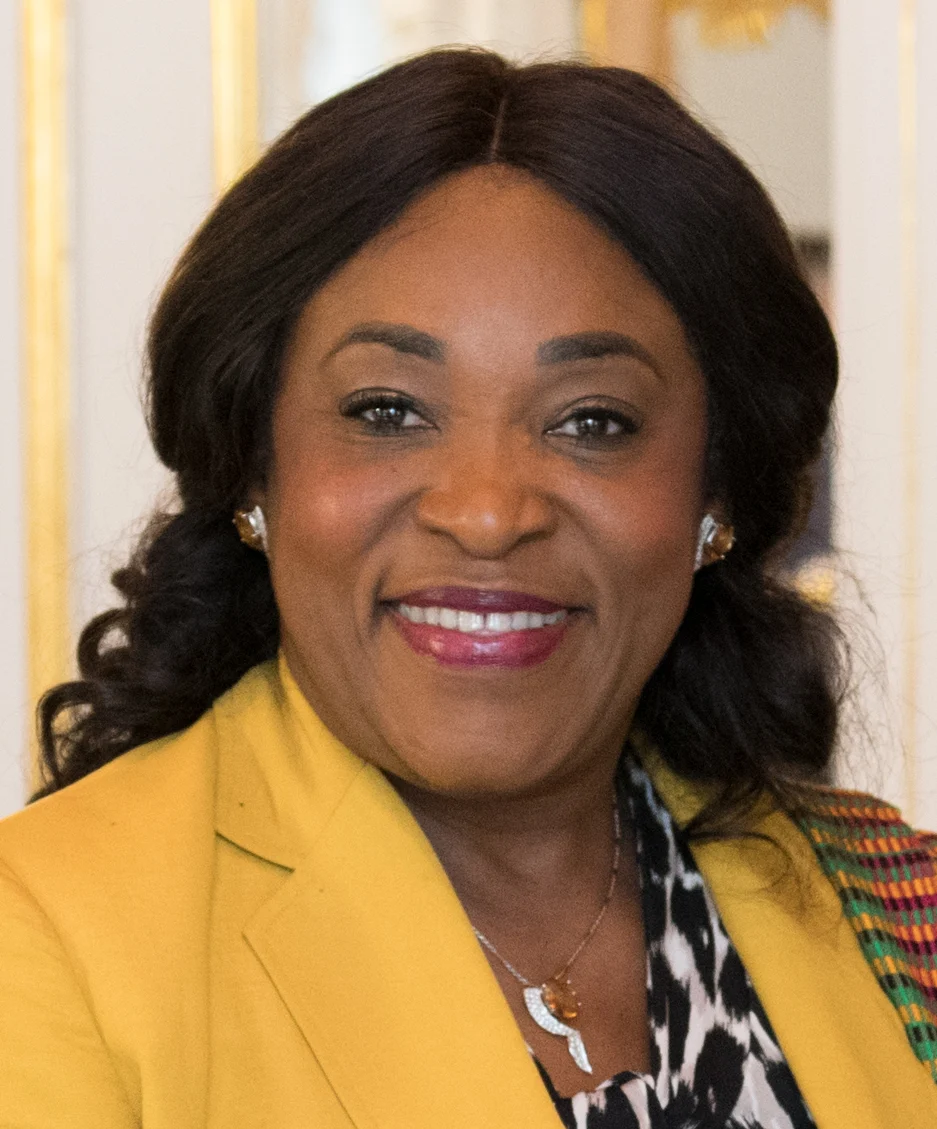
    President Bola Tinubu has congratulated Honourable Shirley Ayorkor Botchwey, Ghana’s Minister for Foreign Affairs and Regional Integration, on her election as the incoming Secretary-General of the Commonwealth.

    On Friday, leaders of the 56 Commonwealth nations meeting in Apia, Samoa, elected Botchwey, a 61-year-old former lawmaker who has served as Ghana’s foreign minister for the last seven years, as the 7th Secretary-General.

    She is expected to assume office on April 1, 2025.Botchwey is the second African to be elected secretary-general of the Commonwealth in its 75-year history, after Chief Emeka Anyaoku of Nigeria, who served in that position from July 1, 1990, to March 31, 2000.

    She had the backing of Nigeria for the top commonwealth job.

    The Nigerian leader believes that Botchey’s extensive career in public administration, foreign affairs and regional development makes her a perfect fit for the job.

    He trusts that Botchey’s leadership experience will bring renewed energy to the Commonwealth’s efforts to advance meaningful economic and political partnerships that drive development and amplify the bloc’s voice in global affairs.

    President Tinubu said he looks forward to working with the incoming Secretary-General to advance the Commonwealth’s vision of fostering peace, equity and prosperity for all member nations.

    The President reaffirmed Nigeria’s commitment to championing a Commonwealth that prioritises strengthening intra-commonwealth trade, African exports, and a unified presence at the United Nations that supports an African bid for a permanent representation at the Security Council.

    The President thanked the outgoing Commonwealth Secretary-General, Baroness Patricia Scotland, for her years of leadership and wishes her the best in her future endeavours.

  • Benin Republic Thwarts Alleged Coup Plot, Arrests Top Officials

    Benin Republic Thwarts Alleged Coup Plot, Arrests Top Officials

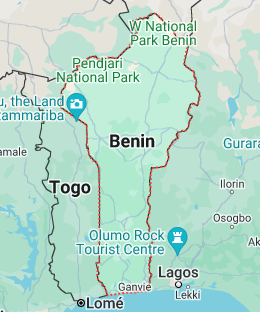
    Authorities in Benin Republic claim to have successfully foiled a planned coup attempt that was set to take place on Friday.
    Prosecutors revealed on Wednesday that the alleged plot involved high-ranking officials and was uncovered just days before the scheduled event.
    A special prosecutor at Benin’s court for financial crimes and terrorism, Elonm Metonou, disclosed that a former sports minister, Oswald Homeky, was apprehended on Tuesday night.
    Homeky was reportedly caught handing over six bags filled with cash to Djimon Tevoedjre, the commander of the republican guard, who is responsible for the security of President Patrice Talon.
    “It appears the Republican Guard commander in charge of the president’s security was engaged by the minister Oswald Homeky and Olivier Boko in order to carry out a coup by force on September 27, 2024,” Metonou stated.
    According to the prosecutor, the seized bags contained approximately 1.5 billion West African CFA francs, equivalent to about $2.5 million.
    Investigations revealed that a bank account was opened in Côte d’Ivoire under Tevoedjre’s name on August 6. The funds were reportedly transported in Homeky’s vehicle, a Toyota Prado fitted with fake license plates.
    Olivier Boko, a businessman and close associate of President Talon, was also implicated in the conspiracy. He was arrested earlier in the week in Cotonou, Benin’s commercial hub.
    Boko, who has made his presidential ambitions clear ahead of the 2026 election, allegedly collaborated with Homeky in paying off the military commander to ensure there would be no resistance during the coup.
    Investigations are ongoing, with authorities working to track down other individuals involved in the plot.
    Since 2020, several West African nations have experienced successful coups or attempted military takeovers.
    President Talon, who has governed Benin since 2016, has come under scrutiny, with critics accusing him of gradually dismantling democratic institutions and tightening his grip on power.
  • Gunmen Attack Police Base In Mali 

    Gunmen Attack Police Base In Mali 

    Gunmen attacked a military police base early Tuesday in the Malian capital Bamako where gunfire and explosions were heard and the airport was closed, sources, witnesses and an AFP correspondent said.
    “This morning armed men attacked at least one military police base in Bamako. They have not been formally identified,” a police source told AFP on condition of anonymity.
    Volleys of gunfire interspersed with explosions began at around 5:00 am and black smoke could be seen rising from an area near the airport.
    “Bamako airport is temporarily closed due to events,” an airport official said without saying how long the closure would last.
    A witness said he and other worshippers were stuck in a mosque near the area during early morning prayers.
    The French high school Liberte announced it would remain closed “due to external events” and staff at the United Nations mission in Mali received a message urging them to “limit (their) movements until further notice”.
    Mali has been ruled by a military junta since back-to-back coups in 2020 and 2021.
    A number of armed rebel groups are active in the West African country — including separatists and jihadists linked to Al-Qaeda and the Islamic State group — but until now the capital has been spared.
    After the Malian coup, military juntas also seized power in neighbouring Burkina Faso and Niger.
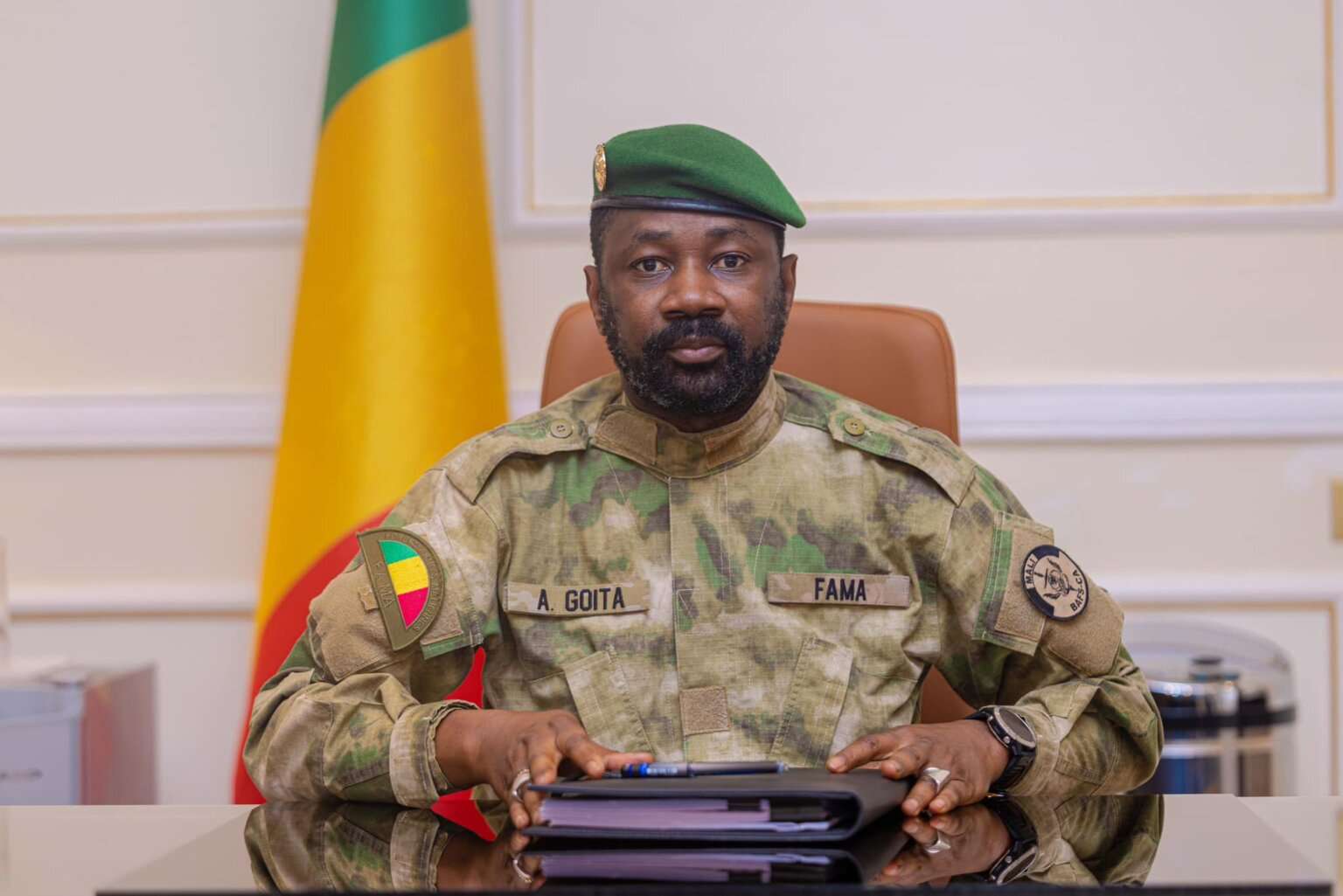
    Under junta leader Colonel Assimi Goita, Mali broke a long-standing alliance with European partners and former colonial power France, turning instead to Russia and its Wagner mercenary group for support.
    The military leaders have pledged to regain control of the entire country.
    Their offensive against rebels in the north has given rise to numerous allegations that the army and its Russian allies have committed abuses against civilians since 2022, charges they deny
  • Senegal President Dissolves National Assembly

    Senegal President Dissolves National Assembly

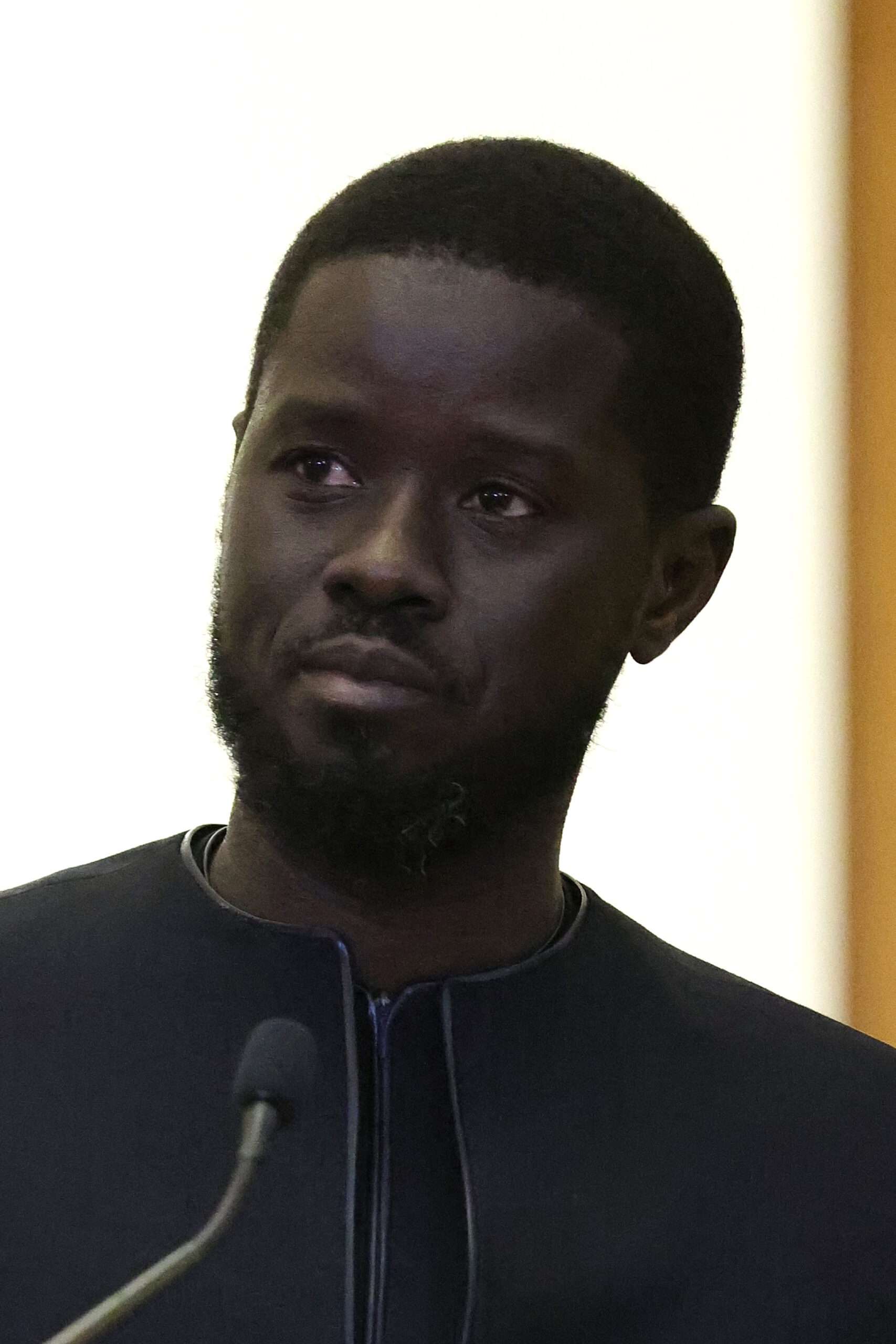
    Africa’s youngest Head of Government, President Bassirou Faye of Senegal has dissolved the National Assembly and scheduled new legislative elections for Nov. 17.


    “After consulting the Constitutional Council on the right date, the prime minister and the president of the National Assembly on the appropriateness, I dissolve the National Assembly.

    “ And I announce that the legislative elections holds on Nov. 17,” Faye said in a message to the nation.


    Inspite winning the presidential election with 54.28 per cent of the vote in March, his party, the African Patriots of Senegal for Work, Ethics and Fraternity party, holds the minority position in the National Assembly.


    Meanwhile, the coalition of the outgoing president Macky Sall controlled majority of the 165 seats.


    Faye said the National Assembly had used its majority to thwart his initiatives