
Category: International News

  • UAE Has Not Lifted Visa Ban On Nigeria – Presidency

    UAE Has Not Lifted Visa Ban On Nigeria – Presidency

    The presidency has refuted claims of the United Arab Emirates lifting the visa restriction on Nigerian travellers.

    The ban was imposed in October 2022 along with restrictions on citizens from about 20 African nations. 

    Among the affected countries are Nigeria, Uganda, Ghana, and others.

    Reports surfaced on Tuesday that discussions between President Bola Tinubu and his UAE counterpart, Sheikh Mohamed bin Zayed Al Nahyan, regarding diplomatic issues like flight allocations and travel restrictions, prompted the suspension of the ban.

    However, Bayo Onanuga, senior Special Adviser to President Tinubu on information, clarified that the ban remains in place, stating that the circulating document is unauthorized by both Nigerian and UAE governments.

    “UAE has not resumed visa issuance to Nigerians. The document in circulation is not authorized either by the Nigerian government or the UAE”, he said.

  • Israeli-Palestinian Conflict Escalates: Rising Death Toll and Detentions

    Israeli-Palestinian Conflict Escalates: Rising Death Toll and Detentions

    As the Israeli-Palestinian conflict continues to escalate, the Gaza Strip is witnessing a surge in casualties and detentions. According to reports, the death toll in Gaza has risen sharply, with 228 women, 460 children, and 56 journalists among those detained. Palestinian authorities have reported over 7,270 arrests in the Occupied West Bank, further exacerbating tensions in the region.

    During a press conference at the Palestine Embassy in Abuja, Ambassador Abdullah Shawesh expressed grave concerns about the humanitarian crisis unfolding in Gaza. He highlighted the dire situation faced by over two million Palestinians, emphasizing the urgent need for international intervention to prevent irreparable harm.

    Quoting the Ministry of Education, Shawesh said in the last 144 days, 5427 students were martyred, 5379 in Gaza and 48 in the OWB, while 9193 were injured, 8888 in Gaza and 305 in the Occupied West Bank(OWB), 97 were arrested in the OWB, including East Jerusalem. 255 teachers and administrative staff were martyred and 891 were injured in the Gaza Strip.

    The detention of thousands of Palestinians, including women, children, and journalists, has raised international concerns about human rights abuses. Reports of torture and ill-treatment in Israeli prisons have further fueled outrage and condemnation.

    “The clock is ticking fast towards famine and an outbreak of epidemics. The lives and health, physical and mental, of the women and girls of Gaza are severely compromised.

    “The scale and gravity of the humanitarian catastrophe caused by Israel’s relentless bombardment, destruction and suffocating siege puts more than two million Palestinians of Gaza at risk of irreparable harm.

    “Israel turns ‘safe’ corridor to Gaza’s south into a trap to kill hungry, forcibly displaced Palestinians.”

    As of yesterday, the death toll in the Gaza Strip was 29,878 Martyrs, with 70,215 injuries and around 8,000 people still missing under the rubble.
    Additionally, UN experts have expressed credible claims of sexual assault against Palestinian women in detention, calling for an immediate investigation into these allegations.

    Meanwhile, Israeli Prime Minister Benjamin Netanyahu’s post-war plan for Gaza has been met with criticism from Palestinian officials and the United Nations. The plan, which aims to maintain Israeli security control and restrict Palestinian autonomy, has been denounced as a hindrance to the peace process.

    The international community has been urged to cease arms exports to Israel, with UN experts warning of potential violations of international humanitarian law. Calls for humanitarian access to Gaza have intensified, as the region faces the looming threat of famine and widespread starvation.

    Former Israeli Premier Ehud Olmert has condemned Netanyahu’s government, accusing it of ethnic cleansing and advocating for further violence in the West Bank. Olmert’s remarks underscore the deepening divisions and escalating tensions in the region, raising concerns about the prospects for peace and stability.

    As the conflict continues to unfold, the plight of the Palestinian people remains a pressing humanitarian crisis, requiring urgent and concerted international action to alleviate their suffering and bring about a lasting resolution to the conflict.

  • Security Tightened in Chad’s Capital Amidst Rising Tensions

    Security Tightened in Chad’s Capital Amidst Rising Tensions

    Chad’s capital, N’Djamena, is witnessing heightened security measures with roadblocks and military deployment around the Socialist Party Without Borders’ headquarters, following a deadly attack on the security agency.

    The junta-led government accused the opposition party of orchestrating the assault.

    Soldiers surrounded the PSF headquarters, led by Yaya Dillo, a cousin of transitional president Mahamat Idriss Deby Itno. 

    The attack near the party’s HQ adds to the escalating tensions between the government and opposition.

    Access to the presidential palace has been restricted, and schools in central N’Djamena are closed. 

    The telephone network has been facing disruptions since Wednesday, while mobile internet access remained suspended.

    Yaya Dillo denied any involvement in the security agency attack, dismissing the allegations as politically motivated lies.

    The government had accused a PSF member of an “assassination attempt against the president of the supreme court.”

    Despite the turmoil, Chad announced a presidential election on May 6, contested by both Deby Itno and Dillo.

    The transitional president, Mahamat Deby Itno, initially pledged a return to civilian rule but later extended the transition period by two years. 

  • INEC Partners Foreign Bodies to Launch Guidelines for Digital and Social Media Use in African Elections

    INEC Partners Foreign Bodies to Launch Guidelines for Digital and Social Media Use in African Elections

    In a concerted effort to enhance electoral processes across Africa, the Independent National Electoral Commission (INEC) of Nigeria has partnered with the Association of African Election Authorities (AAEA) and the Independent Electoral Commission (IEC) of South Africa to introduce comprehensive guidelines for the effective utilization of digital and social media during elections.

    The unveiling of the Principles and Guidelines for the Use of Digital and Social Media in Elections in Africa occurred over a three-day period, from Tuesday, 27th February to Thursday, 29th February, 2024, in Johannesburg, South Africa.

    Dr. Sa’ad Umar Idris, the Director-General of INEC’s Electoral Institute, represented the Nigerian electoral body at the event, which brought together stakeholders to deliberate on strategies for leveraging social media while mitigating potential risks associated with evolving digital technologies.

    The genesis of these guidelines can be traced back to the inaugural Continental Conference for Election Management Bodies held in Cape Town, South Africa, in March 2020. Themed “Safeguarding Electoral Integrity in the Digital Age: Strategies for Combatting Digital Disinformation,” the conference, jointly organized by the Electoral Commission of South Africa, the African Union Commission (AUC), and the United Nations Development Programme (UNDP), laid the groundwork for extensive consultations with EMBs and electoral stakeholders across Africa to formulate a robust framework.

    The newly introduced principles emphasize the pivotal role of social media in bolstering the credibility of Election Management Bodies (EMBs) and fostering public trust during electoral processes.

    Additionally, they underscore the importance of responsible journalism and accountability among social media platform owners and users to counteract the risks of misinformation and manipulation.

    The collaborative endeavor between INEC, AAEA, and IEC signifies a proactive approach towards addressing the evolving challenges of electoral integrity in the digital era. By advocating for responsible digital engagement, African EMBs aim to uphold democratic principles and promote transparent electoral practices across the continent.

  • DR Congo Prime Minister Resigns Amid Escalating Conflict 

    DR Congo Prime Minister Resigns Amid Escalating Conflict 

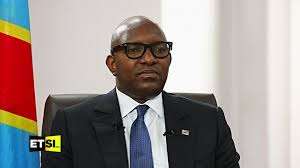
    Prime Minister Jean-Michel Sama Lukonde of the Democratic Republic of  Congo has tendered his resignation on Tuesday amid escalating clashes between rebels and government forces.

    Lukonde, who assumed office in February 2021, submitted his resignation to President Felix Tshisekedi just eight days after the validation of his mandate as a national deputy.

    The resignation was swiftly accepted by President Tshisekedi, who also announced the immediate dissolution of Lukonde’s government. 

    However, the presidency revealed that the outgoing government would continue handling current affairs until a new one is formed.

    While the official statement did not specify the reasons behind Lukonde’s resignation, tensions have intensified in recent days around the strategic town of Sake, near Goma. 

    The M23 rebel group, allegedly backed by neighboring Rwanda, has clashed with Congolese government forces, leading to heightened unrest in the region.

    In a separate incident, Goma airport in eastern DR Congo was struck by a bomb, as reported last Saturday by SaharaReporters. 

    The source in the North Kivu province confirmed the attack, stating that “two bombs” had hit the facility but caused no significant damage. Security experts are on-site to investigate the origin of the bombing.

  • England Schools to Implement Ban on Cellphone Use to Improve Classroom Environment

    England Schools to Implement Ban on Cellphone Use to Improve Classroom Environment

    In a bid to enhance classroom discipline and minimize disruptions, schools across England are set to enforce a ban on cellphone usage during school hours. The Department of Education issued new guidance on Monday, urging schools to adopt consistent measures to curb the prevalent use of mobile devices among students.

    Citing concerns over online bullying, distractions, and classroom disturbances, the government emphasized the need for a unified approach to address the pervasive issue. According to the UK’s communications regulator, Ofcom, a staggering 97% of children possess their own cellphone by the age of 12, underscoring the urgency of intervention.

    Last year, UNESCO echoed similar sentiments, advocating for the prohibition of smartphones in educational institutions, citing evidence linking excessive screen time to diminished academic performance and adverse effects on children’s well-being.

    Education Secretary Gillian Keegan underscored the significance of maintaining a conducive learning environment, labeling cellphones as unwelcome distractions in classrooms. Keegan stated, “We are giving our hard-working teachers the tools to take action to help improve behavior and to allow them to do what they do best – teach.”

    Echoing Keegan’s sentiments, Technology Secretary Michelle Donelan emphasized the government’s commitment to safeguarding children’s well-being and educational prospects. Donelan highlighted recent legislative efforts aimed at making the UK the safest online environment for young people, affirming the necessity of balancing technological advancements with educational priorities.

    The Department of Education revealed that approximately 29% of secondary school students reported instances of unauthorized cellphone usage during lessons, underscoring the pervasive nature of the issue. Schools will be provided with various strategies to enforce the ban, including confiscation of phones upon arrival, implementing secure storage facilities, or outright prohibition on school premises.

    Highlighting the efficacy of such measures, the Department referenced success stories from schools that have already implemented cellphone bans. One school, in particular, witnessed an immediate positive impact on classroom culture, with students demonstrating increased focus and engagement in learning activities.

    The move aligns England with other nations that have implemented similar restrictions, including France, Italy, and Portugal, signaling a global trend toward regulating cellphone usage in educational settings. As schools prepare to implement the ban, stakeholders remain optimistic about the potential benefits it may yield in fostering a conducive learning environment for students across the country.

  • AU Takes Action to Protect Donkeys: Bans Donkey Skin Trade

    AU Takes Action to Protect Donkeys: Bans Donkey Skin Trade

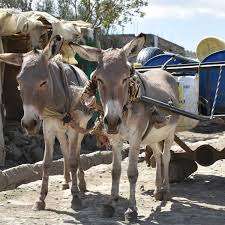
    The African Union has implemented a ban on the trade of donkey skins to safeguard Africa’s donkey population and the livelihoods of rural communities.

    The decision, ratified during the 37th Ordinary Session of the African Union Assembly held in Addis Ababa, Ethiopia, marks the culmination of efforts to address the alarming decline in donkey numbers across the continent.

    The ban, proposed by the AU’s Specialized Technical Committee for Agriculture, Rural Development, Water, and Environment, comes in response to the devastating impact of the trade driven by Chinese demand for ejiao, a gelatin derived from boiling down donkey hides for use in traditional Chinese medicine.

    According to Brooke – Action for Working Horses and Donkeys, an animal welfare group, the demand for ejiao has led to the decimation of donkey populations in China and subsequently fueled export industries in Africa and South America. With approximately two-thirds of the world’s estimated 53 million donkeys residing in Africa, the ban represents a crucial step in curbing the depletion of this vital resource.

    Donkeys play a fundamental role in the daily lives of many rural communities, serving as a means of transportation and carrying essential goods such as water and food. The ban aims to protect these animals from exploitation while preserving the economic and social fabric of communities dependent on them.

    The decision has been met with widespread support from conservationists, animal welfare organizations, and local communities alike, who view it as a significant victory for animal rights and sustainable development.

    While challenges may arise in enforcing the ban and addressing existing trade networks, the African Union’s commitment to protecting donkeys signals a promising future for these resilient creatures and the communities they serve.

  • NBA threatens legal action over UK lawyers practice in Nigeria says FG undermines its legal professionals

    NBA threatens legal action over UK lawyers practice in Nigeria says FG undermines its legal professionals

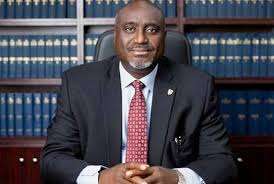
    Nigerian Bar Association (NBA) through it’s President, Yakubu Maikyau, has rejected
    Federal Government’s bilateral agreement with the United Kingdom, which henceforth allows English lawyers to practice in Nigeria without any hindarance.

    The NBA maintained that the action will undermines the Nation’s legal professionals, adding that it is a move that will enhances increase in the importation of legal services to Nigeria to their disadvantage.

    Opposing the agreement, the association, therefore, threatened to resist it by all means necessary within the ambit of the law.

    He therefore, referred the deal as a “tragic reminder of our colonial past,” as he wondered why the Nigerian government would take such a decision with likely monumental impact without consulting with the NBA.

    The Federal Government and the United Kingdom government, had Tuesday, formalized a new trade agreement to boost trade and investment between both countries.

    The agreement themed, “the Enhanced Trade and Investment Partnership (ETIP)” focused unlocking new opportunities for UK and Nigerian businesses.

    Addressing the press, Wednesday, Maikyau said, “We want to make it very clear that the ETIP agreement, in so far as it relates to legal services is unacceptable in its entirety. The NBA will take all necessary measures provided by our laws in support of our position on this matter.”

    He said the agreement “will compromise our legal space.”

    “It is indeed unfortunate that this tragic reminder of our colonial past is being gleefully celebrated at the highest level of the Government of Nigeria. What is more disheartening is the fact that a decision of this magnitude that adversely affects the well-being and livelihood of millions of Nigerians, could be taken without any consultation, especially with the Nigerian Bar Association (NBA).

    “For the avoidance of doubt, the NBA had no foreknowledge or inclination of the text of the said agreement. We could not therefore have contributed to it. I have since assuming office as President of the NBA clearly opposed any agreement that will compromise our legal space at all the meetings.

    Speaking further on the implications on the profession, Mr Maikyau said the British government would not undermine its own body of legal professionals in such a manner as the Nigerian government has done.

    “It is truly tragic that while the government of the UK is seeking opportunities for its own lawyers beyond its constrained environment, the government of Nigeria is attempting to deprive Nigerian lawyers and their millions of dependants of means of livelihood.

  • FG Makes U-turn, Says UK Lawyers Can’t Practice In Nigeria

    FG Makes U-turn, Says UK Lawyers Can’t Practice In Nigeria

    The Federal Government has withdrawn its initial statement regarding the legal dimension of the Enhanced Trade and Investment Partnership signed with the United Kingdom on Tuesday. 

    This decision follows criticism from Nigerians who raised concerns about the perceived one-sided nature of the Memorandum of Understanding with the UK. 

    Nigerian Minister for Trade and Investment, Doris Uzoka-Anite, clarified in a thread on X that there is no legal agreement between Nigeria and the UK, retracting the earlier suggestion. 

    She emphasized that there is no provision in the MoU allowing UK-licensed lawyers to practice in Nigeria and highlighted that Nigeria has no Mutual Recognition Agreement with the UK. 

    She said, “Earlier today, Nigeria signed a far-reaching MoU with the United Kingdom for Enhanced Trade and Investment Partnership.

    “Regrettably, our earlier report erroneously suggest that Nigeria has signed a Memorandum of Understanding that allows lawyers licensed in the United Kingdom to practise in Nigeria.

    “We wish to state emphatically that there is no such provision or agreement in the MpU.”

    On Tuesday, a statement by the UK’s Department of Business and Trade, and a tweet from Nigeria’s Minister of Trade and Investment, had disclosed that Nigeria was signing a deal to remove barriers preventing UK lawyers from practising international law in Nigeria.

    The Nigerian Bar Association described the deal as “ridiculous, unpatriotic, and uninformed.”

  • Breaking: Ghana President Reshuffles Cabinet, Sacks 12 Ministers

    Breaking: Ghana President Reshuffles Cabinet, Sacks 12 Ministers

    Ghanaian President Nana Akufo-Addo has reshuffled his cabinet.

    In a statement released by the presidency on Wednesday, Akufo-Addo sacked twelve ministers and their deputies.

    Among those sacked is Ken Ofori-Atta, the minister of finance.

    Ofori-Atta had been under pressure to resign as the cost-of-living crisis in the country was beginning to bite hard, triggering a number of protests. 

    But he did not heed to the resignation calls.

    He said: “Asking me to resign is like telling a father to resign from his children because he changed his mind”.

    When NPP lawmakers petitioned Akufo-Addo to sack him, the president hesitated. His argument was that terminating the appointment of the minister at the time will disrupt Ghana’s IMF bailout negotiations.

    The president has not announced any new appointments.