Author: admin

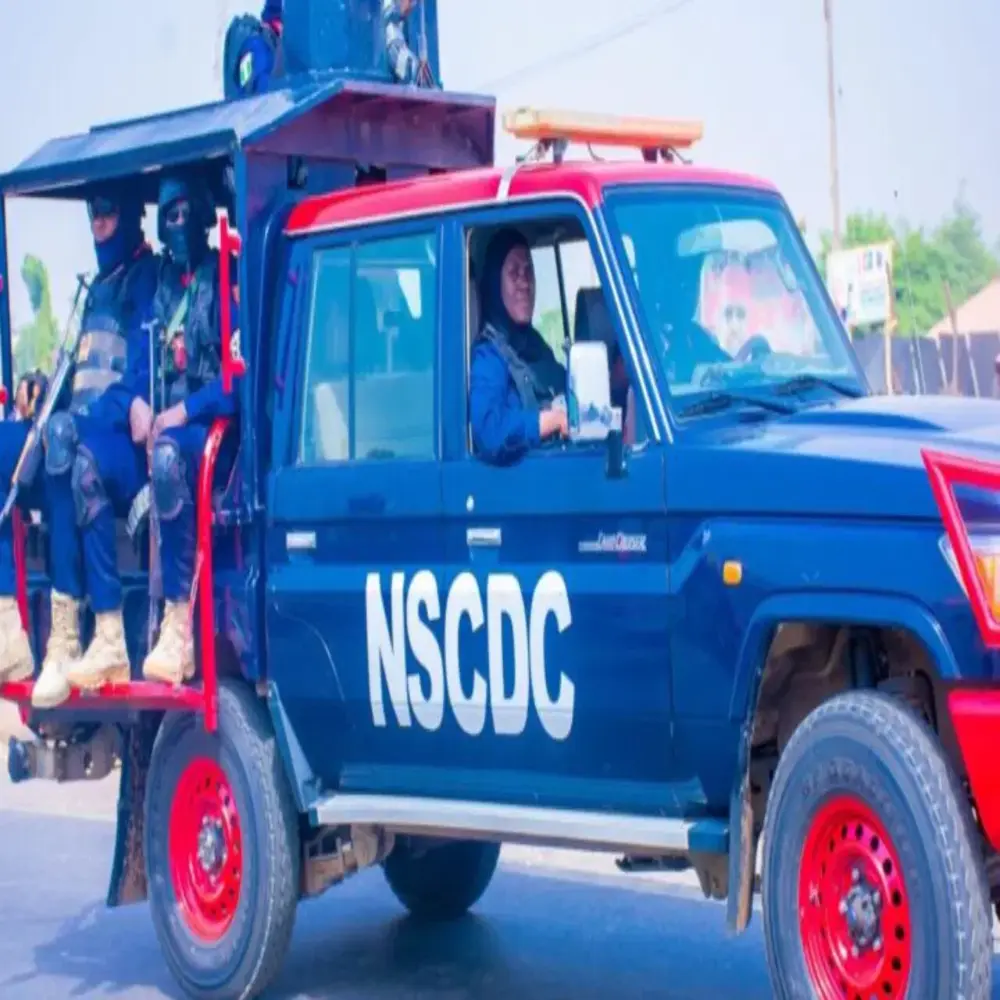
  • Why Nigeria Must Establish an Air Wing for the NSCDC Now

    Why Nigeria Must Establish an Air Wing for the NSCDC Now

    By Chris Echikwu

    Nigeria stands at a critical juncture in managing its internal security. Rising insecurity – from mass kidnappings and school attacks to assaults on religious institutions and the displacement of rural communities – has exposed a glaring weakness in the nation’s security architecture. While government efforts, including troop deployments and recruitment drives, are important, the reality is clear: Nigeria needs not just more boots on the ground, but new eyes in the sky.

    The call for an Air Wing within the Nigeria Security and Civil Defence Corps (NSCDC) has never been more urgent.

    Insecurity Has Outpaced Our Security System

    Criminal networks exploit Nigeria’s forests, borderlands, and waterways as operational hideouts. Camps and routes exist deep in ungoverned spaces, beyond the reach of standard patrols. Ground forces are often reactive, arriving after crimes have already occurred.

    School kidnappings have become a hallmark of this crisis. Children are abducted, transported through bush corridors, and hidden in forest camps for weeks or months. The state frequently responds too late, relying only on limited human intelligence and local reports.

    This is not just a tactical failure, it is a structural one. Nigeria’s internal security agencies remain almost entirely land-based in an era where surveillance, rapid response, and deterrence demand aerial capabilities.

    Why the NSCDC is the Right Agency

    The NSCDC is far from peripheral. It already plays a central role in Nigeria’s internal security:

    • Protecting critical national infrastructure
    • Ensuring school safety
    • Monitoring pipelines and industrial assets
    • Securing border communities
    • Supporting civic protection operations

    Yet, it cannot effectively monitor or respond to threats across vast forests, swamps, and deserts. An Air Wing would transform the NSCDC from a reactive, defensive body into an intelligence-driven force.

    Strategic Benefits of an NSCDC Air Wing

    An Air Wing would provide:

    • Persistent aerial surveillance of ungoverned spaces
    • Real-time intelligence for operations
    • Early warning systems for schools and villages
    • Aerial mapping of criminal routes and hideouts
    • Rapid assessment during attacks or emergencies
    • Faster coordination with police, army, and Air Force
    • Enhanced monitoring of pipelines and critical infrastructure

    This is not about militarizing the NSCDC; it is about modernizing it. Across Africa and Asia, countries Nigeria often compares itself to already deploy drones and light aircraft as standard tools for internal security. Fighting 21st-century crime with 20th-century methods is no longer viable.

    Financing: Affordable and Sustainable

    Arguments that Nigeria “cannot afford it” ignore the true cost of inaction. Insecurity already drains the economy through:

    • Disrupted agriculture
    • Flight of investment
    • Insurance losses
    • School closures
    • Community displacement
    • Damage to national assets

    A modest fleet of drones and light aircraft would cost far less than the economic loss caused by a single kidnapping wave. Financing could come from:

    • Federal appropriations
    • Security intervention funds
    • Infrastructure protection levies
    • Public-private partnerships
    • International security grants

    The return on investment would be immediate.

    The Risk of Doing Nothing

    Without modernization, the human and economic toll will worsen:

    • Education in unstable regions will collapse further
    • Rural economies will remain devastated
    • Citizens may turn to private militias and vigilante groups
    • Criminals will outpace the state
    • Public confidence in lawful authority will continue to erode

    A state that cannot see its territory cannot govern it.

    Conclusion: The Skies Matter

    Nigeria faces a choice: remain trapped in reactive security measures or invest in intelligence, speed, and foresight.

    An NSCDC Air Wing will not end insecurity overnight, but it will end Nigeria’s blindness to the spaces where crime is planned and executed. National security is no longer determined solely by personnel numbers, but by the ability to see, interpret, and respond faster than the threat.

    Nigeria must choose vision over delay.

  • Women’s Coalition Pushes Bold Labour Reforms, Gender Parity in Governance

    Women’s Coalition Pushes Bold Labour Reforms, Gender Parity in Governance


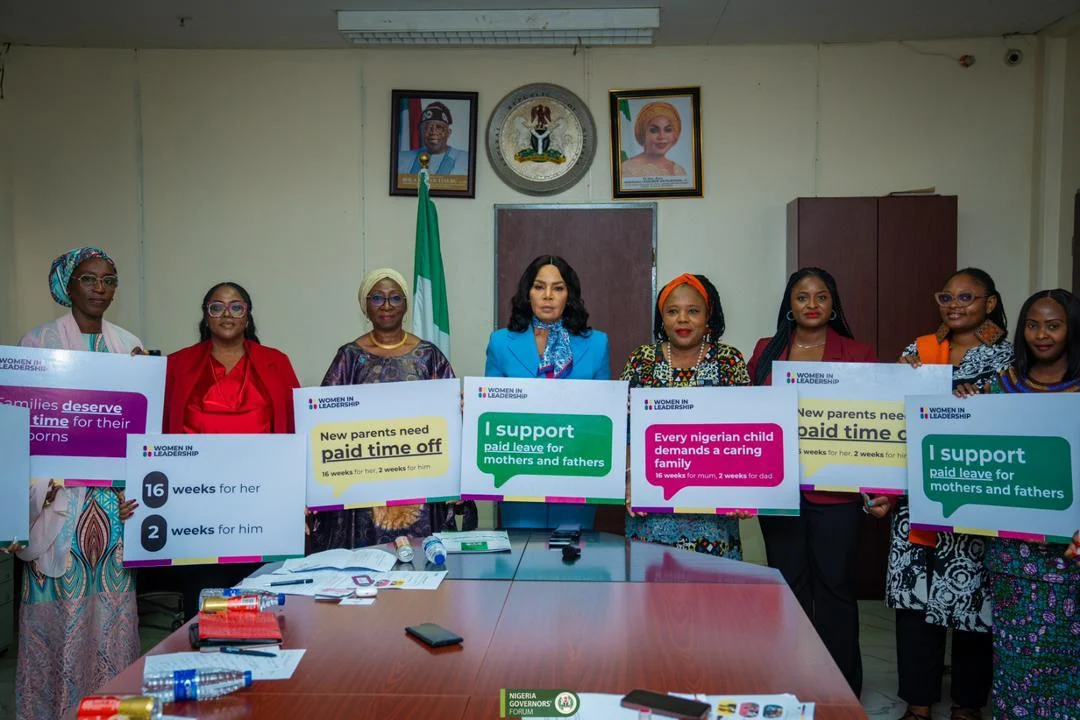
    Nigeria’s top women leadership networks have renewed calls for sweeping labour reforms and stronger gender inclusion in governance.

    The call was made after a high-level meeting with the Minister of State for Labour and Employment, Hon. Nkeiruka Onyejeocha.

    Onyejeocha: Inclusive Leadership Drives National Growth

    Welcoming the delegation, Onyejeocha described their push as vital to building a more resilient workforce.

    “Gender-inclusive leadership is not just about fairness; it’s a strategic imperative,” she said. “No nation can achieve sustainable growth or global competitiveness if half its population is excluded from the rooms where key decisions are made.”

    Coalition Seeks 16-Week Paid Maternity Leave, 14-Day Paternity Leave

    The coalition urged both government and major employers to adopt a national minimum of 16 weeks fully paid maternity leave and 14 days paid paternity leave.

    In a signed statement, NGF Director of Media and Strategic Communications, Yunusa Tanko Abdullahi said the group warned that the existing 12-week, half-pay policy pushes many women out of the labour market.

    “Nigeria loses the return on its investment in girls’ education when women are forced out due to weak family-leave policies and inadequate care systems,” the group said.

    Responding, Onyejeocha reaffirmed the government’s commitment to reform.

    “Our ongoing review of labour laws will close gaps that hinder women’s participation,” she stated, adding that the Ministry is upgrading its labour inspectorate system to enforce equal pay, maternity protection, and safe workplaces.

    $114 Billion in Unpaid Care Work: Coalition Demands Recognition

    Highlighting Nigeria’s undervalued care economy, the coalition estimated that women contribute over $114 billion in unpaid care work annually, limiting their economic participation.

    They urged the government to introduce childcare subsidies, professionalize care services, and strengthen protection against pregnancy discrimination to unlock productivity and inclusion.

    NGF Targets 20 States for Six-Month Parental Leave by 2027

    Hauwa Haliru, Director of Gender Affairs at the NGF, backed the coalition’s call for longer leave.

    “At the NGF, we are advocating six months paid maternity leave and using the Spouses’ Forum to promote six months paternity leave as well,” she said.
    “Nine states have already adopted the six-month policy, and our target is twenty by 2027.”

    Federal Push for 35 Percent Women in Leadership

    On governance, Onyejeocha restated the Federal Government’s goal of at least 35 percent female representation across all levels.

    “A leadership structure that includes 35 percent women is not only fair — it’s essential for balanced and empathetic governance,” she said.

    Coalition Urges Stronger Media Partnership

    The women leaders also appealed for robust media collaboration to amplify women’s voices through interviews, features, and policy coverage.

    They noted that visibility drives understanding, helping to entrench Nigeria’s commitment to gender-balanced leadership.

    Minister Pledges Continued Collaboration

    Onyejeocha closed the session with a promise of partnership.

    “Together, we can build workplaces, boardrooms, and institutions that reflect the true strength and potential of our nation,” she said.

  • NNPC/Renaissance JV Boosts Cancer Fight at National Hospital

    NNPC/Renaissance JV Boosts Cancer Fight at National Hospital

    …Donates $300,000 for maintenance of cancer treatment machine


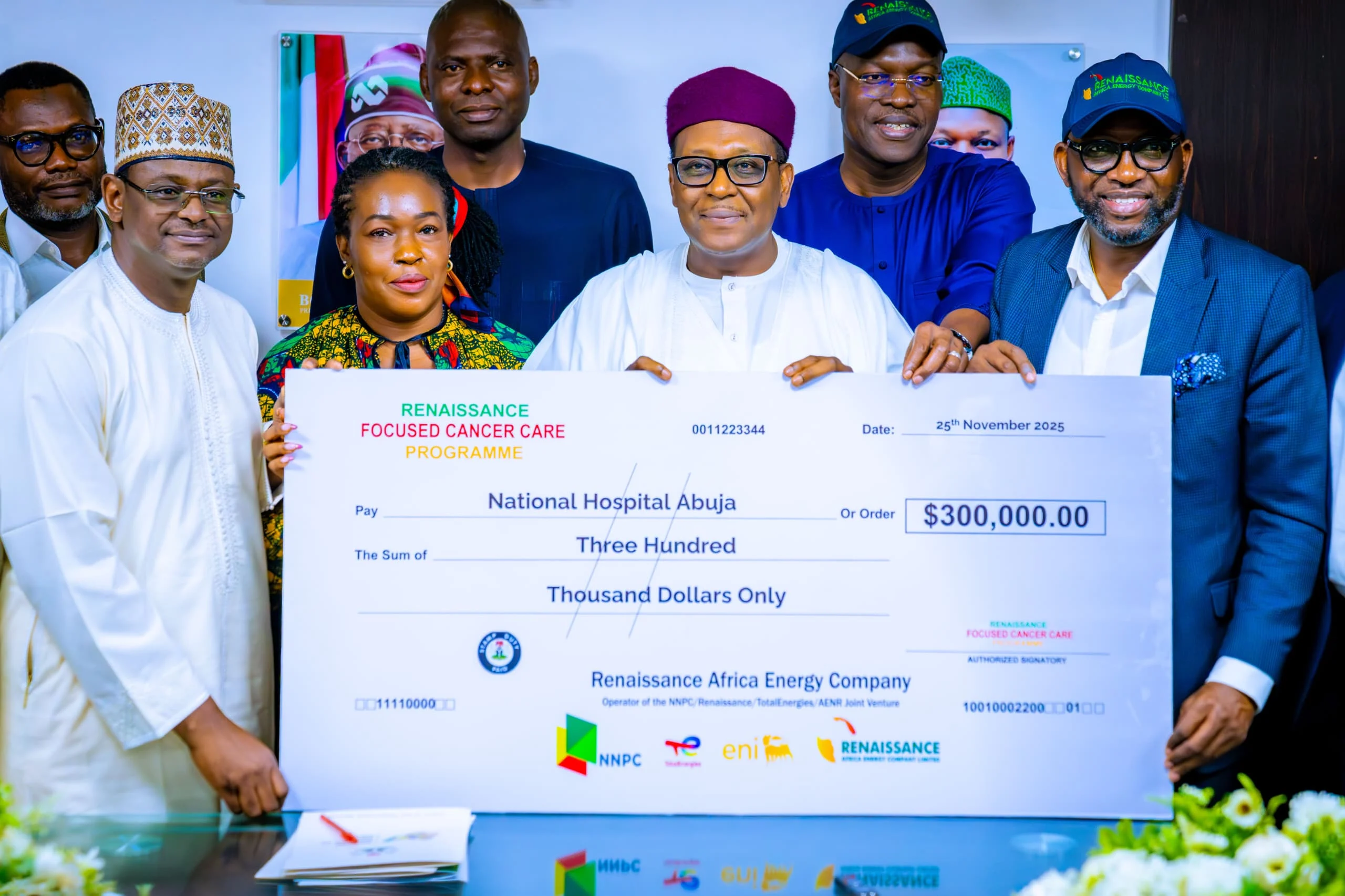
    The NNPC/Renaissance Joint Venture (JV) has donated $300,000 (Three Hundred Thousand US Dollars) to the National Hospital, Abuja, to support the maintenance of its advanced Linear Accelerator (LINAC) Radiotherapy Machine, a key facility for cancer treatment in Nigeria.

    Sustaining Lifesaving Technology

    In a statement, NNPCL Chief Corporate Communications Officer, Mr. Andy Odeh disclosed that the LINAC machine was originally donated by the JV in 2019 as part of its Corporate Social Responsibility (CSR).

    It was stated that the initiative was aimed at strengthening Nigeria’s cancer care ecosystem. The project also included the provision of data and ancillary systems, as well as the training of medical professionals to operate the high-precision equipment.

    Speaking during a presentation ceremony at the office of the Coordinating Minister of Health and Social Welfare, the Chief Upstream Investment Officer of NNPC Upstream Investment Management Services (NUIMS), Engr. Oluwaseyi Omotowa, outlined the impact of the intervention.

    “Since installation, the LINAC machine has facilitated treatment for over 2,000 patients, reduced treatment costs by 80%, shortened therapy sessions from 12 minutes to 2 minutes, and provided subsidised care for 712 indigent patients,” Omotowa said, represented by Nkechi Anaedobe, Head of Business Services, NNPC-NUIMS.

    He explained that the latest donation would ensure timely maintenance, minimal downtime, compliance with international standards, and precise calibration — all vital to maintaining the efficiency and safety of radiotherapy treatment.

    “As we move forward, the JV will continue to forge partnerships that not only address immediate healthcare needs but also build a robust foundation for future medical advancements,” he added.


    “Together, we are not just treating illnesses; we are fostering a healthier, more resilient nation.”

    Government Commends Initiative

    The Coordinating Minister of Health and Social Welfare, Dr. Muhammed Ali Pate, lauded the NNPC/Renaissance JV for its continued support, describing the gesture as “worthy of emulation” by other corporate entities.

    “This intervention aligns perfectly with broader government efforts to revamp critical infrastructure and improve healthcare quality for Nigerians,” Dr. Pate noted.
    “Quality healthcare comes at a cost, and with President Bola Ahmed Tinubu’s renewed focus on health sector investment, partnerships like this significantly strengthen the cause.”

    A Lifeline for Cancer Patients

    The Chief Medical Director of the National Hospital, Dr. Muhammad Raji Mahmud, described the support as a lifeline of hope for thousands of cancer patients who depend on the hospital’s services each year.

    “At the National Hospital Cancer Centre, we treat thousands of patients annually, and the impact of NNPC and Renaissance’s backing has been profound. It has strengthened local cancer care, reduced medical tourism, and enhanced our national capacity to treat cancer effectively,” Mahmud said.

    Strategic Investment in Healthcare

    Also speaking, the Managing Director/Chief Executive Officer of Renaissance Africa Energy Company, Mr. Tony Attah, reaffirmed the company’s commitment to sustainable healthcare and medical innovation.

    “This is not charity. It is a strategic investment in the well-being of Nigerians, in the resilience of our health systems, and in the shared future we all strive to build,” Attah emphasized.
    “When people are healthy, they contribute meaningfully to their families, communities, and the nation.”

    About the NNPC/Renaissance JV

    The NNPC/Renaissance Joint Venture is a partnership between the Nigerian National Petroleum Company Limited (NNPC Ltd.) and Renaissance Africa Energy Company, focused on responsible energy development and impactful corporate social investments in key areas such as healthcare, education, and environmental sustainability.


  • Bianca Ojukwu Urges Peaceful Action Over Nnamdi Kanu’s Imprisonment

    Bianca Ojukwu Urges Peaceful Action Over Nnamdi Kanu’s Imprisonment

    Owerri, November 26, 2025 – The Minister of State for Foreign Affairs, Mrs. Bianca Odumegwu-Ojukwu, has called on the people of the South-East to respond to the imprisonment of Mazi Nnamdi Kanu with dialogue and peaceful engagement, rather than anger or violence.

    Speaking at the 14th Dim Chukwuemeka Odumegwu Ojukwu Memorial Day at the Ojukwu Memorial Library in Owerri, Mrs. Ojukwu emphasized that hope for Kanu’s release remains through patient and organized efforts.

    “The solution is not knives, guns, or fighting among ourselves,” she said.

    This Christmas, we should meet with our National Assembly members, governors, and even President Bola Tinubu to discuss a peaceful way to secure his freedom.”

    She also urged the South-East to learn from other regions in solving challenges peacefully and called on parents to teach children the Igbo language to preserve culture and values.

    Highlighting the impact of insecurity on the region, she said kidnappings and violence have driven away investors, both local and foreign.

    She cited her late husband’s unconditional pardon after the civil war as an example of what dialogue and patience can achieve.

    Chief Ugwunna Ajaelu, chairman of the occasion, echoed her call for calm and diplomatic efforts to ensure Kanu’s release.

  • Fact Over Assumption: NNPC’s New Drive for Openness and Reform

    Fact Over Assumption: NNPC’s New Drive for Openness and Reform

    By Enam Obioso

    For years, the Nigerian National Petroleum Company Limited (NNPC Ltd)  lived at the intersection of perception and reality, its reputation shaped as much by public sentiment as by its internal dynamics. That tension lingered in the air on Monday evening when Mr. Andy Odeh, Chief Corporate Communications Officer, addressed a select audience of journalists and industry experts in what he described as a long-overdue engagement, one designed to confront a problem that has followed the national oil company for decades: assumptions.

    ‘Reducing the Quantity and Quality of Assumptions’

    Odeh spoke with the candor of someone who knows the industry’s sensitivities from within. Drawing on his two and a half decades at Nigeria LNG Limited (NLNG), he admitted that he too once shared many of the misconceptions about NNPC, until firsthand experience revealed the complexity behind its operations.

    “Any opportunities we have to reduce the quantity and quality of assumptions are important,” he said.
    The event, he explained, stemmed from an internal reflection two weeks earlier as the company prepared to release its 2024 audited financials. The goal was to open the books and the thinking behind them to a small circle of informed professionals. “For those who know the sector, you are actually the first advocates,” he told the room.

    Representing the Group Chief Executive Officer, Odeh emphasized that the session was not about defending NNPC, but about building a fact-based dialogue that narrows the gap between perception and reality.

    Numbers That Tell a Story

    The numbers unveiled that evening were striking:

    • Revenue: ₦45.1 trillion
    • Profit After Tax: ₦5.4 trillion
    • Revenue Growth: 88% year-on-year
    • Profit Growth: 64%
    • Earnings per Share: ₦27.07

    In a year marked by market volatility, exchange rate instability, and inflationary pressure, the results pointed to a resilient organization executing with steadiness and discipline.

    But beyond the celebration of figures, the night invited scrutiny, a conversation between facts and perspectives.

    The Professors Weigh In

    The first to speak was a Professor Emeritus, Wunmi Iledare who urged the company to focus more on cost efficiency. “Price is market-determined and volume is geological. Cost is the only lever NNPC can truly control,” he said.
    He likened Nigeria’s relationship with NNPC to a football field where “every citizen feels like a petroleum expert,” a sentiment he said often fuels misunderstanding.

    He also cautioned against expecting perfect outcomes overnight, given the company’s ongoing transition under the Petroleum Industry Act (PIA) of 2021. What matters, he said, is measurable progress, and on that score, NNPC had indeed advanced in six key areas.

    Next came Professor Uche Uwaleke, a former state Commissioner of Finance and member of the FAAC Post-Mortem Committee. He recalled years when FAAC meetings stalled over NNPC’s reports. “This year is different,” he noted, pointing to PwC’s unqualified audit opinion and a profit increase from ₦3.3 trillion to ₦5.4 trillion.

    He credited the performance to improved crude volumes, cost optimization, and stronger procurement processes. “This is a full year we can compare. This is an improvement,” he said, though he added that the company’s ambitious targets must be examined carefully.

    The Questions That Remain

    Uwaleke’s remarks cut to the heart of future expectations:
    Can NNPC truly achieve 2 million barrels per day by 2026, and 3 million barrels per day by 2030?
    Can gas production expand to 10–12 billion cubic feet per day within that timeframe?
    And how soon will the refineries and the $60 billion investment pipeline become reality?

    The questions were not confrontational but constructive, mirroring the company’s own acknowledgment that transparency is an ongoing process, not a one-time declaration.

    A Company in Transition

    NNPC’s 2024 strategy reflects its broader ambition:

    • Increased upstream production
    • Expanded gas infrastructure
    • Continued capital expenditure (₦8.9 trillion for the year)
    • Reduced routine flaring
    • Growth in crude and LNG trading volumes

    The session ended as it began, with candor and curiosity. For NNPC, it was an invitation to let experts and the public judge its progress through evidence rather than rumor. For the experts, it was an opportunity to test the company’s story against reality.

    What emerged was not a debate over perfection, but a measured conversation about progress, accountability, and the long path ahead for Nigeria’s most consequential energy enterprise.

  • Senate Raises Alarm Over Insecurity, Probes Kebbi Troop Pullout

    Senate Raises Alarm Over Insecurity, Probes Kebbi Troop Pullout

    By Caroline Ameh | Abuja

    The Nigerian Senate on Tuesday expressed deep concern over the worsening insecurity in parts of Kwara, Kebbi, and Niger States, resolving to probe the alleged withdrawal of military personnel from a Kebbi school hours before a major abduction.

    The resolution followed the adoption of a motion of urgent national importance sponsored by Deputy Majority Leader, Senator Lola Ashiru, who described the escalating attacks on schools, worship centres, and rural communities as a national emergency requiring immediate federal action.

    Senators Decry Widening Attacks

    Lawmakers lamented the November 18 attack on Christ Apostolic Church (CAC), Eruku, in Ekiti Local Government Area of Kwara State, where gunmen killed two worshippers and abducted 38 others, all later rescued in coordinated security operations.

    They noted that the attack led to the temporary closure of schools in five local government areas across Kwara, as well as parts of Niger and Kebbi States, affecting 47 Federal Unity Colleges nationwide.

    The Senate also condemned the growing pattern of school kidnappings, including recent abductions in Niger and Kebbi States, warning that educational and religious institutions had become increasingly vulnerable to banditry and terrorism.

    Controversy Over Troop Withdrawal

    Lawmakers were particularly alarmed by credible reports that military personnel were withdrawn from Government Girls’ Secondary School, Maga, Kebbi State, just hours before the abduction of 24 female students.
    They demanded a transparent investigation into the decision and those responsible.

    Contributing to the debate, Senator Enyinnaya Abaribe (Abia South) urged his colleagues to confront insecurity “head-on and without reference to the past.”


    He insisted that the Senate must uncover who authorised the withdrawal of troops from the school before the attack.

    Abaribe’s position was strongly supported by Senate President Godswill Akpabio, Senator Seriake Dickson, and other lawmakers, who called for urgent and coordinated security action.

    Intelligence Points to Internal Sabotage

    The motion also cited intelligence reports indicating that internal collaborators continue to aid criminal networks with logistics, information, and escape routes.


    Senators warned that terrorists were exploiting forest corridors such as the Kwara–Kogi axis, Kebbi–Zamfara stretch, and Niger’s Shiroro–Rafi–Munya belt to carry out attacks and evade arrest.

    They further raised concern over the deplorable state of the Idofian–Omu-Aran–Eruku–Egbe–Kabba highway, which they said provides bandits with ambush points, easy escape routes, and concealment within thick forests.

    Tinubu Commended for Swift Response

    Earlier, Senate Majority Leader Opeyemi Bamidele cautioned against rising public speculation over the release of kidnap victims, urging a review of the performance of Senate security committees.
    He reaffirmed that the Tinubu administration does not and will not support ransom payments to abductors.

    The Senate commended President Bola Ahmed Tinubu for what it described as his “swift and personal intervention,” including cancelling planned foreign trips to coordinate national security efforts.


    It also lauded security agencies for the rescue of 38 abductees in Kwara and 51 students in Niger State.

    Key Resolutions

    The Senate resolved to:

    • Urge communities in Kwara, Kebbi, Niger, and across the country to remain vigilant and expose collaborators aiding criminal groups.
    • Commend President Tinubu and security agencies for swift interventions while calling for sustained rescue operations until all abductees are freed.
    • Mandate the immediate reconstruction of the Idofian–Omu-Aran–Eruku–Egbe–Kabba highway to curb ambushes and improve mobility for security forces.
    • Direct the Army, Police, DSS, and Defence Intelligence Bureau to intensify intelligence-driven operations, forest combing, and cross-state collaboration.
    • Establish a Joint Task Force (JTF) along the Kwara–Kogi corridor with forward operating bases in Eruku, Babanla, Oke-Ero, and Isanlu.
    • Instruct the Ministry of Humanitarian Affairs and NEMA to provide relief materials to affected families where schools remain closed.
    • Launch a 14-day Senate investigation into the surge in insecurity, including the alleged role of internal collaborators.
    • Strengthen local vigilante networks and review Nigeria’s firearms laws in line with global best practices.
    • Conduct a separate probe into the troop withdrawal from the Kebbi school before the abduction.
    • Pursue diplomatic engagement with the U.S. and allied nations to improve intelligence sharing and counter-terrorism support.
    • Observe a two-minute silence in honour of all victims of recent attacks.

  • Abia Budgets N1.016 Trillion, Focus Education, Health, Roads in 2026

    Abia Budgets N1.016 Trillion, Focus Education, Health, Roads in 2026


    Umuahia, Abia State – Governor Alex Otti on Tuesday presented a N1.016 trillion Appropriation Bill for the 2026 fiscal year to the Abia State House of Assembly, describing it as the “Budget of Acceleration and New Possibilities.”

    The proposed budget represents a 13 per cent increase over the 2025 appropriation of N750.28 billion and is aimed at fast-tracking infrastructure expansion, enhancing social services, and deepening ongoing reforms across the state.

    Of the total outlay, N811.8 billion, or 80 per cent, is earmarked for capital projects, while recurrent expenditure accounts for N204.4 billion, representing 20 per cent of the budget.

    Compared with 2025, the capital vote increased by 32 per cent, and recurrent expenditure rose by 33 per cent to support daily operations and new personnel.

    Governor Otti highlighted allocations for key sectors, with education receiving N203.2 billion, including N150.4 billion for salaries of at least 15,000 teachers and new school infrastructure.

    Plans include constructing 17 model primary and secondary schools, three technical colleges, staff quarters, and over 100 ICT laboratories. Tertiary institutions will receive N52.8 billion for staff salaries and new facilities.

    The health sector is set to receive N149.7 billion, representing 15 per cent of the budget, for the acquisition of new equipment at Abia State University Teaching Hospital, Aba, 23 other facilities, and the renovation of seven general hospitals.

    Road construction and rehabilitation will take N169.3 billion, or 16.7 per cent of the budget, with priority given to the Umuahia-Ikot Ekpene, Ahiaeke-Okwuta-Bende, and Umuahia-Umueze-Agwu roads.

    The transport sector is allocated N11.1 billion, including N6 billion to fund 80 additional electric buses, complete transport terminals, and build bus shelters.

    Other allocations include over N229 billion for agriculture, entrepreneurship, youth development, sports, ICT, women’s empowerment, housing, environment, and urban renewal.

    Governor Otti projected the state’s internally generated revenue (IGR) to reach N223.4 billion in 2026, up from a target of about N100 billion in 2025.

    Recurrent expenses will be fully funded from IGR. Federal allocations are projected at N83.2 billion from FAAC, N67.1 billion from VAT, N26.5 billion from grants, and N168 billion from other federal sources, bringing total revenue to N607.2 billion.

    The governor indicated a budget deficit of N409 billion, or 40 per cent of the budget, which will be financed through concessionary loans strictly for capital projects. He stressed that loans would not be used to fund recurrent expenditure.

    Governor Otti urged the House to consider and pass the budget, emphasizing its importance in sustaining the state’s development trajectory.

    Responding, Speaker Emmanuel Emeruwa noted that the state had inherited a deep fiscal hole in 2023 but praised the administration for restoring stability.

    He said the 2026 budget reflects growing responsibilities and expanding development needs and commended the governor for prudent fiscal management.

    Emeruwa assured the governor that the House would thoroughly review the estimates and support initiatives that benefit the state.

  • Tinubu Hails Rescue of 24 Kebbi Schoolgirls, Orders Tougher Security Action

    Tinubu Hails Rescue of 24 Kebbi Schoolgirls, Orders Tougher Security Action

    President expresses relief as freed girls reunite with authorities; vows increased security in vulnerable areas

    Abuja, November 25, 2025: President Bola Tinubu has welcomed the release of the 24 schoolgirls abducted by terrorists from the Government Girls’ Comprehensive Secondary School, Maga, in Danko-Wasagu Local Government Area of Kebbi State, on November 17.

    In a statement issued on Tuesday in Abuja by his Special Adviser on Information and Strategy, Mr. Bayo Onanuga, the President expressed relief that the girls, who were kidnapped shortly after a military detachment left the school premises, had been safely reunited with the authorities.

    Tinubu noted that the Kebbi abduction appeared to have triggered similar incidents in Eruku, Kwara State, and Papiri, Niger State.

    According to reports, all 38 victims abducted in Eruku were released on Sunday, while the Chairman of the Christian Association of Nigeria (CAN) in Niger State confirmed that 50 missing students from a Catholic school in the state had also returned home.

    Commending the security agencies for their sustained efforts, the President urged them to intensify operations to rescue those still in captivity.

    “I am relieved that all the 24 girls have been accounted for. Now, we must, as a matter of urgency, put more boots on the ground in vulnerable areas to avert further incidents of kidnapping,” Tinubu said.

    “My government will offer all the assistance needed to achieve this,” he vowed.

  • Brains, Not Bullets: How Nigeria Can Defeat Terrorism, Banditry and Extremism

    Brains, Not Bullets: How Nigeria Can Defeat Terrorism, Banditry and Extremism

    When there is crisis and chaos in the jungle and the lion, the king of the forest, is under distress, even the snail, in its slow motion, proclaims itself the king of horned animals.

    So it is with Nigeria’s current crisis of insecurity. Every Dick, Tom, and Harry has suddenly become a security expert, diagnosing terrorism as though it were a mere ailment cured by sound bites.

    Those who have long sharpened their knives, waiting to take potshots at the president, are now out with their blades—poking half-baked truths, innuendos, and insinuations. Suddenly, President Tinubu has supposedly made a clandestine pact with terrorists to destabilize his own government! Haba. Some claim he is so obsessed with 2027 that he has chosen to appease the very insurgents who want to derail his ambition.

    Nothing could be further from the truth.

    Terrorism thrives on chaos. Its tactics, stealthy, asymmetric, opportunistic, are designed to shock and paralyze society. From bombings in schools and churches to mass kidnappings, terrorists choose soft targets because no government on earth can protect every space, every time. Even the mightiest military in the world, the United States, could not defeat Al-Qaeda or the Taliban after two decades of bleeding money, blood, and tears.

    The Old Wounds We Ignored

    Nigeria’s battle with religious extremism and violent sectarianism did not begin today. The Maitatsine sect, led by Muhammad Marwa until his death in 1980, waged an ideological war that left thousands dead—including soldiers and policemen.

    Yet, despite decades of conflict, we still treat terrorism and banditry as a purely military problem. We cannot bomb an idea out of existence.

    Until we confront the underlying causes, the social, economic, and moral rot that breeds extremism, we will remain trapped in a vicious cycle. Millions of young Nigerians, especially in the North, grow up unparented, uneducated, and unemployed, condemned to a Hobbesian existence of hopelessness. When life offers nothing to live for, dying for a “heavenly cause” becomes a seductive option.

    A government that abandons its most vulnerable citizens is waging a losing war against preachers of false paradise.

    The Carrot and the Stick

    Military power alone cannot deliver peace. Nigeria needs a multi-pronged strategy, combining the stick of firm justice with the carrot of opportunity, education, and reform.

    We must stop the endless production line of unparented street urchins and almajirai. Education and reorientation must replace indoctrination and idleness. We have ignored the warning signs for too long: a youth population bulge of millions of out-of-school children was a ticking time bomb. That bomb has now exploded.

    It now falls on President Tinubu to design both short- and long-term strategies to confront this monster. But he cannot do it alone.

    State governors, especially in the North, must take responsibility. Too many have abandoned their states, treating Abuja as home while insecurity festers under their watch. They must be forced back to confront the chaos they helped create. Citizens must also hold them accountable, not just the man in Aso Rock.

    The Role of Citizens

    Security is everyone’s business. These terrorists do not always live in forests, they often live among us. Some of our own community members serve as informants, kingpins, or collaborators in kidnapping rings.

    We must strengthen community–police cooperation and reward informants who provide actionable intelligence. The president’s new policy of prioritizing public safety over VIP protection is a welcome step.

    At the same time, sponsors of terrorism must face the harshest punishment. The law must be unambiguous: those who bankroll or enable terror must pay the ultimate price. Politicians who weaponize violence for electoral gain must be exposed and punished.

    The War of Information

    Equally dangerous is the spread of fake news. Each time we circulate unverified stories of attacks or kidnappings, we aid the terrorists’ cause. Panic is their oxygen. Spreading false alarms wastes precious security resources and deepens public fear.

    We must be disciplined. If you see something, say something, to the right authorities. President Tinubu is not omnipresent; he cannot see every threat. But collectively, we can build a web of vigilance strong enough to protect our communities.

    A Final Word

    And to those calling for foreign intervention, especially those invoking the name of Donald Trump, be warned: no country “saved” by U.S. invasion has emerged better. Vietnam, Iraq, Libya, Afghanistan, all lie in ruins. Nigeria’s salvation will not come from outside. We must save ourselves.

    The war against terrorism is not just a fight of guns and bullets, it is a fight for the soul of the nation.

    Adewale Alonge, PhD, Founder & President, Africa Diaspora Partnership for Empowerment and Development. www.adped.org, writes in from Dadeland, Miami, Florida, USA.