

Category: Economy

  • The Imperative of a Sustainable Shea Aggregation System in Nigeria

    The Imperative of a Sustainable Shea Aggregation System in Nigeria

    A Strategic Pathway to Revitalising the Shea Sector

    By:

    Chris Echikwu

    Nigeria sits atop the world’s Shea belt, producing nearly half of the global output. Yet, despite this natural advantage, the country earns little from the multi-billion-dollar global Shea industry. Every year, millions of rural women across Nigeria’s Middle Belt and northern states gather tonnes of Shea nuts — only for most of it to be exported raw.

    The paradox is painful but clear: Nigeria is rich in Shea, yet poor in Shea wealth.

    Industry experts say the problem isn’t production — it’s structure. The Shea sector remains informal, uncoordinated, and largely unregulated. Without organisation, the country’s Shea economy continues to bleed value that could have transformed rural livelihoods and boosted non-oil exports.

    An Economy Lost to Fragmentation

    Across Nigeria’s Shea-producing communities, rural women collect nuts individually, selling them to itinerant traders who dictate prices. This opaque system has produced a long list of setbacks — inconsistent quality, high contamination, lack of grading, and a complete absence of reliable production data.

    The consequences ripple across the value chain: falling prices discourage processing investments, factories operate below capacity, and rural incomes stagnate. What should be a thriving export sector remains stuck in a cycle of poverty and inefficiency.

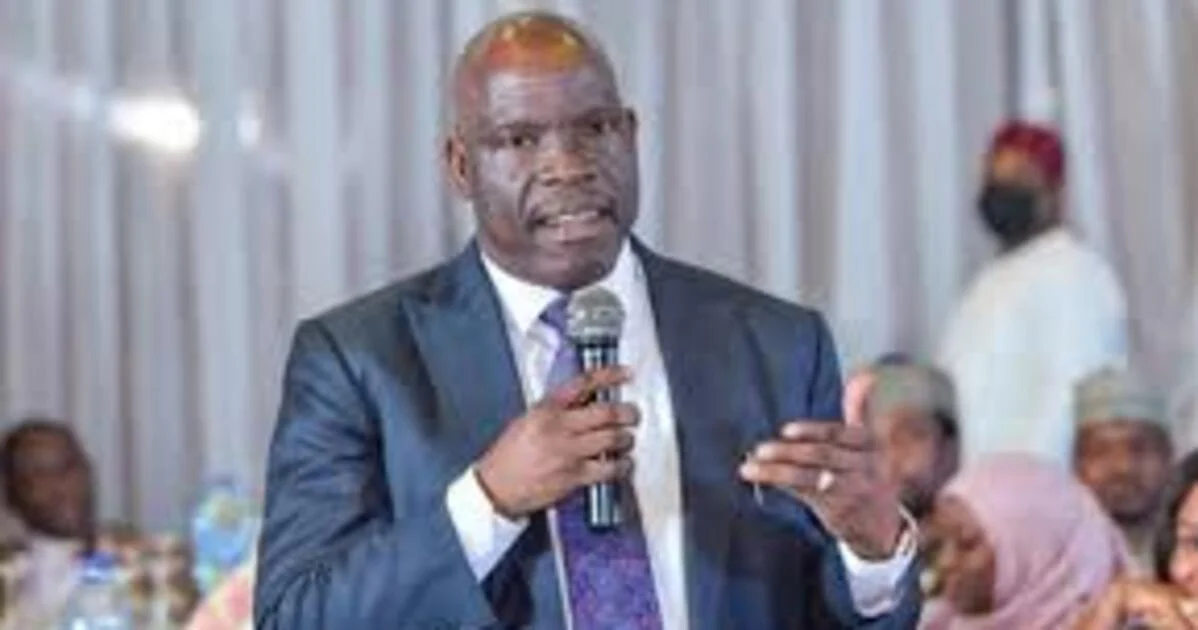
    “Nigeria’s problem is not a lack of Shea — it’s a lack of structure,” says industry analyst and retired Nigeria Commodity Exchange Director, Mr. Chris Echikwu.

    Aggregation as the Turning Point

    The game changer, Echikwu argues, lies in building an organised Shea nut aggregation system.

    Aggregation is more than logistics — it’s the backbone of a sustainable Shea economy. Under such a framework, producers would form Village Shea Producer Groups, linked to Primary Collection Points for grading and controlled intake. These would feed into Secondary Aggregation Centres for bulk storage, logistics, and quality control.

    Licensed buyers would operate transparently under regulatory oversight. Digital traceability platforms and warehouse receipt systems would ensure accountability, price stability, and access to finance.

    This model aligns incentives across the value chain while protecting the most vulnerable — the rural women collectors.

    Empowering Women, Strengthening Communities

    Over 80 percent of Nigeria’s Shea collectors are women. A functioning aggregation framework is therefore also a gender empowerment policy.

    “When women are organised into cooperatives with transparent pricing, quality training, and access to finance, they shift from being invisible collectors to recognised economic actors,” Echikwu notes.

    Structured aggregation allows rural women to enjoy predictable incomes, gain credit access, and take leadership roles within cooperatives — combining gender inclusion with export competitiveness.

    NASPAN: The Institutional Backbone

    For the vision to succeed, institutional coordination is essential. Echikwu highlights the National Association of Shea Products of Nigeria (NASPAN) as the central pillar for reform.

    NASPAN’s mandate, he suggests, should include policy leadership, buyer licensing, registry management, industry dialogue, and donor coordination. Only a nationally empowered body can anchor reforms beyond the cycle of changing administrations and regional politics.

    Government’s Role and Coordination

    The Federal Government already recognises Shea as a strategic export crop, but acknowledgment alone is not enough. This to call attention to a tighter coordination among key agencies — including the Federal Ministry of Agriculture and Food Security, the Federal Ministry of Industry, Trade and Investment, RMRDC, NEPC, SON, NAFDAC, and the State Ministries of Agriculture.

    “Without government ownership, no national aggregation system can be sustained,” he warns.

    Why Donor Support Matters

    Transforming the Shea sector requires more than good policy — it needs patient capital and technical assistance. Development partners such as GIZ, FAO, UNDP, ITC, IFAD, and the Global Shea Alliance (GSA) are already active in parts of West Africa. Their support will be critical in financing pilot aggregation centres, building digital traceability platforms, training producer cooperatives, and connecting Nigerian producers to international markets.

    Unlocking Nigeria’s Shea Potential

    If Nigeria succeeds in structuring its Shea value chain, the rewards could be enormous:

    • Rural incomes could grow by up to 50 percent;
    • New processing investments would emerge;
    • Export earnings could surpass ₦500 billion annually; and
    • Employment would expand across rural communities.

    The belief is that this is Nigeria’s opportunity to dominate the African Shea market — not only in production, but in value creation.

    Conclusion

    The Shea economy cannot thrive on informality. Nigeria must choose: remain a raw material supplier, or become a value leader.

    A sustainable aggregation mechanism is not optional — it is imperative.

    Chris Echikwu is a retired Director from the Nigeria Commodity Exchange, Abuja.

  • Fact Over Assumption: NNPC’s New Drive for Openness and Reform

    Fact Over Assumption: NNPC’s New Drive for Openness and Reform

    By Enam Obioso

    For years, the Nigerian National Petroleum Company Limited (NNPC Ltd)  lived at the intersection of perception and reality, its reputation shaped as much by public sentiment as by its internal dynamics. That tension lingered in the air on Monday evening when Mr. Andy Odeh, Chief Corporate Communications Officer, addressed a select audience of journalists and industry experts in what he described as a long-overdue engagement, one designed to confront a problem that has followed the national oil company for decades: assumptions.

    ‘Reducing the Quantity and Quality of Assumptions’

    Odeh spoke with the candor of someone who knows the industry’s sensitivities from within. Drawing on his two and a half decades at Nigeria LNG Limited (NLNG), he admitted that he too once shared many of the misconceptions about NNPC, until firsthand experience revealed the complexity behind its operations.

    “Any opportunities we have to reduce the quantity and quality of assumptions are important,” he said.
    The event, he explained, stemmed from an internal reflection two weeks earlier as the company prepared to release its 2024 audited financials. The goal was to open the books and the thinking behind them to a small circle of informed professionals. “For those who know the sector, you are actually the first advocates,” he told the room.

    Representing the Group Chief Executive Officer, Odeh emphasized that the session was not about defending NNPC, but about building a fact-based dialogue that narrows the gap between perception and reality.

    Numbers That Tell a Story

    The numbers unveiled that evening were striking:

    • Revenue: ₦45.1 trillion
    • Profit After Tax: ₦5.4 trillion
    • Revenue Growth: 88% year-on-year
    • Profit Growth: 64%
    • Earnings per Share: ₦27.07

    In a year marked by market volatility, exchange rate instability, and inflationary pressure, the results pointed to a resilient organization executing with steadiness and discipline.

    But beyond the celebration of figures, the night invited scrutiny, a conversation between facts and perspectives.

    The Professors Weigh In

    The first to speak was a Professor Emeritus, Wunmi Iledare who urged the company to focus more on cost efficiency. “Price is market-determined and volume is geological. Cost is the only lever NNPC can truly control,” he said.
    He likened Nigeria’s relationship with NNPC to a football field where “every citizen feels like a petroleum expert,” a sentiment he said often fuels misunderstanding.

    He also cautioned against expecting perfect outcomes overnight, given the company’s ongoing transition under the Petroleum Industry Act (PIA) of 2021. What matters, he said, is measurable progress, and on that score, NNPC had indeed advanced in six key areas.

    Next came Professor Uche Uwaleke, a former state Commissioner of Finance and member of the FAAC Post-Mortem Committee. He recalled years when FAAC meetings stalled over NNPC’s reports. “This year is different,” he noted, pointing to PwC’s unqualified audit opinion and a profit increase from ₦3.3 trillion to ₦5.4 trillion.

    He credited the performance to improved crude volumes, cost optimization, and stronger procurement processes. “This is a full year we can compare. This is an improvement,” he said, though he added that the company’s ambitious targets must be examined carefully.

    The Questions That Remain

    Uwaleke’s remarks cut to the heart of future expectations:
    Can NNPC truly achieve 2 million barrels per day by 2026, and 3 million barrels per day by 2030?
    Can gas production expand to 10–12 billion cubic feet per day within that timeframe?
    And how soon will the refineries and the $60 billion investment pipeline become reality?

    The questions were not confrontational but constructive, mirroring the company’s own acknowledgment that transparency is an ongoing process, not a one-time declaration.

    A Company in Transition

    NNPC’s 2024 strategy reflects its broader ambition:

    • Increased upstream production
    • Expanded gas infrastructure
    • Continued capital expenditure (₦8.9 trillion for the year)
    • Reduced routine flaring
    • Growth in crude and LNG trading volumes

    The session ended as it began, with candor and curiosity. For NNPC, it was an invitation to let experts and the public judge its progress through evidence rather than rumor. For the experts, it was an opportunity to test the company’s story against reality.

    What emerged was not a debate over perfection, but a measured conversation about progress, accountability, and the long path ahead for Nigeria’s most consequential energy enterprise.

  • Africa Making Strides in Regional Trade, Says Nigeria Customs Service

    Africa Making Strides in Regional Trade, Says Nigeria Customs Service

    Abuja – The Nigeria Customs Service (NCS) has highlighted Africa’s growing progress in trade services within the continent, noting improvements in cross-border financial and commercial activities.

    Comptroller-General of the NCS, Bashir Adeniyi, made the remarks on Monday during a dinner organised for participants of the Customs–Partnership for African Cooperation in Trade (C-PACT) conference in Abuja.

    The C-PACT is a collaborative initiative between the NCS and the African Export-Import Bank (Afreximbank), aimed at repositioning African trade. Supported by the World Customs Organisation (WCO), the initiative seeks to establish a transparent and agile customs framework that promotes lawful trade and sustainable economic growth.

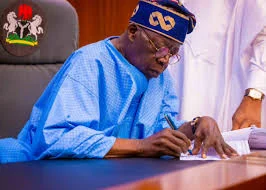
    The conference, themed “Breaking Barriers, Building Bridges”, was officially declared open by President Bola Tinubu and will run until Wednesday.

    Adeniyi noted that financial services across Africa were improving, particularly with the launch of the Pan-African Payment and Settlement System (PAPSS) by Afreximbank, which facilitates easier cross-border currency flows.

    “Earlier today, we learned about the fact that our financial services are crossing borders. The entertainment industry is crossing borders. What we now need to do is to ensure that our goods, that we manufacture within our regions, can also cross borders with the same ease,” Adeniyi said.

    He also urged for active engagement of customs administrations in implementing the African Continental Free Trade Area (AfCFTA) agreement and emphasised the importance of cross-country trade facilitation and integration.

    As President of WCO, Adeniyi expressed confidence that the conference would provide a platform for dialogue between customs administrations and private-sector stakeholders, fostering cooperation and advancing practical outcomes for continental trade integration.

    Recent data underline Adeniyi’s optimism. According to Afreximbank’s 2025 African Trade Report, intra-African trade reached US$220.3 billion in 2024, up 12.4% from the previous year, while total African merchandise trade rose by 13.9% to US$1.5 trillion.

    Yet, experts note that Africa still has a US$77 billion gap between current trade and its potential, indicating room for growth, especially in value-added goods.

    The 4th Intra-African Trade Fair (IATF 2025), held in Algiers earlier this year, also highlights the continent’s trade momentum, concluding with US$48.3 billion in investment deals. The fair focused on innovation, value addition, and green industrialisation — aligning with C-PACT’s goal of fostering lawful trade and sustainable growth.

    In West Africa, Nigeria’s intra-African trade surged to US$18.4 billion in 2024, nearly doubling from the previous year, driven by commodities such as refined petroleum and industrial goods.

    Meanwhile, PAPSS is making cross-border payments easier in local currencies, reducing reliance on foreign currencies and lowering transaction costs for businesses.

    In her closing remarks at the dinner, Caroline Niagwan, Deputy Comptroller-General of Customs (Tariff and Trade), described the gathering as a meaningful moment of connection, emphasizing the importance of building trust and understanding to improve trade facilitation.

    “We have come together not just as institutions, but as people committed to improving trade, strengthening cooperation, and ensuring that borders become gateways of opportunity rather than obstacles,” she said.

    Highlights of the dinner included a musical performance by a cultural troupe from Algeria and a spoken-word presentation, providing a relaxed atmosphere for attendees to share experiences and build collaborative relationships.

  • Dr. Musa Adamu Aliyu, SAN, to Deliver Realnews 13th Anniversary Lecture

    Dr. Musa Adamu Aliyu, SAN, to Deliver Realnews 13th Anniversary Lecture


    As Realnews Magazine and Publications Limited marks its 13th anniversary, it has chosen a theme and a speaker that reflect Africa’s most pressing developmental challenge — the security of its digital and financial frontiers.

    The Chairman of the Independent Corrupt Practices and Other Related Offences Commission (ICPC), Dr. Musa Adamu Aliyu, SAN, will headline this year’s Realnews Anniversary Lecture, delivering a keynote address on “Cybersecurity, Illicit Financial Flows and Achieving Agenda 2063 in Africa.”

    The lecture is scheduled for Wednesday, November 19, 2025, at the Radisson Blu Hotel, Ikeja, Lagos.

    Dr. Aliyu’s acceptance to speak at the landmark event was first conveyed to Realnews in March 2025. In his response to a follow-up message from the magazine on October 31, 2025, he reaffirmed his attendance, writing simply but assuredly: “I will attend by God’s grace.”

    It was a fitting affirmation from a man whose steady rise through the legal and public service ranks has been defined by diligence, integrity, and a strong sense of purpose.

    Appointed as ICPC Chairman by President Bola Ahmed Tinubu on October 17, 2023, Dr. Aliyu has since been steering the Commission with a renewed sense of direction and energy.

    Barely a few days before that appointment, on October 12, 2023, he attained the highest professional recognition for legal practitioners in Nigeria — the rank of Senior Advocate of Nigeria (SAN) — crowning years of commitment to law, governance, and public accountability.

    Before assuming national duties, Dr. Aliyu had served as Attorney General and Commissioner for Justice in Jigawa State between 2019 and 2023, where he initiated far-reaching reforms in the justice sector. His tenure left behind a strong imprint of institutional accountability and legal innovation.

    He was instrumental in setting up the Public Complaints and Anti-Corruption Commission of Jigawa State, a pioneering structure that deepened transparency and citizen engagement in governance.

    He also worked closely with the United Nations Office on Drugs and Crime (UNODC) to strengthen legal frameworks for anti-corruption and justice administration.

    Beyond the courtroom and government offices, Dr. Aliyu has also walked the corridors of academia. He lectured at the Jigawa State College of Islamic Legal Studies, Ringim, and at the Faculty of Law, Nigeria Police Academy, Wudil, Kano State, contributing to the grooming of Nigeria’s next generation of legal minds.

    He has authored scholarly articles in national and international journals and presented papers at conferences around the world.

    At the ICPC, Dr. Aliyu’s leadership has been marked by quiet transformation. He has repositioned the Commission as a more credible and collaborative institution, one that commands respect both within and outside Nigeria’s borders.

    His emphasis on ethics, professionalism, and adherence to international best practices has not only boosted morale within the agency but has also attracted high-level partnerships with development organizations and civil society actors.

    Born in Birnin-Kudu, Jigawa State, on December 27, 1977, Dr. Aliyu’s journey has been one of steady and purposeful progress.

    From Central Primary School, Birnin-Kudu (1983–1989) to Government College, Bauchi (1990–1995), and on to Bayero University, Kano (LL.B, 2003), Nigerian Law School (B.L, 2004), Ahmadu Bello University, Zaria (LL.M, 2011), and ultimately a Ph.D. in Law from Universiti Utara Malaysia (2019), he has built a formidable academic and professional foundation that continues to define his approach to leadership.

    The 13th Realnews Anniversary Lecture will be chaired by Hon. Justice Ayotunde Phillips, former Chief Judge of Lagos State and former Chairman of the Lagos State Independent Electoral Commission, who will also moderate the panel session.

    As Africa pushes toward the ambitions of Agenda 2063 — the African Union’s blueprint for inclusive growth and sustainable development — Dr. Aliyu’s lecture promises to explore how the continent can safeguard its economic future by tackling illicit financial flows and strengthening digital governance.

    It is, without doubt, a conversation whose time has come — and one that only a voice like Dr. Aliyu’s can lead with both clarity and conviction.


  • The Alternative Bank Unveils Risk-Sharing Agrifinance Strategy, Targets Women, Youth

    The Alternative Bank Unveils Risk-Sharing Agrifinance Strategy, Targets Women, Youth


    At this year’s Agriculture Summit Africa (ASA) in Abuja, one announcement drew the attention of policymakers, investors, and smallholder farmers alike. The Alternative Bank, Nigeria’s pioneering non-interest financial institution, unveiled a bold agrifinance strategy that could reshape how agriculture is funded — and who gets to lead it.

    Putting Inclusion at the Center

    Speaking at the summit, Korede Demola-Adeniyi, Executive Director (South) of The Alternative Bank, said the institution is expanding its non-interest agricultural facilities to target women and youth, two groups often excluded from traditional banking and agribusiness finance.

    “Our goal is to ensure that women and young people don’t just participate but thrive across the agricultural value chain,” Adeniyi said. “We don’t call what we do loans because we work hand-in-hand with beneficiaries. We provide facilities at next to nothing, particularly for women. Since we share both the risk and the profit, our focus is on creating lasting impact for all parties.”

    That principle — shared risk, shared reward — underpins The Alternative Bank’s model, setting it apart from conventional lenders that rely on interest-based credit. By investing alongside its clients, the bank aims to build mutual accountability and long-term sustainability rather than short-term debt.

    From Kano’s Roads to Kaduna’s Farms

    The bank’s agrifinance vision isn’t theoretical — it’s already on the ground. In Kano State, The Alternative Bank launched a tricycle empowerment programme for women, providing 120 participants with new tricycles to generate income and improve community safety.

    “The women in Kano, who were previously underserved, now have a steady source of income,” Adeniyi said. “Beyond economic empowerment, the initiative has improved safety, as women now transport other women and children, reducing the risk of assault and kidnapping.”

    In Kaduna, the bank has taken the model further with a ginger production pilot exclusively for women farmers. Through partnerships with development institutions, the project tackles market access and pricing challenges, ensuring participants receive fair compensation for their produce.

    Staying Close to the Grassroots

    Expanding access to finance in rural Nigeria often hits one major hurdle — physical distance. To close that gap, The Alternative Bank has built a network of empowered local agents serving as real-time links between the bank and farming communities.

    “We want to remain effective in rural areas where banks can’t always be physically present,” Adeniyi explained. “Our agents help us stay connected and responsive.”

    These agents do more than facilitate transactions. They provide financial literacy, gather feedback, and help tailor the bank’s products to local realities — ensuring that rural entrepreneurs aren’t left behind.

    Looking Ahead: A Blueprint for Agrifinancing

    Before the end of the year, The Alternative Bank plans to introduce a dedicated agriculture finance product designed to integrate women and youth into key value chains across Nigeria. The product will be unveiled alongside what Adeniyi described as the bank’s “Blueprint for Agrifinancing” — a roadmap for sustainable, inclusive agricultural funding.

    “For launch updates and to access our current facilities, visit our website or any branch nationwide,” she said. “And keep an eye out for our Blueprint for Agrifinancing — coming soon.”

    As Nigeria works to unlock the full potential of its agricultural sector, initiatives like this signal a shift toward more inclusive, participatory finance — one that views women and youth not as beneficiaries, but as the drivers of transformation.

    And if The Alternative Bank’s recent track record is anything to go by, the seeds of that transformation are already taking root.


  • The Alternative Bank Puts Farmers First with New Ethical Finance Framework

    The Alternative Bank Puts Farmers First with New Ethical Finance Framework

    Bank calls for a shift from profit-driven lending to purpose-driven partnerships across Africa’s food system.

    Lagos, Nigeria – November 2025.
    The Alternative Bank is setting a fresh direction for agricultural finance in Africa with the launch of an ethical financing framework that places farmers, not financiers, at the heart of the continent’s food future.

    Speaking at the Agriculture Summit Africa 2025, themed “Survival of the Greenest: Reclaiming Africa’s Food Destiny,” the Bank’s Executive Director (North), Garba Mohammed, represented by his Chief of Staff, Azeez Badru, said Africa’s prosperity depends not just on how food is grown or processed, but on how it is financed.

    “Africa’s food destiny won’t be reclaimed by technology alone,” Mohammed said. “It will take the courage to finance differently — to make money serve humanity, not the other way around.”

    With food insecurity deepening across Nigeria, The Alternative Bank is championing a model of finance built on ethics, transparency, and shared value.

    Mohammed described agriculture as “a sacred trust,” explaining that the Bank’s goal is to fund productivity and resilience rather than speculation.

    “We are financing purpose, not just profit,” he added. “Every loan, every partnership should feed families, protect the land, and strengthen communities. That’s the heart of ethical finance.”

    The framework draws inspiration from non-interest financing systems such as Mudarabah (profit-and-loss sharing), Musharakah (equity partnership), Ijara (lease-to-own), and Murabaha (cost-plus trade).

    These approaches share risk and reward more fairly across the agricultural value chain — from farmers to processors — while promoting long-term sustainability.

    For too long, Mohammed noted, those who feed Africa have borne the greatest risks while financiers walked away with the largest gains. “That imbalance must end,” he said.

    Beyond funding, The Alternative Bank is investing in renewable energy and green innovations — solar-powered cold rooms, irrigation systems, and waste-to-value solutions — all designed to help farmers cut costs, reduce waste, and improve their livelihoods.

    “The survival of the greenest reminds us to build systems that reward stewardship over speculation,” Mohammed said. “We must finance not just growth, but good.”

    In closing, he commended the organisers of Agriculture Summit Africa 2025 and reaffirmed the Bank’s commitment to reshaping Africa’s food economy through finance that empowers rather than exploits.

    “We’re leading this charge,” he said. “And we invite farmers, off-takers, partners, and everyone who believes finance should serve people — not profit — to join us.”


  • NNPC Ltd Committed to Developing a Robust Downstream

    NNPC Ltd Committed to Developing a Robust Downstream

    Says, competition alone was no longer enough to drive efficiency, adding that operators must embrace collaboration, sustainability, and resilience as the new benchmarks for success.

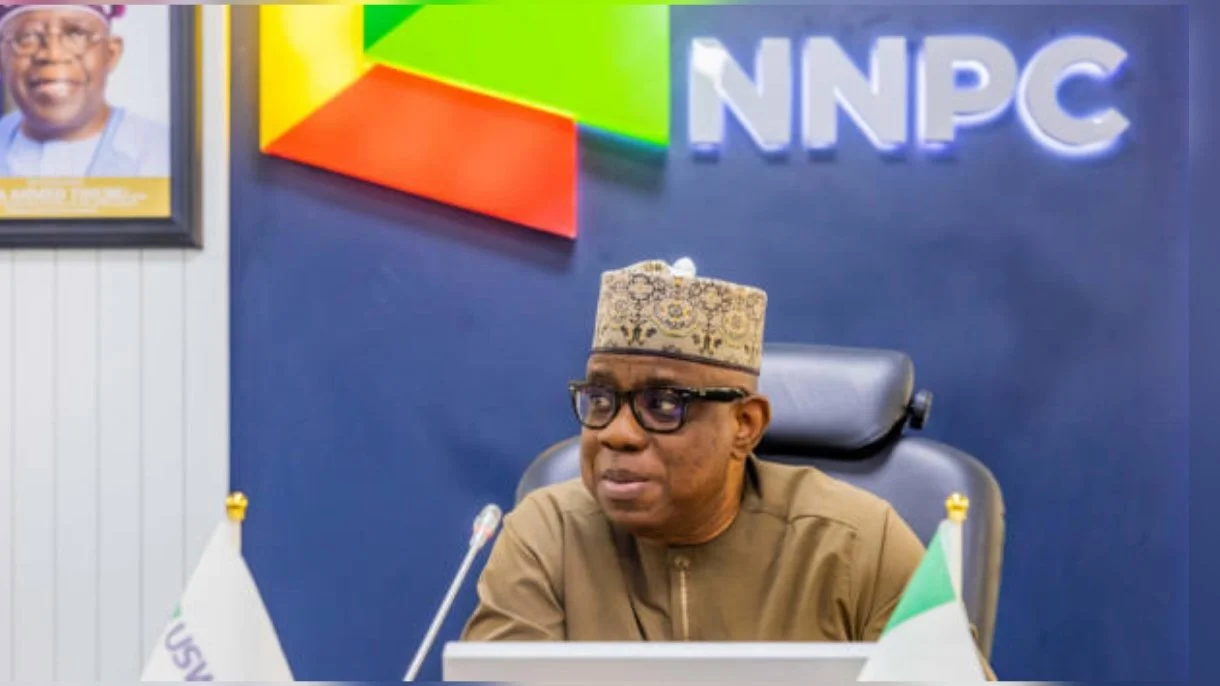
    Renown energy expert and Head of Nigeria’s National Petroleum Company Ltd (NNPCL), Bayo Ojulari says his leadership is currently preoccupied with revamping facilities in the nation’s oil and gas  downstream sector.

    He emphasised that such a move was required to enhance collaboration and drive efficiency in the sector.

    The NNPCL Group Chief Executive Officer (GCEO), stated this at the opening ceremony of the 2025 OTL Africa Downstream Energy Week in Lagos on Monday.

    Engr Ojulari made the disclosure while speaking in alignment with the conference’s theme “Energy Sustainability: Beyond Boundaries & Competition.”

    Doubling down on NNPCL’s current growth and rebranding focus under his leadership, Mr.  Ojulari said competition alone was no longer enough to drive efficiency, adding that operators must embrace collaboration, sustainability, and resilience as the new benchmarks for success.

    “At NNPC, we are committed to deploying additional infrastructure across the oil

    and gas value chain while revamping our existing downstream infrastructure

    nationwide.

    These assets will be accessible to partners seeking to store and

    transport products, supporting strategic alliances and collaboration in the

    downstream sector,” the GCEO said.

    Excerpts of Mr. Ojulari’s presentation was made available to Nigerian Anchor in a statement under the signature of NNPCL Chief Communication Officer (CCCO), Mr. Andrew Odeh.

    In the statement, Mr. Ojulari was reported to have disclosed that a cocktail of factors ranging from strategic policies and fiscal incentives to transparent and well-structured regulatory frameworks exemplified by the PIA have engendered expansion and growth in the sector requiring new skill sets and further investments in new lines of business such as Liquefied Petroleum Gas (LPG), Compressed Natural Gas (CNG), and mini-LNG projects.

    The GCEO also urged participants at the conference to discuss challenges and align on opportunities “to redefine energy systems in ways that are both profitable and

    sustainable, to forge cross-sector partnerships that transcend traditional

    competition, and to explore innovative business models and technologies that

    support decarbonization while driving economic value”.

    Nigerian Anchor reports that the OTL Africa Downstream Energy Week is the continent’s leading downstream and midstream energy event for international organizations, policy makers, and regulators.

    It is also focused to benefit development organisations, operators, service providers., and consumers in the downstream energy value-chain.

  • NUPRC opposes establishment of oil, gas decommissioning body

    NUPRC opposes establishment of oil, gas decommissioning body

    The Nigerian Upstream Petroleum Regulatory Commission (NUPRC) has opposed the National Commission for Decommissioning of Oil and Gas Installations (NC-DOGI) establishment Bill (2024).

    The position of NUPRC was contained in a memorandum submitted at a public hearing organised by the House Committee on Petroleum Resources (Upstream) in Abuja.

    Earlier, the Chairman, House Committee on Petroleum Resources (Upstream), Rep. Ado Doguwa (APC-Kano), said that over the years, Nigeria’s petroleum industry had continued to face challenges in the decommissioning and abandonment of oil and gas facilities.

    According to him, these challenges have environmental, economic and social impacts, particularly on host communities.

    “This, therefore, calls for a closer look at whether the existing regulatory frameworks are sufficient or need to be strengthened and whether establishing a dedicated body, such as the proposed commission, would better serve national interests.

    “It is, however, important to note that the Petroleum Industry Act (PIA) already provides for decommissioning and abandonment under Sections 232 and 233, assigning specific responsibilities to the NUPRC and MDPRA and also establishing a fund to ensure these activities are properly planned and financed in line with regulations,” he said.

    The chairman said that the NC-DOGI bill which was sponsored by the leadership of the house is a significant legislative proposal as it sought to address matters that affected human and environmental welfare.

    He said it reflected parliament’s commitment to ensuring the growth of the oil and gas sectors as well as ensuring environmental responsibility and sustainable community development.

    Doguwa explained that the public hearing was part of the legislative process of the National Assembly that ensured transparency, participation and inclusiveness in lawmaking.

    He said that the purpose for engagement was to provide a formal platform for stakeholders to express their views, make observations and offer recommendations that will ensure a fair and informed decision by parliament.

    In the memorandum the NUPRC had opposed the proposed establishment of the commission, saying it is unnecessary, duplicative and contrary to international best practices and is likely to discourage investments in the oil and gas industry.

    The commission maintained that the PIA already empowers NUPRC and Nigerian Midstream and Downstream Petroleum Regulatory Authority (MDPRA) to effectively manage decommissioning in their respective sectors of the oil and gas industry and these responsibilities are currently being discharged competently.

    “Section 232 of the Petroleum Industry Act (PIA 2021) mandates every licensee/lessee to submit a Decommissioning and Abandonment Plan aligned with the approver Feld Development Plan and the Commission already enforces this requirement through an established review workflow.

    “The House Committee on Petroleum Resources (Upstream) is respectfully urged to maintain decommissioning and abandonment oversight within the existing petroleum regulatory framework (NUPRC and NMDPRA).

    “This approach will ensure technical coherence, economic efficiency and alignment with both PlA 2021 and global standards, thereby safeguarding Nigeria’s interests in the oil and gas sector and promoting the Federal Government’s ease of doing business initiatives,” it said.

  • Adeosun seeks targeted funding to boost LPG use

    Adeosun seeks targeted funding to boost LPG use

    Mr Olumide Adeosun, Managing Director of Eterna Plc, has called for targeted funding and policy-driven investments in the Liquefied Petroleum Gas (LPG) sector to scale up domestic usage and promote clean cooking across Nigeria.

    Adeosun made the call while speaking on the theme, “Driving a Sustainable Energy Future through Investment in Midstream and Downstream Infrastructure”, on Wednesday in Lagos.

    He emphasised the need to shift more attention toward LPG, describing it as vital to public health and environmental protection.

    “Compressed Natural Gas (CNG) is currently receiving a lot of attention, and rightly so, it holds great promise for the future of heavy goods transportation in Nigeria.

    “However, we can not overlook LPG, especially for household use,” he said.

    Adeosun noted that Nigeria’s LPG consumption had declined in recent years, in spite of earlier projections of reaching five million metric tonnes per annum by 2025.

    “The problem isn’t production; it’s distribution.

    “Gas isn’t getting to where it’s most needed, at the grassroots, largely due to inadequate investment in last-mile infrastructure,” he said.

    According to him, the real challenge lies in the affordability and availability of cooking cylinders, which remain the primary means of LPG use at the household level.

    “You don’t cook from a plant or a skid. You cook using a 3kg or 12.5kg cylinder.
    But without financing models to make these bottles accessible to end users, especially low-income households, LPG adoption will remain limited,” he said.

    He commended Techno Oil for establishing a 500,000-bottle-per-annum cylinder manufacturing plant but stressed that much more needs to be done to ensure broad-based access to cooking gas.

    “The money is available. What’s missing is a bankable business case, a practical financial model that supports distribution and end-user affordability,” Adeosun added.

    He revealed that Eterna Plc is focusing on retail-level engagement aimed at meeting customers where they are, ensuring consistent restocking and support for new users.

    Adeosun acknowledged the risks associated with initiatives such as pay-as-you-go LPG models, where customers might default or disappear with loaned cylinders, but maintained that innovation remains key to achieving wider adoption.

    “Until we solve these challenges, we won’t see the kind of growth we’re aiming for,” he warned.

    To fast-track gas adoption, Adeosun urged the government to incentivise the conversion of heavy-duty vehicles and industrial machinery to CNG.

    He also called on the government to subsidise the distribution of LPG adoption kits, cylinders, stoves, and cookers to rural and low-income households.

    “Government should mandate gas infrastructure inclusion in all future residential estates and encourage retrofitting of existing ones,” he said.

    Adeosun pointed out that without these structural interventions, particularly at the last mile, the government’s campaign to deepen gas penetration might fall short of its objectives.

    “We must develop demand centres through proper infrastructure. Only then can we bridge the gap between supply and real usage,” he noted.

  • PENGASSAN strike cuts oil output to 1.58mbpd in Sept – NUPRC

    PENGASSAN strike cuts oil output to 1.58mbpd in Sept – NUPRC

    The Nigerian Upstream Petroleum Regulatory Commission (NUPRC) says Nigeria’s crude oil and condensates production fell to an average of 1.581 million barrels per day (bpd) in September 2025.

    The commission disclosed this in a statement on Saturday, citing official statistics released by its Head of Media and Strategic Communication, Eniola Akinkuotu.

    NUPRC attributed the drop to a three-day industrial action by the Petroleum and Natural Gas Senior Staff Association of Nigeria (PENGASSAN), which led to the shutdown of several production and export facilities.

    It added that scheduled turnaround maintenance at two strategic facilities also contributed to the decline in output.

    According to the data, the 1.581 million bpd figure for September comprised 1.39 million bpd of crude oil and 191,373 bpd of condensates.

    “In September, the industry recorded total crude oil and condensate production of 47.43 million barrels, reflecting a 1.61 per cent year-on-year increase in average daily production.

    “This shows a slight improvement from the 1.55 million bpd recorded in September 2024, indicating gradual progress.

    ‘However, on a month-on-month basis, September’s output marked a 3.09% drop compared to 1.63 million bpd recorded in August 2025,” the commission noted.

    It said in spite of the setback, Nigeria achieved 93 per cent of its OPEC crude oil production quota of 1.5 million bpd in September.

    It further said during the review month, peak combined production (crude and condensate) reached 1.81 million bpd, while the lowest was 1.35 million bpd.

    The NUPRC said an analysis of production by the top eight streams in September showed Forcados Blend accounted for 15.86 per cent of total output, followed by Bonny Light at 13.31 per cent, and Qua Iboe at 9.88 per cent.

    It said Escravos Light contributed 8.96 per cent, Bonga Crude delivered 6.83 per cent, Agbami Condensate made up 4.94 per cent, Erha Crude accounted for 4.55 per cent, while Amenam Blend contributed 4.2 per cent of total production.