

Category: Economy

  • OIL PRODUCTION AND IMPACT ON FOOD SECURITY AND CLIMATE CHANGE

    OIL PRODUCTION AND IMPACT ON FOOD SECURITY AND CLIMATE CHANGE

    By John A. Jia, Ph.D.

    The 1996 World Food Summit defined food security as “when all people, at all times, have physical and economic access to sufficient safe and nutritious food that meets their dietary needs and food preferences for an active and healthy life.”

    So, Food Security is “the measure of an individual’s ability to access food that is nutritious and sufficient in quantity.” On the other hand, Wikipedia explains Oil and Gas Production as “the process of extracting crude oil and natural gas from underground reservoirs and bringing them to the surface for processing and distribution.

    It further explains that “The petroleum industry is responsible for the exploration, extraction, refining, transportation, and marketing of petroleum products.” Various components of the process listed here can have impacts on Climate leading to climate change.

    How then can oil and gas production have direct or indirect impacts on food security – preventing access to sufficient, safe and nutritious food meeting dietary needs and food preferences?

    Oil and Gas production have key activities that make it possible for it to happen if not well managed namely:

    •Seismic Operations – in layman’s terms, is the search for oil using various technologies to survey and ‘see’ under the ground to discover reservoirs holding the oil deep in the ground. The “surveys allow professionals to identify prospects, assess potential resources, reduce risk and even quantify reserves – in short, to make well-informed decisions that drive successful exploration efforts.”

    •Drilling of appraisal wells/Production Wells to confirm that what was ‘seen’ under the ground is good enough for additional investments to develop the field and recover the volumes – the discovery is in commercial quantities. An appraisal Well may be developed into a Production Well.

    •Field Development – involves the process of drilling, building of non-oil and gas infrastructure (NOGI) and Oil and Gas Infrastructure (OGI) for extraction, processing, handling and exporting or sale of the oil produced.

    •Production operations – utilization of all the infrastructure (Wells, Flowlines, Pipelines, Flowlines, Production Stations, Gas Plants, and Tank Farms including export facilities) for daily extraction of crude oil/gas, processing and sale/export.

    •Abandonment – loosely speaking involves management of NOGI and OGI facilities and the environment after the life of the Field. This will not be discussed in this article for lack of space for this article.

    All the above steps have various aspects that can interact with the environment to impact Food security and Climate change. According to FAO and others, there are 5 dimensions or components of Food Security namely: Availability, Access, Utilization, Stability and Sustainability.

    While many biological factors like population increase, changing diets, pests and pathogens, environmental changes, conflict, poverty/unemployment, et cetera, can reduce food security, each step involved in the Oil and Gas production can also have direct or indirect negative impacts on availability, access, utilization, stability and sustainability of food security especially in the Niger Delta of Nigeria.
    Seismic activities for oil and gas exploration can disrupt farming operations. The noise, vibrations, and movement of heavy machinery can affect soil structure, water flow, and crop growth.

    For example, in Nigeria’s Niger Delta, seismic surveys have been reported to have caused soil compaction and water contamination, reduced agricultural productivity and harming local farmers’ livelihoods. As the activities often involve the use of chemicals that may contaminate surface and ground water sources, there is potential for water contamination.

    Polluted water can affect irrigation systems, leading to poor crop yields and unsafe drinking water for livestock. Chemical spills during seismic surveys in agricultural areas can lead to contamination of water sources, which then impacts the health and productivity of crops and livestock. Another impact is the Destruction of Natural Habitats.

    Clearing land for seismic lines can destroy forests, wetlands, and other natural habitats, reducing biodiversity. This loss of biodiversity can impact pollinators, soil health, and natural pest control, which are essential for sustainable agriculture.

    The Amazon rainforest, a critical ecosystem for global biodiversity, has been reported to have seen significant habitat destruction due to oil exploration, threatening indigenous food systems and biodiversity. Seismic exploration can lead to the displacement of local communities, including farmers. Displaced communities may lose access to their agricultural lands, leading to food insecurity.

    How does this stage of Oil and Gas activity impact on climate change thus affecting food security? You have Greenhouse Gas Emissions, an occurring decimal throughout the oil and gas production value chain. Seismic activities are part of the oil and gas extraction process, which is a significant source of greenhouse gas emissions.

    The burning of fossil fuels contributes to global warming and climate change. Methane emissions from natural gas extraction are a potent greenhouse gas, significantly more effective at trapping heat in the atmosphere than carbon dioxide.

    Seismic surveys often require clearing large areas of land, leading to deforestation and land degradation. Forests act as carbon sinks, and their destruction releases stored carbon dioxide into the atmosphere, exacerbating climate change.

    Example, in the Congo Basin, deforestation for oil exploration has released large amounts of carbon dioxide, contributing to global climate change. Healthy ecosystems such as forests, wetlands, and grasslands sequester carbon dioxide from the atmosphere.

    Seismic activities that damage these ecosystems reduce their ability to absorb carbon, increasing atmospheric carbon levels. An example is the destruction of mangroves for oil exploration which reduces their capacity to sequester carbon, thus contributing to higher atmospheric CO2 levels.

    Also, climate change, driven in part by fossil fuel extraction, leads to more frequent and severe natural disasters such as floods, droughts, and hurricanes. These events can devastate agricultural systems, further threatening food security. Rising global temperatures contribute to more intense droughts in agricultural regions, affecting crop yields and food availability.

    Drilling involves land take, utilization of drilling mud, generation of drill cuttings which may be oily depending on the depth at which the cuttings are generated. The land taken (and in some cases may be significant) is no longer available for food production. The land may have been rightly acquired but is no longer available for farming activities for crops and fish production among others.

    Also, the drill cuttings if not well treated and disposed responsibly can interact with the environment (change habitats and make them unsuitable for farming). For example, microbes, macrobes, nutrients, on land and aquatic life which are key contributors to soil fertility, aquatic nutrient enrichment are usually impacted including disturbance of food chain.

    Infact, irresponsible management of land take, cuttings and chemicals denies soil and water environment of life support for the food chain – changes natural configuration of optimum levels of O2, Nitrates, et cetera required for plant growth, reduced nutrition and taste, chemical uptake and tissues contamination.

    Production activities – Oil and Gas processing facilities with asset integrity issues including process safety challenges can lead to loss of containment resulting to oil spills, chemical spills, gas release and in some cases fire. In some cases, and as it is currently in the Niger Delta, oil theft also leads to uncontrolled spills with devastating effects on the environment. The impacts on land and aquatic environments have been shown to affect food security – death of economic trees, farms crops, soil contamination requiring remediation. The damages have direct impact on availability, access, sustainability, utilization, stability thus impacting food security.

    Another aspect of production operations with impacts on food security is Effluents to the environment and Emissions to air. Oily water, chemical treatments and produce water (water produced with crude and separated for discharge into the environment) can have direct impacts to food production on impacted land and sea beds if not discharged responsibly and in line with statutory requirements. The effluents if taken up by environmental life including food, have the capability of affecting taste, preventing food from being nutritious in line with the definition of Food Security.

    Gas Emission to air which could result from flaring, venting, power generators and vehicles associated with production operations is a key component with impact on food security. A good number of production facilities do not have gas compression capabilities leading to flaring of gas into the air. In some cases, venting which is an intentional release of gas containing methane into the atmosphere are part of some operator’s oil production activities. In all, gas flaring is known to release greenhouse gases like Methane, Carbon dioxide, benzene, etc. In addition, flaring causes air and noise pollution with impacts. The release of these greenhouse gases have impacts on the environment and climate change.

    So, what is climate change? Climate change refers to long-term shifts in temperatures and weather patterns which may be natural like changes in the sun’s activity or large volcanic eruptions. However, studies have shown that human activities have been the main driver of climate change, primarily due to the activities of burning of fossil fuels (like coal, oil and gas), which produces heat-trapping gases like CO, CO2, NOX, among others. This adds huge quantities of greenhouse gases to those naturally present in the atmosphere, increasing the greenhouse effect and global warming. Apart from its encompassing global warming, on a broader scale, it involves changes that include rising sea levels, erosion of mountain glaciers, accelerating ice melt in Arctic regions, Antarctica and Greenland. There is also shifts in flower/plant blooming times. For us in Nigeria – rising sea levels, heavy flooding taking over large acreages of farmlands and sustained non draining of cultivated farm lands, washing away of soil surfaces and nutrients, emergence of gully erosions making farm lands unavailable, aquatic food resources, are examples of the negative contribution of uncontrolled gas releases into the atmosphere with climate change consequences. It can be safely said that Oil and Gas Production operations can have domino effect on food security and climate change.

    These impacts are clearly well known hence globally there is: (a) a clear regulatory framework to prevent and or minimize their effects (b) continuous review of guidelines and issuing of more stringent guidelines by the Regulatory Authorities to compel operators in the industry to do the right thing. These regulations and guidelines cover the whole of oil and gas operations value chain from safely carrying out seismic activities with environmental protection, preventing unnecessary land take, promote responsible management of drilling wastes, production effluents, use of chemicals and preventing venting and flaring including a flare out dateline of 2030 for Nigeria. The regulations promote the deployment of cutting-edge technologies to eliminate, measure, monitor and take corrective measures with punitive fines in case of non-compliance. These are all geared toward protecting the environment and food security among other important safety and occupational health requirements.

    Finally, while Oil and gas production should have helped to make resources available for increasing food security, a good number of persons who should have been on the farms, especially the young are abandoning farming for oil and gas money. Farming is seen as not yielding high returns compared to earnings from oil and gas operations. There is need to help strike a balance by making farming attractive.

    Several Oil and Gas Companies have clear and documented mitigation measures including Environmental Management Plans (EMPs) and utilization of technology to minimize impacts. However, the need for increased regulatory compliance and responsible oil and gas operations to prevent impacts on food security and climate change cannot be overemphasized.

    Dr. John Aondoaseer Jia is a , Safety and Environment specialist with over 25 years hands-on Oil and Gas experience.
    Email: aseerjia@yahoo.com; +2348027338844

  • African Leaders Urged to Defend Dangote Refinery Amidst Imperialist Threats

    African Leaders Urged to Defend Dangote Refinery Amidst Imperialist Threats

    His Imperial Highness Prince Estifanos Matewos, President of the United Africa Royal Assembly (UARA), has called on African leaders to rally in support of Mr. Aliko Dangote, the Grand Commander of the Order of the Niger (GCON) and owner of the Dangote Refinery, who he claims is currently under attack from forces of imperialism and neo-colonialism.

    According to Prince Matewos, these attacks are not just against an individual but also against the Pan-African vision and the future of the continent.

    The statement, signed by Prince Matewos, emphasizes the Dangote Refinery’s importance as a revolutionary step towards self-sufficiency and economic empowerment for Africa.

    The refinery represents a shift away from the historical exploitation of African resources by external powers, which has left the continent impoverished and dependent.

    The refinery offers a pathway to retaining Africa’s wealth within the continent, creating jobs, and fostering economic opportunities for its people. However, external forces, backed by major foreign companies, reportedly aim to dismantle this symbol of hope within the next five years.

    These forces, according to Prince Matewos, are funding efforts to ensure the refinery’s destruction to maintain their control over Africa’s resources and keep its people in perpetual poverty.

    “The attacks on the Dangote Refinery and the Dangote Group are clandestinely funded by powerful interests seeking to destabilize progress in Nigeria,” Prince Matewos stated. “These shadowy forces must be exposed and resisted. It is imperative that Africans unite in defense of the refinery, which symbolizes collective aspirations for economic freedom and self-reliance. An attack on Dangote is an attack on all Africans, and solidarity is crucial.”

    UARA is calling on all African heads of state, ministers, and leaders of crude oil-producing countries to protect the Dangote Refinery. Traditional and spiritual leaders are also urged to join this fight as custodians of African heritage and champions of the future.

    Prince Matewos also highlighted Aliko Dangote’s contributions during crises, such as the Ebola outbreak, where his swift actions and resources saved countless lives.

    “In unity, there is strength. Africans are encouraged to redirect their supply chains to support the Dangote Refinery, ensuring it thrives and fulfills its promise to the continent. By doing so, Africa will keep its wealth within the continent, create jobs, and secure a prosperous future for generations to come.”

    “Stand with Aliko Dangote. Stand with the Dangote Refinery. Stand for Africa’s sovereignty and economic liberation. Together, we shall overcome,” he added.

  • Reps probe missing crude, dirty fuel

    The Joint Committee of the House of Representatives carrying out a forensic investigation into the challenges affecting the downstream and midstream petroleum sectors has commenced a probe into allegations of importation of contaminated Premium Motor Spirit, also known as fuel, into the country.

    The committee’s Chairman, Ikenga Ugochinyere disclosed this at the formal inauguration of the panel in Abuja on Monday.

    The investigative panel will also look into allegations of the non-availability of crude oil to domestic refineries, disruption in distribution and favouritism in the pro forma invoice regime, among others.

    Briefing newsmen at the event, Ugochinyere said, “The committee will conduct a legislative forensic investigation into the presence of middlemen in crude trading, indiscriminate issuance of licences and alleged unavailability of international standard laboratories to check adulterated products.”

    He noted that the panel would also probe the possible influx of contaminated products into the country and “the allegation of non-domestication of profits realised from crude marketing sales in local banks, abuse of the PFI regime and importation of products already being produced in Nigeria.”

    Meanwhile, the panel is set to visit petrol stations nationwide to take samples of their product for laboratory tests to ascertain their quality.

    The mandate of the joint committee is sequel to the adoption of a motion on July 9, 2024, on the “Urgent need to carry out a legislative forensic investigation into the challenges affecting the downstream and midstream petroleum sectors in Nigeria and other related matters to find out a lasting solution to all challenges,” affecting the petroleum industry.

    Details later…

  • Dangote Refinery approaches two African countries for Crude oil import

    By Doris Isreal Ijeoma

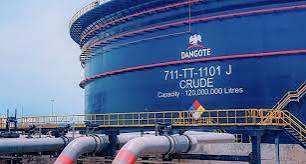
    The Dangote Refinery said it is seeking crude oil import from Libya and Angola amid a supply challenge in Nigeria.

    The Vice President of Dangote Industry Limited (DIL), Devakumar Edwin disclosed this in an interview with Reuters on Sunday.

    Edwin said outside Libya and Angola, the 650,000 barrels per day refinery would also look to other African countries for crude to increase production in its facility.

    “We are talking to Libya about importing crude.

    “We will talk to Angola, as well and some other countries in Africa,” Edwin told Reuters.

    The development comes after the firm had sought crude oil from the United States and Brazil.

    Recall that in the past days, the Dangote refinery had been at the center of discussion in Nigeria’s media discourse following a statement by the Chief Executive Officer of Nigerian Midstream and Downstream Petroleum Regulatory Authority, Farouk Ahmed that its products are inferior.

    Ahmed’s has received a wide range of reactions from the public.

    Meanwhile, Aliko Dangote, the Chairman of Dangote Group has dismissed Ahmed’s statement, calling for an independent test.

  • CBN addresses foreign exchange market pressures

    By Doris Isreal Ijeoma

    The Central Bank of Nigeria (CBN) has announced recent fluctuations in the foreign exchange market are largely driven by corporate demand and seasonal summer uptick. 

    This was disclosed in a statement by CBN on Friday, July 19.

    The statement reads:”The Central Bank of Nigeria (CBN) wishes to inform the general public that recent movements in the foreign exchange market are driven largely by demand pressure from corporate entities and the expected seasonal uptick during the summer period.

    “The CBN, therefore, wishes to assure the general public that it has commenced a regular sale of foreign exchange through Authorized Dealer Banks and licensed Bureaux De Change (BDCs) to improve supply in the foreign exchange market in line with its price stability mandate and its commitment to ensure a well-functioning and liquid market.

    “Over the next few weeks, the CBN will continue to support various segments of the official markets with liquidity.

    In line with the above, the CBN on Thursday, July 18 and Friday, July 19, 2024, sold a total sum of US$106,500,000.00 (One Hundred and Six Million and Five Hundred Thousand US Dollars Only) to 29 (Twenty-Nine) Authorized Dealer banks between an exchange rate range of N1,498.00/US$1 to N1,530.00/US$1.

    In addition, it bought US$9,500,000 (Nine Million and Five Hundred Thousand Dollars) from 4 (Four) Authorized Dealer banks at rates between N1,510.00/US$1 and N1,550.00/US$1. The value date for all the transactions is July 19, 2024.

    “Additionally, the CBN will continue closely monitoring compliance with existing trading rules and regulations by authorized dealer banks to promote ethical conduct and support the drive to achieve stability in the foreign exchange market.

    Therefore, the general public is advised to direct their foreign exchange demand to their banks and BDC operators in accordance with prevailing market regulations.”

  • House of Reps leadership visits Dangote refinery

    House of Reps leadership visits Dangote refinery

    By Doris Isreal Ijeoma

    The leadership of the House of Representatives, led by the Speaker, Tajudeen Abbas, has visited the $ 20 billion Dangote Petroleum refinery in Lagos State.

    The lawmakers arrived at the refinery located in the Lekki Free Trade Zone in Lagos around 11 am on Saturday and were received by the President of the Dangote Group, Aliko Dangote, and top executives of the company.

    The lawmakers are expected to take a tour of the 650,000 barrels per day refinery during the visit and have a conversation about the plan to start the supply of petrol next month.

    The visit marks the second time federal lawmakers will visit the refinery this year following the visit of the Senate leadership, led by Senate President Godswill Akpaio, to the facility in June.

    The lawmaker’s visit comes days after the Chief Executive of the Nigerian Midstream and Downstream Petroleum Authority, Farouk Ahmed, claimed that the diesel produced by Dangote refinery contains a high sulphur content of about 1,000 parts per million.

    Ahmed also stated that the Federal Government would not stop the importation of petroleum products, saying Nigeria cannot depend on one refinery to feed the nation.

    He revealed that the refinery, which has been selling diesel and aviation fuel in Nigeria for months, has not been licensed, stating that it is still at the pre-commissioning stage.

    “The claim by some media houses that there were steps to scuttle the Dangote refinery is not so. The Dangote refinery is still in the pre-commissioning stage. It has not been licensed yet; we haven’t licensed them yet. They are still in the pre-commissioning. I think they have about 45 per cent completion,” he declared.

  • Dangote Refinery’s petroleum products are inferior – NMDPRA

    Dangote Refinery’s petroleum products are inferior – NMDPRA

    By Doris Isreal Ijeoma

    In a move, most capable of demarketing its products, the Nigerian Midstream and Downstream Petroleum Regulatory Authority, NMDPRA, has said that the quality of petroleum products from the Dangote refinery, as well as those from Watersmith, Aradel, and other modular refineries, is inferior compared to imported ones.

    Chief Executive Officer of NMDPRA Farouk Ahmed disclosed this in a recent interview with journalists, a video of which was published by TVC.

    The regulator boss discarded reports that some elements within the oil and gas sector were trying to scuttle the Dangote Refinery.

    According to him, the 650,000 barrel-per-day refinery has not been issued an operational licence by NMDPRA.

    He noted that the Lagos-based Dangote Refinery is still in the pre-commissioning stage and about 45 per cent completed.

    Ahmed added that the country can not risk dependence on Dangote Refinery by suspending petroleum products, especially Automotive Gas Oil and Dual Purpose Kerosene, DPK.

    He said: “That is not so. Dangote Refinery is still in the pre-commissioning stage. It has not been licenced yet. We haven’t licenced them yet. I think they are about 45 per cent to completion.

    “We cannot rely on one refinery to feed the nation because Dangote is requesting that we suspend or stop imports, especially of AGO and DPK, and direct all marketers to his refinery That is not good for the nation in terms of energy security, and it is not good for the market because of the monopoly.”

    Ahmed said that in terms of quality, Dangote’s current AGO (diesel) suffers from the lowest quality in terms of sulphur content, falling short of West Africa’s requirement of 50 parts per million (PPM).

    “Dangote Refinery, as well as some modular refineries like Watersmith Refinery and Aradel Refinery, are producing between 650 and 1,200 PPM. Therefore, in terms of quality, their products are inferior to imported ones,” he stated.

    This development comes days after the Chairman of Dangote Group, Aliko Dangote, said Dangote Refinery is set to commence fuel supply in August 2024.

    Earlier, Devakumar Edwin, the Vice President of Dangote Industries Limited, had alleged that most fuel products imported into Nigeria are substandard.

    He also accused international oil companies of frustrating the kickoff of the Dangote Refinery by selling oil crude at a higher price in Nigeria.

    However, the Nigerian Upstream Petroleum Regulatory Commission dismissed Edwin’s claim of substandard petroleum products in Nigeria.

    It would be recalled that Alhaji Aliko Dangote recently told a bewildered nation grappling with needless petrol scarcity that some vested interests in the oil industry were sabotaging his effort to satisfy Nigeria’s petrol demand.

  • Breaking: NUPENG, PENGASSAN write Tinubu, seek probe of alleged IOCs against Dangote Refinery

    Breaking: NUPENG, PENGASSAN write Tinubu, seek probe of alleged IOCs against Dangote Refinery

    The Nigeria Union of Petroleum and Natural Gas Workers, NUPENG and its Petroleum and Natural and Senior Staff Association, PENGASSAN, have written to President Bola Tinubu, demanding a high powered investigation into the allegation that the International Oil Companies, IOCs, are plotting to undermine and destabilize the Dangote Refinery and Petrochemicals.

    In a written through the Chief of Staff to the President, Mr Femi Gbajabiamila, dated July 1, 2024, the oil workers demanded among others, that the findings of such investigation must be made public to ensure transparency and maintain public trust.

    The letter signed by the NUPENG’s General Secretary, Afolabi Olawale and his PENGASSAN’s counterpart, Lumumba Okugbawa, read “The leadership and members of our great Union and Association profoundly appreciate your commitment and dedication to restoring the economic growth and prosperity of our dear Nation and we are also fuly mobilized and committed to supporting al your laudable thoughts and hard decisions towards these lofty goals.

    “Unfortunately, we are deeply concerned and shocked by the recent unusual allegations by the Dangote Refinery and Petrochemicals Company of a deliberate plot by some International Oil Companies (IOCs) to frustrate their business efforts and continued existence.

    “These sabotaging actions reportedly include denying the Refinery crude oil supply and artificially inflating market prices of the crude oil to the Company, thereby forcing Dangote Refinery and Petrochemicals Company to source crude oil from other countries, even as far as the United States of America with attendant high operating costs and logistics.

    “The Dangote Refinery is not only a critical National asset but also a beacon of hope for our energy security, economic growth, and employment opportunities. The economic benefits of a Local Refinery with such capacity as the Dangote’s to Nigeria, can never be overstated.

    “This is why for several decades now, NUPENG and PENGASSAN have campaigned vigorously that Nigeria should make ti a pre-requisite condition that Companies that want to benefit from JVC arrangements with Nigeria, to set up a Refinery/Petrochemical Company ni Nigeria.

    “Unfortunately, no sucessive Governments summoned enough political and patriotic courage to take that logical and pragmatic policy direction. The survival of companies that have braved ti up and invested hugely ni refining crude ni Nigeria thus saving our Nation from wasteful product importations that profit other countries and cost us forex, should be of great interest to us as a Nation because of the enormous economic benefits involved.

    “Our demands are as follows: Immediate Investigation: The Federal Government should set up an independent panel ot investigate the claims of sabotage by some International Oli Companies. This investigation should be compreensive and transparent, ensuring that al parties involved are held accountable.

    “Public Disclosure: The findings of this investigation must be made public ot ensure transparency and maintain public trust. Nigerians deserve to know the truth about the actions of these International Oil Companies and the impact on our National interests.

    “Legal Action: Should the allegations be substantiated, we expect the Government to take decisive legal action against the entities involved. This must include sanctions, penalties, and any other measures necessary to deter future acts of economic sabotage.

    “Support for Dangote Refinery: The Government should provide al necessary support to ensure the uninterrupted commencement and operation of the Dangote Refinery. This includes ensuring security and stability around the Refinery’s operations.

    “Your Excellency Sir, we trust your courage and unwavering commitment to the Nigerian project and we believe that the Presidency wil take decisive action to safeguard the Dangote Refinery and ensure its successful operation for the benefit of our Nation.

  • JUST IN: Dangote Refinery contains minor fire at its effluent treatment plant

    JUST IN: Dangote Refinery contains minor fire at its effluent treatment plant

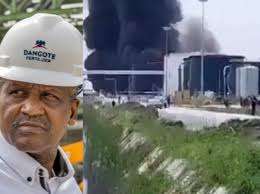
    The management of Dangote Refinery has reacted to reports of a fire incident at its refinery on Wednesday, saying the ‘minor fire’ occurred at its Effluent Treatment Plant (ETP) and has been swiftly contained.

    Anthony Chiejina, the Chief Corporate Communications Officer for Dangote Group, confirmed the development in a statement made available to Tribune Online.

    He assured the public that there was no cause for alarm as the refinery continued to operate normally and no injuries or harm was reported among the staff on duty.
     
    “We have swiftly contained a minor fire incident at our effluent treatment plant (ETP) today, Wednesday, 26th of June. There is no cause for alarm as the refinery is operating, and there is no recorded injury or body harm to all our staff on duty,” Chiejina stated

  • BREAKING: NFIU Alerts Banks, Others As ‘Scammers’ Devise New Method To Claim Funds From Abroad

    BREAKING: NFIU Alerts Banks, Others As ‘Scammers’ Devise New Method To Claim Funds From Abroad

    The Nigerian Financial Intelligence Unit (NFIU) has issued a warning regarding scams involving tracing and recovering digital wire transfers from international banks into local accounts.
    In a June 2024 report, the NFIU mentioned its dedication to offering prompt advice or guidance to its partners using a method grounded in real-life examples.

    The agency’s report offers detailed insights into the latest trends, recurring patterns, questionable behaviours, and techniques aimed at taking advantage of the financial system for illegal and fraudulent purposes.

    The NFIU indicated that its research points to a growing problem of fraudulent petitions that target the tracing and recovery of funds supposedly sent from foreign banks to local ones.

    This issue, it said, poses a significant risk to the intended victims, Financial Institutions, Law Enforcement Agencies (LEAs), and other governmental bodies.

    “This advisory became necessary due to numerous petitions received by the NFIU from financial institutions, government agencies, and other third parties seeking assistance towards the tracing and recovery of funds transferred from foreign entities to their business partners in Nigeria.

    “The advisory aims to draw the attention of relevant stakeholders and the general public to the red flags as well as the emerging trends that have been observed, most especially the use of forged documents by fraudsters to defraud unsuspecting members of the public,” the NFIU report stated.

    The agency reported receiving numerous false petitions, including one where a law firm represented a non-governmental organization (NGO) and requested the NFIU and other related authorities to locate and reclaim €30 billion (Thirty Billion Euros) that had been moved from an international bank to a Nigerian bank, alleging that the funds were frozen by a Nigerian financial institution.

    According to NFIU, the NGO intended to use the funds for investments in the property sector.

    The NFIU also mentioned that a law firm had submitted a petition on behalf of its client to trace and recover €6 billion (Six Billion Euros) that had been transferred from international banks to the client’s Nigerian bank account.

    In response, the NFIU urged financial institutions and the public to remain cautious and to follow guidelines that would help protect crucial documents from being easily accessed to prevent their misuse in similar petitions.

    It said, “The public should exercise some level of scepticism when dealing with telegraphic transfer documents from major European banks as nearly all frivolous claims emanate from same jurisdictions and banks abroad.”

    In its recommendations to banks, NFIU said, “Upon receipt of a letter from a customer anticipating huge inflow, evidenced by the usual Telex copy, the financial institution should immediately conduct Enhanced Due Diligence, sufficient to establish authenticity or otherwise of the document presented.

    “Where issues of forgery are suspected, the financial institution must take steps to quickly respond in writing to the letter from the customer, clearly stating the non-existence of such pending transaction of funds.

    “This action must be taken immediately upon receipt of the complaint by the bank to avoid their use of the acknowledgement of the letters for fraudulent purposes.

    “Financial Institutions are advised to immediately file Suspicious Activity Report (SAR) on any entity or individual who presents such frivolous claims to the NFIU.”

    It advised the public to be “Aware of the threat posed by fraudulent individuals and their fictitious telegraphic inflows whilst noting the listed red flags as well as the mode of operations contained in this document.

    “The public must also take necessary steps geared towards scrutinizing potential business opportunities before committing financial resources.

    “The public should recognize the imminent risk of making investment on the strength of unverifia