
Category: Economy

  • CIBN backs Tinubu on exchange rate unification

    The Chartered Institute of Bankers of Nigeria (CIBN) has commended President Bola Tinubu for unifying the Naira exchange rate to save the country from financial crisis.

    The President/ Chairman of Council of CIBN, Dr Ken Opara, said this at the 2023 Lagos Bankers Night with the theme, “Exchange Rate Unification: Global Implications, Organisation’s and the Country,” on Friday night in Lagos.

    According to him, the institute has always advocated transparency and a free market that would allow the interplay of supply and demand.

    He said, “The Chartered Institute of Bankers of Nigeria totally supports the Central Bank of Nigeria’s reform as it relates to the unification of the exchange rate and other measures basically taken to ensure the true value of the Naira.

    “As a matter of fact, we have been advocating for this and during the week, Dr ‘Biodun Adedipe, leading other scholars, and Mr Laoye Jaiyeola of the Nigeria Economic Summit Group, gathered at the Bankers House to applaud the reform, especially as it relates to the unification of the exchange rate.

    “We have seen that the effort that the Central Bank of Nigeria has initiated is already yielding dividend.

    “We can see that the exchange rate between the Naira and the dollar has started coming down which means it is a good initiative that is well thought out.”

    Opara said that the institute recently organised a half year economic review, where captains of industries also spoke in support of the reform.

    He urged Nigerians to take advantage of the good opportunities that the reform had presented, saying wherever there are challenges lie in opportunities.

    The CIBN president pledged the institutes continued commitment to making contributions and suggestions relating to what should be done to support and grow the country.

    He said, “As it is the concept of the industry; we played this role very well when the industry was facing challenges and we will continue to do that because we believe that the banking industry is very solid, stable and efficient.”

    He described the payment system in Nigeria as “the best” all over the world, stressing that it is a system that one could consummate transactions on an online real-time basis.

    Opara said this showed that the banking industry and its regulator had done well in stabilising what an effective payment system.

    He debunked media reports that its Lagos branch was not in support of the exchange rate unification, describing as “untrue”, but calculated to cause panic.

    Chief Consultant of B. Adedipe Associates Ltd. (BAA Consult), Dr ‘Biodun Adedipe, said that the exchange rate unification, which was not new in Nigeria, had gone through the route before with different appellations.

    “Let me trade very quickly what I brand as Nigeria’s journey to exchange rate unification.

    “Nigeria has gone through this route before but with different appellations like devaluation, correction, alignment, depreciation, all of which are matter of semantics.

    “The simple interpretation of this is to remove the premium on the official rate and the parallel market or road side market.

    “Of course, this is a typical Bretton Woods recipe; keep premium within five per cent to decentivise round tripping and then find liquidity to sustain it.

    “This is the easy way out; but, it never brings enduring solution to the persistent crisis in the external sector of the Nigerian economy.”.

    According to him, there are 54 evidence-based research documents to establish that free float is not always the most appropriate for all economics.

    Giving historical illustrations, the expert noted that exchange rate movements had a more significant impact on all other prices more than interest rates adjustment.

    He said the only period that Nigeria experienced a successful and stable rate convergence in the country was when it had a significant external reserve.

    Adedipe said it took the country an average of two to six weeks for the parallel market rates to diverge from the official exchange rate during each episode of premium removal.

    He added that speculative attack on the currency occured each time there was no clear sight to a stable and enduring supply.

    President Bola Tinubu, had during his inauguration on May 29, said his administration would seek to bring the different exchange rate regimes being operated across the country’s foreign exchange channels under a single regime.

    However, in June, Tinubu through the Special Adviser on Special Duties, Communications, and Strategy, Dele Alake, announced the implementation of a unified exchange rate to save the country from a financial crisis.

    He emphasised that his decision to implement a managed float, similar to his approach to fuel subsidy removal, was in the best interest of Nigeria.

  • PHOTO NEWS: Tinubu receives NLNG Management at State House Villa

    President Bola Ahmed Tinubu receives in audience the Board and Management of the Nigeria Liquified Natural Gas Limited (NLNG) led by its MD/CEO, Dr Philip Mshelbila, at the State House, Abuja, at the weekend.

    Photo Credit: State House

    PHOTO NEWS: Tinubu receives NLNG Management at State House Villa
    PHOTO NEWS: Tinubu receives NLNG Management at State House Villa
    PHOTO NEWS: Tinubu receives NLNG Management at State House Villa
  • Revive idle wells to meet revenue shortfall, expert urges FG

    Revive idle wells to meet revenue shortfall, expert urges FG

    Industry expert, Dr Victor Ekpenyong has urged the Federal Government to revive idle oil wells to boost oil production in order to meet revenue shortfalls.

    Ekpenyong, who is the Chief Executive of Kenyon International West Africa Limited, said this during an interactive session with journalists in Yenagoa, Bayelsa State.

    Kenyon International is a Well Control Services firm.

    Ekpenyong noted that vandalism and oil theft have hampered the country’s oil production and kept the nation from harnessing its full production capacity.

    He explained that oil production was being limited by breach of pipelines that evacuate crude from oilfields to export terminals.

    He noted that with the rebound of the Forcados Export Terminal which has been out of service, there will be an increase of export capacity by at least 350,000 barrels per day (bpd) when scheduled repairs on the export trunkline is completed in the next one week.

    Ekpenyong commended the Nigerian National Petroleum Company Limited (NNPCL) for ongoing repairs on major oil export pipelines, noting that upon conclusion of repair schedules, export capacity would rise significantly.

    He said that there was the need to revive idle assets to boost oil production to meet the Organisation of Petroleum Exporting Countries (OPEC) quota of 1.8 million bpd quota for Nigeria.

    Ekpenyong noted that there was existing production capacity to meet the shortfall in production from a little over one million bpd current output.

    “Reports available from NNPCL have it that repairs on Trans Forcados Export Trunkline is almost concluded and the Forcados Export Terminal will be up again and it has capacity to handle up to 400,000 bpd of oil export.

    “The sections of the Trans Niger Delta Pipeline (TNP), which feed the Bonny Crude Export Terminal, are also scheduled to be ready as well, so we need to revamp the idle wells to produce enough to meet our OPEC quota and earn more revenue,” Ekpenyong said.

    He noted that the country is yet to produce more and leverage the supply cuts occasioned by the Russian-Ukrainian crisis which has pushed up international crude oil prices.

    He noted that proposed divestment by the government from oil assets in non producing oil reserves would provide opportunities for investors to enter into partnerships with the government to increase oil production.

    “The efforts being made by the government to increase local refining is very massive. I learnt that the rehabilitation work at the Port Harcourt refinery has gone far for the President to promise that the plant will be back in December.

    “There is also ongoing work in Warri Refinery and these will increase local production of refined petroleum products and reduce imports and subsequent pressure on the naira at the foreign exchange market,” Ekpenyong said.

    He said that NNPCL remained the dominant importer of refined petroleum products saying the $3 billion facility being put in place by the government would enable more private sector players to augment the supply deficit. 

  • Local refiners got 3.6m barrels of crude in 2 years – NUPRC  

    The Nigerian Upstream Petroleum Regulatory Commission (NUPRC) has said it delivered 3,614,936 barrels of crude to three local refineries between September 2021 and May 2023.

    According to the regulator in a statement Thursday in Abuja, only local refiners that complied with relevant requirements of Section 109 of the Petroleum Industry Act, 2021 are entitled to crude supply.

    NUPRC said the clarification became necessary due to insinuations from some operators that it had failed to supply them with crude oil.

    The Commission said, between January 2019 and August 2021 the period before the PIA came into effect, 1,726,049 barrels of oil were supplied to two refineries that met the requirements of the law at the time. The two refineries are operated by Walter Smith and NDPR. The post-PIA supplies were made to Walter Smith, NDPR, and OPAC refineries.

    It stated that the Commission recently granted approval for Millennium Oil and Gas Limited to supply by trucking 60,000 barrels of crude oil at the rate of 20,000 barrels per month for three months to OPAC and Duport refineries in Edo State.

    In addition, alternate evacuation routes such as trucking of crude oil to refineries have been approved to forestall potential downtime during refinery operations which might arise due to non-availability or vandalism of pipelines.

    It was emphatic that the Commission remains steadfast in delivering on the mandate stipulated by the PIA and will not relent in ensuring that a conducive and suitable supply of feedstock to all licensed refineries operating within the country is sustained.

    It further stated that any refinery operator or group of refinery operators in Nigeria not receiving or claiming not to be receiving feedstock from appropriate agencies are yet to satisfy the mandatory requirements as stipulated by law.

    It pointed to the fact that the Commission has provided regulatory support for qualified refineries by ensuring adequate crude oil supply. It restated its commitment to transparency and determination to work within the provisions of the PIA; which is why data concerning its operations with industry operators are always made available for public scrutiny.

    “The NUPRC wishes to state the facts to provide insight and clarity to the general public as follows: Section 109 of the Petroleum Industry Act (PIA) 2021 mandates that the Domestic Crude Supply Obligation (DCSO) be placed on all holders of Petroleum Mining Leases and Oil Mining Leases in Nigeria in a bid to ensure crude oil supply to local refineries.

    Under Section 109(2) of the Petroleum Industry Act, the Commission gazetted the Production Curtailment and Domestic Crude Oil Supply Obligation Regulations which provides clarity on the obligations of the stakeholders of the domestic crude oil supply value chain.

    “The PIA prescribes its implementation mechanism requiring the Nigerian Midstream and Downstream Petroleum Regulatory Agency (NMDPRA) to furnish the Commission with domestic crude requirements of licensed operating refineries on an annual basis which would form the basis for the Commission to issue the crude supply obligation on the producing companies in the upstream sector. It also mandates the requirement for the transaction to be on an arm-length commercial basis between the producer/supplier and the refiner.

    “The Commission has provided an enabling framework for the supply of crude oil to be negotiated between the lessee and the oil refining licensee, having regard to the prevailing international market price for similar grades of crude oil as stipulated in section 4 (7) (b) of the Domestic Crude Supply Obligation (DCSO) regulations in either the Nigerian Naira or the United States Dollar or a combination for flexibility to be agreed by the parties.

    “Consequently, the Commission placed priority on developing this regulation for the operationalization of the mandate and developed the regulation to ensure the availability of a regulatory framework for DCSO.

  • Nigeria needs political will to benefit from oil resources – Expert

    An international oil and gas expert, Alhaji Sadiq Abubakar  Adamu, has urged the federal government to appoint technocrats familiar with the working of the oil and gas industry as minister.

    In a chat with journalists in Abuja, Adamu said appointing the right caliber of people into strategic positions in the sector would help formulate the right policies and ensure the sector is stirred in the right direction to achieve its full potential.

    According to him, Nigeria has the capacity and expertise to transform the oil and gas sector.

    Adamu, who played a leading role in the success recorded by Qatar in the development of its oil industry, stressed that with the right political will, Nigeria can turn the challenge of gas flaring into an advantage.

    Data from the National Oil Spill Detection and Response Agency (NOSDRA) revealed that between January and November 2022, Nigeria flared an estimated 5.6 billion standard cubic metres of gas valued at $685m.

    Nigeria’s natural gas is low in Hydrogen Sulphide and Carbon Dioxide impurities, gas flaring is still estimated at nearly $2m/day. According to data, Nigeria generated 22 million tonnes of LNG yearly as of 2020.

     The oil and gas expert emphasized the need for the authorities to stop wasting its huge gas resources by converting it into a source of energy to address the perennial power supply challenge.

    He further stated that Nigeria has huge natural gas potential and is in fact often referred to in geological terms as a gas country with few oil deposits.

    He said, “Even with the horrors of gas flaring and the few LNG and NGL projects so far developed, Nigeria is yet to tap into two percent (2%) of its proven 192 TCF of natural gas. With global demand currently at 120 TCF and growing, Nigeria could deftly play the go-bridge in this huge demand pool with significant benefits for the nation. All that is needed is the political will and expert deployment of management skills to turn this energy of the future to Nigeria’s fattest revenue cash cow and solid foundation for industrialization.”

    Adamu, who is a member of the Multi-Billion Dollars RasGas and Qatar natural Gas team, who led the Committee that structured and developed the Qatar  Condensate Refinery, also said, it is time for the country to harness its huge oil and gas deposits for the benefit of the citizenry.

    The Taraba State born Harvard -trained oil and gas guru, whose sojourn in the industry spans over two decades, began his blossoming career with Mobil Corporation, Virginia, in the United States of America (USA), after his graduating top of his class from the prestigious Harvard University in 1992 with a Masters Degree in Law,

    has also worked for the multi-national oil and gas firm in several countries including the United Arab Emirate (UAE).

    He explained that Nigeria needs to urgently utilize her huge gas deposits by initiating policies and innovations that would monetize its enormous unassociated gas and to, as a matter of national urgency, permanently end gas flaming and convert these rich resources to benefit its generations yet to come.

    According to him, it is only by driving friendly initiatives and also appointing thorough-breed professionals with the requisite skills, exposure, and commitment that the populace will enjoy the natural resources that nature has endowed the country with.

    A skillful negotiator, Alhaji Adamu, has successfully brokered multi-billion dollar financing for Exxon Mobil projects in several countries across the globe.

    The legal luminary cum oil and gas technocrat has provided legal support for procurement from the International financing market of more than 15 Billion Dollars for Exxon Mobil projects in Nigeria.

    Adamu who is the Chairman Board of Directors of Oil Dyanmix Limited, and a Director of Sidler Dynamic Engineering Limited, an International Oil and Gas firm, among several other businesses, commended President Bola Ahmed Tinubu for his decisive actions, saying that such policies would engender growth and development in the oil and gas sector of the economy.

    He canvassed support for the Administration and said all well-meaning citizens should support the government to deliver on its lofty campaign promises of; jobs creation, building of infrastructure, and social safety nets for the less privileged.

    The Taraba  State-born oil mogul who is also a philanthropist of repute, has experience in the hydrocarbon development industry, cut across Management, Legal support, Upstream and Midstream, Natural Gas monetization -domestic, International Planning, and Sales.

  • NNPC secures $3bn loan from AFRIEXIM Bank to boost FX market, bolster naira

    In a significant move, the Nigerian National Petroleum Corporation Limited (NNPCL) has entered into a substantial crude repayment loan agreement amounting to $3 billion with the esteemed AFRIEXIM Bank.

    This financial endeavor is set to play a pivotal role in the stabilization of the foreign exchange market and the support of the Nigerian currency, the naira.

    The NNPC Ltd., in collaboration with AfriEXIM bank, has formalized their commitment through the signing of a letter of commitment and a Termsheet for a crucial $3 billion crude oil repayment loan. This momentous event unfolded at the headquarters of the bank, situated in Cairo, Egypt.

    The loan’s provisions encompass immediate disbursement, thereby empowering NNPC Ltd. with the resources necessary to provide substantial backing to the Federal Government’s ongoing fiscal and monetary policy reforms. These reforms are meticulously crafted to achieve a fundamental goal: the stabilization of the exchange rate market.

    By securing this substantial loan, NNPC Ltd. has taken a substantial step towards reinforcing the Nigerian economy.

    A statement from the company on Wednesday read: “The NNPC Ltd. and AfriEXIM bank have jointly signed a commitment letter and Termsheet for an emergency $3 billion crude oil repayment loan.

    “The signing, which took place today at the bank’s headquarters in Cairo, Egypt, will provide some immediate disbursement that will enable the NNPC Ltd. to support the Federal Government in its ongoing fiscal and monetary policy reforms aimed at stabilizing the exchange rate market.”

  • FG raises N4.46trn bonds in 8 months

    FG raises N4.46trn bonds in 8 months

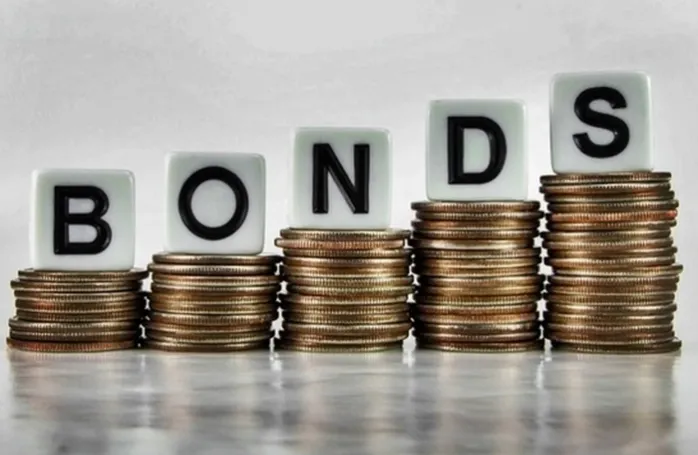
    The Federal Government raised the sum of N4.46 trillion from the bond market in the last eight months.

    The result is that the interest rate on 30-year FGN bonds increased to 15.85 per cent in August 2023 from 14.3 percent in July 2023.

    The Debt Management Office (DMO) received N5.42 trillion total subscriptions as against N2.88 trillion offered during the period amid monetary policy tightening by the Central Bank of Nigeria (CBN) and global uncertainties.

    An analysis of the bond market activity during the period revealed that FGN bonds recorded 53 percent oversubscription as interest rates continued on a steady trajectory.

    The DMO has conducted four auctions in 2023, which were oversubscribed despite a hike in inflation rate and investors’ diversification into the stock market.

    While the information on the buyers of corporate bonds are publicly disclosed, other publicly available reports indicate Pension Fund Administrators (PFA), asset managers, banks, and institutional/foreign investors are among the largest buyers of FGN Bonds.

    The auction results released by DMO indicate strong investors’ demand for FGN bonds, as the total amount allotted exceeded the total amount offered. It also suggests investor confidence in the Nigerian economy and the ability of the government to meet its debt obligations.

    A breakdown showed that in the first quarter (of 2023, total subscription to FGN bonds stood at N2.61trillion while the DMO allotted N1.996 trillion out of the N1.080 trillion offered to the investing public.

    In the second quarter of 2023, investors were also offered N1.080 trillion FGN bonds; it witnessed N2.503 trillion subscriptions. The DMO eventually allotted N2.23trillion.

    However, a July 2023 auction revealed that subscriptions stood at N945.14billion as against the N360 billion offered. The DMO allotted N657.84 billion.

    At the just concluded FGN bond auction in August, the four instruments were 14.55 per cent April 2029 FGN bond; 14.70 per cent June 2033 FGN bond; 15.45 per cent June 2038 FGN bond; and 15.70 per cent June 2053 FGN bond. They were valued at N90 billion each, making a total offer of N360 billion.

    In spite of current market conditions, the auction received a total subscription of N312.56 billion and amount allotted to successful bidders for the four instruments was N230.26 billion.

    Investors’ appetite for the 15.70 June 2053 (30-year bond) remained strong, with a bid-to-cover ratio of 2.71 times.

    Allotments were made at 13.85 per cent for the 14.55 per cent April 2029 instrument and 15.00 per cent for the 14.70 per cent June 2033 instrument.

    Also, “15.20 per cent was for the 15.45 per cent June 2038 instrument and 15.85 per cent for the 15.70 per cent June 2053 instrument,” the DMO said.

    The federal government had proposed to borrow over N11 trillion to finance the proposed 2023 budget deficit.

    Findings by Economic Confidential revealed that FGN Bonds auctioned were re-openings with rates below the inflation rate.

    The debt office in 2023 maintained four tenor bond auctions between January and June and each FGN bond offer was oversubscribed.

    Meanwhile, finance experts have attributed the strong demand for FGN bonds to attractive yields, which offer investors high returns on their investments.

    They added that the oversubscription also revealed that investors have confidence in the government’s ability to meet its debt obligations.

    The appetite for FGN bonds indicates that PFAs, and Nigerian investors prefer investment instruments with less volatility that assures them of their capital returns albeit with low yield on investment.

    But, in recent years, Nigeria’s rising debt profile has been a topic of concern, as Vice President, Highcap Securities Limited, Mr. David Adnori warned that the country’s debt levels are unsustainable.

    DMO stated in January that Nigeria’s public debt could rise to N77 trillion if the country’s “ways and means” are securitized.

    “Ways and means” refer to the CBN’s lending to the federal government. The DMO said that the securitization of ways and means” is not unusual and is a common practice in many countries, but it is not a decision that can be made by the DMO alone.

    Adnori expressed concerns that Nigeria’s rising debt levels could become unsustainable if not managed properly.

    The government has argued that borrowing is necessary to finance critical infrastructure projects and stimulate economic growth.

    The Chief Executive Officer of the Centre for the Promotion of Private Enterprise, Dr Muda Yusuf, said the FG had notified the general public of borrowing more in 2023.

    According to him, “With all the volatility and foreign exchange issues, it makes sense to borrow at the domestic market rather than borrowing from the international market. It is all a reflection of our macro economy environment challenges and weak fiscal policy of the government. All this borrowing also is a reflection of the weak financial position of the government and it will continue like that.”

    He noted that the oversubscription to FGN bond is a lucrative investment, stressing that the low risk involved attracted investors.

    He added, “Anything sovereign has the lowest risk and nothing will go wrong with it except the country is collapsing completely. All over the world, sovereign bonds have the lowest risk and secondly it is an investment outlet for investors to invest their money.”

    On his part, the Chief operating officer of InvestData Consulting Limited, Mr. Ambrose Omordion, said, “We know that previous government borrowing was high. Excessive borrowing by the previous government at the expense of the private sector, which is the engine room of the economy, brings to question the soundness of their economic strategy.

    “The careless use of debt as a financing tool is fraught with calamitous dangers. Even more disheartening is when the debts are principally used to finance consumption or to unwisely finance a few secondary infrastructures (Roads and Rail).

    “These will neither enhance the productive momentum of Nigeria’s light industries nor make the economy self-reliant. The disorderly growth of the economy the last administration pursued can only mislead the country into an abyss if public borrowing is not curtailed to lower cost of funds so that production will be competitive.”

  • Nigeria crude exports to rise as Shell Forcados resumes operations

    Nigeria’s contribution to the Organisation of Petroleum Exporting Countries (OPEC) is expected to increase with the resumption of the Forcados grade of crude oil Sunday.

    The resumption is coming roughly a month after loadings of the medium sweet grade were suspended because of a potential leak at the export terminal.

    Sources had told Reuters that exports of the grade, which was scheduled to ship 220,000 barrels per day (bpd) in July, were halted on the evening of July 12 after workers saw fumes near a single buoy mooring where oil was being loaded onto a vessel.

    A single buoy mooring is essentially a floating loading facility that allows large tankers to moor offshore to discharge cargoes.

    Shell confirmed that injections into the terminal had been curtailed after the report, though no force majeure was declared.

    The Shell said the cause of the suspension would be determined by a joint investigation between company and community representatives in tandem with government agencies.

    The suspension of Forcados loadings contributed to Nigeria becoming the second-biggest contributor to the drop in OPEC crude oil output in July, a Reuters survey showed.

    This follows observation by the Nigerian Upstream Petroleum Regulatory Commission, NUPRC that the country’s crude oil production dropped by 12.56 per cent in July to 1.29 million barrels daily from 1.48 million barrels daily in June.

    According to the NUPRC, one of the reasons for the decline was the temporary shutdown of the Forcados terminal, which Shell, the operator, said in mid-July on suspicions of a leak.

    The Forcados sees loadings of an average of 220,000 barrels daily but on July 12 workers in the area saw fumes near a vessel that was being loaded with crude. The repairs work on the terminal was expected to be completed by the end of the first week of August but as of the middle of this week, Forcados remained shutdown.

    Earlier this year, the Commission warned that Nigeria is producing one million bpd of crude less than it has the capacity to produce.

    The agency cited a lack of investments, a shortage of funding sources because of the energy transition, and insecurity among the factors driving the situation.

    “Currently, Nigeria has the technical allowable capacity to produce about 2.5 million barrels of oil per day.

    However, arising from the highlighted challenges, our current production hovers around 1.5 million barrels of oil and condensate per day,” the chief executive of the body said in May.

    To remedy matters, Nigeria earlier this month announced the pending launch of a roadshow to pitch upstream investments in the country.

    “Whereas the global imperatives for energy transition is clear and justified, the need for Africa’s energy security, economic development and prosperity cannot be overemphasised,” the Nigerian regulator, which is organizing the roadshow, said.

    According to a senior Petroleum Ministry official, Nigeria is looking to boost its oil production to 1.7 million barrels daily by November this year.

  • No fuel price hike in the pipeline, Tinubu reassures Nigerians

    President Bola Tinubu has moved to allay fears of a potential increase in the pump price of petrol in Nigeria.

    The market has already been deregulated, and according to the Special Adviser to the President on Media and Publicity, Ajuri Ngelale, it will continue to remain so.

    He said that the government aims to address inefficiencies in the midstream and downstream petroleum subsectors without reverting to a policy reversal.

    This declaration follows the Nigerian National Petroleum Company’s (NNPC) statement that it has no plans to raise petrol prices, countering speculations and responding to warnings from the Nigeria Labour Congress (NLC).

    Previous price hikes have sparked outrage and nationwide protests, especially the last increase from N197 to N617.

  • FGN August Bond Auction hits N312.56bn subscription -DMO

    The Debt Management Office (DMO) has reported a substantial subscription of N312.56 billion in the Federal Government of Nigeria (FGN) bond auction for August.

    This is coming amidst prevailing uncertainties in the financial market as this impressive response underscores investor confidence in government securities.

    Conducted on Monday, the FGN bond auction featured four distinct instruments: the 14.55 percent April 2029 FGN bond, the 14.70 percent June 2033 FGN bond, the 15.45 percent June 2038 FGN bond, and the 15.70 percent June 2053 FGN bond. Each instrument carried a value of N90 billion, culminating in a total offering of N360 billion.

    Despite the prevailing market conditions, the auction garnered an outstanding subscription of ₦312.56 billion, indicating a strong appetite among investors. Of notable interest was the 15.70 June 2053 (30-year bond), which maintained robust demand with a bid-to-cover ratio of 2.71 times.

    The successful bidders were allocated a total of N227.76 billion across the four instruments. The allotment rates varied, with the 14.55 percent April 2029 instrument and the 14.70 percent June 2033 instrument being set at 13.85 percent and 15.00 percent, respectively.

    Likewise, the 15.45 percent June 2038 instrument carried an allotment rate of 15.20 percent, while the 15.70 percent June 2053 instrument stood at 15.85 percent.

    The FGN bond, akin to the FGN savings bond and the sovereign Sukuk, constitutes a vital component of local government borrowing.

    This resounding success in the auction reflects the ongoing interest and confidence in FGN securities, demonstrating the significance of prudent financial management amidst market uncertainties.