
Category: Economy

  • Naira ends week stronger against Dollar, gaining N11.17 

    Naira ends week stronger against Dollar, gaining N11.17 

    The Naira further appreciated in the official market on Friday, making analysts to wonder if this was a stable rebound or transient maneuvre as it traded at N1,474.78 to the Dollar.

    Data from the FMDQ Securities Exchange official forex trading platform revealed that the Naira gained N11.17.

    This represents a 0.7 per cent increase compared to the previous day’s trading figure on Thursday, when the local currency closed at N1,485.95 to the Dollar.

    Trading in the Investors and Exporters (I&E) Forex window on Friday saw a high of N1,495.01 and a low of N1,447.50.

    The Naira has remained stable against the US Dollar since December 2024, supported by sustained reforms from the Central Bank of Nigeria (CBN).

    The reforms aimed at ensuring transparency in the foreign exchange (FX) market.

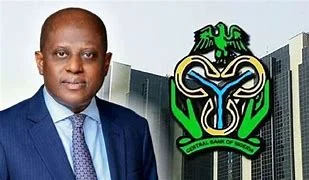
    CBN Governor Olayemi Cardoso, speaking in Abuja on Thursday at the 2025 Monetary Policy Forum, stated that recent reforms in the FX segment had continued to attract foreign investments.

    Cardoso reassured that the apex bank would sustain efforts to ensure continued inflows. 

  • Dry season farming: Heifer Int’l inaugurates 160 solar-powered pumps in Nasarawa state

    Dry season farming: Heifer Int’l inaugurates 160 solar-powered pumps in Nasarawa state

    Heifer International Nigeria, on Thursday inaugurated 160 solar-powered water pumping machines in Lafia to support smallholder farmers and boost irrigation in the state.

    Heifer International (also known as Heifer Project International) is a global nonprofit organisation, working to eradicate poverty and hunger through sustainable, values-based holistic community development.

    Dr Lekan Tobe, Country Director of Heifer International Nigeria, who spoke at the event, said that the provision of the pumping machines was to  empower smallholder farmers and encourage them to adopt irrigation practices.

    According to the country director, the initiative is prompted by the high cost of fuel, which led many smallholder farmers to abandon irrigation.

    “A lot of farmers usually rely on fuel-powered water pumps, but with the removal of fuel subsidy by the Federal Government in 2024, fuel has become  unaffordable for smallholder farmers.

    “The solar-powered pump offers a sustainable and cost-effective solution to this challenge and will help increase productivity,” he said.

    Tobe said that 160 smallholder farmers would benefit from the pilot project in Nasarawa State.

    Heifer Pay-as-you-go tractor hire facility

    He further said that the pilot project would also enable farmers test the effectiveness and efficiency of the technology.

    In his remarks, Gov. Abdullahi Sule of Nasarawa State appreciated the organisation for aligning with his administration’s quest to promote agriculture and ensure food security in the state.

    The governor represented by Umar Abdullahi, Permanent Secretary, Ministry of Agriculture and Water Resources, expressed optimism that the technology would increase the income of farmers, increase production and reduce high cost of food.

    He reiterated the administration’s willingness to partner any organisation interested in promoting agriculture for the overall development of the state.

    Also speaking, the Managing Director, Nasarawa Investment and Development Agency (NASIDA), Ibrahim Abdullahi, represented by Fatima Zakari, said the deployment of solar-powered pumping machines would promote dry-season farming.

    The NASIDA boss added that it would also promote sustained agricultural practice and ensure food security.

    He encouraged farmers to embrace the technology as it would reduce cost of production by more than 50 per cent, given the fact that the power source – the sun, is free.

    He applauded Heifer International for the initiative to empower rural farmers and communities in the state and urged other organisations to emulate them.

  • Telecoms tariff hike will hinder learning, research – students lament

    Telecoms tariff hike will hinder learning, research – students lament

    A cross section of students in Enugu State, on Wednesday,  appealed for the reversal of the 50 per cent hike in tariff in telecommunication services due to prevailing socioeconomic hardship.

    They were of the view that telecommunication services, such as internet data service, have enhanced learning and research work; making its usage indispensable to all students.

    They made their feelings known in separate interviews while reacting to the telecom tariff hike with the News Agency of Nigeria (NAN).

    Mr Divine Eze, a student of the Department of Environmental Management in the University of Nigeria Enugu Campus (UNEC), urged the Nigerian Communications Commission (NCC) and telecom companies to consider the financial struggle of students and their parents.

    Eze said that currently most students could not easily cope with the high cost of textbooks and other educational materials, which cost increased in the past few years.

    “The only relief we have for now is the telecommunication services that had helped students to manage; thus, reducing need for travels, time doing research and writing same research work and essential social media communication,” he said.

    Speaking, a student of the Institute of Management and Technology (IMT), Mrs Chiamaka Dike, called on NCC and telecom companies not to put an increase in data service as it impacted negatively on learning and education the more.

    “Usage of data have made me to manage the N2,000 that my parents usual give to me monthly for GSM services.

    “Many other students I know go through such strict condition by using only data only when necessay,” Dike, who is of the Department of Banking and Finance, said.

    Corroborating, Mr Chidiebere Chimdobe, a student of the Enugu State University of Science and Technology (ESUT), noted that NCC and telecom companies failed to consult and carry all telecom stakeholders along in pushing for the hike.

    Chimdobe said that the telecommunication services drove millions of soft job or e-jobs which students and fresh graduates engage in within the past 10 years.

    According to him, NCC and telecom companies are thoroughly insensitive to the hradship, daily struggles and difficult plights of Nigerian youths, which majority are students.

    “If they go ahead with the hike, it will further compound hardship and will increase social vices as well,” he said.

    Meanwhile, the Progressive Students Movement (PSM), a pan-African students movement, has given an ultimatum of 72-hour to NCC and telecom companies to reverse recent 50 per cent hike in tariff.

    The President of PSM, Mr Bestman Okereafor, called for the review and reversal in a statement made available to newsmen in Enugu.

    Okereafor noted that the 50 per cent increment at this time is “unjustifiable, untimely, and insensitive; hence the total rejection of this anti-masses increment.”

    According to him, PSM is calling on NCC and telecommunications companies to review its stance as a matter of urgency.

    He said, “The attention of PSM has been drawn to NCC’s approval of Telecom operators 50 per cent tariff increment.

    “It will be recalled that telecom operators had previously demanded to adjust their tariff rate; a request which many Nigerians especially Nigerian students frowned at.

    “Information at our disposal shows that NCC approved the telecom companies request in response to rising operational costs, at the detriment of Nigerians and the obvious economic realities facing the country.

    “However, this development, which allows for a maximum of 50 per cent adjustment to current tariffs, was announced in a statement signed by Reuben Muoka, the NCC’s Director of Public Affairs, on Monday, Jan. 20.”

    The PSM President warned that the entire students’ bodies would be protesting this abnormal and inconsiderate 50 per cent increment in tariff if not reviewed in the next 72 hours.

  • CBN moves to end the trade in Naira notes

    CBN moves to end the trade in Naira notes

    The Central Bank of Nigeria (CBN) has announced measures to stop the trading of Naira notes, a practice that has become a growing problem across the country.  

    This announcement was made during the inaugural Stakeholders’ Conference of the Committee of Heads of Banks Operations (CHBO) held in Lagos.

    Themed “Commoditization of Naira: The Way Forward,” the event brought together financial leaders to discuss solutions to this challenge.  

    Olayemi Cardoso, CBN Governor, represented by his Senior Special Adviser, Fatai Kareem, explained that treating the Naira as a commodity undermines its role as a medium of exchange. 

    He noted that this practice impacts both the banking sector and the everyday lives of Nigerians who depend on the currency for transactions.  

    “The Naira is not just a currency; it reflects our national identity. Its stability is essential for the country’s economic development,” he said.  

    To tackle the issue, the CBN outlined several strategies, including:  

    – Educating the public on proper currency use  

    – Improving cash distribution systems to prevent scarcity  

    – Collaborating with law enforcement to enforce regulations  

    – Encouraging digital payment methods to reduce reliance on cash  

    Abraham Aziegbe, Chairman of the CHBO Executive Committee, attributed the problem to cash shortages over the past two years, which led to the trading of Naira at a premium for everyday transactions.

    He emphasized the need for immediate action to restore trust in the financial system.  

    The CBN’s initiatives aim to ensure the Naira remains a stable and functional currency for all Nigerians.

  • NCC approves 50% tariff hike for Telcos  

    NCC approves 50% tariff hike for Telcos  

    The Nigerian Communications Commission (NCC) has approved a limited increase in telecommunication tariffs for network operators. 

    The decision was made after engaging with stakeholders to address the rising costs of operations while maintaining consumer interests.  

    The adjustment, capped at a 50% maximum increase, is lower than the requests made by some operators. 

    The aim is to enable operators to manage operational expenses, invest in infrastructure, and improve service quality.  

    Telecom tariffs in Nigeria have remained unchanged since 2013, despite economic challenges such as inflation and the depreciation of the Naira. 

    This has strained operators like MTN Nigeria and Airtel, which have reported significant financial losses due to escalating costs and regulatory restrictions on tariff changes.  

    To protect consumers, the NCC has directed operators to implement the adjustments fairly and transparently.

     They are also required to inform the public about the new rates and ensure measurable improvements in service delivery.  

    The Commission assured Nigerians that it remains committed to creating a balanced environment where consumer protection, industry sustainability, and sector growth are prioritized.

  • Over 18 transmission towers vandalised in a January

    Over 18 transmission towers vandalised in a January

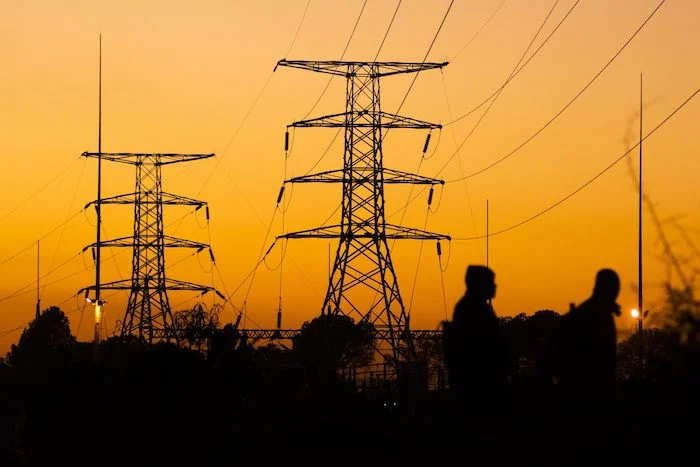
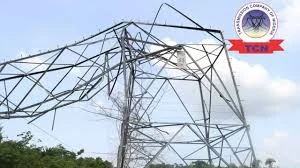
    According to the Transmission Company of Nigeria (TCN) more than 18 transmission towers were vandalised between Jan 9 and Jan 14 across Rivers, Abia, and Kano states.

    Mrs Ndidi Mbah, General Manager, Public Affairs,  TCN said this in a statement in Abuja on Sunday.

    Mbah said that Mr  Emmanuel Okpa, General Manager, Transmission TCN’S Port Harcourt Region, reported that routine patrols by linesmen on Jan. 10,  uncovered damage to towers 171 through towers 181 and 184.

    She said that on Jan. 14, vandals targeted towers 146, 147, and 149 along the Owerri/Ahoada 132 Kilo Volt kV line in Rivers, removing base brackets and compromising the stability of the towers.

    “In Abia State, Mr  Azuh Lucky, Head of the Lines Department for the region, reported the theft of bolts, nuts, and structural members from towers 160 to 162 on the Alaoji/Umuahia 132kV line.

    ”Meanwhile, in Kano, towers 105, 106, and 107 along the Katsina-Gazoua 132/33kV transmission line were critically damaged by vandals on Jan. 9,  compromising their structural integrity and risking collapse.

    ”In  the early hours of Jan.17,  vandalised 132kV underground transmission cables were discovered by TCN engineers near Millennium Park in Abuja. This affected power supply to the central area and its environs.

    ”These incidents pose a significant challenge to TCN’S operations as a company ” she said.

    She said that the company had bolstered security measures, increased lines patrol and the number of vigilante groups, and is also collaborating with security operatives.

    Mbah said that the company was appealing for the full support of every Nigerian, particularly those in communities hosting TCN’S installations.

    “Nigerians  must collectively recognise that the transmission network is our collective asset and essential for our socioeconomic development.

    ”The vandals and those who buy stolen materials are sabotaging the nation. All hands must be on deck to ensure the growth of the country’s power sector, which is critical to the development of our country

    ”TCN’s grid expansion plans are under tremendous strain due to the persistent vandalism of its installations,” she said.

    She said that the financial implications of constant repairs to vandalised transmission installations, along with the stress on the grid, were having adverse effects on TCNs grid expansion drive.

    ”This is a clarion call for everyone to join forces with TCN to put an end to this menace and safeguard our  electricity network,” Mbah said.

  • Petrol Price Jumps to N955/Litre at Dangote Refinery

    Petrol Price Jumps to N955/Litre at Dangote Refinery

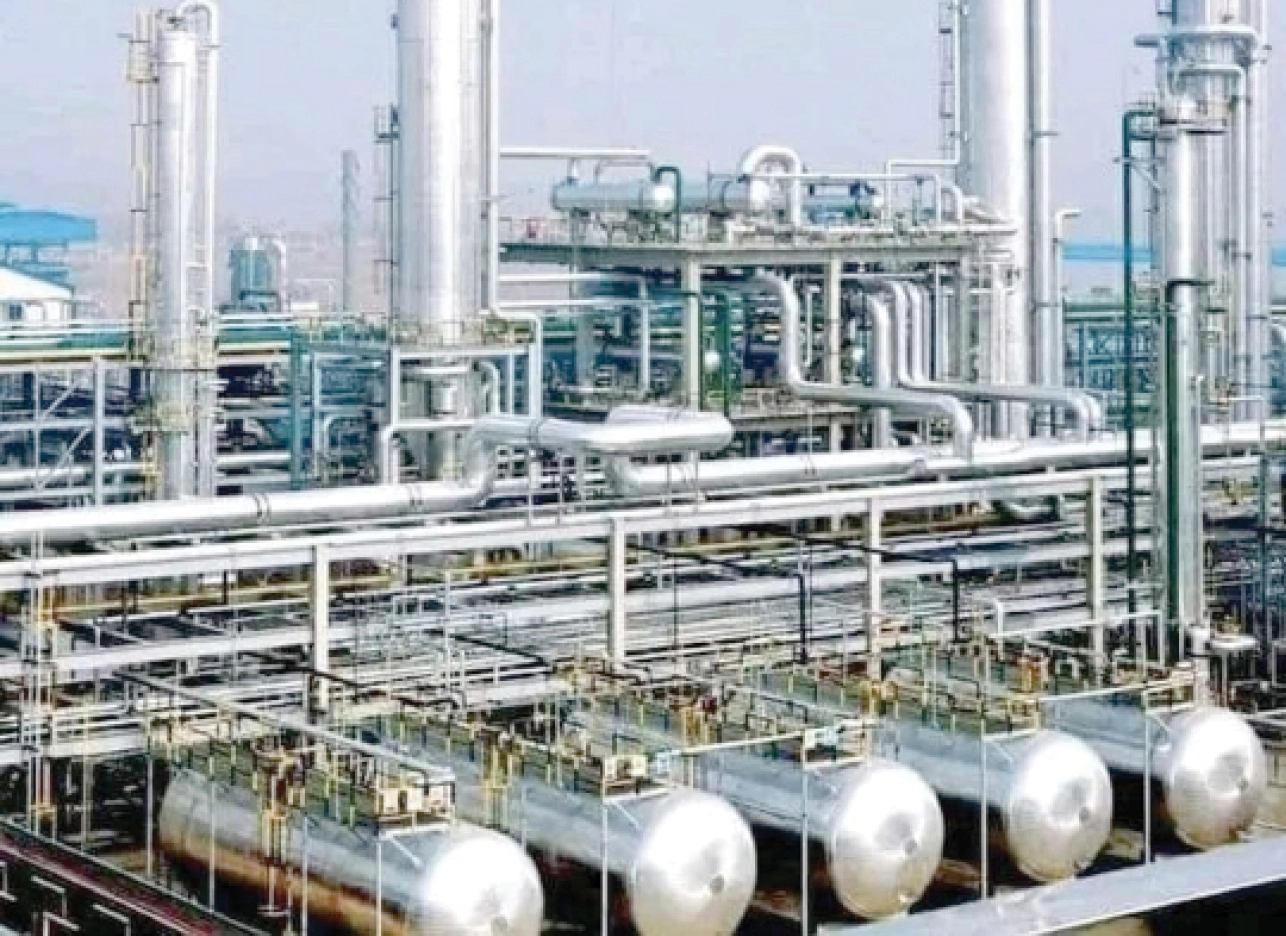
    The Dangote Petroleum Refinery has increased the price of petrol to N955 per litre. 

    This change comes into effect today, January 17, 2025, starting at 5:30 PM.  

    The new pricing applies to bulk buyers purchasing between 2 million and 4.99 million litres. 

    For those buying 5 million litres or more, the price is slightly lower at N950 per litre.  

    This marks a N55.5 increase from the discounted N899.50 per litre rate offered during December’s festive period. 

    The refinery attributed the rise to higher global crude oil prices, which have impacted production costs.  

    All pending orders and unsold stock will be subject to the revised rates.

  • Nigeria’s has added 186 new CNG conversion centres  – NMDPRA

    Nigeria’s has added 186 new CNG conversion centres – NMDPRA

    The Nigerian Midstream and Downstream Petroleum Regulatory Authority (NMDPRA) said it has established 186 new Compressed Natural Gas (CNG) conversion centres nationwide.

    NMDPRA Chief Executive, Farouk Ahmed says this represents a surge in conversion capacity of 2,500% as at the end of 2024.

    Mr. Farouk Ahmed said this on Thursday in Abuja at the inaugural Petroleum Industry Stakeholders’ Forum, organised by the Ministry of Petroleum Resources.

    Ahmed said that NMDPRA supported the Presidential Compressed Natural Gas Initiative (PCNGI) by stimulating 186 new conversion centers which triggered the county’s conversion capacity.

    “The NMDPRA will continue to collaborate with the PCNGI to ensure deployment of CNG infrastructure in major cities of Lagos and Abuja, up to 100,000 conversions, while collaborating with states to develop Nigeria Gas Vehicles (NGVs) in other areas.

    “The development of CNG as a viable alternative to Petrol has been incentivised.

    “These conversions alongside new buys have raised the Nigerian Gas Vehicles population to an estimated 30,000 to 50,000 vehicles and trucks, and it continues to grow daily.

    “With over 400 million dollars attracted for investment in 86 and 65 new daughters and mother stations under construction respectively, Nigeria refueling capacity has therefore risen from 20 to 56,” he said.

    Ahmed said that the collaboration between PCNGI, NMDPRA and Standards Organisation of Nigeria (SON) led to the development of standards and the NGV Monitoring System expected to be inaugurated this year.

    “The NMDPRA also collaborates with the SON, the National Automotive Design and Development Council (NADDC) and the National Institute of Transportation Technology (NITT) in ensuring that our mobility CNG growth is achieved in a safe and sustainable manner,” he said.

    The NMDPRA boss, however, listed some challenges facing the initiative to include establishment and operation of petroleum handling facilities without proper licensing, permits and authorisations.

    He listed other challenges to include poor collaborations for Open/ third party access to facilities and lack of cooperation of some operators for an effective regulatory oversight, in line with the Petroleum Industry Act (PIA) provisions.

    “We implore the industry to adhere to all regulatory requirements, especially as they relate to safety, efficiency, best practices, sustainability, consumer protection and community participation.

    “As we progress into 2025, the NMDPRA will continue to consolidate on its successes for enhanced regulatory oversight.

    “This will include the upgrade of our laboratories for enhanced product quality analysis and referencing, inter-agency collaborations, automation and sustainability in the industry,” Ahmed said.

  • FIRS gets plaudits from NASS for collecting N21.6trn in tax revenue

    FIRS gets plaudits from NASS for collecting N21.6trn in tax revenue

    The amount collected is N2.2trillion higher than the N19.4trillion collection target the Federal Inland Revenue Service (FIRS) set for itself for 2024.

    The National Assembly has therefore, lauded the Executive Chairman of FIRS, Mr Zacch Adedeji, for exceeding the 2024 revenue collection target of N19.4 trillion.

    FIRS generated N21.6 trillion, surpassing the target by N2.2 trillion.

    The commendation came during a meeting on Wednesday in Abuja, where the FIRS chairman appeared before the joint committee on Finance to defend the service’s revenue projections for 2025.

    The committee proposed a N25 trillion revenue generation target for FIRS in the coming fiscal year.

    Deputy Chairman of the House of Representatives Committee on Finance, Saidu Abdullahi, was the first to commend Adedeji’s performance, calling it “unprecedented” and “worthy of commendation.”

    “The feat achieved by FIRS in revenue collection for 2024 was unprecedented and truly commendable.

    “Surpassing the target set for the agency in the 2024 Appropriation Act, from N19.4 trillion to N21.6 trillion, is both encouraging and impressive,” he said.

    He encouraged the FIRS to study the tax collection methods of South Africa, which generated higher tax revenue, and to focus on expanding the taxable base to include more informal sector workers.

    Sen. Joel Onowakpo emphasised that tax collection was a global norm, and advised the committee to raise FIRS’s projected 2025 revenue target to N30 trillion.

    Similarly, Sen. Binos Yeroe lauded Adedeji’s innovative approach in surpassing the 2024 target.

    “Your performance in 2024 was highly commendable, and I hope you continue to maintain this level of success,” he said.

    Rep. Etanabene Benedict suggested aiming for N60 trillion in 2025 to avoid borrowing.

    Committee chairmen also supported the proposed N25 trillion revenue goal for 2025; with Sen. Sani Musa stating that it was both “achievable and surpassable.”

  • CBN sanctions 9 banks for failing to dispense cash via ATMs

    CBN sanctions 9 banks for failing to dispense cash via ATMs

    Often dispensed in dirty and tattered notes, yet the Naira, our local currency was quite scarce during last Christmas holidays as many bank Automated Teller Machines (ATMs) failed to avail Nigerians access to cash. Not a few suspected sabotage by the banks as Point of Sale (POS) operators came to the rescue. The verdict is in.

    The Central Bank of Nigeria (CBN) says it has sanctioned some Deposit Money Banks (DMBs) for failing to make Naira notes available through automated teller machines (ATMs), during the yuletide season.

    According to a statement by Hakama Sidi-Ali, CBN’s Director, Corporate Communications Department, this is a clear message of zero tolerance for cash flow disruptions.

    The affected banks are Fidelity Bank Plc, First Bank Plc, Keystone Bank Plc, Union Bank Plc, Globus Bank Plc, Providus Bank Plc, Zenith Bank Plc, United Bank for Africa Plc, and Sterling Bank Plc.

    Sidi-Ali said that each of the banks was fined N150 million for non-compliance, in line with the CBN’s cash distribution guidelines, following spot checks on their branches.

    She said that the enforcement action followed repeated warnings from the CBN to financial institutions to guarantee seamless cash availability, particularly during periods of high demand.

    “Communication with the banks revealed that the fines would be debited directly from their accounts with the apex bank.

    “Ensuring seamless cash flow is paramount to maintaining public trust and economic stability.

    “The CBN will not hesitate to impose further sanctions on any institution found violating its cash circulation guidelines,” she said.

    She said the CBN’s investigations and monitoring would continue to scrutinise cash hoarding and rationing, both at bank branches and by Point-of-Sale (POS) operators.

    She added that the CBN was working with security agencies to crack down on illegal cash sales and operational violations, including enforcing POS operators’ daily cumulative withdrawal limit of N1.2 million.

    She urged all financial institutions to comply with its guidelines, warning that further violations would attract swift and decisive sanctions.

    The CBN Governor, Yemi Cardoso, had earlier warned banks to strictly adhere to cash distribution policies or face severe penalties.

    Cardoso gave the warning in his address at the Annual Bankers’ Dinner of the Chartered Institute of Bankers of Nigeria (CIBN) in Nov., 2024.

    He underscored the apex bank’s commitment to maintaining a robust cash buffer to meet the need of Nigerians.

    “Our focus remains on fostering trust, ensuring stability, and guaranteeing seamless cash circulation across the financial system,” Cardoso had said.