

Category: Economy

  • Dangote Refinery Clears Air On NNPC’s $1 Billion Stake

    Dangote Refinery Clears Air On NNPC’s $1 Billion Stake

    Dangote Refinery has clarified that the $1 billion loan secured by the Nigerian National Petroleum Company Limited (NNPC Ltd) was not used to resolve liquidity issues, but was an investment to acquire a 7.24% share in the refinery.

    This response follows claims by NNPC’s Olufemi Soneye, who suggested the loan helped overcome financial difficulties for the refinery. 

    According to Dangote Refinery, the $1 billion represents only about 5% of the total investment in the project, and the partnership was structured around the sale of a 20% stake for $2.76 billion, with favorable payment terms.

    The refinery further explained that NNPC’s equity share was reduced due to its inability to fulfill a crude oil supply agreement.

     As a result, NNPC’s stake was adjusted to 7.24% after missing a payment deadline in June 2024. 

    The refinery emphasized that the investment was aimed at acquiring ownership, benefiting both parties, and not as a response to liquidity challenges.

  • Reps Demand Detailed Report on NUPRC’s Oil Operations, Revenue

    Reps Demand Detailed Report on NUPRC’s Oil Operations, Revenue

    The House of Representatives has directed the Nigeria Upstream Petroleum Regulatory Commission (NUPRC) to provide a detailed account of its oil production, sales, and overall operations.

     The order came after discussions during a joint session of the House Committees on Finance and National Planning, which focused on the 2025-2027 Medium Term Expenditure Framework and Fiscal Strategy Paper.

    During the meeting, NUPRC’s management team, including CEO Gbenga Komolafe, presented information on the commission’s revenue sources.

     These include oil and gas royalties, concession rentals, gas penalties, and other miscellaneous fees. 

    Komolafe also shared that the NUPRC receives 4% of the total revenue collected for the government, which amounted to ₦114.84 billion in 2023, up slightly from the previous year.

    However, concerns were raised by Rep. James Faleke, Chairman of the Finance Committee, who questioned the high personnel and overhead costs within the commission. 

    Despite a slight increase in the commission’s budget, expenses related to staff salaries and operations raised eyebrows. 

    Faleke further demanded a complete record of oil production per well, including daily output, from NUPRC for further examination.

  • Nigeria’s Power Grid Collapses for the Umpteenth Time

    Nigeria’s Power Grid Collapses for the Umpteenth Time

    Unstable and highly epileptic, Nigeria’s power grid collapsed again today, making it the twelfth time this year alone.

    The incident, reported at 2:09 PM, led to widespread power outages across the country.  

    The Abuja Electricity Distribution Company (AEDC) acknowledged the issue, attributing the outage to grid maintenance scheduled to last an hour.

     The company assured customers that efforts were underway to restore supply and called for patience during the repair process.  

    This recurring issue continues to affect businesses and households, raising concerns about the stability of the power infrastructure.

    Notorious for unstable service and exorbitant rates, Nigeria’s power supply system has been a major obstacle to the nation’s industrial development.

    In April this year, the National Electricity Regulatory Commission (NERC) raised the electricity tariff for Band A customers from N68/kWh to N225/kWh, representing about a 240 per cent increase.

  • PETROAN, Dangote Join Forces to Secure Holiday Fuel Supply

    PETROAN, Dangote Join Forces to Secure Holiday Fuel Supply

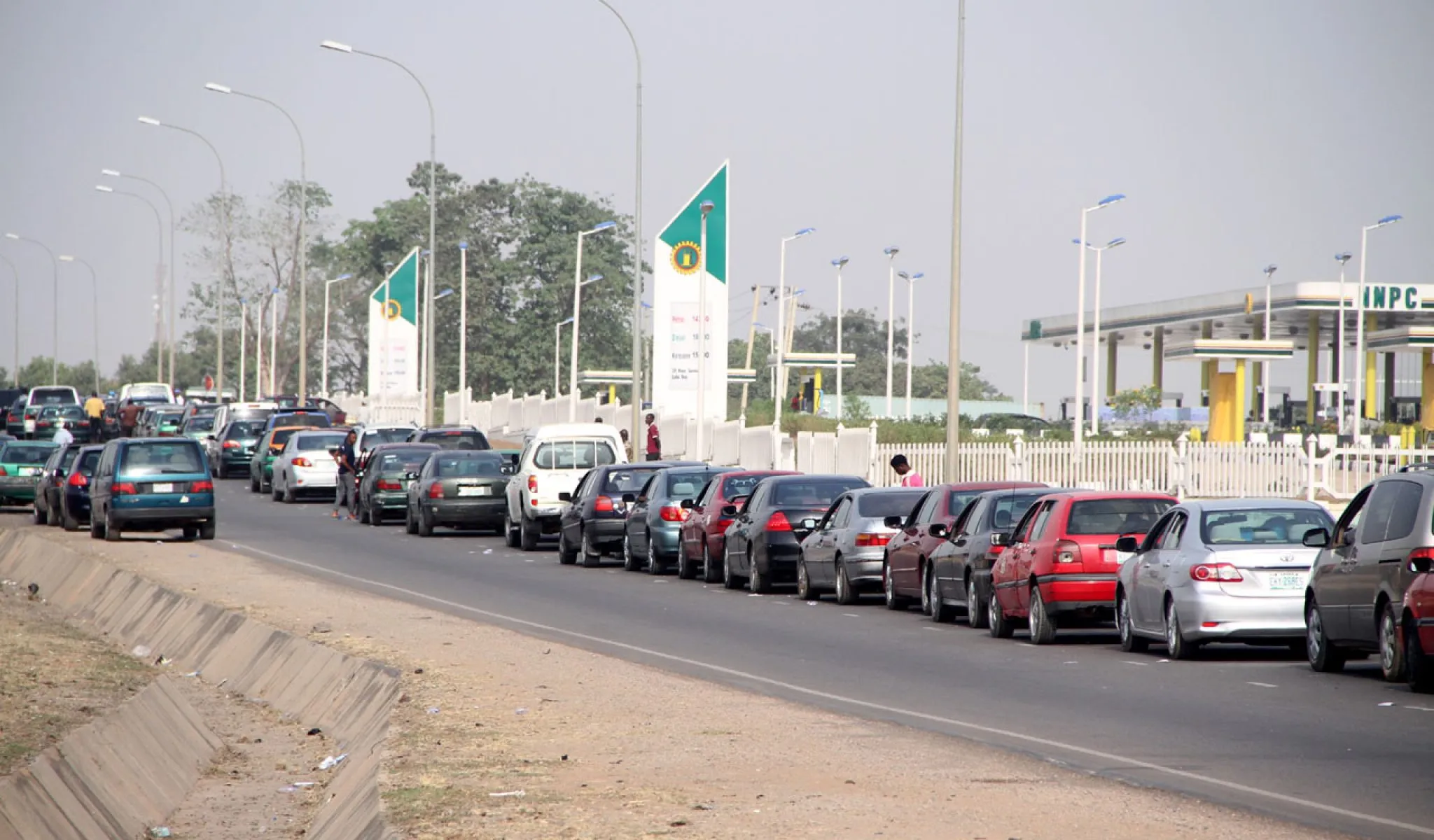
    The Petroleum Products Retail Outlet Owners Association of Nigeria (PETROAN) has teamed up with Dangote Refinery to guarantee a stable supply of petrol during the festive season and afterward.

    At a meeting at the Dangote Refinery complex in Lagos, PETROAN leaders finalized plans to prevent fuel shortages across the country.

     This collaboration includes monthly fuel allocations for PETROAN members, flexible payment terms, and competitive pricing, aimed at making petrol available and affordable for Nigerians.

    PETROAN assured citizens that measures have been implemented to avert fuel scarcity, thanks to joint efforts with Dangote Refinery and the resumed operations of the Port Harcourt refinery.

     The association also urged Nigerians to refrain from panic buying, emphasizing that hoarding petrol at home is unsafe.

    All PETROAN outlets nationwide are on standby to maintain uninterrupted service, reinforcing the association’s commitment to ensuring smooth fuel distribution throughout the holiday season and beyond.

  • PH Refinery: Tinubu Celebrates Restart, Urges Action on Others

    PH Refinery: Tinubu Celebrates Restart, Urges Action on Others

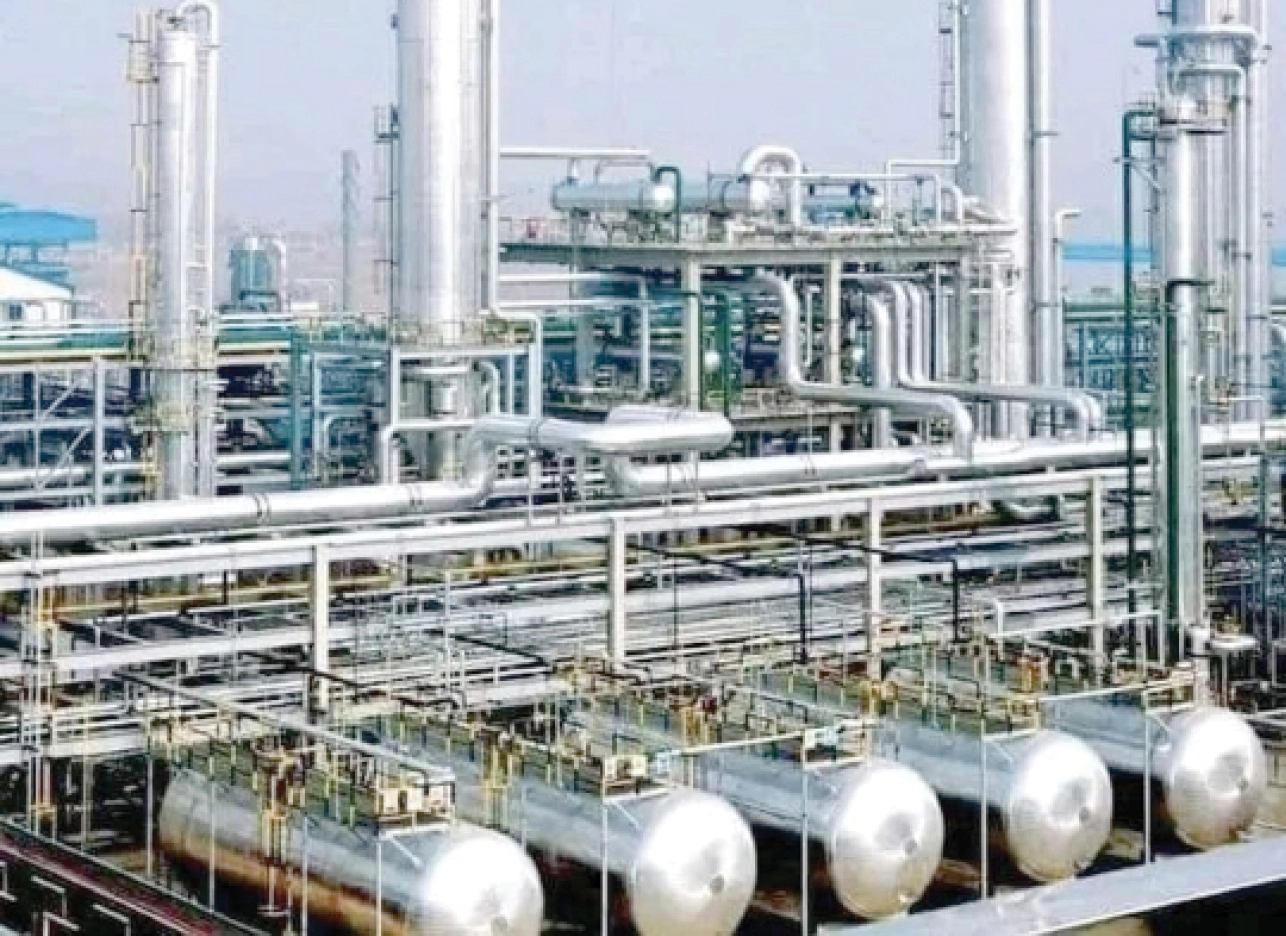
    The jinx has been broken, President Bola Tinubu congratulates the Nigeria National Petroleum Company Limited (NNPCL) for restarting the old Port Harcourt refinery, 28 years after the nation’s refineries topped production.

    As of today, November 26, 2024, the loading of refined petroleum products from the facility shall commence. 

    This achievement follows the efforts of former President Muhammadu Buhari, who initiated the refinery’s overhaul, and was supported by the African Export-Import Bank’s financing.

    The President also commended NNPCL’s Group Chief Executive Officer, Mele Kyari, for his leadership in overcoming obstacles during the process.

     He called on NNPCL to quickly focus on reviving the Warri and Kaduna refineries, alongside the second Port Harcourt plant, to boost domestic production and strengthen Nigeria’s position as an energy hub. 

    READ ALSO:

    This move, along with private sector involvement, is expected to enhance the country’s refining capacity.

    President Tinubu reaffirmed his commitment to restoring Nigeria’s refineries, aiming to address the longstanding issue of the country’s reliance on imported refined products despite being a major oil producer.

     He also emphasized the importance of integrity, accountability, and focus in the execution of national projects, aligning with his administration’s Renewed Hope Agenda for economic prosperity and energy security.

    The old Port Harcourt refinery, situated in Nigeria’s oil-rich Niger Delta region, has been in operation since 1965, but later became moribund for several years.

  • FG To Continue Borrowing Despite Rise In Revenue

    FG To Continue Borrowing Despite Rise In Revenue

    Despite the appreciable rise in revenue, the Federal Government has insisted that borrowing remains necessary to fund key policies.

     Finance Minister Wale Edun and Budget Minister Atiku Bagudu disclosed this at a recent Senate meeting, where they outlined plans for managing Nigeria’s fiscal challenges in the coming years.

    Edun recognized the improvements in the country’s revenue collection but emphasized that these gains would not be enough to fully fund the government’s ambitious development agenda.

    He noted that additional loans would be required to support a range of initiatives, including infrastructure projects and essential social services such as healthcare and education.

    In particular, Edun highlighted the need for borrowing to address social safety nets designed to assist the most vulnerable Nigerians. 

    READ ALSO: EBONYI STATE GOVERNOR SUSPENDS TWO COMMISSIONERS, OTHERS

    He stressed that the government’s borrowing strategy would be aimed at ensuring sustainable economic growth, with a clear focus on meeting both immediate and long-term needs.

    Bagudu, for his part, pointed out that the government’s borrowing plans are designed to cover a deficit in the ₦35.5 trillion 2024 budget, which includes provisions for tackling poverty and promoting economic productivity. 

    He also referenced Nigeria’s long-term development goals, including increasing the GDP per capita to $33,000 by 2050, a vision that will require careful financial planning and, at least in the short term, more borrowing.

    While this strategy reflects the government’s determination to push forward with its development goals, it also raises concerns about the sustainability of Nigeria’s increasing national debt and the potential impact on future generations.

    Analysts argue that such borrowing must be committed to funding projects with capacity for repaying the loans.

  • Presidency Confirms Restart of Port Harcourt Refinery, Says 200 Trucks Set To Load Petrol

    Presidency Confirms Restart of Port Harcourt Refinery, Says 200 Trucks Set To Load Petrol

    The Presidency has confirmed the official start of operations at the Port Harcourt Refinery, with plans for around 200 trucks to begin transporting petroleum products daily from the facility.

     This marks a key development in Nigeria’s energy sector, as the refinery’s restart is set to boost fuel distribution across the country.

    A statement from the Presidency, shared by spokesperson Sunday Dare, highlighted the refinery’s crucial role in meeting Nigeria’s growing energy demands. 

    The refinery, now operating at a capacity of 60,000 barrels per day, will contribute significantly to the country’s energy security.

    The Nigerian National Petroleum Company Limited (NNPCL) had earlier reported the activation of crude oil processing at the refinery. 

    According to NNPCL’s communications officer, Olufemi Soneye, this marks a new chapter for Nigeria’s energy independence and economic growth.

     The refinery’s operation is seen as a positive step toward reducing reliance on imported fuel and strengthening the nation’s energy infrastructure.

  • Finally, Port-Harcourt Refinery Resumes Production 

    Finally, Port-Harcourt Refinery Resumes Production 

    The Port Harcourt Refinery has resumed operations, with crude oil now being processed at 60% of its full capacity. 

    This long-anticipated breakthrough is a major development in Nigeria’s oil and gas sector, addressing years of dependency on fuel imports.

    Managed by the Nigeria National Petroleum Company Limited (NNPCL), the refinery faced multiple setbacks earlier in the year, with scheduled operational dates in March, August, and September failing to materialize.

     The successful start of operations marks a fresh chapter for the facility, which has long been seen as a cornerstone of Nigeria’s energy framework.

    Beyond its immediate impact on oil refining, the refinery’s reopening is expected to contribute significantly to economic growth by reducing fuel import costs, stabilizing supply chains, and fostering industrial development. 

    ALSO READ: Singer, Yemi Alade, Excited as She Makes Nnollywood Debut

    The NNPCL’s leadership has been credited with ensuring this project reaches fruition, with a focus on delivering long-term benefits to the country.

    This development positions Nigeria closer to achieving greater energy autonomy and economic sustainability, leveraging its abundant crude oil reserves to meet domestic demands.

  • NBS Q3 GDP Growth Report Excites President Tinubu

    NBS Q3 GDP Growth Report Excites President Tinubu

    President Bola Tinubu has reacted positively to Nigeria’s economic growth report for the third quarter of 2024, released by the National Bureau of Statistics. 

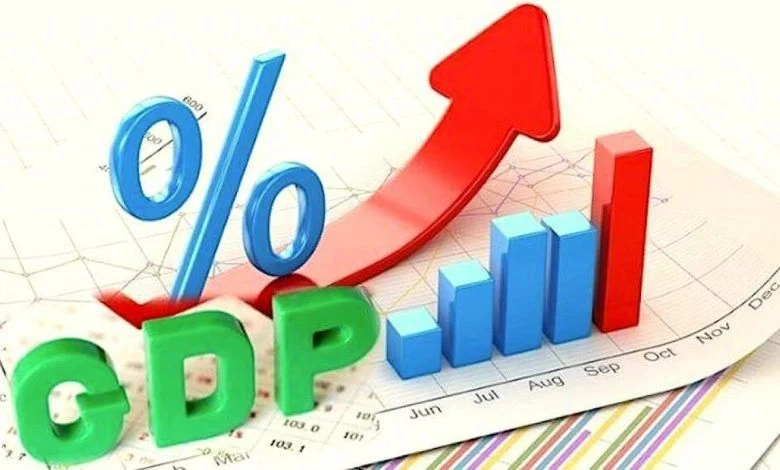
    The report revealed a 3.46% GDP increase, marking a year-on-year improvement that surpassed earlier projections.

    The presidency attributed this growth to key sectors such as agriculture, ICT, trade, and manufacturing, which collectively played a significant role in driving the economy forward. 

    Tinubu reiterated his administration’s commitment to ensuring that these gains translate into better living standards for Nigerians.

    The government highlighted ongoing economic reforms, including proposed tax changes aimed at reducing burdens on small businesses and fostering a more equitable tax system. 

    These initiatives are part of a broader strategy to achieve Tinubu’s vision of a $1 trillion economy by 2030.

    As Nigeria prepares to rebase its economy in early 2025, officials anticipate that recent advancements across various industries will further position the nation for sustainable growth and shared prosperity.

  • Nigeria’s Economy Sees Robust Growth in Q3, 2024

    Nigeria’s Economy Sees Robust Growth in Q3, 2024

    The Nigerian economy has experienced an appreciable 0.27 percent expansion, hitting 3.46% in Q3 instead of 3.19% it averaged in Q2 of 2024.

    Latest data released by the National Bureau of Statistics (NBS) on reveals a consistent upward trend in the economy, surpassing the growth rate of 2.54% seen in Q3 2023. 

    Additionally, the current quarter also outperformed Q2, 2024, which had seen a growth of 3.19%.

    In real terms, the GDP stood at N20.1 trillion, reflecting an increase from N18.2 trillion in Q2 2024 and N19.4 trillion in Q3 2023. 

    The services sector played a crucial role in this performance, driving growth with a 5.19% increase and contributing 53.58% of the total GDP.

    PLEASE READ: FMBN SECURES N100BN OFFTAKER GUARANTEE FOR KARSANA RENEWED HOPE CITY PROJECT, ABUJA

    The data further revealed that the nominal GDP for Q3 2024 reached N71.1 trillion, marking a 17.26% increase from N60.6 trillion in the same quarter of the previous year.

     This surge signifies a robust recovery and positive economic momentum.

    Among the key sectors driving the economy, crop production contributed 26.51%, trade accounted for 14.78%, and telecommunications made up 13.94%. 

    The oil sector also showed improvement, recording a 5.17% growth compared to a negative growth rate of -0.85% in Q3 2023, although it was slightly lower than the 10.15% increase seen in Q2 2024.

    Nigeria’s oil output for Q3 2024 stood at an average of 1.47 million barrels per day (mbpd), marking a slight increase from 1.45 mbpd in the same quarter of the previous year and surpassing the 1.41 mbpd recorded in Q2 2024.

    Despite a strong performance in the oil sector, the non-oil economy remains the dominant driver of Nigeria’s GDP, contributing 94.43% in Q3 2024. 

    The non-oil sector’s contribution has slightly decreased compared to 94.52% in Q3 2023, though it remains higher than the 94.30% seen in Q2 2024. Key areas like agriculture, trade, and services have fueled this growth.