
Category: Economy

  • EFCC Arrests Chinese Nationals, Nigerians Over Illegal Solid Minerals Export in Enugu

    EFCC Arrests Chinese Nationals, Nigerians Over Illegal Solid Minerals Export in Enugu

    In a timely move aimed stemming ongoing solid mineral heist, the Economic and Financial Crimes Commission (EFCC), Friday, announced the arrest of two Chinese nationals and Nigerians, attempting to illegally export solid minerals out of Nigeria.

    The suspects, identified as Wang Jiang, Wang Richard, Donatus Agupusi, and Michael Benneth Agu, were apprehended due to the lack of necessary export permits, as confirmed by Dele Oyewale, Head of Media and Publicity at the EFCC.

    Wang Jiang was arrested at the Akanu Ibiam International Airport in Enugu after security screenings uncovered suspicious stones in his luggage, believed to be solid minerals.

    Following this, further arrests were made at the EFCC’s Enugu Zonal Directorate, where Agupusi and Agu were taken into custody.

    The arrests came after a tip-off from the Federal Airports Authority of Nigeria (FAAN) on November 3, 2024, regarding Jiang’s attempt to smuggle the minerals out of the country.

    Initial investigations revealed that Agupusi, the owner of Great Wall Construction Limited, had employed the other suspects, and that Jiang was attempting to ship the minerals to China for testing.

    None of the suspects were in possession of the necessary legal documentation to export the minerals.

    The EFCC has assured the public that all suspects will face legal proceedings once the investigation is concluded.

    The agency emphasized that these arrests are part of its ongoing efforts to combat illegal mining and the unauthorized exportation of Nigeria’s mineral resources.

    This follows similar previous actions by the EFCC, such as the arrest of two Chinese nationals, Yang Chao and Xiao Jiang, in Ilorin for their suspected involvement in illegal mining activities.

    The EFCC continues to prioritize the protection of Nigeria’s natural resources and the prevention of illegal exploitation.

    INTERESTING READ: STOP THE IN-FIGHTING AT FUHSO

  • Nigerian Government Reacts As Malaysia Plans To Phase Out CNG 

    Nigerian Government Reacts As Malaysia Plans To Phase Out CNG 

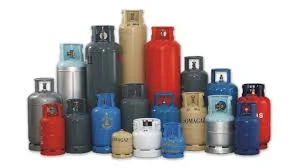
    The Malaysian government has announced its decision to phase out compressed natural gas (CNG) vehicles by July 1, 2025, marking the end of CNG vehicle registrations. 

    The move also includes halting the sale of natural gas vehicles (NGV), which include both CNG and liquefied petroleum gas (LPG)-powered vehicles. 

    Transport Minister Loke Siew Fook shared concerns over the safety risks posed by LPG cylinders, particularly in modified vehicles, which have been involved in explosions during accidents.

     These concerns have led the government to prioritize public safety, especially regarding older CNG cylinders, some of which are over 15 years old.

    In response to the announcement, Bayo Onanuga, Special Adviser to Nigeria’s President Bola Tinubu, clarified that Malaysia’s focus is more on the safety issues surrounding LPG rather than CNG itself. 

    He pointed out that while Malaysia has struggled to transition successfully away from petrol and diesel, Nigeria’s move toward CNG remains distinct due to its focus on safety and cost-effectiveness.

     Onanuga also noted that Nigeria is already developing the necessary infrastructure, including tank manufacturing, to ensure a safer and more sustainable CNG transition.

    The statement released by Onanuga on x (formerly known as Twitter) reads, “Some clarification on the plan by Malaysia to phase out CNG powered vehicles:

    “1. The Malaysian issue speaks more to the safety of LPG NOT safety of CNG. In the original report, government transport minister Anthony Loke said:

    “There are also some car owners who have modified their vehicles using liquefied petroleum gas (LPG) cylinders, which are very dangerous.

    “The report also spoke about the safety of 15 year-old CNG cylinders.

    “2. NGV covers both CNG and LPG. Nigeria in its transition has adopted CNG ONLY not both because of LPG valid safety and cost concerns

    “3.Malaysia basically had an unsuccessful transition away from costly and dirtier petrol and diesel.

    “Conversion of 45,000 vehicles in 15 years (less than 0.2%) is not enviable unlike India, China, Iran and Egypt.

    “The end of 15 year CNG tank cycle means they need to replace tanks and it was easier/cheaper to scrap their program and continue with their petrol than to do so if they had not built tank manufacturing capacity which Nigeria is already developing in year one.”

  • Another Grid Collapse Hits Nigeria

    Another Grid Collapse Hits Nigeria

    Nigeria faces yet another nationwide power outage following the collapse of its national grid, marking the twelfth disruption in less than a year.

    This incident, occurring at 11:29 a.m. on November 7, is the second within a week, raising fresh concerns about the reliability of the country’s power infrastructure.

    The Ikeja Electricity Distribution Company (IKEDC) acknowledged the system failure, informing customers that supply disruptions are widespread.

    Efforts to restore electricity are reportedly underway, though no specific timeline has been provided.

    So far, the Transmission Company of Nigeria has not disclosed the cause of the latest grid failure.

    The recurring outages continue to impact households and businesses, with stakeholders scrambling to resolve the persistent challenges.

  • Nigeria’s Economic Revival Underway, Says Finance Minister Edun

    Nigeria’s Economic Revival Underway, Says Finance Minister Edun

    The Nigerian government is advancing with a range of economic reforms initiated by President Bola Tinubu, according to Finance Minister Wale Edun.

    During a ceremony in Abuja welcoming Dr. Doris Uzoka-Anite as the new Minister of State for Finance, Edun emphasized that recent policy changes, such as fuel subsidy removal and a flexible foreign exchange system are designed to reshape Nigeria’s economic landscape.

    These reforms mark a pivotal shift aimed at increasing the nation’s appeal to investors, which in turn is expected to boost productivity, drive GDP growth, create jobs, and reduce poverty.

    The policies address longstanding economic issues that past administrations hesitated to tackle, aligning prices with market realities to strengthen the economy’s foundation.

    Edun expressed optimism about Dr. Uzoka-Anite’s appointment, citing her expertise and dedication as valuable assets to the Finance Ministry’s mission.

    This collaboration, he noted, would bring cohesion in achieving the administration’s economic vision.

    Dr. Uzoka-Anite shared her commitment to aiding these efforts, acknowledging the significant responsibilities she now undertakes in building Nigeria’s financial stability.

    With the Finance Ministry’s strengthened team, the government is poised to continue these strategic economic adjustments, anticipating sustained progress for the benefit of Nigerians nationwide.

  • Human Capital Development: Vice President Shettima Launches HCD 2.0 Strategy

    Human Capital Development: Vice President Shettima Launches HCD 2.0 Strategy

    Enam Obiosio

    In a gathering that underscored Nigeria’s commitment to human capital transformation, Vice President Kashim Shettima recently addressed members of the Steering Committee of the Human Capital Development (HCD) Programme at the State House, Abuja.

    The event marked the launch of HCD 2.0, a comprehensive strategy aimed at advancing health, education, and economic inclusion for every Nigerian. He emphasized that HCD 2.0 is not merely an initiative but a national commitment to foster a healthier, more educated, and inclusive society.

    “This day is more than a milestone; it is the beginning of a new phase,” the Vice President declared, highlighting the significance of the new strategy. “We have laid a strong foundation, and now, we officially launch the second phase of the Human Capital Development strategy—HCD 2.0.” This next phase, Vice President Shettima noted, represents a strengthened blueprint and a vision for Nigeria’s future that addresses the evolving challenges in healthcare, education, and economic inclusivity.

    Vice President Shettima recounted the journey leading up to this moment. In 2018, Nigeria faced a stark reality when its global ranking in human capital development revealed significant deficits in health, education, and employment. To counter these challenges, the Nigerian government introduced HCD 1.0, establishing foundational structures and rallying stakeholders from across the nation in pursuit of a unified goal: a healthy, educated, and productive Nigeria by 2030.

    The HCD 2.0, however, is designed to build upon this groundwork by adapting to the rapidly shifting global landscape. The strategy seeks to establish an equitable healthcare system, promote inclusive education, and ensure financial accessibility. “Our aim is to ensure that no Nigerian is left behind as we move toward a more inclusive, sustainable society,” he said.

    One of the core pillars of HCD 2.0 is creating a modern, equitable healthcare system accessible to all Nigerians, regardless of their location or economic circumstances. Vice President Shettima also ighlighted the introduction of digital health platforms, innovative financing, and climate-resilient practices as essential components of this improved healthcare model. “We envision a system that reaches every Nigerian,” he affirmed.

    Education remains another key focus. He emphasized that HCD 2.0 aims to foster a functional education system with a strong emphasis on digital literacy, gender equity, and financial accessibility. By prioritizing Science, Technology, Engineering, and Mathematics (STEM) education, technical and vocational training, and practical skills, the government is preparing Nigerians for a world increasingly driven by technology and green industries.

    With the rise of digital economies, HCD 2.0 seeks to bridge Nigeria’s digital divide and boost financial inclusion nationwide. Through fintech solutions, online banking, and digital payment systems, the government is creating pathways for every Nigerian to actively participate in the economy. “Our approach encompasses cross-cutting themes that are essential to the long-term impact of this programme,” Vice President Shettima remarked, emphasizing the interconnected nature of health, education, and economic inclusion.

    A critical component of HCD 2.0 is its broad governance framework, designed to foster collaboration between federal and state leaders, private sector partners, civil society, and development agencies. He affirmed that the Steering Committee, chaired by himself and including prominent public and private sector leaders, would oversee the implementation and ensure the efficient rollout of the strategy.

    Vice President Shettima lauded the contributions of the Core Working Group, the Private Sector Partners Group, and the National Champions Forum—a coalition including traditional rulers, youth ambassadors, and advocates for human capital development. Together, these groups will monitor progress, inspire engagement, and work tirelessly to deliver measurable results.

    As Nigeria inaugurates HCD 2.0, the Vice President set forth ambitious yet attainable targets. By 2030, Nigeria aims to rank among the top 80 countries on the Human Capital Index, reaching a score of 0.6. “These metrics represent more than just numbers; they signify real change in the lives of our people,” he said, pointing to improved healthcare access, enhanced educational outcomes, increased employment opportunities, and a more resilient society.

    Vice President Shettima’s speech was also a call to action for all Nigerians. He urged policymakers, community leaders, and citizens to recognize the stakes and rally behind the HCD 2.0 initiative. “This is our moment to shape the Nigeria we envision,” he concluded, extending a vision of a Nigeria that stands strong, united, and prepared to meet future challenges.

    As Nigeria embarks on this transformative journey, the HCD 2.0 strategy promises to bring the country closer to a future where every citizen can thrive in a society that values health, education, and economic inclusion. With this initiative, Nigeria reaffirms its commitment to nurturing the potential of its people and securing a legacy of progress and opportunity for future generations.

  • It is cheaper to import petrol than buy from Dangote refinery – IPMAN chieftain

    It is cheaper to import petrol than buy from Dangote refinery – IPMAN chieftain

    Yakubu Suleiman, the National Assistant Secretary of the Independent Petroleum Marketers Association of Nigeria (IPMAN) has disclosed that buying petrol is cheaper when they import than buying from Dangote Refinery.

    He recounted that as at last week, the local refinery was selling PMS at a bulk price of N995/Litre.

    Suleiman said this during an interview session he had with Arise Tv, on Friday, November 1.

    He said: “Dangote’s price is higher than other places. As at last week, Dangote gives at N995/litre and you have to bring your cargo to load.

    “How much will you pay the cargo? How much will you pay other charges to your depot? We have to pity Nigerians.

    “The Independent Petroleum Marketers Association of Nigeria (IPMAN), are trying their best to salvage this country at this particular time when people are suffering.

    “So let us go for products that are cheaper that when we sell it to the people, the people appreciates. Most people don’t understand the whole dynamics that is going on at the moment.

    “So when we go and buy the higher price we come and sell it as higher as what people are not expecting and they’ll start calling ‘IPMAN’. We are tired.

    “If people understand the dynamics they will have praised IPMAN, because we are truly patriotic to Nigerians.”

  • NEC Directs Waterways and Dams Audit to Tackle Flooding 

    NEC Directs Waterways and Dams Audit to Tackle Flooding 

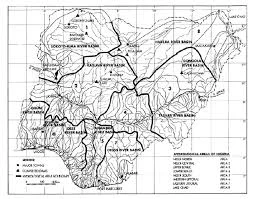
    One of the forward looking decisions taken at the recent 145th meeting of the National Economic Council (NEC) was the order for the audit of all inland waterways.

    At the meeting presided by the Vice President, Senator Kashim Shettima the federal ministry of water resources and sanitation was instructed to carry out an in-depth assessment of Nigeria’s waterways and dams to manage the challenges posed by frequent floods.

     This directive, following a NEC meeting led by Vice President Kashim Shettima, reflects the council’s concern over widespread flood damage.

    Anambra State Governor, Chukwuma Soludo, shared details from the NEC meeting, where members reviewed recent updates from the water resources minister, Joseph Utsev, on ongoing federal interventions. 

    With many regions, especially in the South-East and South-South, heavily impacted by floods, NEC harped on the need to consider these areas in dam construction plans to help manage water flow and act as barriers on main highways near the River Niger.

    The council also urged state governors who have yet to submit flood management reports to complete this process promptly. 

    A call was made for enhanced emergency response coordination between states and federal authorities, which includes a possible infrastructure resilience plan within the Green Climate Fund to boost national flood response efforts.

    The devastation from recent floods has been extensive, affecting about 34 states, 217 local governments, and displacing over 740,000 residents.

  • Dangote Refinery counters IPMAN on challenges faced loading its petrol

    Dangote Refinery counters IPMAN on challenges faced loading its petrol

    The Dangote Petroleum Refinery has said that it is misleading to suggest that the Independent Petroleum Marketers Association of Nigeria (IPMAN) are experiencing difficulties loading refined products from its refinery.

    The company’s statement signed by its Group Chief Branding and Communications Officer, Anthony Chiejina, on Thursday, was in response to a claim by IPMAN on Wednesday that its members can’t load petrol from the Dangote Refinery in Lagos despite having paid ₦40bn to the Nigerian National Petroleum Company Limited (NNPCL).

    IPMAN President Abubakar Garima, who stated this on Channels Television’s Sunrise Daily programme, expressed surprise that Aliko Dangote, the owner of the $20bn refinery, said marketers were boycotting his refinery to buy imported petrol.

    However, the Dangote Refinery in its statement clarified that it has not received any payments from IPMAN to purchase refined petroleum products.

    It stated that although discussions are ongoing with IPMAN, “it is misleading to suggest that they (IPMAN Members) are experiencing difficulties loading refined products from our Petroleum Refinery, as we currently have no direct business dealings with them.”

    Consequently, the company said it cannot be held responsible for any payments made to other entities, as the payment in mention has been made through NNPCL, and not Dangote Refinery.It added that in the same vein, NNPCL has neither approved, nor authorised the company to release our Premium Motor Spirit (PMS) to IPMAN.

    While emphasizing that it can meet Nigeria’s demand for all petroleum products, Dangote Refinery advised IPMAN to register directly with the company and make payments for petroleum products.

    “We would like to emphasise that we can meet the nation’s demand for all petroleum products, including petrol, diesel, and aviation fuel.

    At present, we can load 2,900 trucks per day and we have also been evacuating petroleum products by sea.

    We advise IPMAN to register with us and make direct payment as we have more than enough petroleum products to satisfy the needs of their members.

    “Furthermore, we believe it is instructive for all stakeholders to refrain from making unfounded statements in the media, as that could undermine the economic re-engineering efforts of His Excellency, President Bola Ahmed Tinubu.

    Conducting business through public speculation is counterproductive and unpatriotic.

    “In the interest of our country, we encourage all stakeholders to collaborate and heed the advice of President Tinubu, while promoting a unified approach, rather than engaging in media conflicts and needless propaganda,” the statement read in part.

  • NLNG Unveils New Brand Identity

    NLNG Unveils New Brand Identity

    Nigeria LNG Limited has announced a rebranding initiative featuring a new logo aimed at enhancing energy supply to Nigerians and global customers. 

    The unveiling took place during a press briefing in Lagos, where the company also confirmed the retirement of Andy Odeh, the General Manager of External Relations and Sustainable Development. He will be succeeded by Mrs. Sophia Horsfall.

    The new branding reflects NLNG’s commitment to innovation and sustainability, positioning the company as more than just a gas supplier but as a comprehensive energy provider dedicated to promoting a greener environment. 

    Odeh expressed gratitude for the media’s support throughout his 26-year tenure and requested the same for his successor.

    Horsfall highlighted that the rebranding signifies a commitment to providing clean, accessible, and reliable energy. She emphasized the importance of media collaboration in shaping public perception and fostering trust. 

    As she steps into her new role, she aims to strengthen partnerships with the media to enhance NLNG’s influence and aspirations.

  • Shettima Presides Over 145th NEC Meeting as Peter Obi berates call for a new aircraft for VP

    Shettima Presides Over 145th NEC Meeting as Peter Obi berates call for a new aircraft for VP

    Nigeria Vice President, Senator Kashim Shettima on Thursday, presided over the One hundred and Forty-fifth National Economic Council (NEC) meeting at the Council Chamber of the Presidential Villa in Abuja.

    Various state governors, Ministers, and other stakeholders were in attendance at the meeting.

    Thursday’s meeting is the seventh in the year 2024 and focuses on preferring robust solutions to the current economic challenges facing the nation.

    Meanwhile, the Labour Party (LP) presidential candidate in the 2023 election, Peter Obi, has berated the Speaker of the Borno State House of Assembly, Abdulkareem Lawan, over the demand for a new aircraft for the Vice President, Kashim Shettima.

    Lawan highlighted that the Vice President’s life is endangered by the recurrent use of a “faulty” presidential aircraft for international commitments.

    This alarm was raised following Vice President Shettima’s abrupt cancellation of his scheduled appearance at the Commonwealth Summit in Samoa.

    In a statement via X, Peter Obi stated that the demand for a new aircraft for Shettima shows the Speaker is insensitive and unconcerned about the prevailing economic situation in the country.

    Peter Obi noted that issues that will benefit the masses should preoccupy leaders rather than being consumed by selfish desires for needless luxury at the expense of the people.