
Category: News

  • Tinubu: Nigeria to End Multiple Budgets by April 2026

    Tinubu: Nigeria to End Multiple Budgets by April 2026

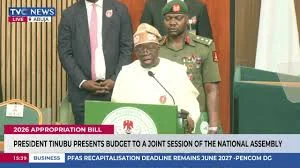
    President Bola Ahmed Tinubu has announced that Nigeria will end the practice of running multiple budgets by March 31, 2026, transitioning fully to a single annual budget supported by a single revenue cycle from April 2026.

    The president made this known on Friday while presenting the 2026 Appropriation Bill of ₦58.18 trillion to a joint session of the National Assembly in Abuja.

    The budget, titled “Budget of Consolidation, Renewed Resilience and Shared Prosperity,” aims to address longstanding fiscal challenges and deepen ongoing economic reforms.

    Tinubu said the multiple-budget system—characterised by inherited obligations, abandoned projects, and unpaid contractual liabilities—has undermined effective budget execution.

    He disclosed that all outstanding capital liabilities from previous years would be fully funded and closed by March 2026.

    “From April, Nigeria operates on a single budget, backed by a single revenue cycle. No overlaps, no excuses and no rollover cultures,” the president said.

    Describing the 2026 budget as a defining moment in Nigeria’s reform journey, Tinubu acknowledged that recent economic reforms had imposed hardships on families and businesses but insisted the sacrifices were yielding results.

    According to him, Nigeria has emerged from a period of uncertainty and economic volatility, noting that the economy grew by 3.98 per cent in Q3 2025, compared to 3.86 per cent in Q3 2024.

    “The economy has turned the corner. Though the path of reform is seldom smooth, it remains the surest route to lasting stability and shared prosperity,” Tinubu said.

    He added that the budget is designed to consolidate macroeconomic stability, enhance competitiveness, create jobs, boost incomes, and improve living standards nationwide.

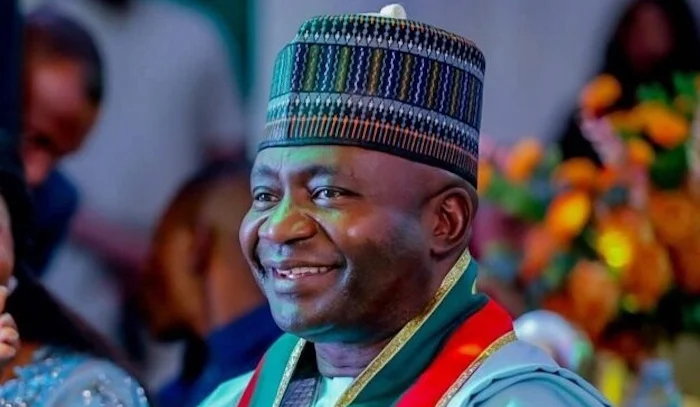
    In his remarks, Senate President Godswill Akpabio defended the collaboration between the Executive and the National Assembly, saying such cooperation was essential for national progress.

    “The 2026 Appropriation Bill is more than figures. It is a statement of intent, a reflection of priorities, and a roadmap for Nigeria’s next phase of renewal,” Akpabio said.

  • Fresh Clashes Erupt Between Egba-Ologba Communities Over Fishing Pond

    Fresh Clashes Erupt Between Egba-Ologba Communities Over Fishing Pond

    Fresh violence has erupted between the Egba and Ologba communities in Agatu Local Government Area of Benue State over ownership of the Ochulo fishing pond, leading to the loss of several lives.

    The latest clash occurred despite the fact that the long-standing dispute is currently before a court of law. It also happened while representatives of both communities were in Makurdi, the Benue State capital, engaging in dialogue aimed at reaching a peaceful resolution.

    The conflict over control of the Ochulo fish pond dates back to 1972. Since then, it is estimated that more than 2,800 lives have been lost in recurrent violent confrontations linked to the dispute.

    A new and troubling dimension to the conflict is the involvement of neighbouring communities, whose residents now openly take sides and join their preferred factions during clashes, thereby escalating the violence.

    It was also gathered that the current Chairman of Agatu Local Government Council, Melvin James Ejeh has initiated about ten different peace overtures, all of which have so far failed to yield lasting peace.

    Reacting to the situation, a concerned social commentator has called on Benue State Governor, Rev. Fr. Hyacinth Alia, to urgently establish a permanent government institution or security presence along the disputed boundary to forestall further violence.

    Agatu Local Government Area, which is largely an aquatic environment located in the lowlands of the Benue River Basin, has previously been an epicentre of violent clashes between armed herdsmen and indigenous communities over grazing routes and farmlands.

    There are growing fears that the renewed internal conflict could expose the area to fresh attacks by marauding herdsmen and other criminal elements, further worsening the security situation in the region.

  • Ban Ki-moon Warns UN Risks Irrelevance Without Security Council Reform

    Ban Ki-moon Warns UN Risks Irrelevance Without Security Council Reform

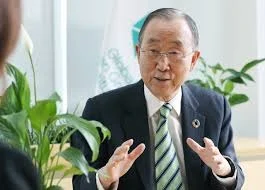
    Former United Nations Secretary-General Ban Ki-moon on Tuesday challenged the Security Council to overcome deep rivalry and distrust, warning that failure to reform its practices, particularly the use of the veto, risks pushing the Organisation toward irrelevance or collapse.

    Speaking during an open Security Council debate on “Leadership for Peace,” Ban called on Council members to look beyond narrow national interests and support UN leadership capable of steering the world away from catastrophe and toward renewed cooperation.

    “The path of each for themselves is no different from the path of mutual destruction,” Ban told the Council.

    Now an emeritus member of The Elders, Ban said global conditions have deteriorated significantly since he left office at the end of 2016, marked by growing confrontation among major powers, weakening multilateralism and persistent conflicts in which civilians bear the heaviest costs.

    “This deeply disappointing situation is characterised by confrontation rather than cooperation among major powers,” he said, citing the war in Ukraine, mass civilian casualties in Gaza and the erosion of international cooperation even as the global climate crisis accelerates.

    Ban said the broader crisis confronting the international system cannot be separated from the Security Council’s own shortcomings.

    “The Security Council’s ongoing failure to properly function constitutes the most egregious cause,” he said, pointing to the repeated use of the veto by permanent members to shield themselves, their allies and their proxies from accountability.

    Without meaningful reform, Ban warned, civilians would remain unprotected and impunity would persist. “Without it, the UN risks lurching towards either collapse or irrelevance,” he said.

    Turning to the selection of the next Secretary-General, Ban urged Member States to consider adopting a single, non-renewable seven-year term, arguing that it would strengthen the independence of the office.

    The current practice of two five-year terms, he said, leaves Secretaries-General “overly dependent on this Council’s Permanent Members for an extension,” even though the arrangement is a convention rather than a requirement of the UN Charter.

    “The General Assembly holds the power to set the terms of the appointment itself,” Ban said, calling on Member States to exercise that authority to empower future UN leaders more fully.

    Secretary-General António Guterres’s second term expires at the end of next year, and the formal selection process is already under way. In November, the Presidents of the General Assembly and the Security Council jointly launched the process in line with General Assembly resolution 79/327, which emphasizes transparency and inclusivity.

    Under established procedures, candidates are nominated by Member States or regional groups and must submit a vision statement, curriculum vitae and disclosures on campaign financing. The President of the General Assembly convenes publicly broadcast interactive dialogues with candidates while engaging closely with Member States throughout the process.

    As of mid-December, Rafael Mariano Grossi, Director-General of the International Atomic Energy Agency, is the only candidate formally nominated, put forward by Argentina.

    Addressing the Council during the debate, Anjali Dayal, Associate Professor of International Politics at Fordham University, said the next Secretary-General would assume office at a moment of unprecedented strain for the United Nations, including a deepening funding crisis that is already reducing the Organisation’s capacity to deliver essential services.

    “That will result not just in shrinking this Organisation, but also in less of the work that only the UN can do at scale,” Dayal said, warning of fewer vaccinations, reduced humanitarian assistance and diminished mine-clearance operations even as global needs continue to grow.

    Dayal said history demonstrates that, even during periods of acute geopolitical division, the Security Council has been capable of selecting leaders who advanced peace and cooperation.

    She recalled the prolonged deadlock that preceded the appointment of Javier Pérez de Cuéllar in 1981 and the criticisms faced by U Thant, noting that both Secretaries-General played key roles in helping to end the Iran-Iraq war, advance peace efforts in Cambodia and Nicaragua, and manage crises such as the Cuban Missile Crisis.

    Those examples, Dayal said, illustrate that the Secretary-General’s influence lies less in material power than in the ability to shape ideas, narratives and long-term cooperation within the international system.

  • Reps Summon Dangote Refinery, NMDPRA Over Downstream Sector Tensions

    Reps Summon Dangote Refinery, NMDPRA Over Downstream Sector Tensions

    Abuja — The House of Representatives Joint Committee on Petroleum Resources has invited the Dangote Petroleum Refinery and the Nigerian Midstream and Downstream Petroleum Regulatory Authority (NMDPRA) to an emergency meeting following a dispute that threatens stability in Nigeria’s downstream petroleum sector.

    Chairman of the committee, Ikenga Ugochinyere, disclosed this after an emergency meeting held in Abuja on Monday, warning that escalating tensions between key industry players could undermine recent gains achieved in fuel supply, pricing, and regulation.

    Ugochinyere said the committee’s intervention had become necessary as Nigeria continues efforts to stabilise the petroleum market in the post-fuel subsidy era.

    “We are guarding the hard-won stability in the downstream sector. Sustainable solutions require that we identify and address the critical issues, which is why we have invited the leadership of Dangote Refinery and the NMDPRA,” he said.

    The lawmaker explained that the renewed tension followed concerns and allegations raised by Africa’s richest man, Alhaji Aliko Dangote, against the petroleum regulator. He noted that several petitions submitted to the committee relate to the issuance of import licences and questions surrounding the capacity of domestic refineries to meet Nigeria’s daily petroleum consumption.

    According to Ugochinyere, the committee will comprehensively examine all outstanding matters when both the refinery and regulatory authorities appear before lawmakers.

    He stressed that resolving the disagreement is critical to maintaining investor confidence and ensuring uninterrupted fuel supply amid ongoing reforms in Nigeria’s oil and gas sector.

  • ActionAid Demands Probe Into Allegations Against NMDPRA Boss

    ActionAid Demands Probe Into Allegations Against NMDPRA Boss

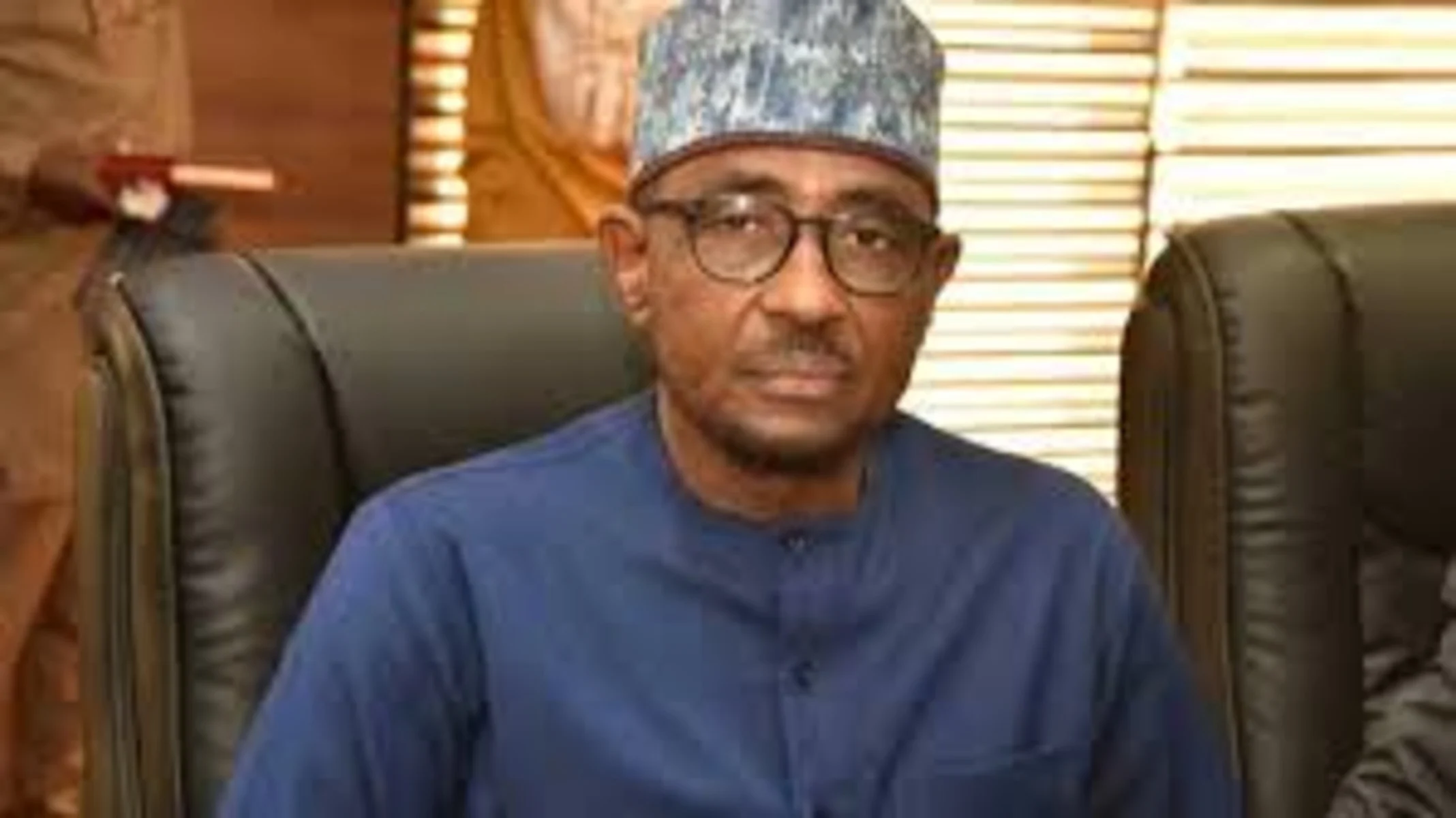
    Abuja — ActionAid Nigeria has called on President Bola Ahmed Tinubu to intervene and ensure an independent public review following allegations involving the Chief Executive of the Nigerian Midstream and Downstream Petroleum Regulatory Authority (NMDPRA), Farouk Ahmed.

    The organisation said the move was necessary to reinforce accountability, transparency, and public confidence in governance institutions.

    In a statement released in Abuja, the Country Director of ActionAid Nigeria, Dr Andrew Mamedu, stressed the importance of institutional integrity and timely responses that strengthen democratic governance nationwide.

    Mamedu referenced media reports alleging foreign education expenses for four children of the NMDPRA boss, noting that the claims remain unproven. He urged calm, lawful scrutiny anchored in due process, fairness, and respect for all parties involved.

    He called on the Economic and Financial Crimes Commission (EFCC) and the Independent Corrupt Practices and Other Related Offences Commission (ICPC) to immediately commence a thorough, transparent investigation, with findings made public.

    ActionAid Nigeria commended Alhaji Aliko Dangote for raising concerns responsibly, describing whistleblowing as a positive civic duty that strengthens accountability and democratic participation.

    Mamedu emphasised the need to protect whistleblowers, describing them as vital partners in safeguarding public resources and promoting a culture where ethical conduct is rewarded and corruption discouraged.

    He said the allegations offered an opportunity for broader governance reforms, including modest leadership standards, verifiable income declarations, and responsible stewardship of public office to reduce inequality and expand opportunities for Nigerians.

    The organisation also highlighted ongoing petroleum supply challenges, calling for increased investment in functional local refineries to ensure fair pricing, energy security, reduced import dependence, and transparent market practices that benefit vulnerable citizens.

    ActionAid Nigeria noted that ending impunity would strengthen democracy, restore trust in public institutions, and reaffirm public service as a platform for national development rather than personal enrichment.

    The group further urged prompt clarification from the official concerned and advocated stronger asset declaration systems, verification processes, and public access to information to empower citizens and oversight institutions.

    ActionAid concluded by calling on Nigerians to actively monitor public resources, engage institutions constructively, and sustain collective demands for accountability, fairness, and effective service delivery across all levels of government.

  • ECOWAS Leaders Renew Call for United Front Against Terrorism

    ECOWAS Leaders Renew Call for United Front Against Terrorism

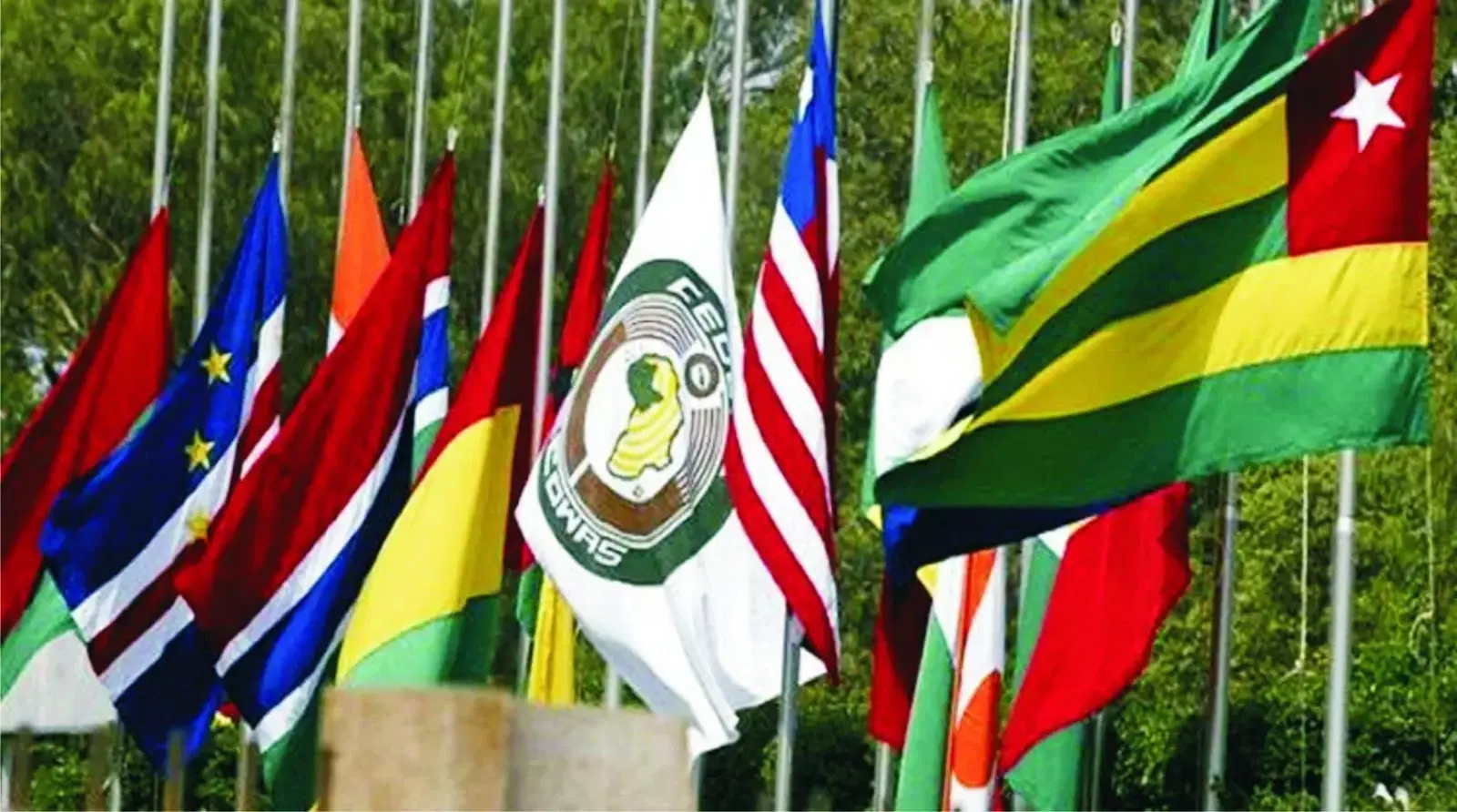
    Abuja, Nigeria — West African leaders on Sunday renewed calls for a coordinated, multilateral approach to tackling terrorism and insecurity in the sub-region, warning that instability in one country poses a threat to all.

    Speaking at the opening of the 68th Ordinary Session of the ECOWAS Authority of Heads of State and Government in Abuja, Chairman of the Authority and Sierra Leone President, Julius Maada Bio, urged member states to strengthen collective security efforts through integrated intelligence sharing, coordinated border operations and the operationalisation of an ECOWAS standby counter-terrorism force.

    Bio described the session as a defining moment for the region, noting that ECOWAS, now 50 years old, must confront escalating security challenges that threaten the future of more than 400 million people in West Africa.

    “West Africa faces some of the most complex and evolving threats in its history,” he said, citing terrorism, violent extremism, organised crime and communal conflicts, particularly in the Sahel. “Instability in one nation is instability for all. No border can insulate us from violence.”

    He commended regional ministers of finance and defence for developing modalities to ensure sustainable financing and raise a 1,650-personnel counter-terrorism brigade by the end of 2026, stressing that security measures must be matched with governance reforms, education, job creation and community resilience to effectively dismantle extremism.

    The ECOWAS chairman also expressed concern over political instability in Guinea-Bissau and the attempted coup in Benin Republic, reaffirming the bloc’s zero tolerance for unconstitutional changes of government.

    “ECOWAS does not, and will not, compromise on democratic governance,” Bio said, adding that the organisation remains committed to supporting credible and time-bound transitions back to constitutional rule where necessary.

    Nigeria’s President Bola Tinubu, represented by Vice-President Kashim Shettima, echoed the call for deeper regional cooperation, saying no single country can address terrorism, violent extremism, transnational crime and other cross-border threats alone.

    “Our security, prosperity and resilience are indivisible,” Tinubu said. “We must sit at the same table, speak with one voice and act with shared resolve.”

    President of the ECOWAS Commission, Dr Omar Touray, said recent global and regional developments — including rising insecurity in the Sahel and shifting geopolitical dynamics — pose significant challenges to achieving the bloc’s Vision 2050 objectives. He noted that ECOWAS is reinvigorating its economic integration agenda through the operationalisation of the ECOWAS Business Council to mobilise regional capital and strengthen member states’ comparative advantages.

    On economic integration, leaders reaffirmed commitments to the ECOWAS Trade Liberalisation Scheme and the planned single currency, while announcing measures to ease regional travel. From January 1, 2026, member states will abolish air transport taxes and reduce passenger and security charges by 25 per cent to lower the cost of air travel across West Africa.

    The meeting underscored ECOWAS’ resolve to strengthen security cooperation, defend democratic governance and deepen economic integration as the region navigates growing security and political challenges.

  • Chris Ngige Faces N1.8B Corruption Trial in Abuja

    Chris Ngige Faces N1.8B Corruption Trial in Abuja

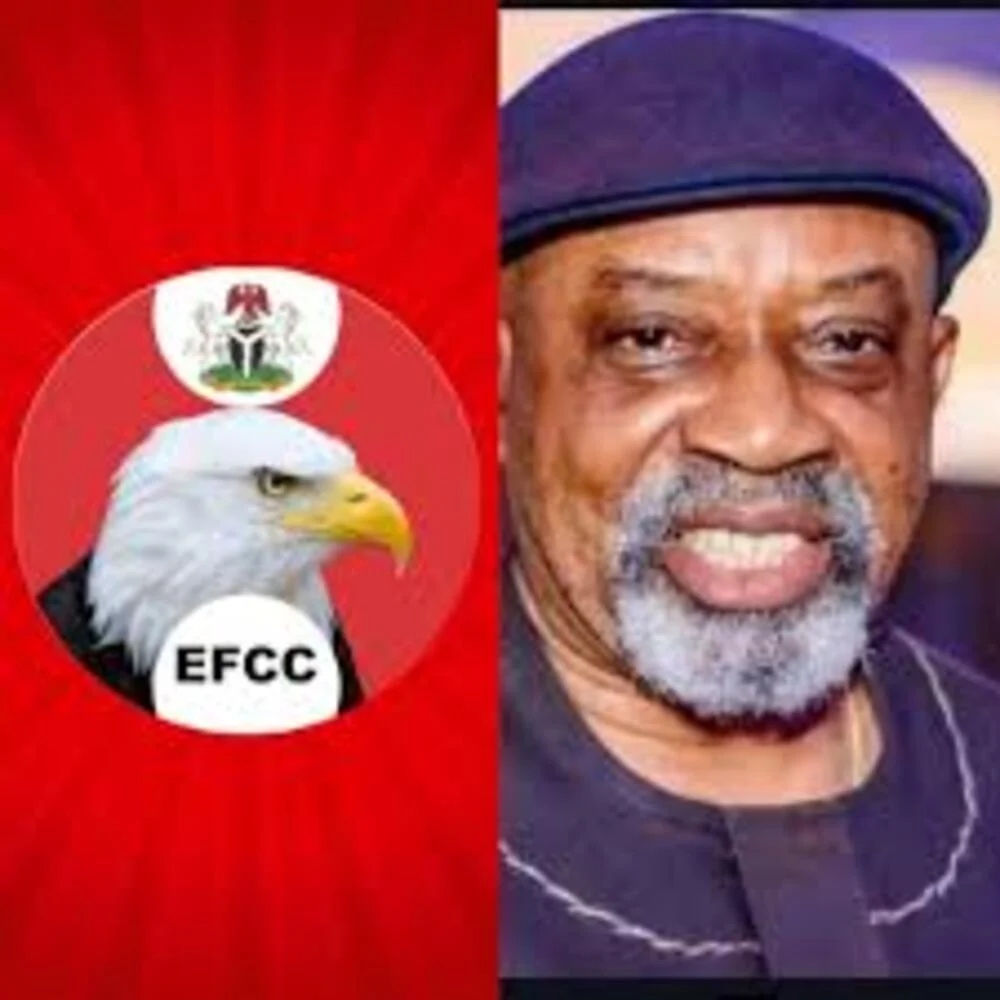
    The Economic and Financial Crimes Commission (EFCC) will arraign former Minister of Labour and Employment, Chris Ngige, on Friday over alleged corruption, the News Agency of Nigeria (NAN) reports.

    Ngige, also a former Governor of Anambra State, will appear at a Federal Capital Territory High Court in Gwarimpa, Abuja, as the sole defendant in an eight-count corruption charge (FCT/HC/CR/726/2025).

    Filed on December 9 by a legal team led by Sylvanus Tahir, SAN, the charges allege that Ngige, while serving under ex-President Muhammadu Buhari, used his position to benefit companies linked to his associates.

    He is accused of awarding NSITF contracts worth over N1.8 billion to companies including Cezimo Nigeria Limited, Zitacom Nigeria Limited, Jeff & Xris Limited, Olde English Consolidated Limited, and Shale Atlantic Intercontinental Services Limited.

    Ngige is also alleged to have accepted gifts totaling N119,783,000 through organisations linked to him, including the Senator Chris Ngige Campaign Organisation and the Chris Ngige Scholarship Scheme, while performing official duties.

    The offences contravene the Corrupt Practices and Other Related Offences Act, 2000, specifically Sections 17(a) and 19, and are punishable under Section 179(c) of the Act.

  • Rivers Assembly Endorses Tinubu for Second Term Amid Criticism of “Sycophancy”

    Rivers Assembly Endorses Tinubu for Second Term Amid Criticism of “Sycophancy”

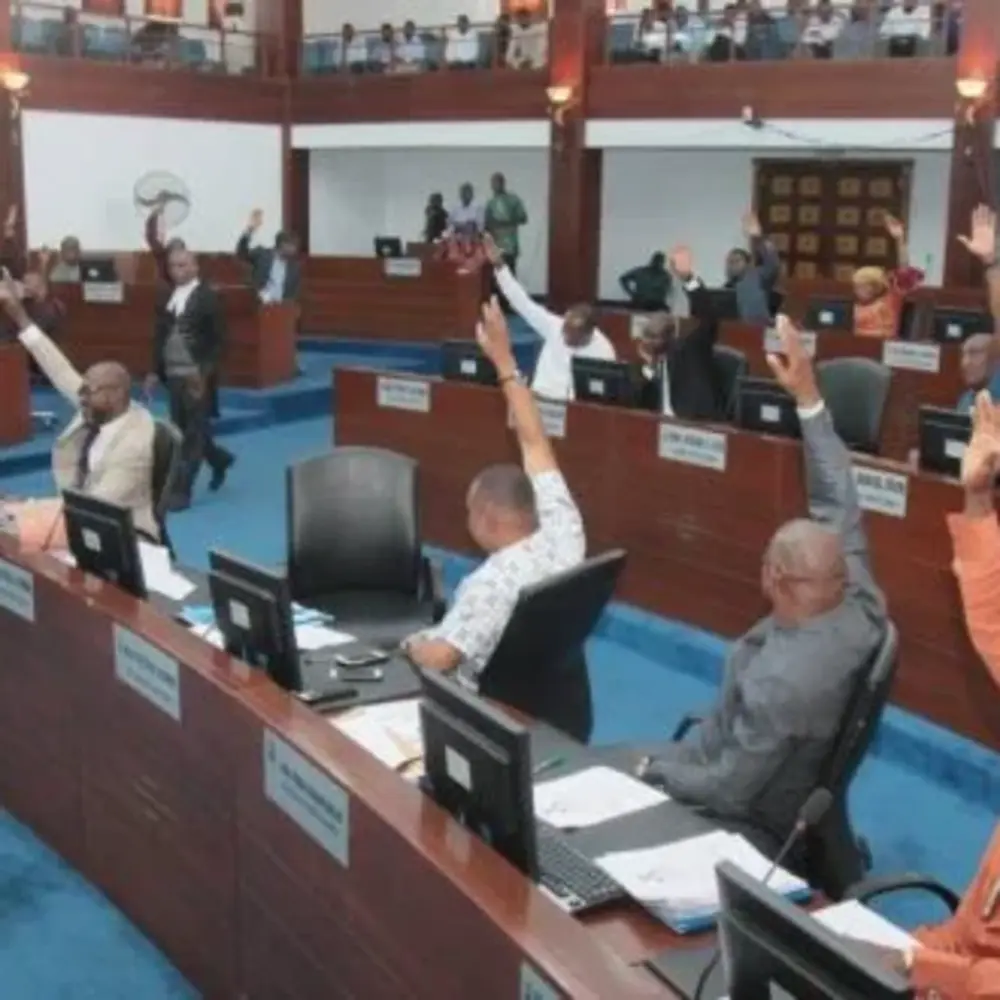
    In a move many described as politically motivated, the Rivers State House of Assembly has endorsed President Bola Ahmed Tinubu for a second term in office.

    The endorsement, announced on Wednesday, was presented as a vote of confidence in appreciation of what the lawmakers called the “numerous Federal Government projects and interventions” in the state under Tinubu’s leadership.

    The motion, signed by 26 members and read by the House Leader, Mr. Major Jack (Akuku-Toru), claimed that Tinubu’s administration had demonstrated commitment to peace, stability, and development.

    In a controversial justification, the legislators cited Tinubu’s declaration of a state of emergency and the temporary suspension of the state legislature, moves widely criticized by Nigerians and international observers, as evidence of his “fatherly role” in restoring order.

    Speaker of the House, Mr. Martin Amaewhule (Obio/Akpor I), praised the president as a “compassionate father” working to reposition the nation for growth.

    He also lauded the appointment of Rivers indigenes into key federal positions, saying it reflected Tinubu’s inclusiveness and strengthened the state’s relationship with the Federal Government.

    The lawmakers further pledged loyalty to the Minister of the Federal Capital Territory (FCT), Nyesom Wike, and promised to mobilize grassroots support for Tinubu’s “Renewed Hope Agenda.”

  • Tinubu Nominates Gen. Christopher Musa as New Minister of Defence

    Tinubu Nominates Gen. Christopher Musa as New Minister of Defence

    President Bola Ahmed Tinubu has nominated General Christopher Gwabin Musa as Nigeria’s new Minister of Defence.

    In a letter to Senate President Godswill Akpabio, President Tinubu announced the appointment of General Musa as the successor to Alhaji Mohammed Badaru Abubakar, who resigned from the position on Monday.

    General Musa, 58, who was born on December 25, 1967, is a distinguished military officer who served as Chief of Defence Staff from 2023 until October 2025.

    He is a recipient of the prestigious Colin Powell Award for Soldiering (2012).

    Born in Sokoto, General Musa attended primary and secondary schools in the state before proceeding to the College of Advanced Studies, Zaria.

    He graduated in 1986 and enrolled at the Nigerian Defence Academy the same year, earning a Bachelor of Science degree in 1991.

    Commissioned as a Second Lieutenant in 1991, Musa has held several key positions in the Nigerian Army, including:

    • General Staff Officer 1, Training/Operations, HQ 81 Division
    • Commanding Officer, 73 Battalion
    • Assistant Director, Operational Requirements, Department of Army Policy and Plans
    • Infantry Representative and Member, Training Team, HQ Nigerian Army Armour Corps

    He later served as Deputy Chief of Staff (Training/Operations) at the Infantry Centre and Corps Headquarters, and as Commander of Sector 3, Operation Lafiya Dole, and the Multinational Joint Task Force in the Lake Chad Region.

    In 2021, Musa was appointed Theatre Commander, Operation Hadin Kai, and later became Commander of the Nigerian Army Infantry Corps before being elevated to Chief of Defence Staff by President Tinubu in 2023.

    In his letter to the Senate, President Tinubu expressed confidence in General Musa’s capacity to lead the Ministry of Defence and strengthen Nigeria’s security architecture.

  • Taliban Carry Out Public Execution in Khost for Mass Killing

    Taliban Carry Out Public Execution in Khost for Mass Killing

    KHOST, Afghanistan — Afghanistan’s Taliban-controlled Supreme Court has executed a man publicly in Khost for his role in the killing of 13 members of a family.

    The Supreme Court identified the man as Mangal, who was convicted of intentionally killing another Afghan with a Kalashnikov rifle. The victim’s family declined an offer of forgiveness, prompting the so-called retaliation punishment, known as qisas under Islamic law.

    Mustaghfir Gurbaz, spokesman for the provincial governor, said the man had been involved in the incident about 10 months ago that resulted in the deaths of 13 people, including women and children. Two other men convicted in the same case have also received qisas sentences, but their executions were postponed as the victims’ families are currently abroad.

    Since returning to power in August 2021, the Taliban have reinstated corporal punishments, including public executions and floggings, for crimes such as murder, robbery, and adultery. This latest execution marks the 11th public execution carried out under Taliban rule.

    The United Nations has condemned the Taliban’s use of corporal punishment, saying it violates the UN Convention against Torture and calling for an end to such practices. Taliban officials, however, defend the measures as consistent with Afghan law and necessary for public security.

    The execution took place in a stadium in the presence of local residents and Taliban officials.